Is Pho Actually Good for Weight Loss? Our Team Investigates
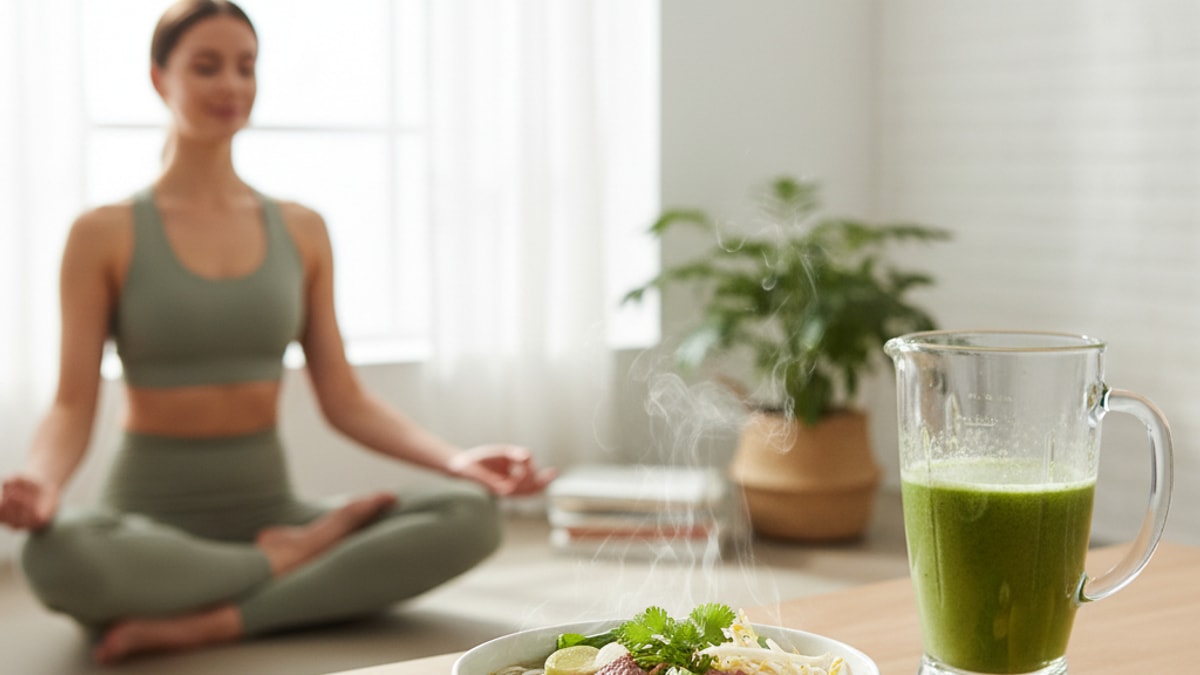
We get this question all the time. A client, committed to their new health journey, asks with a hopeful look, "What about pho? Is pho good for weight loss?" It's a fantastic question because, on the surface, pho seems like the perfect health food. It's a warm, savory soup loaded with herbs and protein. It feels nourishing. It feels clean.
But the real answer is nuanced. It's not a simple yes or no. The truth is, a bowl of pho can be either a powerful ally in your weight management strategy or a surprisingly sneaky diet-wrecker hiding in plain sight. It all comes down to the choices you make—from the broth to the noodles to the sauces you drizzle on top. Here at TrimrX, our entire focus is on the science of sustainable weight loss, looking beyond simple calorie counting to the complex biological systems that govern our metabolism. So, we're going to break this down the way we approach everything: with a detailed, unflinching look at the facts.
What Exactly Is in a Bowl of Pho?
Before we can judge its place in a diet, we need to understand what we're actually eating. Pho isn't just one thing; it's an assembly of distinct components, and each one plays a role in its nutritional profile. At its core, pho consists of four key elements.
First, the broth (phở). This is the soul of the dish. A traditional pho broth is a labor of love, simmered for hours with beef or chicken bones, charred onion and ginger, and a delicate medley of spices like star anise, cinnamon, cloves, and cardamom. A well-made broth is clear, fragrant, and deeply flavorful. However, many restaurants cut corners, using bouillon cubes or powdered bases, which can dramatically increase the sodium content without providing the nutritional benefits of a true bone broth, like collagen and amino acids.
Next, the noodles (bánh phở). These are flat rice noodles. They provide the bulk of the carbohydrates in the dish and contribute significantly to the calorie count. They're soft, slippery, and delicious, but they are, fundamentally, a refined carbohydrate. This means they can cause a spike in blood sugar for some individuals, a factor we're always keenly aware of when designing comprehensive weight loss plans.
Then comes the protein. This is where you have a lot of choices. Classic beef pho might include thin slices of rare steak (tái), well-done brisket (chín), fatty flank (nạm), tendon (gân), or tripe (sách). Chicken pho (phở gà) typically uses shredded poached chicken. The type of protein you choose has a massive impact on the fat and calorie content of your meal. Lean, rare steak is a world apart from a fatty, greasy brisket.
Finally, the garnishes. This is the vibrant, fresh component that makes pho so special. A plate of bean sprouts, Thai basil, cilantro, culantro, lime wedges, and sliced jalapeños accompanies almost every bowl. These aren't just for flavor; they add fiber, vitamins, and antioxidants with negligible calories. They are, without a doubt, the most unequivocally healthy part of the meal.
The Calorie Question: A Surprising Breakdown
Let's talk numbers. This is where things get tricky because portion sizes and preparation methods vary wildly between restaurants. A small, conservatively portioned bowl of chicken pho might clock in around 350-450 calories. That sounds great, right? A perfectly reasonable amount for a satisfying meal.
But a large bowl of beef combination pho, loaded with fatty cuts of meat, extra noodles, and a generous squirt of hoisin and sriracha, can easily soar past 800, 900, or even 1,000 calories. That's a significant portion of a day's calorie budget for someone aiming for weight loss. The difference is dramatic. Our team can't stress this enough: the details matter. You can't just assume all pho is low-calorie.
To illustrate the point, we've put together a quick comparison. Think of this as a 'good, better, best' framework for your protein choices.
| Pho Component | Typical Calorie Impact | Our Professional Observation | Weight Loss Friendliness |
|---|---|---|---|
| Broth | 30-60 calories | The main concern here isn't calories, it's sodium. A single bowl can contain over 1,500-2,000 mg of sodium. | Neutral (Watch Sodium) |
| Rice Noodles (1 cup) | ~200 calories | This is the primary source of refined carbs. Asking for half the noodles is one of the easiest ways to improve the dish. | Moderate |
| Lean Protein | 150-250 calories (Chicken Breast, Rare Steak) | Excellent choice. High in protein for satiety, lower in saturated fat. Helps maintain muscle mass during weight loss. | High |
| Fatty Protein | 300-500+ calories (Brisket, Fatty Flank, Short Rib) | These cuts dramatically increase the calorie and saturated fat content, working against weight management goals. | Low |
| Fresh Garnishes | <20 calories (Bean Sprouts, Herbs, Lime) | Essentially 'free' calories. Load up on these. They add fiber, nutrients, and bulk to help you feel full. | Very High |
| Sauces (1 tbsp) | 25-45 calories (Hoisin, Sriracha) | These are sugar and sodium bombs. A few squirts can add 100+ empty calories and a lot of sugar very quickly. | Very Low |
As you can see, two bowls of "pho" can be completely different meals from a metabolic standpoint.
Where Pho Shines for Weight Management
Now for the good news. When you order it strategically, pho has some incredible benefits that align perfectly with a healthy weight loss plan.
First and foremost is satiety. The sheer volume of the hot broth helps fill your stomach, signaling to your brain that you're full. This is a simple but powerful tool for appetite control. Hydration is also a key component of any successful weight loss program, and a bowl of pho is, well, mostly water. It's a fantastic way to increase your fluid intake.
Protein is another major win. A standard bowl provides a substantial serving of high-quality protein, which is critical for feeling full and satisfied. Our experience shows that clients who prioritize protein intake have better appetite control and are more successful at preserving lean muscle mass while losing fat. This is non-negotiable for a healthy body composition.
And let's not forget the mountain of fresh herbs and sprouts. These aren't just window dressing. Bean sprouts provide a satisfying crunch and a good dose of fiber. Herbs like basil and cilantro are packed with micronutrients and antioxidants. By loading up your bowl with these garnishes, you're adding nutritional value and volume for virtually zero calories. It's the smartest move you can make.
The Hidden Pitfalls: When Pho Works Against You
Honestly, though, there are formidable traps to avoid. The single biggest offender in a bowl of pho is sodium. It's astronomical. Many restaurant broths are loaded with salt to enhance flavor, and a single serving can easily exceed the recommended daily intake. This won't necessarily cause fat gain, but it will lead to significant water retention, making you feel bloated and discouraged when you step on the scale. It's a psychological blow you don't need.
Next up are the refined carbs from the rice noodles. While not inherently 'evil,' a large portion of rice noodles can lead to a rapid spike and subsequent crash in blood sugar. This can trigger cravings for more carbs and sugar later in the day, creating a vicious cycle that sabotages your efforts. This is precisely the kind of metabolic dysregulation that advanced treatments, like the GLP-1 medications we utilize at TrimrX, are designed to address by helping to smooth out those glucose curves and regulate appetite-related hormones.
Finally, the add-ins are where a good meal goes bad. Fatty cuts of meat like brisket are delicious because they're marbled with fat—and that fat comes with a hefty calorie price tag. Then there are the sauces. Hoisin sauce is primarily sugar. Sriracha has sugar and more sodium. Fried shallots or garlic add a lot of oil. These condiments can add hundreds of extra calories without you even realizing it. It's a classic case of death by a thousand cuts—or, in this case, a thousand squirts.
Our Professional Guide to Ordering a Weight-Loss-Friendly Pho
So, how do you navigate the menu and build a bowl that supports your goals? It's easier than you think. Our team has refined this into a simple checklist. Follow these rules, and you can enjoy your favorite soup guilt-free.
-
Choose Your Protein Wisely. This is your first and most important decision. Opt for lean choices like chicken breast (phở gà) or rare eye of round steak (phở tái). Politely skip the fatty brisket, flank, and tendon.
-
Go Halfsies on the Noodles. This is a game-changer. Simply ask for "half noodles" or "less noodles." Most restaurants are happy to oblige. You'll cut a significant number of refined carbs and calories without sacrificing much of the experience.
-
Become a Veggie Enthusiast. Ask for an extra side of bean sprouts and herbs. And use them all. Pile them high in your bowl. This adds fiber and bulk, helping you feel fuller on fewer calories.
-
Sauce on the Side. Don't drown your beautiful broth in hoisin and sriracha. Get small amounts on the side for dipping. This gives you control. You'll be shocked at how little you actually need to get the flavor you want.
-
Drink Plenty of Water. Help your body process the high sodium content by drinking a large glass of water before, during, and after your meal. It makes a real difference in preventing that post-pho bloat.
Simple, right? These small adjustments transform pho from a potential calorie bomb into a truly supportive meal.
Integrating Pho into a Modern Weight Loss Strategy
Here's the reality. Making smart food choices, like ordering a healthier bowl of pho, is a critical piece of the puzzle. But for many people we work with, it's not the whole picture. So many individuals struggle with weight loss not because they lack willpower or don't know what to eat, but because their underlying biology is working against them. Hormonal imbalances, insulin resistance, and powerful, biologically-driven hunger signals can make sustainable weight loss feel like an impossible, uphill battle.
This is where a modern, scientific approach becomes essential. At TrimrX, we leverage medical advancements like GLP-1 agonists (such as Semaglutide and Tirzepatide) to fundamentally change the equation. These medications work with your body's natural systems to regulate appetite, improve how your body processes sugar, and help you feel full and satisfied with smaller portions. They don't replace healthy eating; they make healthy eating feel natural and effortless.
Imagine ordering that bowl of pho, enjoying half of it, and feeling completely satisfied without the mental struggle. That's the kind of change our programs facilitate. It’s about working with your body, not constantly fighting against it. A meal like pho can be a wonderful, enjoyable part of this new lifestyle—a satisfying, protein-rich option that fits perfectly within a medically-supervised plan. If you've been struggling with the cycle of dieting and feel like something deeper is at play, we encourage you to Take Quiz to see if a medical approach is the right fit for your journey.
When you're ready to move beyond just food choices and address the root causes of weight gain, you can Start Your Treatment with a team of medical professionals guiding you every step of the way.
Making Healthier Pho at Home: The TrimrX Approach
For ultimate control, nothing beats making pho in your own kitchen. It might sound intimidating, but a simplified, healthy version is surprisingly achievable for a weekend meal.
First, take charge of the broth. You can make a fantastic, low-sodium version by simmering chicken or beef bones with the classic aromatics—charred ginger, onion, star anise, and cinnamon. Or, for a quicker route, use a high-quality, store-bought bone broth with no added salt. This one change alone will slash the sodium content by more than half.
Next, rethink the noodles. You can, of course, use traditional rice noodles but simply control the portion size. For an even bigger nutritional boost, consider alternatives. Zucchini noodles ('zoodles'), shirataki noodles, or even kelp noodles can provide that satisfying slurp with far fewer carbs and calories. We've found that combining half rice noodles and half veggie noodles is a great compromise.
Load up on lean protein and pile on the vegetables. Poach some chicken breast or thinly slice a lean cut of beef. Don't stop at the traditional garnishes; add sliced bell peppers, mushrooms, or bok choy to the simmering broth for the last few minutes of cooking. The more veggies, the better.
By making it at home, you transform pho into an undeniably healthy, high-protein, high-fiber meal that you can tailor perfectly to your specific dietary needs and goals. It becomes a tool for wellness, not a source of dietary anxiety.
The final verdict? Yes, pho can absolutely be good for weight loss. It's a satisfying, protein-packed, and hydrating meal. But this verdict comes with a crucial condition: you have to be the one in control. You need to make conscious, informed choices about your protein, your noodles, and your sauces. It's not a magic food, but when approached with knowledge and intention, it's a delicious way to support a healthy, sustainable journey toward your goals. And when that journey is supported by a comprehensive, medical strategy, it becomes that much more achievable.
Frequently Asked Questions
Is chicken pho better than beef pho for weight loss?
▼
Generally, yes. Chicken breast pho (phở gà) is typically lower in calories and saturated fat than most beef options. However, pho with lean, rare steak (phở tái) can also be a great choice. The key is to avoid fatty cuts like brisket or flank.
How many calories are in a typical bowl of pho?
▼
It varies dramatically. A small bowl of lean chicken pho can be around 350-450 calories, while a large beef combination pho with all the fixings can easily exceed 900 calories. Your choices in protein, noodle quantity, and sauces make all the difference.
Can I eat pho every day on a diet?
▼
We wouldn’t recommend it, primarily due to the extremely high sodium content in most restaurant versions. While it can be a healthy choice, daily consumption could lead to water retention and potential blood pressure issues. Variety is always key for a balanced diet.
What are the worst pho toppings for weight loss?
▼
The worst offenders are the sugary sauces like hoisin and sriracha, as well as any fried toppings like fried garlic or shallots. These add a significant number of empty calories, sugar, and unhealthy fats without providing much nutritional value.
Does the sodium in pho cause weight gain?
▼
High sodium doesn’t cause fat gain, but it does cause your body to retain water. This leads to a temporary increase on the scale and feelings of bloating. While not ‘real’ weight gain, it can be psychologically discouraging on a weight loss journey.
Are the rice noodles in pho unhealthy?
▼
They aren’t inherently unhealthy, but they are a refined carbohydrate that can spike blood sugar. For weight loss, portion control is crucial. Our team often recommends asking for half the usual amount of noodles to better manage calorie and carb intake.
How can I reduce the sodium in my pho?
▼
When eating out, you can try asking for a low-sodium broth, though not all restaurants can accommodate this. The best way is to make it at home using unsalted bone broth. Also, go very light on sodium-rich sauces like hoisin and sriracha.
Is pho keto-friendly?
▼
Traditional pho is not keto-friendly due to the high carbohydrate count in the rice noodles. To make it keto, you would need to omit the noodles entirely or substitute them with a keto-friendly option like shirataki or zucchini noodles.
What about vegetarian or vegan pho for weight loss?
▼
Vegetarian pho (phở chay) can be a great option, but ensure it includes a good protein source like tofu or edamame to help with satiety. The same rules apply: watch the noodle portions and be mindful of sugary sauces and sodium in the vegetable broth.
How does pho fit with a GLP-1 medication plan?
▼
Pho fits beautifully. GLP-1 medications, like those used in TrimrX programs, help regulate appetite. A smaller, protein-rich bowl of pho becomes a perfectly satisfying meal, making it easier to enjoy your favorite foods in moderation without feeling deprived.
Is the broth in pho actually a healthy bone broth?
▼
It depends. A traditional, long-simmered broth made from bones can be rich in collagen and amino acids. However, many modern restaurants use shortcuts like bouillon powders, which are mostly sodium and artificial flavorings. You can’t always tell, but higher-end, authentic spots are more likely to use real bone broth.
Should I skip the noodles in pho altogether?
▼
You certainly can if you’re on a very low-carb diet. A ‘noodle-less’ pho loaded with extra vegetables and protein is a fantastic, nutrient-dense meal. For most people, simply reducing the portion to half is a more sustainable and still very effective strategy.

Transforming Lives, One Step at a Time
Keep reading

Do You Need a Prescription for GLP-1s? The 2026 Answer
Wondering ‘do you need a prescription for glp 1’ in 2026? Yes. We explain why a doctor’s oversight is critical for safe, effective results.

How to Get GLP-1 Covered By Insurance: Our 2026 Playbook
Struggling with how to get glp-1 covered by insurance? Our 2026 guide breaks down prior authorizations, appeals, and documentation.

Traveling with GLP-1s in 2026: Your Essential Trip-Proof Plan
Don’t let travel disrupt your GLP-1 treatment. Learn how to travel with glp 1 medications safely and stress-free in our 2026 expert guide.


