Is Popcorn Good for Weight Loss? A Biotech Expert’s Take
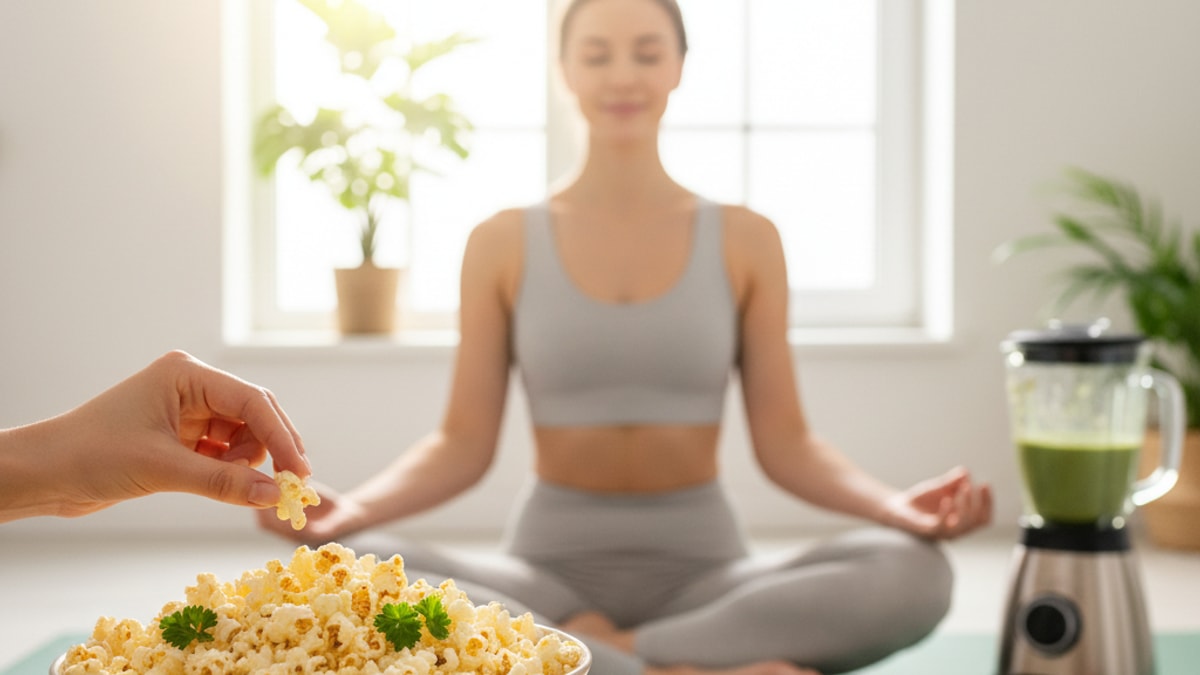
Let's talk about a question our team gets surprisingly often. It usually comes up during discussions about lifestyle changes and sustainable habits. Amidst conversations about metabolic health and advanced treatments, someone will pause and ask, almost sheepishly, "So… what about popcorn? Is popcorn good for weight loss?" It's a fantastic question. Because it gets to the heart of what successful, long-term weight management is all about: navigating the real world of cravings, social situations, and comfort foods without derailing your progress.
And the answer isn't a simple yes or no. It's nuanced. The truth is, popcorn can be either a formidable ally in your weight loss journey or a catastrophic diet-wrecker hiding in plain sight. The difference between those two outcomes is staggering, and it all comes down to knowledge and preparation. As a team dedicated to medically-supervised weight loss, we’ve seen firsthand how small, informed choices can create monumental shifts in a person's health trajectory. Popcorn is a perfect case study. It's time to separate the nutritional hero from the villainous imposter.
The Unassuming Power of a Humble Kernel
Before we dive into the pitfalls, we have to appreciate popcorn for what it is at its core: a whole grain. That's a critical, non-negotiable fact. When you strip away all the modern adulterations—the synthetic butter, the neon-orange cheese dust, the rivers of caramel—you're left with something remarkably simple and nutritious. A whole grain is exactly what it sounds like; it contains the entire grain kernel, comprising the bran, germ, and endosperm. This is a world away from the refined grains found in white bread, pastries, and many processed snacks.
Why does this matter so much? Fiber. Plain, air-popped popcorn is an excellent source of dietary fiber. A generous three-cup serving, which feels like a substantial snack, packs around 3.5 grams of fiber for only about 90 calories. Our experience shows that satiety—that feeling of fullness and satisfaction—is one of the biggest battles in weight management. Fiber is your champion in this fight. It slows digestion, which helps stabilize blood sugar levels and prevents the sharp spikes and crashes that lead to more cravings. It also adds bulk to your food, physically filling your stomach and sending signals to your brain that you're full. This is a game-changer. For our patients, especially those leveraging advanced treatments like GLP-1 medications that already help regulate appetite, incorporating high-fiber, high-volume foods can make the journey feel significantly easier.
But the benefits don't stop there. Popcorn is also surprisingly rich in polyphenols, a class of antioxidants linked to numerous health benefits, including better circulation and reduced inflammation. Some studies have even suggested that the concentration of these beneficial compounds in popcorn is higher than in many fruits and vegetables, simply because they're less diluted by water content. So, you're not just eating 'empty' air. You're consuming a low-calorie, high-satiety, antioxidant-rich whole grain. On paper, it's a weight-loss superstar.
Where It All Goes Wrong: The Popcorn Pitfalls
Now for the dose of reality. The popcorn most people consume bears little resemblance to the nutritional powerhouse we just described. This is where a seemingly innocent snack morphs into a high-calorie, high-fat, sodium-laden disaster. We can't stress this enough: how you prepare and consume popcorn is everything.
Let’s start with the most obvious culprit: movie theater popcorn. We've all been tempted by that intoxicating smell. But that bucket of buttery goodness is, frankly, a nutritional horror show. A medium-sized popcorn at a typical theater can easily pack over 1,000 calories and more than 50 grams of fat, often saturated or trans fat from the buttery topping. That's more calories than a substantial meal, consumed mindlessly in a dark room. The sodium levels can also be astronomical, contributing to water retention and high blood pressure. It's not a snack; it's an indulgence on par with a large pizza.
Then there's the microwave variety. Oh, the convenience. But what's inside that bag? Many brands are loaded with unhealthy fats, including partially hydrogenated oils (a source of artificial trans fat), extreme levels of sodium, and a cocktail of artificial flavors. The chemical that historically gave microwave popcorn its buttery flavor, diacetyl, has been linked to serious lung disease. While many manufacturers have phased it out, the chemical replacements aren't necessarily benign. Furthermore, the bags themselves are often coated with perfluorinated compounds (PFCs) to prevent oil from leaking through, which can break down into substances that have raised health concerns. It's a convenience that comes at a steep price.
Finally, we have the sprawling category of pre-packaged, "gourmet" popcorn. Caramel corn, cheddar cheese popcorn, chocolate-drizzled kettle corn—these are not health foods. They are candy. The whole-grain base is merely a vehicle for sugar, processed cheese powders, and unhealthy fats. The calorie counts are sky-high, and the fiber benefits are completely negated by the sugar bomb you're consuming. We advise our patients to read the labels on these products with extreme skepticism. If sugar is one of the first few ingredients, put the bag down.
The TrimrX Guide to Smart Popcorn Snacking
So, how do you harness the good without falling into the traps? It's simpler than you think. Our team has refined a straightforward approach that allows you to enjoy popcorn as a legitimate tool for weight management. It's about taking back control from the food manufacturers and making popcorn on your own terms.
First, the preparation method is paramount. The undisputed best method is using an air popper. These devices use hot air—and nothing else—to pop the kernels. This gives you a perfect, fluffy, low-calorie base to work with. No oil, no additives, just pure popcorn. It's a small investment that pays massive dividends for your health.
If you don't have an air popper, the stovetop method is a close second. The key is to use a heavy-bottomed pot and a minimal amount of a healthy oil. We recommend oils with high smoke points like coconut oil or avocado oil. Use just enough to coat the bottom of the pan (a tablespoon is often sufficient for a large batch). This adds a few more calories than air-popping, but it's still a perfectly healthy and controlled method.
Next, let's talk toppings. This is where you can get creative. The goal is to add flavor without adding significant calories, fat, or sodium. Forget the melted butter and table salt. Here are some of our team's favorite combinations:
- Savory & Cheesy: A light spritz of olive oil spray followed by a generous dusting of nutritional yeast. Nutritional yeast has a nutty, cheesy flavor and is packed with B vitamins. Add a sprinkle of garlic powder and smoked paprika for a flavor explosion.
- Spicy & Zesty: A pinch of cayenne pepper, some chili powder, and a squeeze of fresh lime juice over the top. It's a vibrant flavor profile that satisfies cravings for something bold.
- Sweet & Warm: A light dusting of cinnamon and a tiny bit of a natural sweetener like stevia or monk fruit. This can be a fantastic way to curb a sugar craving without the actual sugar.
- Herby: Dried herbs like rosemary or oregano, combined with a little black pepper and a touch of finely grated Parmesan cheese (a little goes a long way).
Finally, and this is perhaps the most crucial piece of advice we give: portion control. Even healthy foods have calories. The mindless hand-to-bowl (or hand-to-bag) motion can lead to overconsumption, regardless of what you're eating. Our recommendation is simple. Measure out a serving—three cups is a great, voluminous place to start—and put the rest of the popcorn away. Eat from that bowl, not from the giant container you made it in. This single habit builds discipline and mindfulness, which are essential for long-term success.
Popcorn Preparation: A Head-to-Head Comparison
To make it even clearer, we've broken down the different types of popcorn. The differences are not subtle; they're dramatic.
| Popcorn Type | Serving Size (approx.) | Calories (approx.) | Fiber (g) | Sodium (mg) | Our Team's Take |
|---|---|---|---|---|---|
| Air-Popped, Plain | 3 cups | 90-100 | 3.5 | < 5 | The gold standard. A high-volume, low-calorie snack that's perfect for satisfying cravings. This is your best friend. |
| Oil-Popped (Stovetop) | 3 cups | 150-170 | 3.5 | < 10 (unsalted) | A great option if you control the oil type and amount. Use a healthy fat like coconut or avocado oil. Still an excellent choice. |
| Standard Microwave Butter | 1 bag (approx. 3 cups popped) | 350-450 | 4-6 | 500-800+ | A nutritional minefield. Often loaded with unhealthy fats, artificial flavors, and staggering sodium levels. We strongly advise against it. |
| Movie Theater (Medium, with butter) | 10-12 cups | 900-1200+ | 15-20 | 600-1500+ | A calorie catastrophe. This isn't a snack; it's a full day's worth of calories and fat for many people. A definite diet-wrecker. |
| Pre-Packaged Caramel Corn | 1 cup | 120-150 | < 1 | 50-100 | This is candy, not popcorn. It's all sugar with none of the whole-grain benefits. Treat it as such—a rare indulgence, not a healthy snack. |
Popcorn's Role in a Medically-Supervised Weight Loss Journey
So, where does a simple snack like popcorn fit into a comprehensive, medically-supervised program like the ones we offer at TrimrX? It fits perfectly, actually, because our philosophy extends beyond just medication. While powerful GLP-1 treatments like Semaglutide and Tirzepatide are incredibly effective at regulating appetite and promoting weight loss on a biological level, sustainable success requires building a new set of habits and a healthier relationship with food. That's the reality. It all comes down to lifestyle integration.
This is where smart snacking comes in. Medications can reduce your overall hunger, but they don't always eliminate the psychological desire to eat or the force of habit. Maybe you're used to snacking while watching TV or when you feel stressed. Having a pre-planned, healthy, high-volume snack like air-popped popcorn ready can be the perfect tool to satisfy that urge without consuming hundreds of empty calories. It allows you to honor the habit while changing its nutritional impact. It's a strategy, not a compromise.
We work with our patients to identify these personal trigger points and develop effective strategies. Instead of telling them to 'just stop snacking,' we help them find better ways to do it. It's about creating a toolkit of healthy coping mechanisms. Popcorn, prepared correctly, is a first-rate tool in that kit. It provides the crunch, the volume, and the hand-to-mouth satisfaction of less healthy options like potato chips, but with a vastly superior nutritional profile. If you're curious about how this holistic approach combines with medical science, you can Take Quiz to see if a personalized plan is the right fit for your goals.
The Psychology of Snacking and Why Popcorn Works
There's a deep psychological component to eating that we can't ignore. Snacking isn't always about hunger. It's often about boredom, stress, ritual, or sensory satisfaction. Popcorn, in its healthy form, checks a lot of these boxes. The crunch is satisfying. The sheer volume of it takes time to eat, which can help combat boredom and allow your brain's satiety signals to catch up. The repetitive motion of eating it piece by piece can be almost meditative for some.
Think about it. A handful of nuts might be healthy, but it's gone in thirty seconds. A three-cup bowl of popcorn can last through an entire TV show. This concept, known as 'volume eating,' is incredibly powerful for weight management. It allows you to feel like you're eating a lot, satisfying that psychological need for abundance, without overloading on calories. It's a mental trick that has real physical benefits.
Furthermore, by making a conscious choice to prepare your popcorn healthily, you're engaging in a positive food behavior. You're taking an active role in your nutrition rather than passively consuming a product designed by a corporation to be hyper-palatable and, often, unhealthy. This act of preparation reinforces your commitment to your health goals. It's a small win, but these small wins accumulate over time, building the momentum needed for a profound and lasting transformation.
So, is popcorn good for weight loss? When you strip it down, prepare it thoughtfully, and consume it mindfully, the answer is a resounding yes. It's a high-fiber, low-calorie, whole-grain snack that can satisfy cravings and support your goals. But if you outsource its preparation to movie theaters or food manufacturers, it becomes one of the worst offenders imaginable. The choice, and the power, is entirely in your hands.
This isn't just about one snack. It’s about a mindset—a shift from asking 'what can't I eat?' to 'how can I eat the foods I enjoy in a way that serves my body and my goals?' It's about education and empowerment. When you're ready to apply that mindset to your entire health journey, supported by medical science and expert guidance, we're here to help you take that next step. It's time to Start Your Treatment Now and build a healthier future, one smart choice at a time.
Frequently Asked Questions
Is popcorn a carb?
▼
Yes, popcorn is a carbohydrate, but it’s a beneficial one. As a 100% unprocessed whole grain, it’s a complex carbohydrate rich in fiber, which aids in digestion and helps you feel full longer, unlike the refined carbs found in sugary snacks.
How much popcorn can I eat on a diet?
▼
Portion control is key. A typical serving of air-popped popcorn is about 3 cups, which contains roughly 90-100 calories. We’ve found this volume is very satisfying for most people as a substantial snack that fits easily within a calorie-controlled diet.
Is kettle corn a healthy choice for weight loss?
▼
Generally, no. Kettle corn is made with both sugar and oil, significantly increasing its calorie and sugar content compared to plain popcorn. While a small amount is okay as a treat, it’s not a food we’d recommend as a regular weight-loss snack.
Does popcorn make you bloated?
▼
For some people, the high fiber content in popcorn can cause gas and bloating, especially if their diet is typically low in fiber. Additionally, the high sodium in pre-packaged or theater popcorn can cause water retention, which feels like bloating.
Can I eat popcorn every day for weight loss?
▼
You could, provided it’s air-popped and lightly seasoned. A varied diet is always best for getting a wide range of nutrients. However, as a daily high-fiber, low-calorie snack to replace unhealthier options like chips or cookies, it can be a very effective tool.
Is Smartfood white cheddar popcorn a good choice?
▼
It’s a better choice than many alternatives, like potato chips or microwave butter popcorn, but it’s not ideal. It still contains added fat and sodium from the cheese coating. Our team always recommends plain, air-popped popcorn you season yourself for maximum control.
What’s the healthiest oil to make popcorn with on the stove?
▼
We recommend using an oil with a high smoke point to avoid creating harmful free radicals. Avocado oil and coconut oil are excellent choices. Use it sparingly—one tablespoon is usually enough for a large batch to prevent sticking and add a bit of flavor.
Does popcorn count as a vegetable?
▼
No, this is a common misconception. Popcorn is not a vegetable; it is a type of maize and is classified as a 100% whole grain. It provides different nutritional benefits than vegetables, primarily in the form of fiber and complex carbs.
Is popcorn better than potato chips for weight loss?
▼
Absolutely. A serving of air-popped popcorn is significantly lower in calories and fat and much higher in fiber than a serving of fried potato chips. The volume is also much greater, making it a far more filling and satisfying snack for the same caloric cost.
Why is popcorn so filling?
▼
Popcorn’s filling nature comes from two key factors: its high fiber content, which slows digestion, and its high volume. You can eat a large, satisfying bowl of popcorn for very few calories, which helps signal fullness to your brain both physically and psychologically.
Can people with digestive issues like diverticulitis eat popcorn?
▼
Historically, people with diverticulitis were told to avoid nuts, seeds, and popcorn. However, modern research suggests these foods don’t cause problems. It’s a very individual matter, and we always recommend consulting with your doctor about your specific dietary needs.
Does the color of the popcorn kernel matter?
▼
Yes, it can. While all popcorn is healthy, kernels with darker hulls (like blue or red varieties) tend to have a higher concentration of beneficial antioxidants called anthocyanins. They can have a slightly different, often nuttier, flavor as well.

Transforming Lives, One Step at a Time
Keep reading
Is Bupropion an SSRI or a Different Antidepressant?
A lot of people ask the same question at some point: is bupropion an SSRI? It usually comes up after hearing about medications like…

Do You Need a Prescription for GLP-1s? The 2026 Answer
Wondering ‘do you need a prescription for glp 1’ in 2026? Yes. We explain why a doctor’s oversight is critical for safe, effective results.

How to Get GLP-1 Covered By Insurance: Our 2026 Playbook
Struggling with how to get glp-1 covered by insurance? Our 2026 guide breaks down prior authorizations, appeals, and documentation.


