Is Popcorn Good for Weight Loss? Our 2026 Expert Medical Take
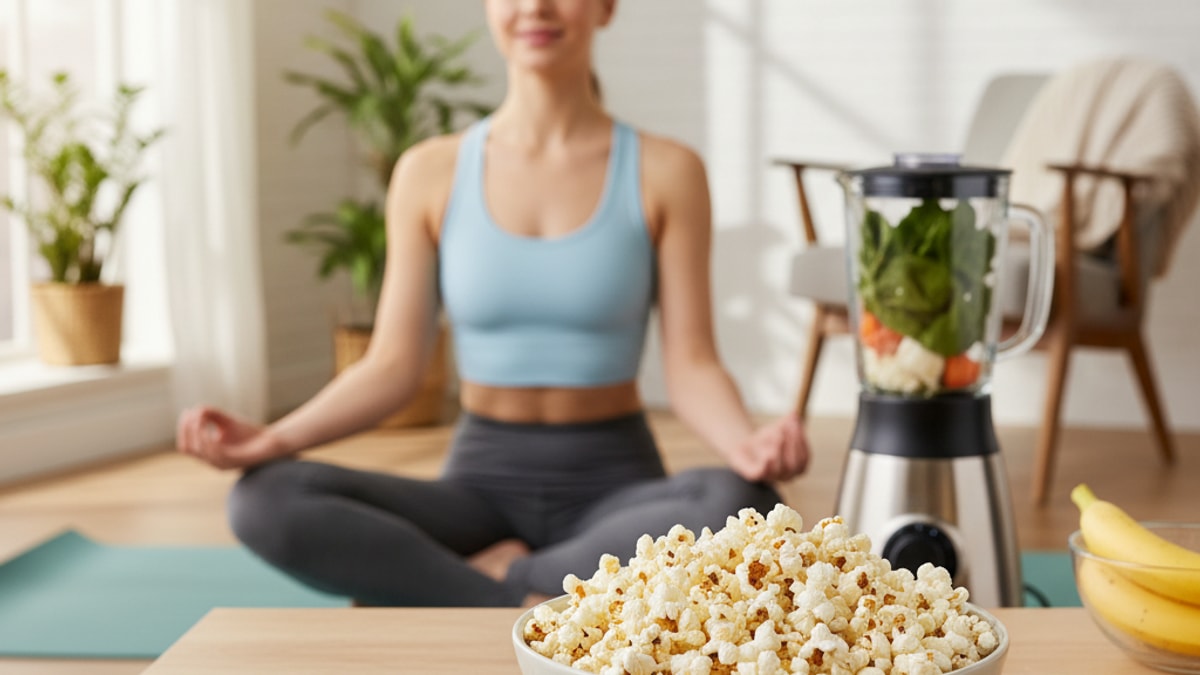
Let's talk about popcorn. It's the quintessential movie night companion, the familiar aroma wafting through fairs, and for many, a go-to snack. But when you’re serious about weight loss in 2026, every choice comes under scrutiny. The question we hear all the time from our patients is a simple one with a surprisingly complex answer: is popcorn good for weight loss? It’s a fantastic question, because it gets to the heart of what successful, sustainable weight management is all about—nuance, knowledge, and making smart choices, not just deprivation.
Here at TrimrX, our entire focus is on providing medically-supervised pathways to lasting weight loss, often incorporating powerful tools like GLP-1 medications. But we know that these treatments work best as part of a holistic lifestyle transformation. That transformation happens in the kitchen, in the gym, and in the small daily decisions you make. So, a snack like popcorn? It’s absolutely part of the conversation. Our team has spent years guiding people through these very questions, and we're here to give you the unvarnished, science-backed truth. It’s not about a simple yes or no. It’s about understanding the 'how' and the 'why'.
The Surprising Nutritional Profile of Popcorn
Before we dive into the pitfalls (and trust us, there are many), it’s critical to understand what popcorn is at its core. When you strip away all the modern-day additions, popcorn is simply a whole grain. That’s a huge deal.
Whole grains are nutritional powerhouses, and they're a critical, non-negotiable element of a healthy diet. Unlike refined grains, which have been stripped of their most valuable parts, whole grains like popcorn come complete with the bran, germ, and endosperm. This means you get the full package of benefits. The most significant of these for weight loss is fiber. A standard 3-cup serving of air-popped popcorn can pack around 3.5 grams of fiber. Why does our team obsess over fiber? Because it’s one of nature's best tools for weight management. Fiber slows down digestion, which helps stabilize blood sugar levels and, most importantly, promotes a feeling of fullness, or satiety. When you feel full and satisfied, you’re far less likely to overeat or reach for less healthy options later. It’s a simple equation that has a dramatic impact.
But the benefits don't stop there. Popcorn is surprisingly high in polyphenols, a type of antioxidant linked to better circulation and digestive health. While it won't replace your daily intake of fruits and vegetables, it's a noteworthy bonus from a snack food. And let's talk volume. Popcorn is what we call a high-volume, low-density food. You get to eat a visually large, satisfying portion for a relatively low number of calories. Three whole cups of plain, air-popped popcorn comes in at under 100 calories. That is a psychological win. It feels substantial. It satisfies the desire to crunch and munch without the catastrophic calorie load of potato chips or crackers. Simple, right?
Where Popcorn Goes Wrong: The Calorie Catastrophe
Okay, let's be brutally honest. The popcorn most people are eating isn't the wholesome, high-fiber snack we just described. Not even close. The moment oil, butter, sugar, and salt enter the picture, popcorn’s health halo shatters into a million greasy pieces. This is where a potential weight loss ally becomes an enemy.
Think about movie theater popcorn. That irresistible smell? It’s often the result of popping the kernels in coconut oil or other saturated fats and then drenching it in a buttery topping that may not even contain real butter. A large bucket can easily pack over 1,000 calories and more than 60 grams of fat—that's more than many people should consume in an entire day. It’s a nutritional disaster disguised as a treat. And the microwave bags you find at the grocery store aren’t much better. They are often lined with chemicals and loaded with hydrogenated oils, extreme levels of sodium, and artificial flavors. The convenience comes at a steep nutritional cost.
This is the critical distinction we can't stress enough. The preparation method changes everything. It's not the corn itself that's the problem; it's the company it keeps. To put this in perspective, our team put together a quick comparison. The numbers speak for themselves.
| Preparation Method | Serving Size | Estimated Calories | Estimated Fat (g) | Estimated Sodium (mg) | Fiber (g) |
|---|---|---|---|---|---|
| Air-Popped (Plain) | 3 Cups | 93 | 1.1 | 2 | 3.6 |
| Oil-Popped (Stovetop) | 3 Cups | 165 | 9 | 220 | 3.2 |
| Microwave (Butter) | 3 Cups | 192 | 11 | 350 | 3.0 |
| Movie Theater (Medium) | ~11 Cups | 630 | 34 | 400 | 11 |
| Caramel Corn (Store-bought) | 1 Cup | 240 | 4 | 150 | 2.0 |
Looking at that table, the difference is jarring. A simple switch from a standard microwave bag to air-popped popcorn can save you 100 calories and a significant amount of fat and sodium per serving. It's these small, consistent changes that compound over time to create real, lasting weight loss results.
So, Is Popcorn Good for Weight Loss? The TrimrX Verdict
So, we land back at our original question. And our official, expert answer is this: Yes, popcorn can be an excellent tool for weight loss, but only if you follow some very strict rules.
First, preparation is non-negotiable. You must be in control of how it's made. This means ditching the movie theater buckets and microwave bags in favor of air-popping or a very lightly oiled stovetop method. An air popper is a fantastic investment for anyone serious about healthy snacking. It uses hot air, and nothing else, to create a perfect, fluffy base. No oil needed.
Second, portion control is paramount. Because it’s a light, airy snack, it is deceptively easy to eat massive quantities without realizing it. We've all been there, mindlessly reaching into a giant bowl while watching a movie, only to find it empty. Our advice is simple but effective: never eat directly from the popper or the bag. Measure out a specific portion—three cups is a great starting point—put it in a bowl, and put the rest away. This single act of mindful portioning can prevent a 100-calorie snack from turning into a 500-calorie binge.
Finally, think of popcorn as one component of a much larger, comprehensive strategy. No single food will make or break your weight loss journey. Success comes from a consistent pattern of healthy eating, regular physical activity, and, for many, the support of a structured medical program. At TrimrX, we build personalized plans for our patients that integrate nutrition, lifestyle, and advanced medications like Semaglutide and Tirzepatide. In that context, a well-made bowl of popcorn isn't just a snack; it's a strategic choice that helps manage hunger and cravings, making the overall plan easier to stick to. It's about building a sustainable lifestyle, not a temporary diet.
How to Make Popcorn a Weight Loss Ally in 2026
Ready to do it right? Making popcorn a genuinely healthy snack is simple once you know the fundamentals. Our team has refined this down to a few key steps that we share with our patients.
Step 1: Get the Right Kernels. Start with high-quality, plain kernels. Look for organic and non-GMO options if you can. Yellow or white kernels are the most common, but you can also find blue or red varieties, which contain slightly different antioxidant profiles. The core nutrition, however, remains largely the same.
Step 2: Master Your Popping Method. As we've said, an air popper is the gold standard. It's foolproof and requires zero oil. If you don't have one, you can use the stovetop. Use a heavy-bottomed pot with a lid, add just a teaspoon or two of a high-smoke-point oil like coconut or avocado oil, and heat it over medium-high. Add a few kernels and wait for them to pop. Once they do, add the rest of your kernels in a single layer, cover, and gently shake the pot until the popping slows to one or two pops every few seconds.
Step 3: Reinvent Your Toppings. This is where the creativity comes in. The urge is to reach for melted butter and salt. Resist. You can achieve incredible flavor without the caloric fallout. A light spritz of olive oil or avocado oil spray can help seasonings stick. Then, explore the world of spices. Here are a few combinations our team loves:
- Cheesy (without cheese): Nutritional yeast is a game-changer. It has a savory, cheesy, nutty flavor and is packed with B vitamins. A tablespoon or two is all you need.
- Spicy & Smoky: A sprinkle of smoked paprika, chili powder, and a pinch of cumin.
- Sweet & Warm: A dash of cinnamon and a tiny bit of stevia or monk fruit sweetener for a kettle corn vibe without the sugar.
- Savory Herb: Garlic powder, onion powder, and dried oregano or basil.
Step 4: Practice Mindful Munching. Don't eat your perfectly prepared popcorn while distracted by your phone or computer. Sit down. Pay attention to the texture, the flavor, and your body's signals of fullness. This practice not only makes the snack more enjoyable but also reinforces a healthier relationship with food, which is foundational to long-term weight management.
Popcorn's Role in a Medically-Supervised Weight Loss Plan
Now, this is where it gets particularly interesting for the patients we work with. How does a snack like popcorn fit into a plan that includes powerful GLP-1 medications like Semaglutide or Tirzepatide? The answer is: remarkably well.
GLP-1s work by mimicking a natural hormone that signals fullness to the brain and slows down gastric emptying. This means patients feel full faster and stay full longer. Their appetite is significantly reduced. In this new state, every calorie has to count, and managing cravings is still a real factor. The desire for something crunchy, salty, or simply the habitual action of snacking doesn't just disappear overnight. This is where a high-volume, high-fiber, low-calorie snack like air-popped popcorn becomes an incredibly valuable tool.
It allows a person to satisfy that hand-to-mouth craving and enjoy a substantial-feeling snack without consuming a lot of calories, which is ideal when your overall appetite is lower. The high fiber content also works synergistically with the effects of the medication, promoting satiety and digestive regularity. It helps our patients navigate social situations, like a family movie night, without feeling deprived or derailing the incredible progress they're making. It’s about learning a new way of eating that can be sustained long after they've reached their goals. Managing these new eating patterns is something we guide our patients through every single day. If you're ready to explore a comprehensive approach that combines medical science with practical lifestyle support, we're here to help. You can Start Your Treatment Now and begin your own journey.
The Psychological Edge: Why a 'Good' Snack Matters
We can't overstate the psychological component of weight loss. It's a formidable, often moving-target objective. A common reason diets fail is the feeling of extreme restriction. When you believe all your favorite foods are off-limits forever, it creates a mindset of deprivation that can easily lead to burnout, bingeing, and ultimately, quitting.
This is why finding healthy swaps and 'safe' treats is so powerful. Air-popped popcorn provides a massive psychological boost. It feels like a treat. It's warm, it's crunchy, it's satisfying. It allows you to participate in social rituals centered around food without feeling like an outcast. This isn't trivial; it's a critical part of building a positive and sustainable relationship with food.
Our experience shows that the most successful patients are not the ones who are the most restrictive, but the ones who become the most creative and resourceful. They learn to make delicious, healthy versions of the foods they love. They find joy in nourishing their bodies. Popcorn, when prepared correctly, is a perfect example of this principle in action. It’s a symbol of smart substitution over painful elimination, and that mindset is the secret to winning the long game.
So, when you ask if popcorn is good for weight loss, the real answer lies with you. It’s not about the corn. It’s about your method, your portion size, and your mindset. Armed with the right information, this humble whole grain can absolutely be a trusted partner on your path to a healthier life. It's about making informed choices, and our team at the TrimrX Blog is committed to providing you with the expert guidance you need to make them confidently.
Frequently Asked Questions
How many calories are in a typical serving of air-popped popcorn?
▼
A generous three-cup serving of plain, air-popped popcorn contains just under 100 calories, making it a very low-calorie-density snack. This allows you to eat a satisfying volume of food without a significant caloric impact.
Is pre-packaged microwave popcorn healthy for weight loss?
▼
Generally, no. Our team advises against most commercial microwave popcorns. They are often high in unhealthy fats, sodium, and artificial ingredients, which can sabotage weight loss efforts. Air-popping your own kernels is a much healthier choice.
Can I eat popcorn every day on a weight loss plan?
▼
Yes, if it’s plain, air-popped, and portion-controlled, it can fit into a daily plan. However, dietary variety is key. We recommend rotating your snacks to ensure you’re getting a wide range of nutrients from different sources.
What is a good portion size for popcorn when trying to lose weight?
▼
We recommend starting with a measured portion of about three cups. This amount is visually satisfying and provides a good amount of fiber for under 100 calories. Avoid eating directly from a large bag or bowl to prevent mindless overconsumption.
Is kettle corn a good choice for weight loss?
▼
Unfortunately, traditional kettle corn is not ideal for weight loss as it’s coated in both oil and sugar, significantly increasing its calorie and sugar content. You can make a healthier version at home using a tiny bit of oil and a zero-calorie sweetener like stevia or monk fruit.
Does popcorn make you feel bloated?
▼
For some people, the high fiber content in a large portion of popcorn can cause temporary bloating or gas. If you experience this, try starting with a smaller serving size and ensure you’re drinking plenty of water throughout the day.
Is popcorn a better snack than potato chips for weight loss?
▼
Absolutely. A serving of air-popped popcorn is a whole grain, higher in fiber, and significantly lower in calories and fat compared to a serving of fried potato chips. It’s a much smarter choice for satisfying a crunchy, salty craving.
How can I add flavor to popcorn without adding calories from butter?
▼
Nutritional yeast is a fantastic option for a cheesy flavor. You can also use spices like smoked paprika, garlic powder, onion powder, chili powder, or cinnamon. A very light mist of olive oil spray can help the seasonings stick.
Can popcorn help with cravings when I’m on a GLP-1 medication like Semaglutide?
▼
Yes, it can be an excellent tool. Since GLP-1s reduce appetite, a high-volume, low-calorie snack like popcorn can satisfy the psychological need to snack and the craving for crunchiness without adding many calories, which aligns perfectly with the medication’s effects.
Is ‘Smartfood’ white cheddar popcorn a healthy choice?
▼
While it may be slightly better than some alternatives, pre-packaged flavored popcorns like Smartfood are still processed snacks with added fat, sodium, and dairy. Air-popping your own and adding nutritional yeast is a far healthier and more controlled option.
What’s the best oil for making stovetop popcorn?
▼
If you use oil, you need one with a high smoke point. We recommend a small amount of avocado oil, coconut oil, or ghee. Avoid oils with low smoke points like extra virgin olive oil, which can burn and create unhealthy compounds.
Does popcorn have any protein?
▼
It does! While it’s primarily a source of carbohydrates and fiber, a three-cup serving of popcorn contains about 3 grams of protein. It contributes a small but helpful amount to your daily protein intake.

Transforming Lives, One Step at a Time
Keep reading

Do You Need a Prescription for GLP-1s? The 2026 Answer
Wondering ‘do you need a prescription for glp 1’ in 2026? Yes. We explain why a doctor’s oversight is critical for safe, effective results.

How to Get GLP-1 Covered By Insurance: Our 2026 Playbook
Struggling with how to get glp-1 covered by insurance? Our 2026 guide breaks down prior authorizations, appeals, and documentation.

Traveling with GLP-1s in 2026: Your Essential Trip-Proof Plan
Don’t let travel disrupt your GLP-1 treatment. Learn how to travel with glp 1 medications safely and stress-free in our 2026 expert guide.


