Is Quinoa Good for Weight Loss? A Biotech Team’s Unflinching Look
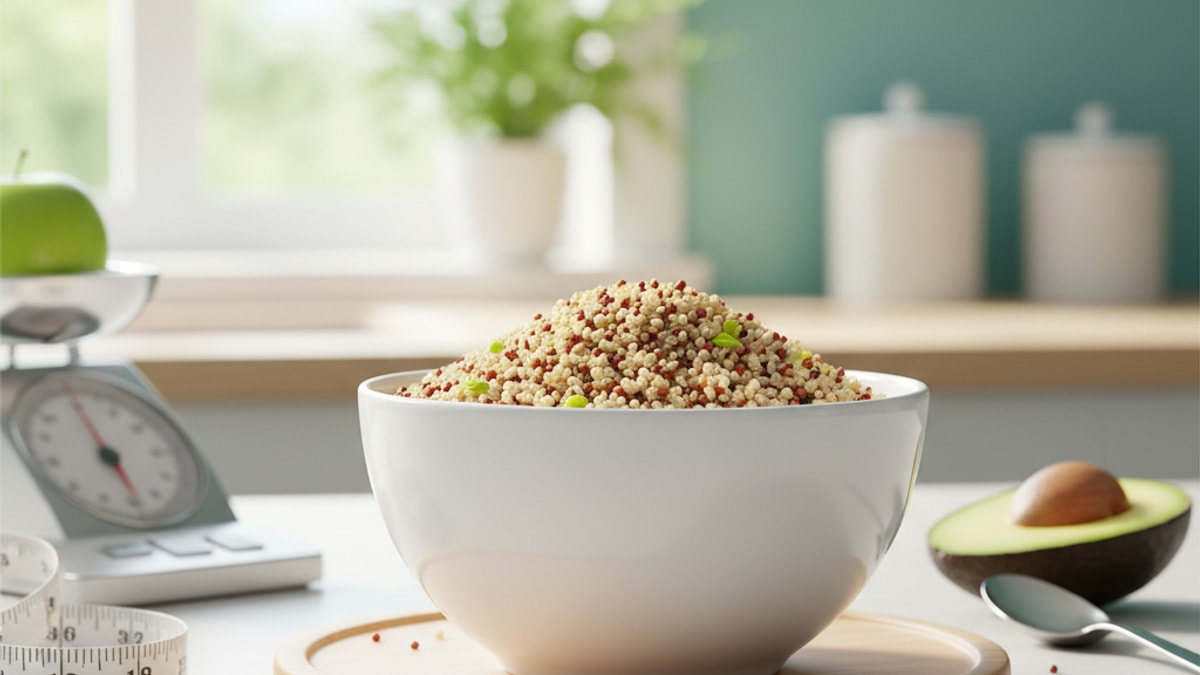
We get this question a lot. In a world sprawling with diet trends and so-called 'superfoods,' it’s becoming increasingly challenging to separate nutritional fact from marketing fiction. You’re trying to make smart choices for your health and your weight, and right there in the health food aisle, you see it: quinoa. It's touted as a miracle food, a perfect carb, the key to unlocking your weight loss goals. But is it really?
Let’s be honest, the conversation around food and weight loss can be exhausting. As a team deeply rooted in the biotechnology of metabolic health, we’ve seen firsthand how crucial the right nutritional strategy is. It’s not just about calories in and calories out. It’s about satiety, hormonal response, and creating a sustainable lifestyle. So, when we talk about a food like quinoa, we’re not just looking at the label. We’re looking at its physiological impact. And our answer to the question, 'Is quinoa good for weight loss?' is a resounding, but nuanced, yes. It can be an incredibly powerful ally, but only if you understand how to use it correctly.
So, What's the Real Story on Quinoa?
First things first, let's clear up a common misconception. Quinoa (pronounced 'keen-wah') is often lumped in with grains like rice and barley, but botanically speaking, it's a seed. It’s what’s known as a pseudocereal. This distinction matters because its nutritional profile is fundamentally different from many of the refined grains that can sabotage weight loss efforts. It has been cultivated for thousands of years in the Andes region of South America, where it was so valued by the Incas that they called it 'the mother of all grains.'
Its recent explosion in popularity isn't just hype. There's real substance behind its reputation. It’s naturally gluten-free, which is a bonus for those with sensitivities, but its true power for weight management lies in a unique combination of macronutrients and micronutrients that work synergistically to support your body's metabolic processes. It’s not magic. It’s just good science. And understanding that science is the first step to leveraging it effectively in your own journey.
The Nutritional Powerhouse: Why Quinoa Stands Out
When our medical team analyzes a food for its role in a weight management plan, we look at a few key metrics: protein content, fiber quality, glycemic impact, and micronutrient density. Quinoa doesn't just pass these tests; it excels. It's a formidable nutritional asset.
Let's break it down.
One of the most significant advantages of quinoa is its status as a complete protein. This is a big deal. Most plant-based foods are 'incomplete' proteins, meaning they lack one or more of the nine essential amino acids our bodies can't produce on their own. Quinoa contains all nine, putting it on par with animal sources like meat and eggs. For weight loss, this is a critical, non-negotiable element. Protein is the most satiating macronutrient; it helps you feel fuller for longer, which naturally leads to a reduction in overall calorie intake. It's not about willpower; it's about managing hunger signals effectively. Furthermore, adequate protein intake is crucial for preserving lean muscle mass during a calorie deficit. You want to lose fat, not muscle, and protein is your best friend in that endeavor.
Then there’s the fiber. Oh, the fiber. We can't stress this enough: fiber is a weight loss superhero. A single cooked cup of quinoa packs over 5 grams of it. This isn't just any fiber; it's a potent mix of both soluble and insoluble types. The insoluble fiber adds bulk, aiding digestion and promoting regularity, while the soluble fiber forms a gel-like substance in your stomach. This process dramatically slows down the absorption of sugar into your bloodstream, which is a game-changer for metabolic health. It prevents the sharp spikes and subsequent crashes in blood sugar that trigger intense cravings for sugary, high-carb foods. Stable blood sugar means stable energy and fewer desperate trips to the vending machine.
This leads directly to another one of quinoa's secret weapons: its low glycemic index (GI). The glycemic index is a measure of how quickly a food raises blood glucose levels. High-GI foods like white bread and sugary snacks cause a rapid surge in blood sugar, prompting a large insulin release. Insulin's job is to shuttle that sugar out of the blood, and when there's an excess, it stores it as fat. Quinoa has a GI of around 53, which is considered low. This means it provides a slow, steady release of energy without the dramatic hormonal rollercoaster. That’s the key. You get sustained energy for your day and your workouts, without your body being constantly flooded with fat-storage signals.
Quinoa vs. Other Carbs: A Head-to-Head Comparison
Seeing the numbers side-by-side often provides the clearest picture. Our experience shows that making simple, strategic swaps can lead to a significant, sometimes dramatic shift in results. It's not about eliminating carbs; it's about choosing better ones. Let's see how quinoa stacks up against some common staples.
| Nutrient (per 1 cup cooked) | Quinoa | White Rice | Brown Rice | Whole Wheat Pasta |
|---|---|---|---|---|
| Calories | ~222 | ~205 | ~216 | ~174 |
| Protein (grams) | 8.1 g | 4.3 g | 5.0 g | 7.5 g |
| Fiber (grams) | 5.2 g | 0.6 g | 3.5 g | 6.3 g |
| Glycemic Index (GI) | ~53 | ~73 | ~68 | ~48 |
| Key Feature | ✅ Complete Protein | ❌ Low Fiber | ✅ Some Fiber | ❌ Incomplete Protein |
What does this table tell us? While pasta might be lower in calories and higher in fiber, it lacks the complete protein profile of quinoa. And compared to both white and brown rice, quinoa is the undisputed champion in both protein and fiber content while boasting a much friendlier glycemic index. This isn’t to say you can never eat rice again, but it illustrates why quinoa is such a powerful tool for anyone focused on weight loss and metabolic health. It simply gives you more nutritional bang for your caloric buck.
How Quinoa Actually Supports Weight Loss Efforts
Now, this is where it gets interesting. Knowing the nutritional stats is one thing, but understanding how they translate into real-world results is what matters. The synergy between quinoa's components creates a multi-pronged attack on the challenges of weight loss.
First and foremost is satiety and appetite regulation. This is the cornerstone. The one-two punch of high protein and high fiber is incredibly effective at managing hunger. When you eat a meal centered around quinoa, you're not just filling your stomach; you're sending powerful signals to your brain that you are full and satisfied. Our team has found that patients who incorporate foods like quinoa into their diets report feeling less 'snacky' and have an easier time adhering to their caloric goals. It helps you move from a mindset of restriction to one of nourishment. You eat less because you feel full, not because you're forcing yourself to.
Next is metabolic optimization. Stable blood sugar is everything. The relentless cycle of sugar spikes and crashes not only leads to cravings but also promotes inflammation and insulin resistance over time—two major barriers to weight loss. By providing a slow-burning source of carbohydrates, quinoa helps keep your insulin levels stable. This creates a physiological environment that is more conducive to burning stored fat for energy, rather than storing new fat from excess blood sugar. This is particularly relevant for individuals in our medically-supervised programs, as maintaining stable blood glucose is synergistic with how GLP-1 medications like Semaglutide and Tirzepatide work to regulate appetite and metabolic function.
Finally, let's talk about fueling an active lifestyle. You can't out-exercise a bad diet, but exercise is a critical component of sustainable weight loss. To have the energy to work out effectively, you need quality carbohydrates. Quinoa provides the complex carbs necessary for sustained energy release, powering you through a workout without the crash that can come from simpler sugars. More effective workouts mean more calories burned and more muscle built, which in turn boosts your resting metabolic rate. It’s a powerful, positive feedback loop.
Common Mistakes We See People Make with Quinoa
Here’s a dose of reality. Just because quinoa is healthy doesn't mean it's a magic wand. Our team has seen people incorporate it into their diets without seeing results, and it almost always comes down to a few common, correctable errors.
Portion Distortion is Public Enemy #1.
Yes, quinoa is nutrient-dense, but it's also calorie-dense. A single cup has over 200 calories. If you're treating it like a 'free' food and piling your plate high, you can easily consume hundreds of extra calories without realizing it. We recommend using a measuring cup, at least initially. A typical serving size is about half a cup to one cup (cooked), depending on your overall calorie and macronutrient targets. Be mindful.
Another major issue is what we call The Topping Trap. Quinoa itself has a mild, nutty flavor, which makes it a fantastic canvas for other ingredients. Unfortunately, that can be its downfall. Drowning your quinoa bowl in creamy, high-fat dressings, excessive amounts of cheese, or sugary sauces completely negates its benefits. You can easily turn a 300-calorie healthy meal into a 900-calorie diet disaster. Focus on pairing it with lean proteins (like grilled chicken or chickpeas), tons of vegetables, and a light, healthy fat-based dressing like a vinaigrette made with olive oil and lemon juice.
Lastly, there's the pitfall of nutritional isolation. No single food can make or break your weight loss journey. We've seen clients who eat quinoa religiously but continue to consume processed snacks, sugary drinks, and oversized portions at other meals. Quinoa is a tool, a powerful one, but it has to be part of a holistic, balanced approach. It works best when it replaces less nutritious options (like white rice or refined pasta) within an overall framework of healthy eating, regular physical activity, and, for many, a structured support system.
Integrating Quinoa into a Modern Weight Loss Plan
So, how do you make this work in a real, demanding life? It’s easier than you think. Quinoa is incredibly versatile. You don't have to eat it plain.
Here are some practical ideas our team often suggests:
- Breakfast Power Bowl: Start your day with a bowl of cooked quinoa instead of oatmeal. Top it with berries, a sprinkle of nuts, and a dash of cinnamon for a high-protein, high-fiber breakfast that will keep you full until lunch.
- The Salad Upgrade: Add half a cup of chilled, cooked quinoa to any salad. It adds a satisfying texture and a substantial boost of protein and fiber, turning a light side salad into a genuinely filling main course.
- A Smarter Side Dish: Simply swap out white rice or potatoes with quinoa alongside your favorite lean protein and roasted vegetables. It’s an effortless way to upgrade the nutritional quality of your dinner.
- In Soups and Stews: Stir some quinoa into your favorite soup or chili during the last 15-20 minutes of cooking. It will thicken the broth and add a fantastic nutritional punch.
For many people, these dietary adjustments are enough to kickstart their progress. But for others, especially those with significant weight to lose or underlying metabolic challenges, diet and exercise alone feel like an uphill battle. This is where a modern, scientific approach becomes essential. The principles of eating foods like quinoa—focusing on satiety and blood sugar control—are magnified when combined with a medically-supervised plan.
At TrimrX, our entire philosophy is built on using advanced biotechnology to support your body's own systems. Treatments involving GLP-1 medications are designed to work on the very same pathways that high-fiber, high-protein foods influence: appetite signaling in the brain and glucose regulation. By pairing a smart nutritional strategy that includes powerhouses like quinoa with a medical treatment plan, you create an environment where your body is primed for success. If you've been struggling to see results and feel like you need a more comprehensive strategy, it might be time to see if a medical approach is right for you. You can learn more when you Take Quiz on our site.
Ultimately, quinoa isn’t a quick fix. It's a strategic choice. It’s about arming your body with the high-quality fuel it needs to function optimally while you work towards your goals. It’s a simple swap that, when done consistently and correctly, can pay massive dividends for your health and your waistline.
Think of it this way: building a healthy lifestyle is like building a house. You need a solid foundation, quality materials, and a smart blueprint. Quinoa is one of those quality materials. It's a durable, reliable, and highly effective component. But it’s just one part. The overall success depends on the entire structure—your total diet, your activity level, your sleep, and your stress management. When all those pieces come together, you build something that lasts. If you're ready to start building that comprehensive blueprint for your health, our team is here to provide the architectural plans and the advanced tools to make it happen. You can Start Your Treatment Now and take control of your journey.
Frequently Asked Questions
How much quinoa should I eat per day for weight loss?
▼
There’s no magic number, as it depends on your total daily calorie needs. Our team generally recommends starting with a serving of one-half to one cup (cooked) per meal as a carbohydrate source. It’s more about replacing less nutrient-dense carbs than hitting a specific daily quinoa quota.
Can quinoa make you gain weight?
▼
Absolutely. Like any food, quinoa contains calories. If you eat it in excessive amounts or cover it in high-calorie sauces and dressings, it can contribute to weight gain. Portion control is absolutely essential, even with healthy foods.
Is red, white, or black quinoa better for weight loss?
▼
The nutritional differences between the colors are quite minimal. White quinoa tends to be the fluffiest, while red and black varieties are a bit chewier and hold their shape better in salads. We say choose the one you enjoy the most, as consistency is more important than the minor variations.
Does quinoa have a lot of carbs?
▼
Yes, quinoa is a carbohydrate source, with about 39 grams per cooked cup. However, it’s a ‘complex’ carbohydrate rich in fiber, which means it’s digested slowly and doesn’t spike your blood sugar like refined carbs. It’s the quality of the carb that matters most for weight management.
Is quinoa okay to eat on a low-carb or keto diet?
▼
For a strict ketogenic diet, quinoa is generally too high in carbohydrates. However, for a more moderate low-carb diet, a small portion of quinoa can sometimes be incorporated strategically due to its high fiber and protein content. It’s very context-dependent on your specific carb limit.
Do I need to rinse quinoa before cooking?
▼
Yes, we strongly recommend it. Quinoa has a natural coating called saponin, which can taste bitter or soapy. A thorough rinse in a fine-mesh sieve under running water removes the saponin and results in a much better flavor.
Is quinoa better than oatmeal for weight loss?
▼
Both are excellent choices. Quinoa has the edge in protein, as it’s a complete protein, while oatmeal (especially steel-cut) is very high in soluble fiber. Our team suggests rotating between them to get a variety of nutrients and benefits.
How can I make quinoa taste less bland?
▼
The key is to treat it like pasta or rice. Cook it in broth (vegetable or chicken) instead of water to infuse it with flavor from the start. After cooking, toss it with herbs, spices, a squeeze of lemon juice, and a little olive oil.
Can I eat quinoa every day?
▼
You certainly can, but variety is always best for a balanced diet. Eating quinoa daily is safe and healthy, but we encourage rotating it with other nutrient-dense carb sources like sweet potatoes, legumes, and other whole grains to ensure a wider range of micronutrients.
Is quinoa inflammatory?
▼
Quite the opposite. Quinoa is rich in antioxidants and anti-inflammatory phytonutrients. Its high fiber content and ability to stabilize blood sugar also contribute to an overall anti-inflammatory dietary pattern, which is beneficial for weight loss and overall health.
Why is quinoa considered a ‘complete protein’?
▼
A complete protein contains all nine of the essential amino acids that the human body cannot produce on its own. Most plant-based foods are missing one or more of these, but quinoa is a rare exception, making it an incredibly valuable protein source, especially for those on plant-based diets.
Does quinoa help with belly fat specifically?
▼
No food can ‘spot reduce’ fat from a specific area like the belly. However, quinoa’s combination of high protein, fiber, and low GI helps create a calorie deficit and improve insulin sensitivity. These factors contribute to overall fat loss, which will include belly fat.

Transforming Lives, One Step at a Time
Keep reading

Do You Need a Prescription for GLP-1s? The 2026 Answer
Wondering ‘do you need a prescription for glp 1’ in 2026? Yes. We explain why a doctor’s oversight is critical for safe, effective results.

How to Get GLP-1 Covered By Insurance: Our 2026 Playbook
Struggling with how to get glp-1 covered by insurance? Our 2026 guide breaks down prior authorizations, appeals, and documentation.

Traveling with GLP-1s in 2026: Your Essential Trip-Proof Plan
Don’t let travel disrupt your GLP-1 treatment. Learn how to travel with glp 1 medications safely and stress-free in our 2026 expert guide.


