Is Ramen Good for Weight Loss? Our 2026 Medical Take
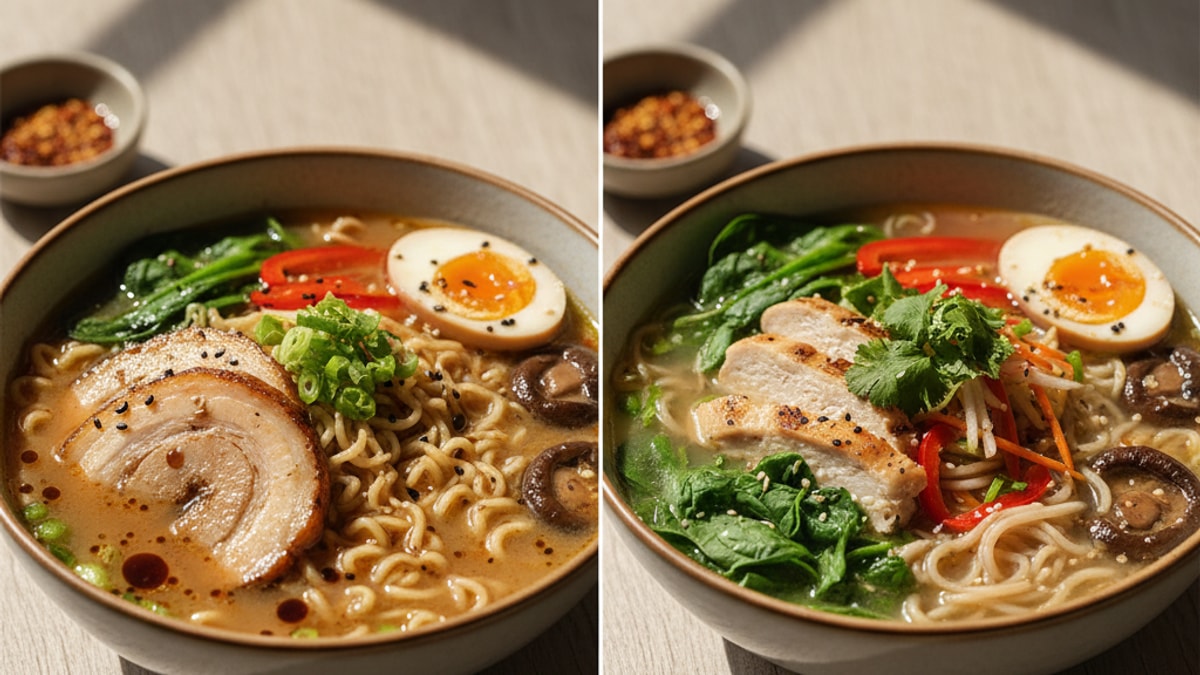
It's a cold evening in 2026, and the craving hits. Not just for any food, but for something deeply comforting, savory, and warm. You're thinking about a steaming bowl of ramen. But then, the other voice kicks in—the one that's tracking calories, monitoring macros, and asking the question that brought you here: is ramen good for weight loss?
Let’s be direct. The answer isn't a simple yes or no. It's a classic 'it depends,' and what it depends on is far more nuanced than just the calorie count on a package. As a team dedicated to medically-supervised weight loss, we’ve seen countless patients struggle with this exact dilemma. They're trying to do everything right, but the modern food environment makes it incredibly challenging. The real conversation isn't about a single bowl of noodles; it's about biology, strategy, and understanding what's actually happening inside your body. So, let's unpack this together.
Let's Be Honest: The Instant Ramen Problem
First, we have to talk about the elephant in the room: the ubiquitous, cellophane-wrapped block of instant ramen. It's cheap, it's fast, and for many, it's a nostalgic staple. Unfortunately, from a weight loss and overall health perspective, it's a formidable opponent.
Our team can't stress this enough: standard instant ramen is engineered for shelf life and flavor intensity, not nutritional value. The noodles are typically made from refined wheat flour, which has been stripped of its fiber and nutrients. They are then flash-fried, a process that loads them with saturated and trans fats to speed up cooking time. This combination creates a food product that's incredibly high in calories and refined carbohydrates for a relatively small, unsatisfying portion. The result? A rapid spike in blood sugar, followed by a crash that leaves you feeling hungry again surprisingly quickly. It's a vicious cycle.
And then there's the infamous flavor packet. It's a veritable sodium bomb. A single serving of instant ramen can contain upwards of 1,800 milligrams of sodium—that's more than 80% of the recommended daily intake for an adult. This catastrophic sodium load leads to significant water retention, which can make you feel bloated and discouraged. You might see the number on the scale jump up overnight, and while it's just water weight, it's a psychological blow that can derail motivation. It’s a classic example of how a food can sabotage your efforts in more ways than one.
Deconstructing the Bowl: Calories, Carbs, and Sodium
To truly understand the impact, we need to look closer at the numbers. A typical package of instant ramen clocks in at around 400-500 calories. On the surface, that might not seem catastrophic; you could theoretically fit it into a calorie-controlled diet. But the quality of those calories is where the problem lies.
The vast majority come from refined carbohydrates and unhealthy fats. There's minimal protein and virtually no fiber—the two key macronutrients responsible for satiety, that feeling of fullness and satisfaction after a meal. This is a critical failure. Foods that don't make you feel full are the enemy of sustainable weight loss. You eat the ramen, your body burns through the simple carbs, and an hour later, your hunger hormones are screaming for more food. It's a recipe for overeating.
This isn't just about willpower. It's biology. When you consume a meal high in refined carbs and low in protein and fiber, you're setting off a hormonal cascade. Your body releases a surge of insulin to manage the blood sugar spike. Consistent insulin spikes can, over time, contribute to insulin resistance, a condition that makes it significantly harder for your body to lose fat, particularly around the midsection. So while you're focused on the calories, your body is fighting a much more complex hormonal battle. It’s a moving-target objective, and just counting calories isn't enough to win.
But What About "Real" Ramen? A Glimmer of Hope
Now, let's pivot from the instant packet to the artisanal bowl you'd find at a dedicated ramen shop. This is where the conversation gets more interesting. Can this kind of ramen be part of a weight loss journey? Possibly.
Authentic ramen often features a broth that has been simmered for hours, sometimes days. A high-quality shio (salt-based) or shoyu (soy-sauce-based) broth can be relatively low in fat and calories. A rich bone broth, like tonkotsu, is a different story—it's creamy, delicious, and loaded with fat and calories. However, it also contains collagen and gelatin, which some studies suggest can support joint health and satiety. The protein is also a significant upgrade. Instead of a dusty flavor packet, you're getting real toppings like a soft-boiled egg (ajitama), slices of grilled chicken or pork (chashu), or tofu. These additions provide valuable protein that helps with muscle maintenance and fullness.
But even in this elevated form, pitfalls remain. The noodles are still typically made from refined wheat. The sodium levels, while often lower than in instant ramen, can still be astronomically high, especially in miso or tonkotsu broths. Portion sizes in restaurants are often massive, delivering a calorie load far greater than you might assume. So, while it's a step up, it's not an automatic green light. It still requires a strategic approach.
The TrimrX Philosophy: Why 'Good' vs. 'Bad' Foods Misses the Point
This brings us to a core part of our philosophy at TrimrX. The endless debate over whether a food is 'good' or 'bad' is fundamentally flawed and, honestly, counterproductive. It creates a cycle of restriction, guilt, and eventual rebellion. The real key to sustainable weight loss isn't found in demonizing specific foods but in understanding and rebalancing your own unique body chemistry.
Our experience shows that for many people, especially those who have struggled with weight for years, the issue isn't a lack of knowledge about calories or a failure of willpower. The challenge is biological. Their bodies have developed metabolic adaptations and hormonal imbalances that make weight loss feel like an uphill battle in a blizzard. Their appetite signals are dysregulated. Their insulin response is sluggish. They are fighting their own physiology every single day.
This is precisely where modern medical advancements come in. The treatments we specialize in, like FDA-approved GLP-1 medications such as Semaglutide and Tirzepatide, don't just tell you to eat less. They work with your body's own systems to fundamentally change the game. GLP-1s help regulate blood sugar, slow down digestion so you feel fuller for much longer, and reduce the 'food noise'—the constant, intrusive thoughts about eating. They restore balance. When your biology is working with you instead of against you, making a smarter choice about that ramen bowl isn't a monumental act of self-deprivation. It's simply a choice.
It allows you to move from a mindset of 'I can't have that' to 'How can I make this work for me?' And that shift is everything.
How to Build a Weight-Loss-Friendly Ramen Bowl
So, with a balanced system as your foundation, how do you make ramen work? You deconstruct the bowl and rebuild it with intention. It's about making strategic swaps that boost nutrients and satiety while cutting down on the empty calories, fat, and sodium.
This approach (which we've refined over years) delivers real results. It’s not about deprivation; it’s about optimization. Here’s a direct comparison of how you can upgrade your bowl:
| Component | Standard Choice | Smarter Swap | Why It Matters |
|---|---|---|---|
| Noodles | Fried, refined wheat noodles | Soba noodles, whole wheat ramen, or even spiralized zucchini ('zoodles') | Boosts fiber content, which slows digestion, improves satiety, and provides a more stable energy release without the blood sugar spike. |
| Broth | Creamy tonkotsu or salty miso paste base | Low-sodium chicken or vegetable broth; clear shio broth | Drastically cuts down on saturated fat and sodium. You can add flavor with ginger, garlic, and a splash of low-sodium soy sauce. |
| Protein | Fatty chashu pork belly | Sliced grilled chicken breast, firm tofu, edamame, or a soft-boiled egg | Lean protein is a non-negotiable element for weight loss. It builds muscle, revs metabolism, and is the most satiating macronutrient. |
| Toppings | Corn, bamboo shoots | Bok choy, spinach, bean sprouts, shiitake mushrooms, shredded carrots, nori | Loading up on non-starchy vegetables adds immense volume, fiber, and micronutrients for very few calories, making the meal far more filling. |
Building your bowl this way transforms ramen from a diet-wrecker into a genuinely nutritious and satisfying meal. You're getting a fantastic balance of protein, fiber, and complex carbohydrates. It's a meal that supports your goals, not one that works against them.
The Bigger Picture: Ramen in a Sustainable 2026 Weight Loss Plan
One meal will never make or break your progress. It's the patterns, repeated over weeks and months, that determine your results. Can a strategically built ramen bowl fit into your plan? Absolutely. Can a weekly habit of instant ramen loaded with sodium and fat fit? It's highly unlikely to serve you well.
True, sustainable weight loss in 2026 is about creating a lifestyle that you don't need a vacation from. It involves enjoying food—including comfort foods—in a way that aligns with your health. This is the kind of sustainable planning we help our patients achieve every single day. By using medical tools to regulate their underlying biology, they gain the freedom and control to build healthy habits that last. They learn to listen to their body's true hunger and satiety signals, not the ones driven by hormonal chaos. If that sounds like the support you've been looking for, you can Start Your Treatment Now to see how our programs work.
Think of it this way: a healthy lifestyle should have room for a delicious, satisfying bowl of ramen. The goal is to ensure that bowl is thoughtfully constructed and part of a broader nutritional strategy that includes a variety of whole foods, lean proteins, and healthy fats. It's about balance, not perfection.
Beyond the Bowl: The Role of Medical Guidance in Lasting Change
We've all seen it happen, right? Someone tries a new diet, loses some weight through sheer grit and determination, only to have it all come roaring back the moment they relax their guard. This isn't a personal failing. It's a predictable biological response.
The body is designed for survival, and it perceives significant weight loss as a threat. In response, it can slow your metabolism and increase hunger hormones, a phenomenon known as metabolic adaptation. This makes long-term weight maintenance incredibly difficult with diet and exercise alone. It’s why so many people feel like they have to work twice as hard just to maintain their results.
This is where a medically-supervised approach becomes not just helpful, but essential. We're no longer in an era where 'eat less, move more' is the only advice available. We now have a deep understanding of the metabolic and hormonal factors that govern body weight. Treatments that address these factors directly provide a powerful advantage. They help counteract metabolic adaptation and keep hunger in check, providing a stable biological foundation upon which you can build lasting, healthy habits.
So, the next time you're craving ramen, don't just ask if it's 'good' or 'bad.' Ask a better question: 'How can I make this meal serve my long-term health and weight loss goals?' By focusing on smart swaps, prioritizing protein and fiber, and—most importantly—addressing your underlying biology, you can absolutely enjoy a delicious bowl of noodles without derailing your progress. It's about working smarter, not just trying harder.
Frequently Asked Questions
Can I eat instant ramen once a week and still lose weight?
▼
While a single meal won’t ruin your progress, making instant ramen a weekly habit is not ideal. Its high sodium, unhealthy fats, and refined carbs can hinder weight loss and lead to water retention. We recommend opting for a homemade, healthier version instead.
Are rice noodles a better choice than ramen noodles for weight loss?
▼
Rice noodles can be a slightly better option as they are often not fried, reducing fat content. However, they are still a refined carbohydrate. For a more significant nutritional upgrade, our team suggests soba (buckwheat) noodles or whole-wheat noodles for their higher fiber content.
Does the high sodium in ramen cause actual fat gain?
▼
High sodium doesn’t directly cause fat gain, but it leads to significant water retention. This can increase the number on the scale, which is often discouraging. Consistently high sodium intake can also impact blood pressure and overall cardiovascular health.
How many calories are in a typical restaurant bowl of tonkotsu ramen?
▼
A restaurant serving of rich, creamy tonkotsu ramen can be surprisingly high in calories, often ranging from 800 to over 1,200 calories. This is due to the fatty broth, large noodle portion, and toppings like chashu pork.
What is the lowest calorie type of ramen broth?
▼
Generally, clear broths are the lowest in calories. A shio (salt-based) or shoyu (soy-sauce-based) broth will be significantly lighter than a creamy tonkotsu (pork bone) or miso broth. Always ask for a vegetable-based broth if available.
Is it better to use only half of the ramen flavor packet?
▼
Using less of the flavor packet is a simple way to reduce your sodium intake, which is a positive step. However, it doesn’t change the fact that the noodles themselves are typically fried and made from refined flour. It’s a minor improvement on a fundamentally poor nutritional choice.
Can adding an egg to instant ramen make it healthy?
▼
Adding an egg is a great way to introduce some much-needed protein, which improves satiety. While it makes the meal *better*, it doesn’t magically negate the high sodium and refined carbs of the noodles and broth. It’s a good hack, but a fully homemade bowl is far superior.
How do GLP-1 medications help with food choices like eating ramen?
▼
GLP-1 treatments, like those we use at TrimrX, help regulate appetite and reduce ‘food noise.’ This gives you the mental clarity and biological control to choose a healthier, modified ramen bowl over a less healthy one, without feeling deprived or battling intense cravings.
Are ‘baked’ instant noodles a healthier option?
▼
Yes, baked (non-fried) instant noodles are a better choice than their fried counterparts as they are significantly lower in unhealthy fats. They are still made of refined flour, so pairing them with a lean protein and lots of vegetables is key to making them a balanced meal.
What are some healthy, low-carb noodle alternatives for ramen?
▼
For a very low-carb option, spiralized zucchini (‘zoodles’) or shirataki noodles are excellent choices. They provide the texture of noodles with minimal calories and carbs, allowing you to load up on nutritious broth, protein, and vegetables.
Can children eat instant ramen regularly?
▼
We strongly advise against children eating instant ramen regularly. Their developing bodies need nutrient-dense foods, and the extremely high sodium content is particularly concerning for their smaller systems. It should be considered a rare treat, not a meal staple.
Does drinking a lot of water after eating ramen help?
▼
Drinking plenty of water can help your body flush out the excess sodium more efficiently and can mitigate some of the bloating. However, it doesn’t undo the metabolic effects of consuming a large amount of refined carbohydrates and unhealthy fats.

Transforming Lives, One Step at a Time
Keep reading

Do You Need a Prescription for GLP-1s? The 2026 Answer
Wondering ‘do you need a prescription for glp 1’ in 2026? Yes. We explain why a doctor’s oversight is critical for safe, effective results.

How to Get GLP-1 Covered By Insurance: Our 2026 Playbook
Struggling with how to get glp-1 covered by insurance? Our 2026 guide breaks down prior authorizations, appeals, and documentation.

Traveling with GLP-1s in 2026: Your Essential Trip-Proof Plan
Don’t let travel disrupt your GLP-1 treatment. Learn how to travel with glp 1 medications safely and stress-free in our 2026 expert guide.


