Is Red Grapefruit Good for Weight Loss? Our Experts Weigh In
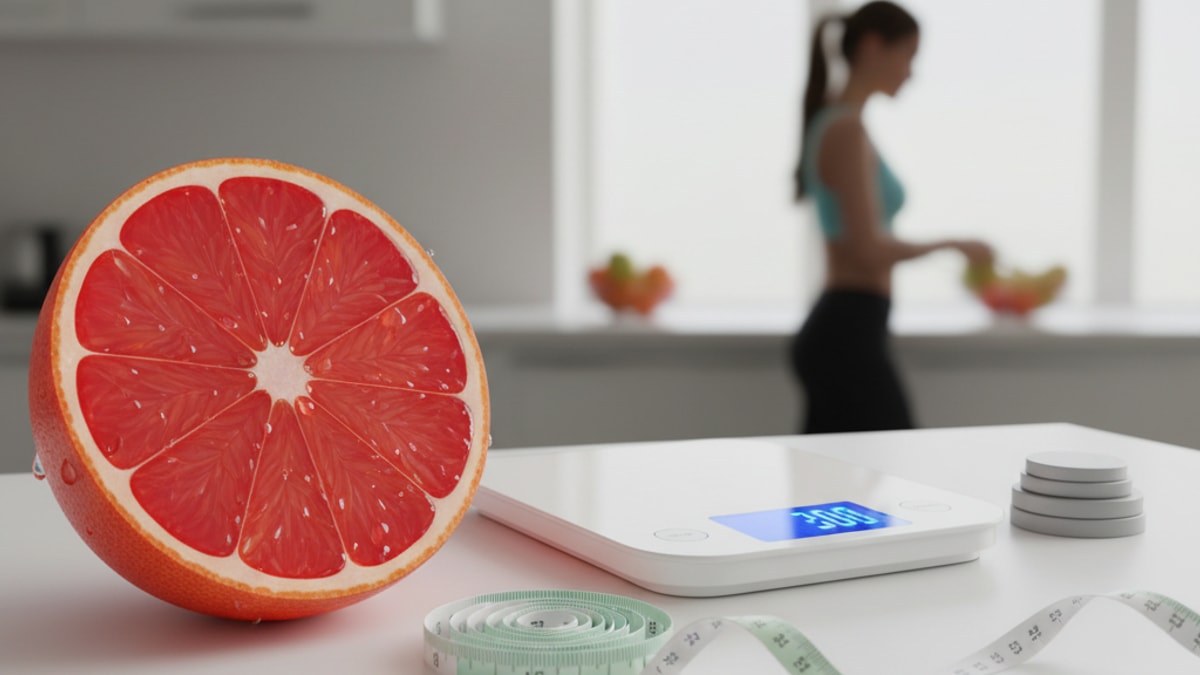
The Grapefruit Question: A Decades-Old Diet Dilemma
It’s one of the most persistent whispers in the world of weight management. You’ve probably heard it from a friend, seen it in a magazine, or stumbled across it online: the idea that eating grapefruit, specifically red grapefruit, can magically melt away pounds. The famous “Grapefruit Diet” has been circulating in some form since at least the 1930s, promising dramatic results with one simple, slightly bitter addition to your plate. But here’s the thing our team at TrimrX always comes back to: when something sounds too simple to be true, it’s our job to look closer.
So, is red grapefruit good for weight loss, or is it just a well-marketed piece of folklore? The answer, like most things in human biology, is nuanced. It’s not a simple yes or no. We're going to take an unflinching look at the evidence, the biochemistry, and the practical realities. We’ll separate the genuine nutritional benefits from the overblown claims, because our entire philosophy is built on sustainable, medically-sound strategies—not on quick fixes or miracle foods. Let's get into it.
Breaking Down the Red Grapefruit: What's Inside?
Before we can talk about weight loss, we need to understand what a red grapefruit actually brings to the table, nutritionally speaking. It’s not just sour juice. It’s a complex package of water, fiber, vitamins, and unique plant compounds. Honestly, it’s pretty impressive.
First, let's talk about the basics. A medium-sized grapefruit is incredibly low in calories, typically hovering around 80-100 calories, while being packed with water. This high water content is significant. We’ve found that foods rich in water help you feel fuller and more hydrated, which can naturally lead to consuming fewer calories overall. It’s a simple concept, but a powerful one. You’re physically filling your stomach with a low-calorie, nutrient-dense food.
Then there's the fiber. Grapefruit contains a decent amount of soluble fiber, particularly pectin. Fiber is a non-negotiable hero in any weight management plan. It slows down digestion. This is key. By slowing the rate at which your stomach empties, fiber helps stabilize blood sugar levels, preventing the sharp spikes and subsequent crashes that trigger cravings and hunger pangs. That feeling of sustained fullness, or satiety, is critical for sticking to any healthy eating plan. It’s the difference between feeling satisfied after a meal and raiding the pantry an hour later.
Beyond that, red grapefruit is an absolute powerhouse of Vitamin C and Vitamin A (in the form of beta-carotene). While these vitamins aren't direct fat-burners, they are essential for a healthy immune system and overall metabolic function. A body that's well-nourished is a body that functions more efficiently. We can't stress this enough: you can't build a healthy body on a foundation of nutritional deficiency.
The Antioxidant Angle: Lycopene and Naringenin
Now, this is where it gets more interesting and specific to red grapefruit. The beautiful crimson hue comes from lycopene, the same powerful antioxidant found in tomatoes and watermelon. Lycopene is a carotenoid known for its anti-inflammatory properties and its role in combating oxidative stress. Chronic inflammation is increasingly being linked to obesity and metabolic dysfunction, so including anti-inflammatory foods is a profoundly smart move for long-term health.
But the compound that gets the most attention in weight loss circles is a flavonoid called naringenin. Grapefruit is loaded with it. Some preliminary studies, mostly in animal models and test tubes, have suggested that naringenin might improve the body's sensitivity to insulin and help the liver burn fat rather than store it. The theory is that it activates certain enzymes involved in fatty acid oxidation. It sounds exciting, right? A natural fat-burner hidden inside a fruit.
But we need to be incredibly careful here. Our team always emphasizes the cavernous gap between a petri dish study and what happens in a complex human body living in the real world. While the biochemical pathway is plausible, there’s no robust clinical evidence in humans to suggest that the amount of naringenin you get from eating grapefruit will trigger a significant, dramatic shift in weight. It's a contributing factor, a small piece of a sprawling puzzle, but it is not the magic bullet.
Red vs. White Grapefruit: Is There a Clear Winner?
People often ask us if the color makes a real difference. In this case, it absolutely does. The main distinction lies in those phytonutrients we just discussed. Here’s a quick breakdown our team put together.
| Feature | Red / Pink Grapefruit | White / Yellow Grapefruit |
|---|---|---|
| Primary Antioxidant | Lycopene & Beta-Carotene | Naringenin |
| Color Source | High levels of lycopene give it the pink/red flesh. | Lack of lycopene results in pale, yellowish flesh. |
| Vitamin A Content | Significantly higher due to beta-carotene. | Very low to negligible. |
| Flavor Profile | Generally sweeter and less acidic. | Typically more tart and acidic. |
| Calorie & Fiber | Roughly equivalent. | Roughly equivalent. |
| 'Weight Loss' Potential | The added anti-inflammatory benefit of lycopene might offer a slight edge for overall metabolic health. | Still contains fiber and naringenin, providing similar benefits for satiety. |
So, while both types offer the core benefits of being low-calorie, high-fiber, and hydrating, the red and pink varieties deliver a superior antioxidant punch thanks to lycopene and beta-carotene. For overall health, we’d recommend reaching for the red.
The Unflinching Reality: Grapefruit Isn't a Weight Loss Miracle
Let’s be honest. The idea of a single food that torches fat is incredibly appealing. We all want a simple solution. But it's a myth. A pernicious one, actually, because it distracts from the strategies that genuinely work.
Eating red grapefruit before every meal might help you lose weight, but probably not for the reasons you think. The effect is likely mechanical, not magical. By eating a bulky, watery, fiber-rich food before your main course, you’re pre-filling your stomach. You'll naturally eat less of the more calorie-dense food that follows. That’s it. It’s a simple trick for calorie control.
Could you achieve the same effect by eating a large salad with a light vinaigrette? Or a bowl of vegetable soup? Absolutely. The grapefruit isn't special in this regard; it's just one of many tools for enhancing satiety. The problem with the old-school “Grapefruit Diet” was its extreme restriction. It was a very low-calorie diet that just happened to feature grapefruit. People lost weight because they were in a massive calorie deficit, not because of any mystical property of the fruit itself. These crash diets are unsustainable and often lead to muscle loss and a rebound weight gain once normal eating resumes.
Sustainable weight loss is about your total dietary pattern, hormonal balance, lifestyle, and metabolic health. It’s about consistency over time. Not about a 14-day blitz with a bitter fruit.
A Critical Warning: Grapefruit and Medication Interactions
This is the part of the conversation our medical team at TrimrX considers non-negotiable. We can't talk about the benefits of grapefruit without a very loud, very clear warning about its potential dangers. Grapefruit and its juice contain compounds called furanocoumarins. These compounds can seriously interfere with an enzyme in your small intestine (CYP3A4) that is responsible for breaking down and metabolizing a huge number of common medications.
When this enzyme is blocked, medications can build up in your bloodstream to dangerous, sometimes toxic, levels. It’s like disabling the safety valve on a pressure cooker.
This isn't a minor side effect; it's a critical safety issue. Some of the medications affected include:
- Statins: Certain cholesterol-lowering drugs like atorvastatin (Lipitor) and simvastatin (Zocor).
- Blood Pressure Medications: Some calcium channel blockers like nifedipine.
- Anti-Anxiety Medications: Drugs like buspirone.
- Corticosteroids: Such as budesonide, used for Crohn's disease or ulcerative colitis.
- Immunosuppressants: Drugs like cyclosporine, crucial for organ transplant patients.
And the list is much longer. This is why it is absolutely essential to speak with your doctor or pharmacist before making grapefruit a regular part of your diet if you take any prescription medication. Do not skip this step. Your health depends on it.
A Smarter Strategy: Where Grapefruit Fits In
So, after all that, what’s our professional take? We see red grapefruit as a fantastic, healthy food—but it's just one food. It’s a supporting cast member, not the star of the show.
Here’s how to incorporate it into a genuinely effective weight management plan:
- Use it as a Satiety Tool: Have half a grapefruit as a starter before a meal or as a standalone snack when you feel hungry. Its fiber and water will help curb your appetite in a healthy way.
- Swap it for Dessert: Instead of reaching for a high-sugar, high-calorie dessert, try a broiled grapefruit with a sprinkle of cinnamon. It’s satisfying, warm, and provides nutrients instead of empty calories.
- Add it to Salads: The tartness of grapefruit segments can brighten up a salad, adding flavor and texture without the need for heavy, creamy dressings.
- Focus on the Whole Picture: Don't obsess over one food. Your success will be determined by a balanced intake of lean protein, healthy fats, complex carbohydrates, and a wide variety of fruits and vegetables. Grapefruit can be one of them.
This is a sensible approach. It leverages the fruit's strengths without falling for the hype.
When Diet and Exercise Aren't Enough
For many people, even with a perfect diet and a consistent exercise routine, the scale just won’t budge. This is where our work at TrimrX becomes so critical. We often find that underlying biological factors are at play—things like insulin resistance, hormonal imbalances, or a genetic predisposition to store fat. It's not a failure of willpower; it’s a complex medical issue.
This is the reality. For so many, it all comes down to biochemistry. When your body's own signaling systems are working against you, fighting that battle with diet alone can feel like an impossible, uphill climb. This is precisely where modern medicine can provide a formidable advantage. Advanced treatments, like the GLP-1 medications we use, work by targeting the root biological pathways that regulate appetite, blood sugar, and satiety. They help reset the body's metabolic 'thermostat', making sustainable weight loss achievable.
These are not magic wands. They are powerful medical tools that work best as part of a comprehensive, supervised program that includes nutritional guidance and lifestyle coaching. They address the biology so that your hard work with diet and exercise can finally pay off. If you feel like you've been doing everything right but still aren't seeing results, it might be time to look deeper. If you're wondering where your own metabolic health stands, a great first step is to Take Quiz on our platform to see if a medical approach is right for you.
So yes, enjoy your red grapefruit. It's a nutritious, delicious fruit that can absolutely be part of a healthy lifestyle. But don't expect it to do the heavy lifting on its own. True, lasting weight management is a holistic endeavor. It requires a smart, evidence-based strategy that considers your unique biology. For some, that strategy might just be a balanced diet. For many others, it involves leveraging the best that modern medical science has to offer. If you're ready to move beyond the myths and explore a path that's tailored to your body's needs, it might be time to Start Your Treatment Now. Building a healthier future is about using every effective tool available, and we’re here to help you navigate that journey safely and effectively.
Frequently Asked Questions
Does drinking grapefruit juice have the same weight loss benefits as eating the fruit?
▼
Not quite. While juice contains some vitamins and minerals, it lacks the fiber of the whole fruit. Fiber is crucial for satiety and blood sugar control, which are key benefits for weight management. We always recommend eating the whole fruit over drinking juice.
Can eating grapefruit help me lose belly fat specifically?
▼
Unfortunately, you can’t spot-reduce fat. No single food, including grapefruit, can target fat loss in one specific area of your body. Overall weight loss, achieved through a calorie deficit and healthy lifestyle, will lead to a reduction in fat from all areas, including the abdomen.
How much grapefruit is too much to eat in a day?
▼
For most people, one whole grapefruit per day is a perfectly healthy amount. The main concern with excessive intake is the potential for medication interactions and, for some, the acidity can cause digestive discomfort. Moderation is always key.
Is the ‘Grapefruit Diet’ safe to follow?
▼
Our medical team does not recommend the traditional ‘Grapefruit Diet.’ It’s a highly restrictive, very low-calorie crash diet that is unsustainable and nutritionally incomplete. True, lasting weight loss comes from balanced, sustainable changes, not extreme short-term plans.
Should I eat grapefruit before or after a workout?
▼
Grapefruit can be a good option for a pre-workout snack about 30-60 minutes beforehand. It provides natural sugars for energy and hydration. Post-workout, it’s better to focus on a meal that contains both protein and carbohydrates to aid muscle recovery.
Does grapefruit speed up your metabolism?
▼
Some compounds in grapefruit, like naringenin, have been studied for potential metabolic effects, but the evidence in humans is not strong enough to claim it significantly ‘speeds up’ metabolism. Its main benefit for weight loss comes from its low-calorie density and high fiber content, which helps you feel full.
Can I eat grapefruit if I have acid reflux or GERD?
▼
Grapefruit is a highly acidic fruit and can be a trigger for individuals with acid reflux or GERD. If you have a sensitive stomach or a history of these conditions, it’s best to introduce it cautiously or avoid it altogether and consult with your doctor.
What’s the best way to eat grapefruit if I don’t like the bitterness?
▼
Red grapefruit varieties are naturally sweeter than white ones. You can also try broiling half a grapefruit with a sprinkle of cinnamon, which caramelizes the natural sugars and reduces bitterness. Adding segments to a salad with other ingredients can also balance the flavor.
Are there any people who should absolutely avoid grapefruit?
▼
Yes. Anyone taking medications known to interact with grapefruit—such as certain statins, blood pressure drugs, or immunosuppressants—should avoid it completely. We strongly advise speaking with a healthcare professional to check your specific prescriptions.
Does grapefruit interact with GLP-1 medications like Semaglutide?
▼
Currently, there is no known major interaction between grapefruit and GLP-1 medications like Semaglutide or Tirzepatide. However, as part of our commitment to safety at TrimrX, we always recommend discussing your entire diet with your supervising clinician to ensure a comprehensive and safe treatment plan.
Is organic grapefruit better for weight loss?
▼
From a weight loss perspective, there’s no difference between organic and conventionally grown grapefruit. The calorie, fiber, and water content are the same. The choice to buy organic is a personal one, typically based on preferences regarding pesticide exposure.

Transforming Lives, One Step at a Time
Keep reading

Do You Need a Prescription for GLP-1s? The 2026 Answer
Wondering ‘do you need a prescription for glp 1’ in 2026? Yes. We explain why a doctor’s oversight is critical for safe, effective results.

How to Get GLP-1 Covered By Insurance: Our 2026 Playbook
Struggling with how to get glp-1 covered by insurance? Our 2026 guide breaks down prior authorizations, appeals, and documentation.

Traveling with GLP-1s in 2026: Your Essential Trip-Proof Plan
Don’t let travel disrupt your GLP-1 treatment. Learn how to travel with glp 1 medications safely and stress-free in our 2026 expert guide.


