Is Rice Really Bad for Weight Loss? Our Team Explains.
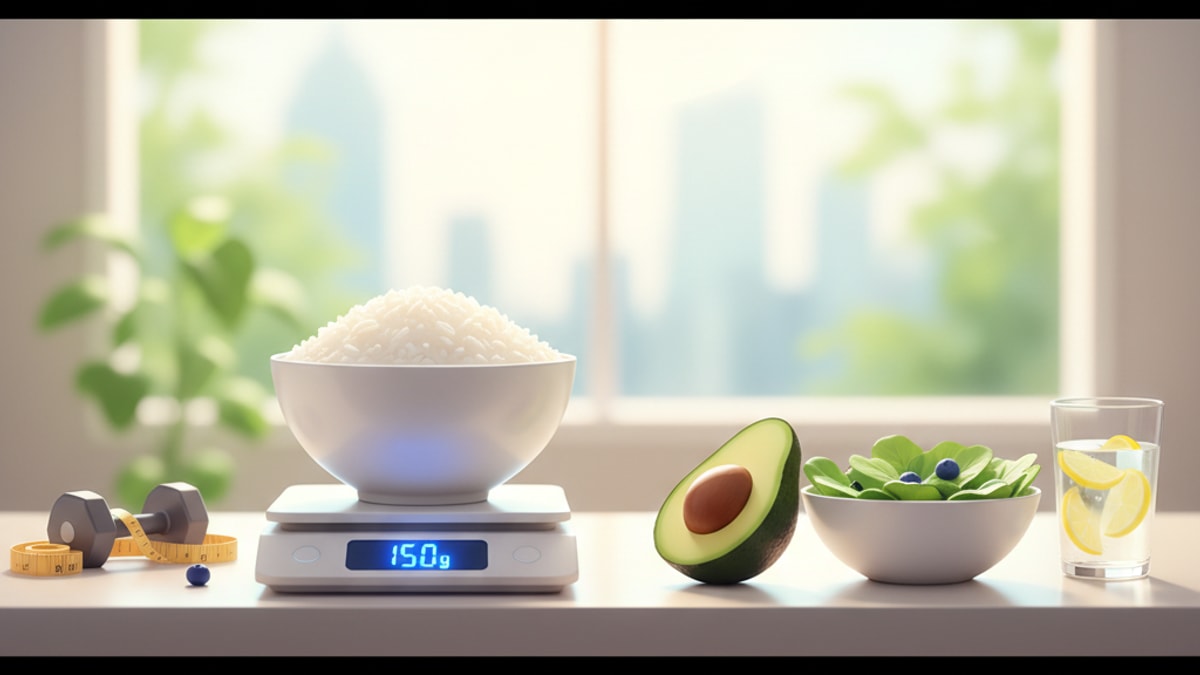
It’s one of the most common questions we hear from people starting their weight loss journey. A question born from decades of conflicting advice, fad diets, and cultural whiplash. Can you eat rice and still lose weight? For billions of people, rice isn't just a food; it's a centerpiece of culture, comfort, and daily life. Yet, in the world of weight management, it’s often the first casualty, banished from the plate in favor of cauliflower substitutes and leafy greens.
Here at TrimrX, our work revolves around the science of metabolic health and sustainable weight loss. We guide our patients through complex biological processes using advanced treatments like GLP-1 medications, but we also know that lasting success is built on a foundation of real-world, livable nutrition. It’s not about demonizing foods. It's about understanding them. So, let’s settle this debate with a nuanced, science-backed perspective. Is rice good for weight loss? The answer is more complex—and frankly, more interesting—than a simple yes or no.
The Great Rice Debate: Why Is It So Controversial?
Let’s be honest. The villainization of rice didn't happen in a vacuum. It was a primary target during the explosion of low-carbohydrate diets that took hold in the late '90s and early 2000s. Suddenly, carbohydrates were the enemy, and starchy staples like rice, potatoes, and bread were cast as the main culprits behind weight gain. This created a formidable narrative, one that has proven incredibly difficult to shake. It’s a story of oversimplification.
The logic seemed straightforward: carbs, especially refined ones, break down into sugar, spike insulin, and can lead to fat storage. While there's a kernel of truth to the mechanism, the conclusion that all carbs are universally 'bad' is a catastrophic overstatement. It ignores culture, context, and basic food science. Think about it. Entire populations have thrived on rice-centric diets for centuries without facing the metabolic health crises we see today. So, what changed? It wasn't the rice itself. It was the context surrounding it: massive portion sizes, a more sedentary lifestyle, and the combination of refined rice with highly processed, high-fat, high-sugar foods. The problem isn't the grain; it's the modern dietary pattern it's often trapped within.
Our team has found that this black-and-white thinking is one of the biggest roadblocks to sustainable weight management. When you completely forbid a food, you often create a cycle of craving, guilt, and eventual bingeing. A smarter approach, and the one we advocate for, involves understanding the differences within a food category and learning how to use that knowledge to your advantage.
Not All Rice Is Created Equal: Brown vs. White
This is where the conversation gets practical. Stepping into the rice aisle can be overwhelming, but the most fundamental choice you'll make is between white and brown rice. This single decision has significant metabolic consequences. It's not about taste; it's about biology.
White rice begins its life as brown rice. It’s then put through a milling process that aggressively strips away the outer layers—the bran and the germ. While this gives it a softer texture and a longer shelf life, it’s a nutritional tragedy. The bran and germ are where the vast majority of the fiber, vitamins (like B vitamins), and minerals (like magnesium and manganese) are stored. What you're left with is a starchy endosperm. It’s essentially a quick-energy carbohydrate, and your body treats it that way. It digests rapidly, leading to a faster, higher spike in blood sugar. We'll get into why that's so important in a moment.
Brown rice, on the other hand, is the whole grain. It’s intact. It keeps its bran and germ, and with them, all that valuable nutrition. The most critical, non-negotiable element here for weight loss is the fiber. The fiber in brown rice slows down digestion. Dramatically. This means the glucose (sugar) from the carbohydrates is released into your bloodstream much more slowly and steadily. This prevents the sharp blood sugar spikes and subsequent crashes that white rice can cause. That crash is what often triggers cravings for more quick-energy foods shortly after a meal, creating a vicious cycle. Furthermore, the fiber contributes to a feeling of fullness, or satiety. You feel satisfied with less food and stay full for longer. It’s a powerful, built-in appetite control mechanism.
But the world of rice is bigger than just brown and white. You have other fantastic options:
- Wild Rice: Technically the seed of an aquatic grass, wild rice is a powerhouse. It boasts more protein and fiber than brown rice and has a wonderfully nutty flavor. Its glycemic index is also impressively low.
- Black Rice (Forbidden Rice): This rice gets its deep purple-black color from anthocyanins, the same powerful antioxidants found in blueberries and blackberries. It has a similar fiber and nutrient profile to brown rice.
- Red Rice: Like black rice, red rice contains anthocyanins and offers a nutritional profile superior to white rice, with a good amount of fiber.
To make this crystal clear, we’ve put together a simple comparison.
| Feature | White Rice (Long Grain) | Brown Rice (Long Grain) | Wild Rice |
|---|---|---|---|
| Processing | Milled (Bran & Germ Removed) | Whole Grain (Intact) | Seed of an Aquatic Grass |
| Fiber (per cup) | ~0.6 grams | ~3.5 grams | ~3.0 grams |
| Glycemic Index | High (around 73) | Medium (around 68) | Low (around 45) |
| Key Nutrients | Mostly starch; some enriched B vitamins | Fiber, Magnesium, B Vitamins, Manganese | Fiber, Protein, Zinc, Phosphorus |
| Best Use Case | Quick energy, dishes where a soft texture is desired. | Everyday staple, for blood sugar control and satiety. | Salads, hearty soups, when protein and texture are a priority. |
Looking at this, the choice becomes pretty clear for someone focused on weight management. Prioritizing higher-fiber, lower-glycemic options is a strategic move.
The Science That Matters: Glycemic Index and Insulin
Now, let's zoom in on the 'why' behind these choices. The terms 'glycemic index' (GI) and 'insulin' get thrown around a lot, but understanding how they work is fundamental to managing your weight. We mean this sincerely: it’s one of the most important concepts in modern nutrition.
The Glycemic Index is a scale from 0 to 100 that ranks carbohydrate-containing foods by how much they raise your blood sugar levels after being eaten. Pure glucose is a 100. Foods with a high GI (70+) are digested and absorbed quickly, causing a rapid spike in blood sugar. Foods with a low GI (55 or less) are digested slowly, leading to a gentler, more gradual rise.
Why does this matter? When your blood sugar shoots up, your pancreas releases a hormone called insulin to manage it. Insulin’s job is to shuttle that glucose out of your bloodstream and into your cells for energy. But when there's a huge, sudden surge of glucose (like after a big bowl of white rice), the pancreas can overreact, releasing a flood of insulin. This has two negative consequences for weight loss. First, high levels of insulin are a signal to your body to stop burning fat and start storing it. Second, the insulin often does its job too well, pulling so much sugar out of the blood that your blood sugar level crashes a couple of hours later. This crash triggers hunger, fatigue, and intense cravings for more sugary carbs. It's a biological rollercoaster.
This is a key area of focus in the treatments we manage at TrimrX. The GLP-1 medications we utilize, like Semaglutide and Tirzepatide, work in part by helping to regulate this very system. They stimulate insulin release in a glucose-dependent way (meaning, only when it's needed), slow down stomach emptying to prevent rapid sugar absorption, and directly impact appetite signals in the brain. The goal of both smart nutrition and these advanced medical treatments is the same: to achieve metabolic stability. Choosing brown or wild rice is a dietary strategy that aligns perfectly with this goal.
Portion Control: The Non-Negotiable Rule
Here’s a truth our team has seen proven time and time again: you can eat all the 'healthy' food you want, but if you eat too much of it, you will not lose weight. This is especially true for calorie-dense foods like rice.
Even brown rice is not a 'free' food. A single cup of cooked brown rice contains over 200 calories and about 45 grams of carbohydrates. While those are high-quality, slow-digesting carbs, they still contribute to your total daily energy intake. The concept of calorie balance—burning more calories than you consume—remains the bedrock of weight loss.
So, what does a proper portion look like? It's almost certainly smaller than you think. The standard serving size for rice is typically ½ cup cooked. For many people, a reasonable portion to include in a balanced meal is somewhere between ½ and 1 cup. We’re not talking about the heaping mounds served as a base in many restaurant dishes. A helpful visual is to think of a serving as being about the size of your cupped hand or a tennis ball. Our experience shows that people don't often intend to overeat; they just misjudge what a real portion is. Using measuring cups for a week or two can be an eye-opening exercise that recalibrates your perception for good.
This is where mindfulness becomes a powerful tool. Pay attention while you eat. Slow down. Put your fork down between bites. This gives your brain and stomach time to communicate, allowing you to recognize feelings of fullness before you've overdone it. It's simple, but it's not easy. It's a skill that requires practice.
How You Eat It Matters More Than You Think
Okay, so you've chosen brown rice and you've measured your portion. You're done, right? Not quite. The context of your meal—what you eat with your rice—can change its metabolic impact entirely.
Never eat carbohydrates alone. That's a critical piece of advice we give all our patients. Pairing your rice with a quality source of protein (like grilled chicken, fish, or beans), healthy fats (like avocado or olive oil), and plenty of non-starchy vegetables (like broccoli, spinach, or bell peppers) is a game-changer. Why? Because protein, fat, and fiber all work to slow down gastric emptying. They force your digestive system to take its time, which means the glucose from the rice is released even more slowly and steadily into your bloodstream. This blunts the overall glycemic response of the meal, keeping you full and stable for hours. A bowl of plain rice is a blood sugar spike waiting to happen. Chicken, broccoli, and a ½ cup of brown rice is a balanced, satisfying, and metabolically sound meal.
Now, here’s a pro-level tip that our team loves because it’s pure food science: let your rice cool down. When you cook and then cool starchy foods like rice and potatoes, a portion of the starch converts into something called 'resistant starch.' Your body can't easily digest resistant starch in the small intestine, so it travels to the large intestine, where it acts like a prebiotic fiber. It feeds your good gut bacteria and, more importantly for weight loss, it isn't absorbed as calories. So, cooking a batch of brown rice and using it for salads or meals throughout the week can actually reduce its caloric impact. You can even gently reheat it; some of the resistant starch will remain.
A Holistic View: Where Does Rice Fit in Your Journey?
Ultimately, fixating on a single food—whether it's rice, bread, or avocados—is missing the forest for the trees. No one food will make you gain weight, and no one food will magically make you lose it. Your results are the product of your overall dietary pattern, your activity level, your sleep quality, your stress management, and your unique biology.
Rice can absolutely be part of a successful weight loss plan. It’s an affordable, versatile, and satisfying source of energy. But it has to be treated with respect and strategy. For many, simply making the switch from white to brown rice, controlling portions, and balancing their plate is enough to see a significant, sometimes dramatic shift.
However, we also recognize that for some individuals, the journey is more complex. People with conditions like insulin resistance, prediabetes, or PCOS may be more sensitive to carbohydrates and may need a more tailored approach. This is where a medically-supervised plan becomes invaluable. The biological signals that control hunger and metabolism can be incredibly powerful and difficult to fight with willpower alone. This is precisely why we do what we do at TrimrX. For those who have struggled to see results with diet and exercise, scientifically-backed treatments can provide the metabolic reset needed to make those lifestyle changes stick. If you're finding the battle against cravings and a slow metabolism to be a formidable one, it could be time to see if a more comprehensive approach is right for you. You can find out if you’re a candidate when you Take Quiz.
Our Professional Recommendation: A Balanced Approach
So, what's our final verdict? Is rice good for weight loss? Yes, it can be—if you’re strategic.
Our team does not advocate for the complete elimination of rice. Deprivation is rarely a winning long-term strategy. Instead, we recommend a smarter, more intentional way of incorporating it into your diet.
Here’s our four-point plan for eating rice while losing weight:
- Choose Your Grain Wisely: Make whole-grain options like brown, wild, or black rice your default. Save white rice for occasional, special circumstances.
- Master Your Portions: Stick to a serving size of ½ to 1 cup, cooked. Use measuring cups to learn what this actually looks like on your plate.
- Balance Your Plate: Never eat rice by itself. Always pair it with a generous portion of protein and fibrous vegetables to control the blood sugar response and maximize satiety.
- Leverage Food Science: Try the cook-and-cool method to increase resistant starch, especially if you’re meal-prepping for the week.
This approach transforms rice from a potential liability into a useful tool in your nutritional arsenal. It provides sustained energy for workouts and daily life while keeping you full and satisfied. But remember, personalization is paramount. A plan that works for your friend or partner may not be the optimal plan for your unique metabolism. Understanding your body is the first step. Ready to create a plan that truly works for you? You can Start Your Treatment Now and get the expert guidance you deserve.
Ultimately, the question isn't whether rice is 'good' or 'bad.' That's the old way of thinking. The better question is, 'How can I intelligently incorporate rice into my healthy lifestyle?' The power lies not in restriction, but in strategy. It's about understanding the science, respecting the portion, and building a balanced plate. It’s about moving beyond the myths and embracing a more nuanced, sustainable approach to the food you eat every day.
Frequently Asked Questions
Is basmati rice a better option for weight loss than regular white rice?
▼
Yes, slightly. Basmati rice generally has a lower glycemic index (around 50-58) compared to regular long-grain white rice (around 73). While it’s still a refined grain, it causes a slower blood sugar rise, making it a preferable choice if you opt for white rice.
How much rice can I eat per day and still lose weight?
▼
There’s no single answer, as it depends on your total daily calorie and carbohydrate needs. Our team generally recommends sticking to one serving (about ½ to 1 cup cooked) per day as part of a balanced meal, ensuring it fits within your overall calorie deficit.
Can I eat rice while taking a GLP-1 medication like Semaglutide?
▼
Absolutely. In fact, pairing GLP-1 medications with smart carbohydrate choices is an excellent strategy. Since these medications slow digestion, choosing high-fiber rice like brown or wild rice can further enhance satiety and blood sugar control, working synergistically with the treatment.
Is it better to eat rice at a certain time of day?
▼
For many, consuming carbohydrates earlier in the day or after a workout is ideal. A post-workout meal with rice can help replenish glycogen stores effectively. We generally advise against eating a large portion of any carbohydrate right before bed.
Does the way I cook rice affect its weight loss potential?
▼
Yes, it can. Cooking rice with a little bit of healthy fat like coconut oil and then cooling it can increase its resistant starch content. This process makes some of the starch indigestible, effectively lowering its calorie count and feeding good gut bacteria.
What about rice products like rice cakes or rice flour?
▼
Be cautious with these. Rice cakes, especially the plain puffed white rice variety, have a very high glycemic index and offer little nutritional value or satiety. Rice flour is also a highly refined product that can spike blood sugar quickly, so it should be used sparingly.
Is wild rice truly better than brown rice?
▼
From a nutritional standpoint, wild rice often has a slight edge. It typically contains more protein and certain minerals with a lower glycemic index. However, both are excellent whole-grain choices, so we recommend choosing the one you enjoy most.
I’m on a very low-carb diet. Can I ever eat rice?
▼
On a strict low-carb or ketogenic diet, even a small portion of rice can exceed your daily carb limit. However, for a more moderate low-carb approach, a small ½ cup serving of brown or wild rice can sometimes be incorporated, especially on more active days.
Does rinsing rice before cooking matter for weight loss?
▼
Rinsing rice primarily removes excess surface starch, which can result in a fluffier texture. While it may slightly lower the glycemic impact, its effect on weight loss is minimal compared to choosing the right type of rice and controlling your portion size.
Are there any health concerns with eating brown rice, like arsenic?
▼
Brown rice can absorb more arsenic from the soil than white rice. While this is a valid concern, experts suggest that for most people, the benefits of the fiber and nutrients outweigh the risks. You can mitigate this by varying your grains, choosing rice grown in certain regions, and cooking it with extra water.
Can rice be part of a sustainable long-term eating plan?
▼
Definitely. Our team firmly believes that for a diet to be sustainable, it must be enjoyable and culturally relevant. Learning to incorporate a staple food like rice in a healthy, portion-controlled way is a key skill for long-term weight management success.
What’s more important: the type of rice or the portion size?
▼
Honestly, they are both critically important, but if we had to choose one, it would be portion size. Even an excessive amount of ‘healthy’ brown rice will hinder weight loss. Mastering portion control is the foundational skill for managing any calorie-dense food.

Transforming Lives, One Step at a Time
Keep reading
Is Bupropion an SSRI or a Different Antidepressant?
A lot of people ask the same question at some point: is bupropion an SSRI? It usually comes up after hearing about medications like…

Do You Need a Prescription for GLP-1s? The 2026 Answer
Wondering ‘do you need a prescription for glp 1’ in 2026? Yes. We explain why a doctor’s oversight is critical for safe, effective results.

How to Get GLP-1 Covered By Insurance: Our 2026 Playbook
Struggling with how to get glp-1 covered by insurance? Our 2026 guide breaks down prior authorizations, appeals, and documentation.


