Is Salmon Good for Weight Loss? Our Team Weighs In
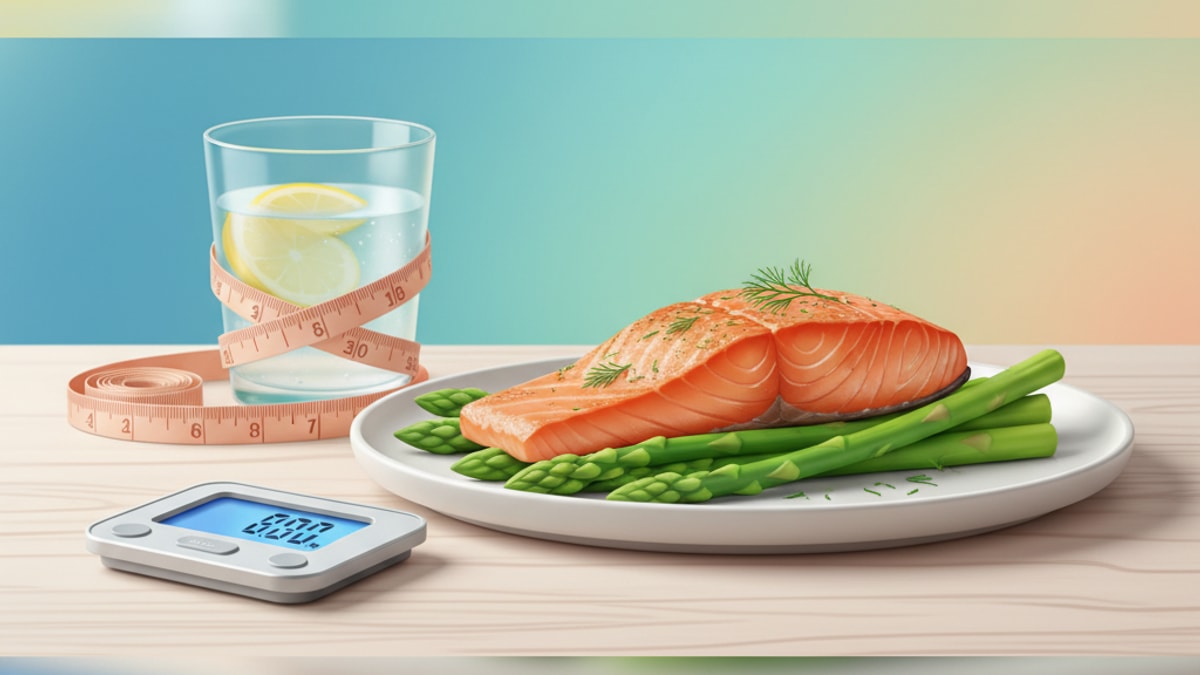
Let’s get right to it. You’re here because you’ve heard the buzz. Salmon is a 'superfood,' a 'healthy fat,' a staple on just about every 'what to eat' list you can find. But when you’re serious about weight loss, generalities don’t cut it. You need to know: is salmon actually good for weight loss? The short answer is an emphatic yes. But the long answer—the one that really matters—is far more nuanced and, honestly, much more interesting.
At TrimrX, our entire focus is on the science of sustainable weight management. We work with patients every single day who are navigating the complexities of nutrition while on advanced medical treatments like Semaglutide and Tirzepatide. And our experience has shown us one thing with unflinching clarity: what you eat is just as critical as how much. Food isn't just fuel; it's information for your body. Salmon, it turns out, sends some incredibly powerful signals that can fundamentally support your weight loss efforts. We're going to break down exactly what those signals are and how you can leverage them.
The Protein Factor: More Than Just Building Muscle
When people think of protein, they usually think of muscle. And they're not wrong. But for weight loss, protein's most formidable power lies in satiety. Satiety is the feeling of fullness and satisfaction after a meal. It's the biological 'off-switch' for hunger. This isn't just a feeling; it's a hormonal response, and protein is the undisputed champion of triggering it.
Here’s how it works. When you consume a protein-rich meal like a six-ounce fillet of salmon, your body has to expend more energy to digest, absorb, and process those nutrients compared to fats or carbs. This is called the Thermic Effect of Food (TEF). Protein has the highest TEF of all macronutrients, meaning you're burning more calories just by digesting it. It’s a subtle but significant metabolic advantage that adds up over time.
But the real magic is hormonal. Protein stimulates the release of satiety hormones like peptide YY (PYY) and cholecystokinin (CCK) while simultaneously suppressing ghrelin, the primary hunger hormone. Think of ghrelin as the gremlin in your stomach growling for more food. A salmon fillet effectively tells that gremlin to take a hike. Our team has found that patients who prioritize protein intake feel more in control and are far less likely to struggle with cravings between meals. It’s a significant, sometimes dramatic shift. This makes salmon good for weight loss not just because of its calorie count, but because it fundamentally changes your relationship with hunger throughout the day.
And yes, let's not forget muscle. During weight loss, your body can sometimes break down muscle tissue for energy along with fat. This is something you want to avoid at all costs, as muscle is metabolically active tissue—it burns calories even at rest. The high-quality, complete protein in salmon provides all the essential amino acids your body needs to preserve, and even build, lean muscle mass while you're in a calorie deficit. More muscle means a higher resting metabolism. That's a win-win.
Omega-3s: The 'Good Fat' That Fights Back
Now for the part that trips people up: the fat. We've been conditioned for decades to fear fat when trying to lose weight. But the science has evolved, and we now understand that the type of fat is what’s critical. Salmon is packed with a specific type of polyunsaturated fat called omega-3 fatty acids, primarily eicosapentaenoic acid (EPA) and docosahexaenoic acid (DHA).
These aren't just any fats. They are essential fats, meaning your body can't produce them on its own; you have to get them from your diet. And they play a sprawling role in your body's operating system, with direct implications for weight management.
One of their most celebrated roles is fighting inflammation. Chronic, low-grade inflammation is a silent stressor on the body that is increasingly linked to obesity and metabolic dysfunction. It can disrupt appetite-regulating hormones and promote insulin resistance, a condition where your cells stop responding properly to insulin, making it harder for your body to process sugar and easier to store fat. The EPA and DHA in salmon have powerful anti-inflammatory properties, helping to cool this internal fire and improve your body's overall metabolic environment. We've seen patients experience not just weight loss but also a reduction in joint pain and an overall feeling of well-being when they consistently include omega-3-rich foods.
Some research even suggests that omega-3s can directly influence fat loss. They may help increase levels of hormones like adiponectin, which is linked to improved insulin sensitivity and fat burning. It's a complex dance of cellular signaling, but the takeaway is simple: the fats in salmon are actively working for your weight loss goals, not against them. They're not passive calories; they're bioactive compounds that help optimize your body's fat-burning machinery.
A Micronutrient Powerhouse for Your Metabolism
Beyond the protein and fats, salmon is loaded with a host of vitamins and minerals that are critical, non-negotiable elements of a healthy metabolism. If your metabolism is a car engine, these micronutrients are the spark plugs, motor oil, and coolant that keep it running smoothly.
Take B vitamins, for instance. Salmon is an excellent source of B12, B6, niacin, and riboflavin. These vitamins are essential co-factors in the process of converting the food you eat into usable energy. A deficiency in B vitamins can lead to fatigue and a sluggish metabolism, making the already difficult objective of weight loss feel nearly impossible. We often remind our patients that energy for workouts and daily life doesn't just come from calories; it comes from a body that's properly equipped to use those calories.
Then there's selenium, a crucial mineral for thyroid health. Your thyroid gland is the master regulator of your metabolism, producing hormones that control how quickly you burn calories. Selenium is required for the proper production and conversion of thyroid hormones. A healthy thyroid is a cornerstone of effective weight management. And salmon delivers a healthy dose.
Finally, salmon (especially wild-caught) is one of the few natural food sources of Vitamin D. Many people are deficient in this 'sunshine vitamin,' and studies have linked low Vitamin D levels with a higher risk of obesity. While the mechanism isn't fully understood, it's believed to play a role in fat cell storage and function. Ensuring you have adequate levels is another piece of the intricate metabolic puzzle.
So, is salmon good for weight loss? Absolutely. It’s a multi-pronged nutritional weapon that tackles weight management from several angles at once.
Salmon vs. Other Proteins: A Head-to-Head Look
It’s helpful to see how salmon stacks up against other common protein sources. While variety is always key, understanding the unique advantages of salmon can help you make more strategic choices. Here’s a breakdown based on a typical 6-ounce (170g) cooked portion.
| Feature | Wild Coho Salmon | Skinless Chicken Breast | Lean Ground Beef (93/7) | Lentils (Cooked) |
|---|---|---|---|---|
| Calories | ~240 kcal | ~280 kcal | ~320 kcal | ~195 kcal |
| Protein | ~39 g | ~53 g | ~38 g | ~15 g |
| Total Fat | ~8 g | ~6 g | ~18 g | <1 g |
| Omega-3s (EPA+DHA) | ~1,500 mg | Negligible | ~40 mg | Negligible (has ALA) |
| Vitamin D | ~90% Daily Value | ~2% Daily Value | ~2% Daily Value | 0% Daily Value |
| Key Advantage | High in Omega-3s and Vitamin D, excellent protein-to-fat ratio. | Highest protein per calorie, extremely lean. | Excellent source of iron and Vitamin B12. | High in fiber, plant-based, very low fat. |
| Our Take | The all-around winner for metabolic health and anti-inflammatory benefits. | Best for maximizing protein intake on a strict calorie budget. | A good option for preventing anemia, but higher in saturated fat. | Great for fiber and gut health, but protein is less dense. |
As you can see, while chicken breast offers more protein for slightly more calories, it completely lacks the omega-3 and Vitamin D benefits. Salmon provides a potent combination of high-quality protein and powerful, health-promoting fats that other sources simply can't match. It's comprehensive.
Putting It Into Practice: How to Eat Salmon for Results
Knowing salmon is good for you is one thing. Integrating it effectively into your life is another. Our team always stresses that execution is everything. Here are our practical, no-nonsense recommendations.
First, portion control is paramount. A healthy portion of salmon is typically around 4 to 6 ounces, which is about the size and thickness of a deck of cards. It's a nutrient-dense food, so you don't need a massive slab to reap the benefits.
Second, cooking method matters. A lot. Frying salmon in a sea of butter or oil, or slathering it in a creamy, sugary sauce, will quickly negate its benefits. We recommend baking, grilling, broiling, steaming, or pan-searing with just a touch of olive oil or avocado oil. Season it generously with herbs and spices like dill, parsley, garlic powder, paprika, and a squeeze of fresh lemon juice. These add immense flavor without adding significant calories.
Third, think about the company it keeps on your plate. What you pair salmon with is just as important as the fish itself. Ditch the heavy starches like mashed potatoes or white rice. Instead, create a balanced, fiber-rich meal by pairing your salmon with a large serving of non-starchy vegetables. Think roasted broccoli, grilled asparagus, a large mixed green salad, or sautéed spinach. This combination of protein, healthy fats, and fiber is the trifecta for long-lasting satiety and stable blood sugar.
Simple, right?
The Holistic View: Salmon in a Modern Weight Loss Plan
Here’s what’s important: no single food is a magic bullet for weight loss. Success comes from a holistic strategy that addresses biology, nutrition, and behavior. This is the core philosophy behind our work at TrimrX. We provide medically-supervised treatments using GLP-1 medications, which are incredible tools for regulating appetite and improving metabolic function. But they are just that—tools.
They work best when combined with intelligent, sustainable lifestyle changes. This is where a food like salmon becomes so valuable. While a medication like Semaglutide helps reduce your overall hunger, the food you do choose to eat needs to be powerful. It needs to provide maximum nutritional bang for your buck. Salmon fits this role perfectly. It nourishes your body, preserves your muscle, reduces inflammation, and keeps you feeling satisfied on fewer calories.
This is the synergy we aim for. Our treatments help manage the powerful biological drivers of hunger and weight gain, while a strategic diet rich in foods like salmon provides the high-quality building blocks your body needs to heal and build a stronger, leaner version of itself. It’s a comprehensive approach that moves beyond the simplistic 'eat less, move more' mantra that has failed so many. It’s about working with your body’s biology, not against it. If you’re tired of the frustrating cycle of dieting and ready to explore a scientifically-backed path, we encourage you to see if you're a candidate. You can Take Quiz to begin the process.
Ultimately, integrating salmon into your diet is a strategic move. You're not just eating fish; you're providing your body with a potent mix of protein, essential fats, and micronutrients that support the very systems responsible for weight management. Whether you're on a medically supervised program or simply refining your own approach, making room for salmon two to three times a week is one of the smartest nutritional decisions you can make. It's a choice that pays dividends far beyond the number on the scale. When you're ready to combine this kind of smart nutrition with a powerful medical treatment plan, our team is here to help you Start Your Treatment Now.
So, is salmon good for weight loss? Our unflinching, professional opinion is that it's not just good—it's one of the most effective and strategic foods you can possibly eat on your journey to a healthier weight and a more vibrant life.
Frequently Asked Questions
How many times a week should I eat salmon for weight loss?
▼
For most people, we recommend incorporating salmon into your diet 2-3 times per week. This provides a consistent supply of omega-3 fatty acids and high-quality protein without leading to dietary fatigue. Variety is still key, so rotate it with other lean protein sources.
Is wild-caught salmon better than farm-raised for weight loss?
▼
Wild-caught salmon typically has a slightly better fat profile, with more omega-3s and fewer omega-6s, and is higher in certain minerals. However, for the primary goals of weight loss—protein and satiety—both are excellent choices. Don’t let the ‘perfect’ be the enemy of the good; consistent intake of either is beneficial.
Can I eat canned salmon and still lose weight?
▼
Absolutely. Canned salmon is a fantastic, budget-friendly, and convenient option. It offers a similar profile of protein and omega-3s. We recommend choosing varieties packed in water, not oil, to keep the calorie count in check.
What if I don’t like the taste of salmon?
▼
If you don’t enjoy salmon, don’t force it. Other fatty fish like mackerel, herring, and sardines offer similar omega-3 benefits. If fish is off the table entirely, focus on other lean proteins like chicken, turkey, and legumes, and consider a high-quality fish oil supplement after consulting your doctor.
Will the fat in salmon make me gain weight?
▼
No, the healthy polyunsaturated fats in salmon are unlikely to cause weight gain when eaten in appropriate portions. In fact, these omega-3 fats support metabolic health and can aid in fat loss by reducing inflammation and improving insulin sensitivity. It’s the type of fat that matters most.
Does smoked salmon have the same weight loss benefits?
▼
Smoked salmon retains much of the protein and omega-3 content, but it’s often very high in sodium, which can cause water retention and bloating. We suggest enjoying it in moderation and focusing on fresh, cooked salmon as your primary source.
What’s the best way to cook salmon to maximize its benefits?
▼
The best cooking methods are those that don’t add a lot of extra fat. We recommend baking, broiling, grilling, or steaming. These methods preserve the delicate omega-3s better than high-heat frying and keep the overall meal lean and healthy.
Can salmon help with stubborn belly fat?
▼
While you can’t spot-reduce fat from one area, salmon’s unique properties can help. The combination of its anti-inflammatory omega-3s and its role in improving insulin sensitivity can help create a metabolic environment more conducive to overall fat loss, which includes abdominal fat.
Is salmon a good choice for a keto diet?
▼
Yes, salmon is an ideal food for a ketogenic diet. It’s virtually carb-free and provides a perfect combination of high-quality protein and healthy fats, which helps you meet your macros while getting essential nutrients.
How does salmon fit with a medically supervised plan like those from TrimrX?
▼
Salmon is a perfect complementary food for our medical weight loss programs. While GLP-1 medications help control appetite, your body still needs superior nutrition. The protein in salmon helps preserve muscle mass and its nutrients support your metabolism, ensuring you lose fat sustainably.
Are there any downsides to eating salmon for weight loss?
▼
The primary concerns are cost and potential contaminants like mercury. To mitigate this, you can buy frozen salmon, which is often more affordable, and rotate it with other smaller, fatty fish like sardines. For most people, the health benefits far outweigh the risks.

Transforming Lives, One Step at a Time
Keep reading

Do You Need a Prescription for GLP-1s? The 2026 Answer
Wondering ‘do you need a prescription for glp 1’ in 2026? Yes. We explain why a doctor’s oversight is critical for safe, effective results.

How to Get GLP-1 Covered By Insurance: Our 2026 Playbook
Struggling with how to get glp-1 covered by insurance? Our 2026 guide breaks down prior authorizations, appeals, and documentation.

Traveling with GLP-1s in 2026: Your Essential Trip-Proof Plan
Don’t let travel disrupt your GLP-1 treatment. Learn how to travel with glp 1 medications safely and stress-free in our 2026 expert guide.


