Is Salmon Healthy for Weight Loss? Our Team Weighs In.
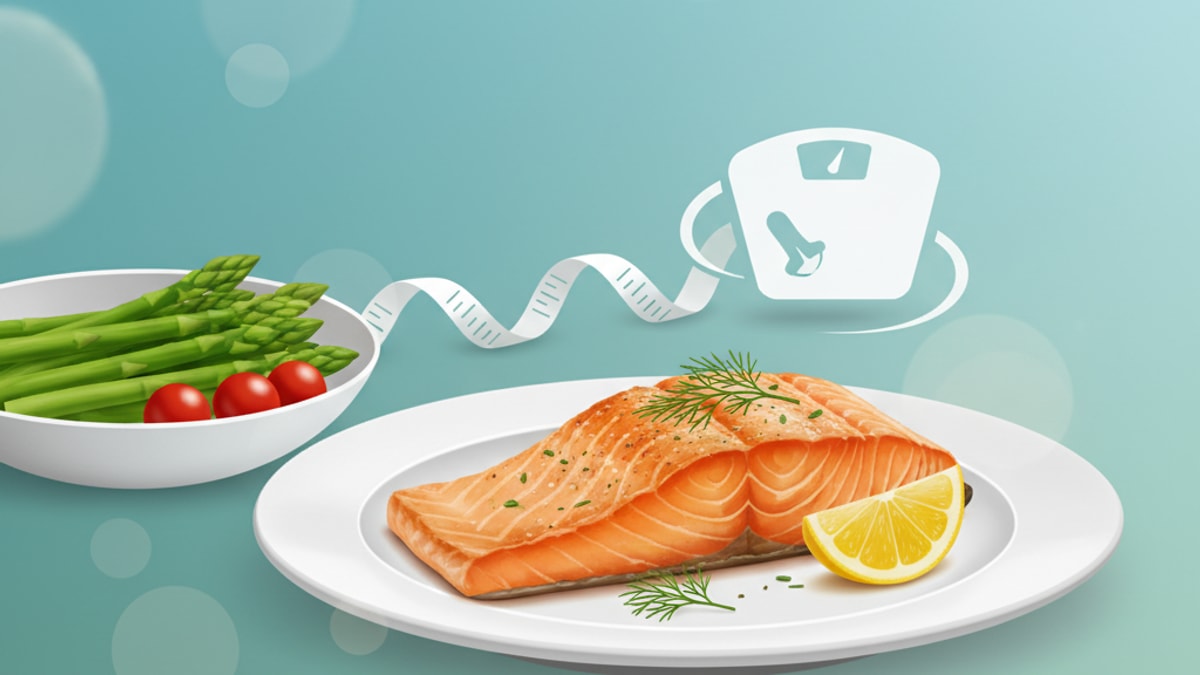
The question comes up all the time in our consultations and community discussions: is salmon really healthy for weight loss? It’s a fantastic question. In a world saturated with diet fads and conflicting advice, it’s easy to get lost. You see salmon touted as a superfood one day and warned against for its fat content the next. It’s exhausting.
Here at TrimrX, our entire focus is on cutting through that noise with medical science and real-world results. We guide patients through comprehensive, medically-supervised weight loss journeys, often incorporating powerful tools like GLP-1 medications. But we know that long-term success isn't just about medicine; it's about building a sustainable lifestyle. And nutrition is the absolute cornerstone of that foundation. So, let's unpack the real story of salmon, from a team that deals with the science of metabolism every single day.
The Short Answer (And Why It's More Complicated)
Yes. Unquestionably, yes, salmon can be an incredible ally in your weight loss efforts. But—and this is a significant but—it's not a magic bullet. The context matters immensely. A beautifully grilled salmon fillet served with steamed asparagus and quinoa is a world away from a deep-fried salmon patty slathered in a sugary sauce and served with fries. The food itself is only one part of a much larger equation.
Think of salmon as a high-performance tool in your nutritional toolkit. It's packed with a unique combination of macronutrients and micronutrients that directly support the biological processes of fat loss and muscle maintenance. Our experience shows that when patients incorporate foods like salmon correctly, they report feeling more satisfied, having more energy, and seeing more consistent results. It’s about leveraging its inherent strengths as part of a broader, intelligent strategy.
It’s not just about eating salmon. It’s about how you eat it, when you eat it, and what you eat it with. That’s the nuance that often gets lost in soundbites.
The Protein Powerhouse: Satiety and Muscle Preservation
Let’s get straight to the point: protein is your single most important macronutrient for weight loss. We can't stress this enough. And salmon is an absolute protein powerhouse. A typical 6-ounce fillet can pack around 35-40 grams of high-quality, complete protein. This isn’t just about filling a nutritional checkbox; this protein goes to work for you in several critical ways.
First, there's satiety. This is the feeling of fullness and satisfaction after a meal. Protein is, gram for gram, the most satiating macronutrient. When you eat a protein-rich meal, your body releases hormones like peptide YY (PYY) and cholecystokinin (CCK), which signal to your brain that you're full. This is a game-changer. It dramatically reduces the nagging hunger and cravings that so often derail weight loss plans. A salmon dinner can keep you feeling satisfied for hours, making you far less likely to reach for those late-night, high-calorie snacks. It’s a simple, biological hack.
Second is the Thermic Effect of Food (TEF). Your body actually burns calories just digesting and processing the food you eat. And protein has a much higher TEF (around 20-30%) than fats (0-3%) or carbs (5-10%). This means that if you eat 100 calories from protein, your body uses 20-30 of those calories just to process it. Over time, this adds up to a significant metabolic advantage. It’s like getting a small, free calorie burn with every protein-rich meal.
Finally, and this is a critical, non-negotiable element of healthy weight loss, is muscle preservation. When you're in a calorie deficit, your body looks for energy. It can get it from your fat stores (which is what you want), but it can also get it by breaking down muscle tissue (which you definitely don't want). Losing muscle is metabolically catastrophic. It lowers your resting metabolic rate, making it harder to lose weight and easier to regain it later. Providing your body with adequate protein, like that found in salmon, gives it the building blocks it needs to preserve, and even build, lean muscle mass while it sheds fat. This ensures that the weight you're losing is primarily fat, not metabolically precious muscle.
Omega-3s: The Unsung Heroes of Fat Loss
If protein is the star of the show, then omega-3 fatty acids are the formidable supporting cast. This is what truly sets salmon apart from other lean protein sources like chicken breast or tilapia. Salmon is one of the richest natural sources of two specific types of long-chain omega-3s: eicosapentaenoic acid (EPA) and docosahexaenoic acid (DHA).
These aren't just 'good fats'; they are bioactive compounds that influence your body's functions at a cellular level. And their role in weight management is becoming increasingly clear.
One of the biggest hurdles to weight loss is chronic, low-grade inflammation. Excess adipose (fat) tissue itself produces inflammatory cytokines, creating a vicious cycle that can disrupt hormonal signaling and promote insulin resistance. EPA and DHA are powerful anti-inflammatory agents. By helping to quell this underlying inflammation, they can improve your body's overall metabolic environment, making it more receptive to fat loss.
There's also growing evidence that omega-3s can improve insulin sensitivity. Insulin is the hormone that tells your cells to take up glucose from the bloodstream. When you're insulin resistant, your body has to pump out more and more insulin to do the job, which promotes fat storage. By improving how your cells respond to insulin, the omega-3s in salmon can help your body manage blood sugar more effectively and reduce its tendency to store energy as fat. This is a profound benefit that goes far beyond simple calorie counting.
Some research even suggests that EPA and DHA can influence gene expression related to fat metabolism. They may help to 'turn on' genes that promote fat oxidation (burning fat for fuel) and 'turn off' genes that promote lipogenesis (the creation of new fat cells). While more research is needed, it's a fascinating look at how nutrients can communicate with our DNA to support a healthier body composition. It's a key reason why we emphasize nutrient quality, not just quantity, in the plans we develop for our patients.
Wild-Caught vs. Farm-Raised: Does It Matter for Weight Loss?
This debate pops up everywhere. You’re standing at the fish counter, looking at two different options with two very different price tags. Does it actually make a difference for your weight loss goals? The short answer is: yes, it can, but both are still good options. It’s a matter of optimization.
Here’s a breakdown of what our team considers the key differences:
| Feature | Wild-Caught Salmon | Farm-Raised Salmon | Weight Loss Implication |
|---|---|---|---|
| Fat Content | Generally leaner, with less total fat. | Higher in total fat, including saturated fat, due to a controlled diet and less activity. | Wild-caught has a slight edge in calorie density. However, the higher fat in farmed salmon isn't necessarily 'bad.' |
| Omega-3 Profile | Higher ratio of beneficial Omega-3s to inflammatory Omega-6s. Rich in EPA and DHA. | Still a great source of Omega-3s, but has a higher Omega-6 content due to its grain-based feed. | The superior Omega-3 to Omega-6 ratio in wild salmon offers more potent anti-inflammatory benefits, supporting metabolism. |
| Nutrient Density | Higher in certain minerals like selenium and potassium. Its pink color comes from astaxanthin from its natural diet. | Can be lower in some minerals. Color is often added to the feed via carotenoids. | Wild-caught offers a slightly more robust micronutrient profile, which supports overall health during a calorie deficit. |
| Cost & Availability | More expensive and often seasonal. | Less expensive and available year-round. | Farm-raised is a more accessible and affordable way to consistently get the benefits of salmon protein and Omega-3s. |
Our professional recommendation? Don't let perfection be the enemy of good. If your budget allows for wild-caught salmon, it is nutritionally superior in several nuanced ways that can better support your metabolic health. The better fat profile and higher micronutrient content are definite pluses. However, if farm-raised salmon is what's accessible to you, it is still a fantastic, healthy choice that blows most other protein options out of the water. The most important thing is simply to eat the salmon. The benefits of either type far outweigh the alternative of not eating it at all.
How You Cook It Changes Everything
This is where so many well-intentioned efforts go off the rails. You can take the most pristine, nutrient-dense piece of wild sockeye salmon and completely negate its benefits with a poor preparation method. We've seen it happen time and time again.
Let’s be honest. It’s not the salmon that’s the problem; it’s what we do to it. The goal is to enhance its natural flavor and preserve its nutritional integrity, not to drown it in unhealthy fats and empty calories.
The Champions of Healthy Preparation:
- Baking or Roasting: Simple, effective, and hard to mess up. A little olive oil, lemon, dill, salt, and pepper is all you need. Roasting at a high temperature (around 400°F or 200°C) for a short time keeps it moist and tender.
- Grilling: Perfect for getting a delicious, smoky char. The key is to not overcook it. A light brush of oil on the grates prevents sticking. It’s a fantastic summer option.
- Poaching: This gentle cooking method uses a simmering liquid (like water, broth, or white wine with herbs) to cook the fish. It adds zero fat and results in an incredibly delicate, moist texture.
- Air Frying: A modern marvel. You can achieve a crispy exterior with a tiny fraction of the oil used in deep-frying. It's a brilliant way to get that satisfying crunch without the caloric penalty.
The Methods to Avoid (or Use Sparingly):
- Deep-Frying: This is the most obvious offender. Submerging salmon in hot oil adds a massive amount of unhealthy fats and calories, completely undermining your weight loss goals.
- Pan-Searing in Excessive Butter/Oil: A quick pan-sear in a teaspoon of healthy oil is fine. But swimming the fillet in several tablespoons of butter is another story.
- Creamy, Sugary Sauces: Be wary of heavy cream sauces, teriyaki glazes (which are often loaded with sugar), or sweet chili sauces. These can add hundreds of hidden calories. Instead, opt for fresh salsa, a squeeze of citrus, a dollop of Greek yogurt with herbs, or a light vinaigrette.
Salmon in a Comprehensive Weight Loss Strategy
So, we’ve established that salmon is an incredible food. But food is just one piece of the puzzle. At TrimrX, we see the most significant, life-altering results when our patients combine intelligent nutrition with a medically-guided framework. It's about creating a powerful synergy between lifestyle, diet, and advanced medical science.
Salmon is a perfect example of a food that works beautifully within this framework. When a patient is on a GLP-1 medication like Semaglutide or Tirzepatide, their appetite is naturally regulated. This makes it so much easier to choose high-quality, nutrient-dense foods like salmon because the intense, hormonally-driven cravings for processed foods are diminished. The medication creates the biological space for healthier habits to take root.
Pairing the protein and omega-3s from salmon with the metabolic benefits of GLP-1s is a formidable combination. The medication helps improve insulin sensitivity and regulate blood sugar, while the nutrients in the salmon further support these processes and provide the building blocks for a leaner, stronger body.
This holistic approach is what separates a short-term diet from a long-term metabolic transformation. It’s not just about 'eating less and moving more.' It's about fundamentally changing your body's hormonal and metabolic signaling to work with you, not against you. For many, a powerful nutritional strategy combined with a medically-supervised plan is the key that finally unlocks the door to sustainable weight loss. If you're wondering whether this kind of comprehensive approach is right for you, you can Take Quiz to see if you’re a candidate for our program.
Potential Pitfalls: Mercury, Cost, and Portion Control
To provide an unflinching, expert perspective, we also have to address the potential downsides. No food is perfect, and being aware of the limitations is part of a smart nutritional strategy.
Mercury Content: Yes, fish contain mercury, and salmon is no exception. However, it's generally considered a low-mercury fish. Larger, longer-living predatory fish (like shark, swordfish, and some tuna) accumulate much more. The consensus from major health organizations is that the profound benefits of eating fish like salmon far outweigh the potential risks for most people. To minimize exposure, you can opt for smaller types of salmon like Coho or Sockeye, and vary your protein sources throughout the week.
The Cost Factor: Let's not mince words: high-quality salmon can be expensive. This is a real barrier for many people. Here’s our practical advice: don't overlook canned or frozen salmon. Canned wild salmon (especially sockeye or pink salmon) is a nutritional powerhouse, incredibly convenient, and far more affordable. It's perfect for salmon salads, patties (baked, not fried!), or flaked over a salad. Frozen salmon fillets are also typically cheaper than fresh and are flash-frozen at peak freshness, preserving their nutrients.
Portion Control: Just because salmon is healthy doesn't mean you can eat unlimited quantities. It is still a calorie-dense food. A healthy portion size is typically around 4-6 ounces (about the size of a deck of cards or the palm of your hand). It’s easy to over-serve, so using a food scale, at least initially, can be an eye-opening and incredibly helpful tool for keeping your overall calorie intake in check.
Ultimately, salmon isn't a magic wand for weight loss. It's a powerful, nutrient-dense tool. The real magic happens when you pair intelligent food choices, like incorporating salmon into your diet 2-3 times a week, with a comprehensive, medically-sound strategy that works for your unique biology. It's about rewriting your body's metabolic story. If you're ready to take that decisive step, you can Start Your Treatment with us today. That’s where the lasting change begins.
Frequently Asked Questions
How much salmon should I eat per week for weight loss?
▼
For most people, we recommend aiming for two to three servings per week. A typical serving is about 4-6 ounces. This provides a great dose of protein and omega-3s without overdoing it on calories or potential contaminants like mercury.
Is canned salmon as good as fresh for weight loss?
▼
Absolutely. Canned salmon, especially wild-caught varieties, is a fantastic and affordable option. It’s rich in protein and omega-3s and is incredibly convenient. Just be sure to choose salmon packed in water, not oil, to keep the calorie count down.
Will eating salmon skin make me gain weight?
▼
No, as long as it’s prepared correctly (like baked or grilled until crispy). The skin contains a high concentration of omega-3 fatty acids and is perfectly healthy. However, if it’s deep-fried, it will absorb a lot of oil and calories.
What’s better for weight loss, salmon or chicken?
▼
Both are excellent lean protein sources. Chicken breast is slightly lower in calories, but salmon offers the unique benefit of anti-inflammatory omega-3 fatty acids. Our team suggests including both in your diet for variety and a broader nutrient profile.
Can I eat salmon every day for weight loss?
▼
While it’s healthy, we don’t recommend eating any single food every day. Variety is key to getting a wide range of nutrients and preventing dietary boredom. Stick to 2-3 times a week and rotate with other lean proteins.
Does smoked salmon have the same weight loss benefits?
▼
Smoked salmon still contains protein and omega-3s, but it’s often very high in sodium, which can cause water retention and bloating. We advise using it in moderation as a flavor accent rather than a primary protein source for a meal.
What are the best side dishes to pair with salmon for weight loss?
▼
Think fiber and nutrients. We recommend pairing salmon with non-starchy vegetables like roasted asparagus, steamed broccoli, or a large green salad. For a complex carb, a small portion of quinoa or sweet potato is an excellent choice.
Is salmon oil or fish oil supplements a good substitute for eating salmon?
▼
Supplements can be a good way to ensure you get enough EPA and DHA, but they don’t replace the whole food. Eating salmon also provides high-quality protein, vitamins, and minerals that you won’t get from a pill. We see supplements as a support, not a replacement.
How does salmon fit into a low-carb or keto diet?
▼
Salmon is a perfect fit for both low-carb and ketogenic diets. It contains virtually zero carbohydrates and is rich in healthy fats and protein, making it an ideal food for maintaining ketosis and promoting satiety on these plans.
Will salmon help me lose belly fat specifically?
▼
You can’t spot-reduce fat from one area. However, the components in salmon—high protein and anti-inflammatory omega-3s—help create the ideal conditions for overall fat loss, which will include belly fat as your total body fat percentage decreases.
What is the difference between Sockeye, Coho, and Atlantic salmon?
▼
Sockeye and Coho are species of wild-caught Pacific salmon, known for their deep red color and robust flavor. Atlantic salmon is a different species, and virtually all Atlantic salmon on the market is farm-raised.
Are there any people who should avoid salmon?
▼
Individuals with a fish allergy should obviously avoid it. People on certain blood-thinning medications should consult their doctor before significantly increasing their intake of omega-3-rich fish, as it can have a mild blood-thinning effect.

Transforming Lives, One Step at a Time
Keep reading

Do You Need a Prescription for GLP-1s? The 2026 Answer
Wondering ‘do you need a prescription for glp 1’ in 2026? Yes. We explain why a doctor’s oversight is critical for safe, effective results.

How to Get GLP-1 Covered By Insurance: Our 2026 Playbook
Struggling with how to get glp-1 covered by insurance? Our 2026 guide breaks down prior authorizations, appeals, and documentation.

Traveling with GLP-1s in 2026: Your Essential Trip-Proof Plan
Don’t let travel disrupt your GLP-1 treatment. Learn how to travel with glp 1 medications safely and stress-free in our 2026 expert guide.


