Is Sausage Good for Weight Loss? The Surprising Truth
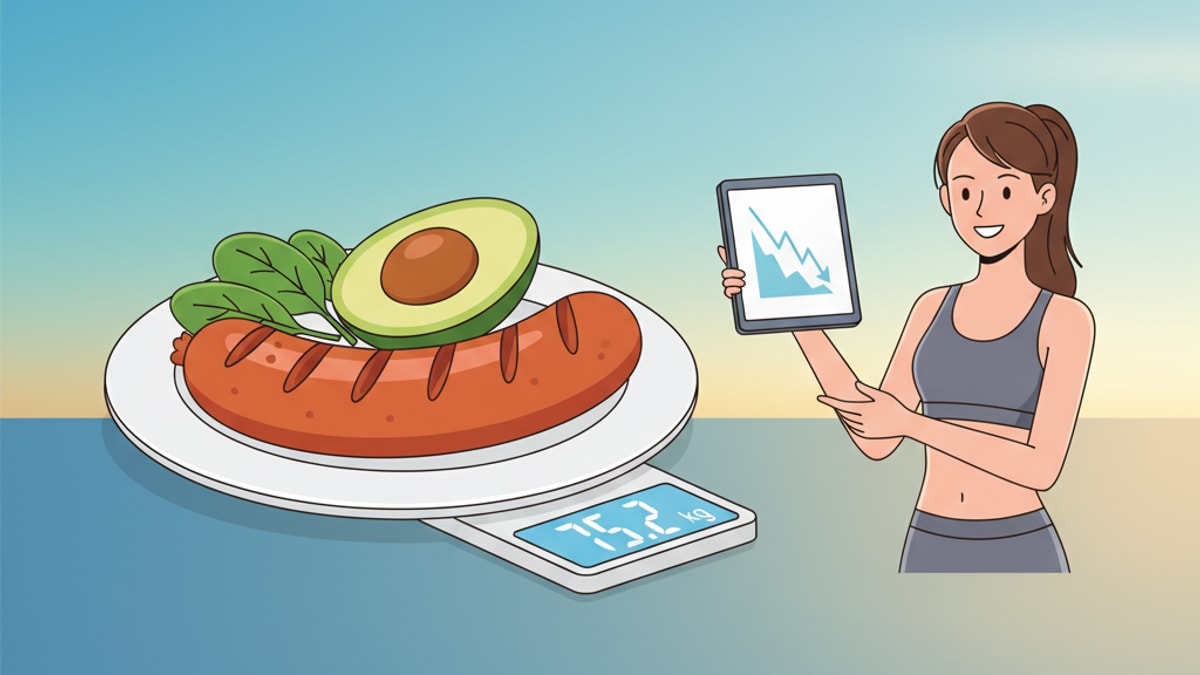
That sizzle in the pan. The incredible, savory aroma that fills the kitchen. Let’s be honest, for many of us, sausage is a comfort food, a breakfast staple, or the star of a backyard barbecue. But when you’re on a weight loss journey, that same beloved food can feel like a formidable roadblock, surrounded by red flags and cautionary advice. So, the question comes up constantly in our practice: is sausage good for weight loss? Or is it a diet-wrecker you have to cut out completely?
Our team at TrimrX has guided thousands of patients through the complexities of sustainable weight management, and we’ve learned that simple “yes” or “no” answers rarely work. The real world of nutrition is far more nuanced. Banning foods often leads to cravings and failure. The key isn't deprivation; it's understanding. It’s about knowing what you’re putting in your body, how it affects your metabolic health, and how to make informed choices that align with your goals. So, let's pull back the curtain on sausage and give you the unflinching truth.
Let's Get Real: The Nutritional Breakdown of Sausage
Before we can label sausage as 'good' or 'bad,' we have to look at what's actually in it. The term 'sausage' is incredibly broad, covering everything from classic pork breakfast links to lean chicken and apple varieties. The nutritional profile can shift dramatically depending on the type of meat, the fat content, and the other ingredients used.
However, let's start with a typical, run-of-the-mill pork sausage you'd find in any grocery store. A standard 3.5-ounce (100g) serving often contains:
- Calories: Anywhere from 300 to 450 calories. That's a significant portion of a daily calorie budget for someone aiming for weight loss.
- Fat: This is the big one. It can pack between 25 to 40 grams of fat, with a large chunk of that—often 10-15 grams—being saturated fat. We can't stress this enough: that's a huge amount for a relatively small serving.
- Protein: Sausage does deliver on protein, typically offering 12 to 20 grams per serving. Protein is crucial for satiety (feeling full) and muscle maintenance during weight loss, which is a point in its favor.
- Sodium: This is an insidious culprit. A single serving can easily contain 600 to 1200 milligrams of sodium, which is a massive slice of the recommended 2,300 mg daily limit. High sodium intake can lead to water retention, bloating, and elevated blood pressure.
- Carbohydrates: Usually very low, unless it's a variety with significant fillers like breadcrumbs or added sugars (especially common in breakfast sausages with maple or brown sugar flavorings).
So, at first glance, the picture isn't great. It's a high-calorie, high-fat, high-sodium food. That’s the reality. But this is just the starting point of the story.
The Problem with Most Supermarket Sausages
Beyond the basic macronutrients, the bigger concern our team often has is the quality and processing of most commercially available sausages. This is where a seemingly simple food choice becomes complicated from a health perspective.
Most conventional sausages are classified as processed meats. This means they’ve been treated—through salting, curing, smoking, or adding chemical preservatives—to enhance flavor or extend shelf life. This processing introduces a few key problems. The first is the addition of nitrates and nitrites. These compounds, while effective preservatives, can form potentially harmful substances in the body when cooked at high heat. While the occasional serving isn't a catastrophe, a diet high in these types of processed meats is consistently linked to negative long-term health outcomes.
Then there are the fillers. To keep costs down, many manufacturers use fillers like rusk, breadcrumbs, soy protein, or starches. These add bulk but offer little nutritional value, essentially diluting the protein content while potentially adding unnecessary simple carbs. It's a classic case of getting less of what you want (protein) and more of what you don't.
The fat itself is also a concern. It’s not just the quantity, but the quality. The fat in conventional sausage is predominantly saturated, which, when consumed in excess, is associated with increased LDL ('bad') cholesterol levels. We've seen it time and time again: a diet heavy in these types of foods can make achieving both weight loss and overall cardiovascular health a difficult, often moving-target objective.
It's a lot to consider.
Not All Sausage Is Created Equal: Finding Healthier Options
Okay, so we've laid out the case against standard sausage. But what if you truly love it? The good news is that you don't necessarily have to say goodbye forever. The market has evolved, and there are now far better options available if you know what to look for.
This is about becoming a savvy consumer. It's about reading labels. It's about shifting your definition of what sausage can be.
Here’s what we recommend looking for:
- Leaner Meats: Swap out the high-fat pork or beef for leaner alternatives. Chicken and turkey sausages are ubiquitous now and offer a much friendlier nutritional profile. They deliver that savory, satisfying flavor with a fraction of the fat and calories.
- Check the Fat Content: Don't just trust the front of the package. Turn it over and look at the nutrition panel. Aim for options with less than 10 grams of total fat and under 5 grams of saturated fat per serving. The difference is dramatic.
- Read the Ingredient List: The shorter, the better. The first ingredient should be meat (e.g., 'chicken,' 'turkey'). Be wary of long lists of chemical-sounding ingredients, added sugars (like corn syrup or dextrose), and excessive fillers.
- Look for 'Nitrate-Free' or 'Uncured': Many brands now offer products that use natural alternatives like celery powder for preservation instead of synthetic nitrates and nitrites. This is a significant step up in quality.
- Watch the Sodium: This is still a challenge even with healthier varieties. Compare brands and choose the one with the lowest sodium content. Every milligram counts.
Even plant-based sausages have become a popular alternative. While some are excellent, others can be just as highly processed and high in sodium as their meat counterparts. The same rule applies: always read the label. Don't assume 'plant-based' automatically means 'healthier.'
To make this crystal clear, let's look at a direct comparison.
Comparison: Standard Pork Sausage vs. Lean Chicken Sausage
Here’s a side-by-side look at a typical 3.5 oz (100g) serving. The numbers can vary by brand, but this gives you a clear picture of the trade-offs.
| Nutrient | Traditional Pork Sausage | Lean Chicken Sausage |
|---|---|---|
| Calories | ~380 kcal | ~150 kcal |
| Total Fat | ~32g | ~7g |
| Saturated Fat | ~12g | ~2g |
| Protein | ~15g | ~20g |
| Sodium | ~900mg | ~550mg |
The difference is staggering, isn't it?
You get more protein for fewer than half the calories and a fraction of the fat. This simple switch allows you to enjoy the food you like while staying firmly on track with your weight loss goals. It's a strategic choice, not a sacrifice.
How Sausage Can (Carefully) Fit into a Weight Loss Plan
So you've found a high-quality, lean chicken or turkey sausage. Now what? Answering the question 'is sausage good for weight loss' still comes down to how you incorporate it.
Our experience shows that even the healthiest foods can hinder progress if not managed correctly. Here’s the approach we've refined over years of clinical practice:
- Portion Control is Non-Negotiable: A 'serving' is not the entire package. Stick to one or two links or one patty. Use a food scale if you need to. This single habit is a game-changer.
- Think of It as a Condiment, Not the Main Event: Instead of having three sausage links with a side of eggs, try crumbling one lean sausage patty into a large vegetable-packed scramble or an omelet. You get all the flavor distributed throughout the dish, but with a much lower caloric impact. It becomes a flavor enhancer, not the centerpiece.
- Load Up on Nutrient-Dense Companions: What you serve with the sausage is just as important. Pair it with high-fiber, high-volume foods. Think a large portion of sautéed spinach and mushrooms, sliced avocado, or a side of fresh berries instead of hash browns and toast. This creates a balanced, satisfying meal that keeps you full for hours.
- Change Your Cooking Method: Pan-frying in oil adds unnecessary fat and calories. Try baking, air-frying, or grilling your sausage instead. These methods allow some of the existing fat to render out, further improving the nutritional profile.
By following these principles, sausage can shift from being a 'forbidden' food to a strategic tool you can use to add flavor and satisfaction to your meals, making your diet feel less like a diet.
The Psychological Factor: Why Cravings Matter
We need to talk about the mental side of this. For a weight loss plan to be truly sustainable, it has to be livable. It can't be a grueling battle of willpower day in and day out. That's a recipe for burnout.
Completely eliminating foods you genuinely enjoy often creates a psychological backlash. It makes the food seem more desirable, leading to intense cravings and, eventually, the potential for a binge. This creates a destructive cycle of restriction, craving, binging, and guilt. We've all seen this happen, right? It's a painful loop.
Allowing yourself a smarter, portion-controlled serving of a food you love—like a quality chicken sausage—can be an act of self-care. It satisfies the craving, prevents feelings of deprivation, and makes it easier to stick to your plan the other 95% of the time. It’s about balance, not perfection.
This is where a truly comprehensive approach to weight loss shines. It’s not just about the food; it’s about your relationship with food. It’s about quieting the 'food noise' in your head so you can make calm, rational decisions instead of reactive, craving-driven ones.
Beyond Diet: The TrimrX Approach to Sustainable Weight Loss
This entire discussion about sausage highlights a fundamental truth we've built our entire program around at TrimrX: focusing on a single food item is like looking at one pixel on a giant screen. To see the whole picture of your health, you need to zoom out. Sustainable weight loss isn't achieved by winning the battle over one sausage link. It's achieved by fundamentally resetting your body's metabolic and hormonal systems.
This is where modern medicine offers a significant, sometimes dramatic shift in what's possible. Our medically-supervised programs utilize FDA-registered GLP-1 medications like Semaglutide and Tirzepatide. These aren't old-school diet pills. They are advanced treatments that work with your body's natural biology to regulate appetite, enhance feelings of fullness, and stabilize blood sugar.
What does this mean in the context of our sausage discussion? It means everything.
When your body's hunger signals are properly regulated, the intense, overwhelming cravings for high-fat, high-sodium foods begin to subside. That constant 'food noise' quiets down. Suddenly, the choice between a greasy pork sausage and a lean chicken sausage isn't a monumental struggle of willpower. It's just… a choice. You can objectively assess your options and pick the one that aligns with your goals without feeling deprived. You might find you're satisfied with just one link instead of three because your body is sending you accurate satiety signals for the first time.
Our programs provide a powerful biological advantage, helping to re-wire the very systems that make dietary changes so difficult. This approach (which we've refined over years) delivers real results because it addresses the root cause, not just the symptoms. We combine this medical support with expert guidance on nutrition and lifestyle, creating a complete ecosystem for your success. We help you build the skills to read labels, make smart swaps, and construct balanced meals, all while the medication works in the background to make those changes feel natural and sustainable rather than forced.
If you're tired of the endless cycle of questioning every food choice and fighting against your own body's cravings, it might be time to explore a more powerful solution. You can see if you're a candidate and learn more when you Take Quiz on our site. It's the first step toward moving beyond the food-by-food struggle and into a state of metabolic control.
So, is sausage good for weight loss? The answer is that the question itself is flawed. The better question is: 'How can I create a system where I can enjoy the foods I love in moderation while my body works with me, not against me, to achieve my goals?' That's the problem we solve. If you're ready, you can Start Your Treatment and begin that journey with our team's full support.
Ultimately, a healthy relationship with food means no single food has the power to make or break your success. It's the overall pattern of your choices, supported by a healthy metabolic system, that dictates your results. With the right tools and expert guidance, you can absolutely have your sausage and eat it, too—as part of a vibrant, healthy, and sustainable lifestyle.
Frequently Asked Questions
How many sausages can I eat and still lose weight?
▼
There’s no magic number, as it depends on the sausage’s nutritional profile and your total daily calorie goals. We recommend sticking to one or two links or one patty of a lean variety, like chicken or turkey, as part of a balanced meal.
Is breakfast sausage healthier than other types of sausage?
▼
Not necessarily. Many breakfast sausages are very high in sodium and can contain added sugars like maple syrup or corn syrup. It’s critical to read the nutrition label on any type of sausage to make an informed choice.
Are plant-based sausages a good alternative for weight loss?
▼
They can be, but you have to be selective. Some are excellent low-fat, high-protein options, while others are highly processed and loaded with sodium and fat. Always check the ingredient list and nutrition facts before assuming it’s a healthier choice.
Which is better for weight loss: chicken or turkey sausage?
▼
Both are excellent lean protein choices and generally far better than pork or beef sausage for weight loss. The nutritional differences between them are usually minimal, so we recommend choosing based on your taste preference and comparing labels for the lowest sodium and fat content.
Will eating sausage kick me out of ketosis?
▼
Most sausages are very low in carbohydrates and are generally considered keto-friendly. However, be cautious of varieties with added sugars or breadcrumb fillers, as these can contain hidden carbs that might impact ketosis.
What’s the healthiest way to cook sausage?
▼
Baking, grilling, or air-frying are the best methods. These allow fat to drip away from the sausage, reducing the overall calorie and fat content. Pan-frying, especially with added oil, is the least healthy option.
Is organic sausage better for weight loss?
▼
Organic certification refers to the farming methods, not necessarily the nutritional content. An organic pork sausage can still be very high in fat and calories. A lean, non-organic chicken sausage is likely a better choice for weight loss.
What should I look for on a sausage nutrition label?
▼
Focus on four key things: low saturated fat (ideally under 5g per serving), high protein (over 15g), low sodium (as low as you can find), and a short, recognizable ingredient list without added sugars.
Can I make my own healthy sausage at home?
▼
Absolutely. Making your own sausage with lean ground chicken or turkey is a fantastic way to control all the ingredients. You can season it with herbs and spices to get great flavor without the high fat, sodium, and preservatives of store-bought versions.
Why do I crave salty foods like sausage on a diet?
▼
Cravings for salty, fatty foods are common during calorie restriction, sometimes due to habit or electrolyte imbalances. A medically-supervised program can help regulate the hormonal signals that drive these intense cravings, making them much easier to manage.
Are ‘uncured’ sausages truly free of nitrates?
▼
Uncured sausages don’t use synthetic nitrates, but they often use natural sources like celery powder, which is a source of nitrates. While many consider this a better option, it’s not technically nitrate-free, just free of added chemical nitrates.

Transforming Lives, One Step at a Time
Keep reading

Do You Need a Prescription for GLP-1s? The 2026 Answer
Wondering ‘do you need a prescription for glp 1’ in 2026? Yes. We explain why a doctor’s oversight is critical for safe, effective results.

How to Get GLP-1 Covered By Insurance: Our 2026 Playbook
Struggling with how to get glp-1 covered by insurance? Our 2026 guide breaks down prior authorizations, appeals, and documentation.

Traveling with GLP-1s in 2026: Your Essential Trip-Proof Plan
Don’t let travel disrupt your GLP-1 treatment. Learn how to travel with glp 1 medications safely and stress-free in our 2026 expert guide.


