Shrimp for Weight Loss: A Biotech Perspective on This Lean Protein
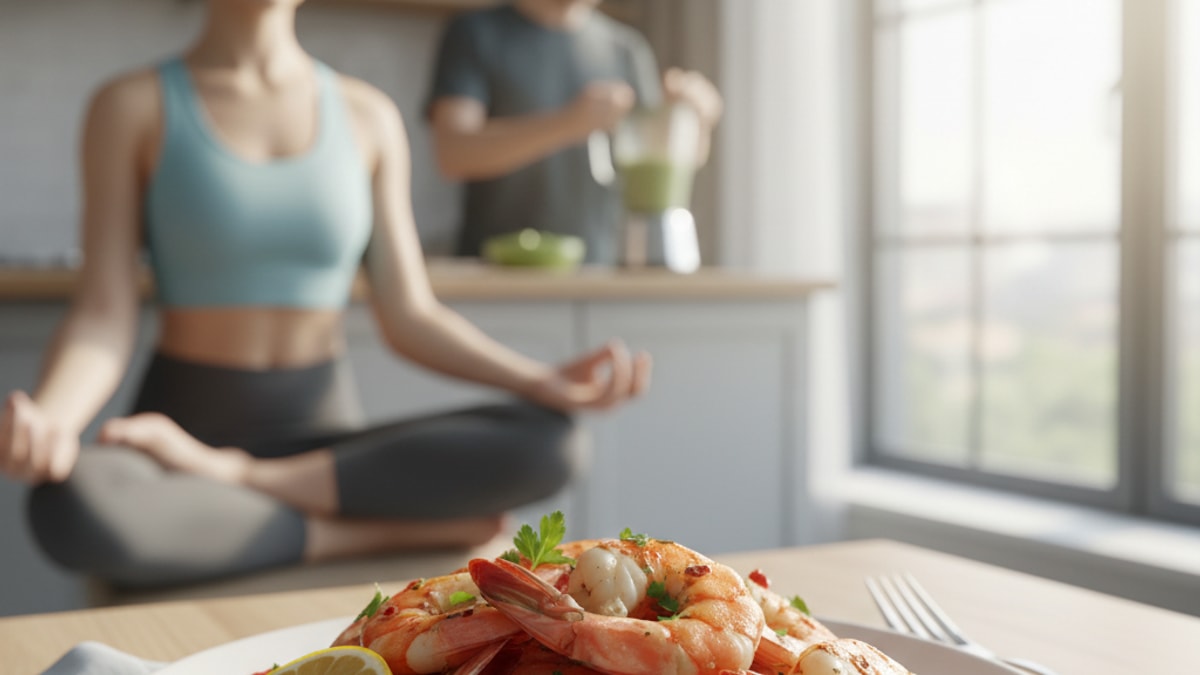
Let's talk about the search. We've all been on it. The hunt for that perfect food that’s delicious, satisfying, and somehow magically helps the numbers on the scale move in the right direction. It's a journey filled with confusing advice and so-called 'superfoods' that often disappoint. In our work at TrimrX, we guide people through the science of sustainable weight loss, and one question comes up more often than you'd think: what about shrimp?
It seems almost too good to be true, doesn't it? A food that features prominently in decadent pasta dishes and cocktail appetizers could actually be a formidable tool for weight management. But our team's experience, backed by a deep dive into nutritional science, shows that when handled correctly, shrimp isn't just good for weight loss—it can be a genuine game-changer. It's about understanding the 'why' and the 'how,' moving beyond headlines to see how this crustacean fits into a modern, medically-supported wellness strategy.
So, Let's Get Straight to It: Is Shrimp Good for Weight Loss?
The short answer? An emphatic yes. But you're not here for the short answer. You're here for the real, actionable insights that make a difference. The reason shrimp is so effective is a powerful trifecta of nutritional properties: it's incredibly high in protein, remarkably low in calories, and contains virtually zero carbohydrates. This combination is the holy grail for anyone looking to shed pounds without feeling perpetually hungry or deprived.
Think about it this way. A four-ounce serving of steamed or grilled shrimp packs a massive protein punch—we're talking around 20-24 grams—for only about 100-120 calories. That's an incredibly efficient delivery of the most satiating macronutrient. We can't stress this enough: satiety, or the feeling of fullness, is the secret weapon in any successful weight loss plan. When you're full and satisfied, you're far less likely to succumb to cravings for high-calorie, low-nutrient foods that derail your progress. Protein is the undisputed champion of satiety, and shrimp is one of its leanest, most accessible sources.
That's the key.
The Nutritional Powerhouse: A Deep Dive into Shrimp's Profile
To truly appreciate shrimp's role, we need to look beyond just protein and calories. It's what's happening at the micronutrient level that elevates it from just a 'good' food to a 'great' one for metabolic health. Our team often reminds clients that weight loss isn't just about subtraction; it's also about adding the right nutrients to fuel your body's machinery.
Shrimp is loaded with essential vitamins and minerals. It’s an excellent source of selenium, a critical component for thyroid hormone production—your thyroid being the master regulator of your metabolism. It also provides a significant amount of iodine, another non-negotiable mineral for thyroid function. A sluggish metabolism can be a formidable barrier to weight loss, and ensuring your thyroid has the building blocks it needs is a foundational step we always recommend. Beyond that, shrimp delivers a healthy dose of Vitamin B12, crucial for energy production, and astaxanthin, a potent antioxidant that gives shrimp its pink color and helps combat inflammation. Chronic inflammation is increasingly linked to weight gain and metabolic dysfunction, so anti-inflammatory foods are always a smart choice.
Here’s a look at how shrimp stacks up against other common protein sources, a comparison we often walk our patients through when designing their nutritional plans.
| Protein Source | Serving Size (4oz) | Calories (Approx.) | Protein (g) | Fat (g) | Our Team's Take |
|---|---|---|---|---|---|
| Grilled Shrimp | 113g | 110 | 23 | 1.5 | Unbeatable protein-to-calorie ratio. Extremely versatile for meals. |
| Chicken Breast (Grilled) | 113g | 185 | 35 | 4 | A classic lean protein, but slightly more caloric than shrimp. |
| Salmon (Baked) | 113g | 230 | 25 | 14 | Higher in calories, but brings essential omega-3 fatty acids to the table. |
| Lean Ground Beef (93/7) | 113g | 170 | 23 | 8 | A good source of iron, but higher in saturated fat than shrimp. |
| Tofu (Firm) | 113g | 85 | 9 | 5 | A solid plant-based option, but you need more volume to match the protein. |
This table makes it clear. While other proteins are fantastic, shrimp holds a unique position for its sheer leanness and efficiency. It’s a powerful tool for hitting your protein goals without overshooting your calorie budget.
How Shrimp Actually Helps You Lose Weight
Understanding the nutritional profile is one thing. Understanding how it translates into actual results is where it gets interesting. There are three core mechanisms at play.
First, as we mentioned, is satiety. Protein takes longer to digest than carbohydrates and has a more profound effect on the hormones that signal fullness to your brain, like peptide YY and GLP-1. (Yes, the very same hormone our medical treatments at TrimrX target). Eating a shrimp salad for lunch means you're far less likely to be raiding the pantry at 3 PM. This hormonal effect is real, measurable, and something we leverage in our comprehensive weight loss programs.
Second is the Thermic Effect of Food (TEF). Your body actually burns calories to digest and process the food you eat. Protein has the highest TEF of all macronutrients, meaning your body uses up to 30% of the protein's calories just to break it down. For every 100 calories of protein you eat, you might only net 70. This gives your metabolism a subtle but consistent boost throughout the day. It’s not a magic bullet, but it’s another piece of the puzzle that makes high-protein diets so effective.
Third is its low calorie density. You can eat a satisfyingly large volume of shrimp for relatively few calories. This psychological component is huge. A plate piled high with grilled shrimp and roasted broccoli feels abundant and satisfying, worlds away from a tiny, calorie-dense portion of a processed snack. Feeling deprived is the enemy of long-term success. Foods like shrimp allow you to eat well and feel good while still maintaining the calorie deficit necessary for weight loss.
The Cholesterol Question: Separating Myth from Reality
Now, let's address the elephant in the room. For decades, shrimp got a bad rap because of its cholesterol content. You've probably heard it. "Don't eat too much shrimp; it's bad for your cholesterol!" This is a prime example of outdated nutritional science that, thankfully, has been thoroughly debunked.
Here's the truth: for the vast majority of people, dietary cholesterol (the cholesterol you eat in food) has a very minimal impact on blood cholesterol (the stuff your doctor measures). Your liver produces the bulk of the cholesterol in your body, and it simply adjusts its production based on how much you consume. What truly drives up harmful LDL cholesterol levels are saturated and trans fats. And what does shrimp have? Very, very little saturated fat.
Our team always encourages looking at the entire food, not just one isolated component. Shrimp is a whole food packed with beneficial nutrients that far outweigh any concerns about its cholesterol content. The American Heart Association and other major health organizations have long since removed their strict limits on dietary cholesterol. So, you can enjoy your shrimp guilt-free. It's not the enemy it was once made out to be.
Cooking Methods Matter. A Lot.
This is where the best intentions can go completely off the rails. You can take this perfect, lean protein and, with a few wrong moves, turn it into a calorie bomb that sabotages your goals. We've seen it happen time and again.
The shrimp itself is not the problem; the preparation is.
Battering and deep-frying shrimp (like in shrimp tempura or popcorn shrimp) adds hundreds of calories from refined flour and inflammatory oils. Drenching it in creamy, buttery sauces (think shrimp scampi or fettuccine alfredo) does the same, loading it with saturated fat and empty calories. These preparations effectively cancel out all of shrimp's natural benefits for weight loss.
To harness its power, you need to stick to healthy cooking methods. We recommend:
- Grilling or Broiling: A little olive oil spray, some garlic, and herbs are all you need. The high heat gives it a fantastic flavor without adding fat.
- Steaming: This is the purest method. Steamed shrimp is perfect for adding to salads, spring rolls, or just eating chilled with a squeeze of lemon and a touch of cocktail sauce (watch the sugar content in the sauce!).
- Sautéing: Use a non-stick pan with a minimal amount of heart-healthy oil like avocado or olive oil. Sauté with a mountain of vegetables like bell peppers, onions, and zucchini for a quick, filling stir-fry.
- Poaching: Gently simmering shrimp in seasoned water or broth keeps it tender and moist, ideal for shrimp salads or ceviche.
Focus on seasoning with spices, herbs, lemon juice, and vinegars instead of heavy fats and sugars. This approach, which we've refined over years of patient guidance, delivers real results.
Integrating Shrimp into a Sustainable Weight Loss Plan
So, how do you make shrimp a regular part of your routine? It’s all about balance and smart pairings. You can't just eat shrimp for every meal. A healthy diet requires variety.
We typically suggest incorporating shrimp into 2-3 meals per week. A good portion size is about 4-6 ounces (around 15-20 medium shrimp), which provides a solid dose of protein. The most critical, non-negotiable element is what you serve with the shrimp. Always, always pair it with a large serving of non-starchy vegetables. This adds fiber, volume, and even more nutrients for very few calories.
Think about a zesty shrimp and avocado salad with a lime vinaigrette. Or a spicy shrimp and broccoli stir-fry over a small portion of quinoa. How about grilled shrimp skewers with cherry tomatoes, zucchini, and bell peppers? These meals are balanced, flavorful, and perfectly aligned with weight loss goals. They keep you full, stabilize your blood sugar, and provide the energy you need to feel your best. It's this holistic view of meal composition that forms the backbone of the nutritional advice we provide at TrimrX.
Beyond Diet: The Role of Medical Science in Weight Loss
Let's be honest, though. For many people, diet and exercise alone feel like an uphill battle. You can have the most impeccable diet plan, filled with lean proteins like shrimp and tons of vegetables, but still struggle against powerful biological signals of hunger and cravings. This isn't a failure of willpower. It's biology. And that's where modern medicine can provide a truly significant, sometimes dramatic shift.
Our work at TrimrX is centered on this very principle. We combine nutritional guidance with advanced, FDA-registered GLP-1 medications like Semaglutide and Tirzepatide. These treatments work with your body's own hormone systems to regulate appetite and reduce 'food noise'—that constant chatter in your head about your next meal. They make it profoundly easier to stick to a healthy eating plan because you're not fighting a relentless battle against your own hunger cues.
Imagine trying to follow a healthy plan where you genuinely feel satisfied with smaller portions and the desire for unhealthy snacks simply fades into the background. That's the synergy we create. The shrimp and vegetable stir-fry doesn't just become something you should eat; it becomes something you want to eat and that fully satisfies you. This is how sustainable, long-term change is made. If you're curious about how this medical approach could complement your own efforts, you can Take Quiz on our site to see if you're a candidate.
Farm-Raised vs. Wild-Caught: Does It Make a Difference?
This is a question our more discerning clients often ask, and it's a valid one. Is there a nutritional or ethical difference between farm-raised and wild-caught shrimp? Yes, there can be.
Wild-caught shrimp tend to have a slightly better nutritional profile. They often have fewer calories and a more robust mineral content because their diet in the wild is more varied. They are also less likely to contain antibiotics, which can be used in some aquaculture operations.
However, sustainability is a complex issue. Overfishing is a serious problem for some wild shrimp populations. On the other hand, shrimp farming (aquaculture) has had its own share of environmental concerns, though practices are improving dramatically. Our professional recommendation is to look for reputable sources. For wild-caught, look for certifications from groups like the Marine Stewardship Council (MSC). For farmed shrimp, look for certifications from the Aquaculture Stewardship Council (ASC) or Best Aquaculture Practices (BAP). These labels ensure that the shrimp you're buying was sourced with environmental and social responsibility in mind.
From a pure weight-loss perspective, both can be excellent choices. Don't let the search for the 'perfect' shrimp prevent you from incorporating this healthy protein into your diet.
Potential Downsides and Allergies to Consider
No food is perfect for everyone. It's our responsibility to provide a balanced view. The most obvious downside to shrimp is that shellfish are one of the top eight food allergens. Allergic reactions can be severe, so if you have a known shellfish allergy, shrimp is obviously off the table completely.
Another consideration is sodium. While fresh shrimp is naturally low in sodium, processed and frozen varieties can sometimes have salt and preservatives added. Always check the label. If you're watching your sodium intake, rinsing frozen shrimp before cooking can help wash some of the excess away. Lastly, be mindful of things like pre-made shrimp rings, which often come with sugary cocktail sauces that can add up in calories and sugar quickly.
These are minor points for most people, but being an informed consumer is always part of a successful health journey. It's about making conscious choices, meal by meal.
Ultimately, shrimp is a remarkably potent tool in a weight loss arsenal. It's lean, satisfying, and nutrient-dense. It proves that you don't have to eat bland, boring food to achieve your goals. But like any tool, it's most effective when used as part of a comprehensive strategy. A strategy that combines smart nutrition with a deep understanding of your own body's biology. When you align your lifestyle choices with powerful medical science, you create a clear and achievable path to lasting health. If you're ready to stop guessing and start building that path, you can Start Your Treatment now.
Frequently Asked Questions
How much shrimp can I eat per week for weight loss?
▼
For most people, incorporating shrimp into 2-3 meals per week is a great strategy. A typical serving size of 4-6 ounces is sufficient to provide a significant protein boost without overdoing it.
Will eating fried shrimp help me lose weight?
▼
Unfortunately, no. While the shrimp itself is healthy, deep-frying it in batter adds hundreds of calories from refined carbs and unhealthy fats. Our team strongly recommends sticking to grilled, steamed, or sautéed preparations to maximize its weight loss benefits.
Is shrimp keto-friendly?
▼
Absolutely. Shrimp is a perfect fit for a ketogenic diet as it contains virtually zero carbohydrates. It’s an excellent way to meet your protein goals while staying firmly in ketosis.
What are the best vegetables to pair with shrimp?
▼
We recommend pairing shrimp with high-fiber, non-starchy vegetables. Great options include broccoli, bell peppers, zucchini, asparagus, spinach, and cauliflower. This combination adds volume and nutrients for very few calories.
Is the cholesterol in shrimp bad for my heart?
▼
This is a common myth. Modern nutritional science has shown that dietary cholesterol has very little impact on blood cholesterol for most people. The saturated and trans fats are the main culprits, and shrimp is very low in both.
Can I eat shrimp if I’m on a GLP-1 medication like Semaglutide?
▼
Yes, shrimp is an excellent food choice for individuals on GLP-1 treatments. Its high protein content promotes satiety, which works synergistically with how the medication helps regulate your appetite, making it easier to stick to your nutrition plan.
What’s better for weight loss, shrimp or chicken?
▼
Both are fantastic lean protein sources. Shrimp has a slight edge in being lower in calories for the same amount of protein. We suggest including both in your diet for variety and a broader range of nutrients.
How does the sodium in shrimp affect weight loss?
▼
Fresh shrimp is naturally low in sodium. However, some frozen or processed versions can have salt added. High sodium intake can cause water retention, which may temporarily mask fat loss on the scale. Always check labels and rinse frozen shrimp if you’re concerned.
Does shrimp contain mercury?
▼
Shrimp is considered a low-mercury seafood option. Because they are small and have a short lifespan, they don’t accumulate heavy metals like larger, predatory fish do, making them a safe choice to eat regularly.
What is astaxanthin in shrimp and is it beneficial?
▼
Astaxanthin is a powerful antioxidant that gives shrimp its pinkish color. Our research shows it helps combat oxidative stress and inflammation in the body, which is highly beneficial for overall metabolic health and can support weight management efforts.
Can I use frozen shrimp for my meals?
▼
Yes, frozen shrimp is a convenient and perfectly healthy option. It’s often frozen shortly after being caught, which preserves its freshness and nutritional value. Just be sure to check the ingredients list for added sodium or preservatives.

Transforming Lives, One Step at a Time
Keep reading
Is Bupropion an SSRI or a Different Antidepressant?
A lot of people ask the same question at some point: is bupropion an SSRI? It usually comes up after hearing about medications like…

Do You Need a Prescription for GLP-1s? The 2026 Answer
Wondering ‘do you need a prescription for glp 1’ in 2026? Yes. We explain why a doctor’s oversight is critical for safe, effective results.

How to Get GLP-1 Covered By Insurance: Our 2026 Playbook
Struggling with how to get glp-1 covered by insurance? Our 2026 guide breaks down prior authorizations, appeals, and documentation.


