Is Sodium Sabotaging Your Weight Loss? Here’s the Real Story
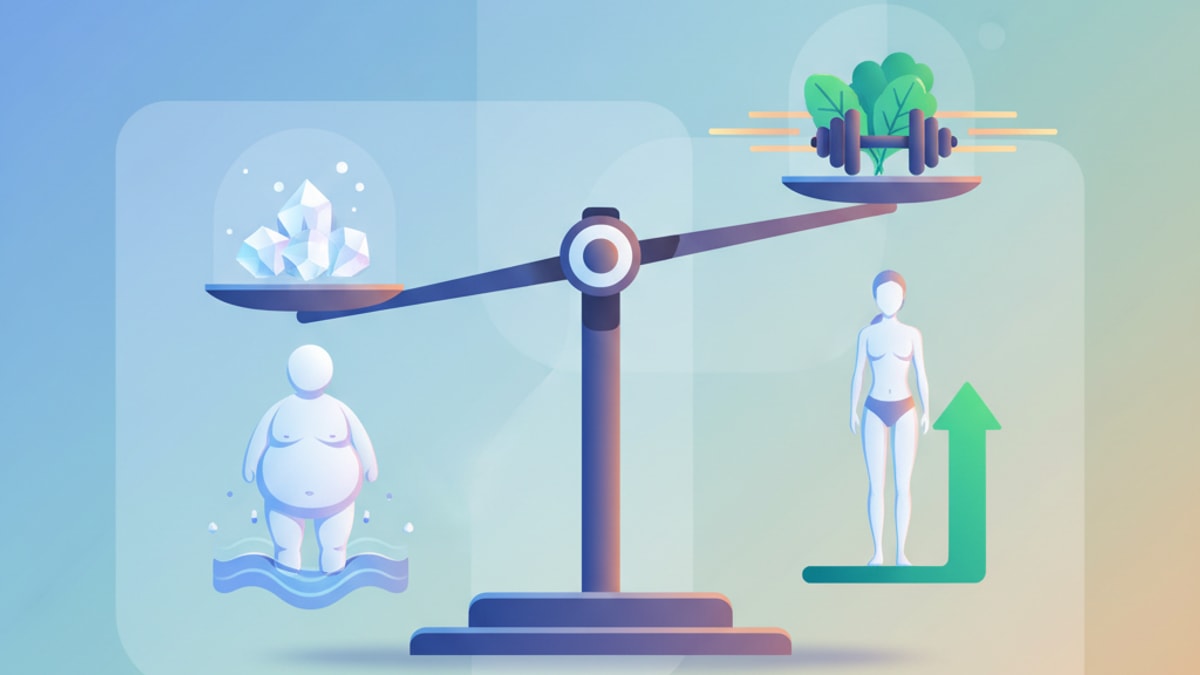
You’re doing everything right. You’re tracking your calories, hitting your workouts, and staying consistent. But you step on the scale, and the number is up. Up! How is that possible? Before the frustration sets in, our team wants you to consider a sneaky, often misunderstood culprit: sodium. The question, “is sodium bad for weight loss?” is one we hear constantly from patients, and the answer isn't a simple yes or no. It's far more nuanced.
Let's be honest, the relationship between salt and the scale can feel like a betrayal. You eat a savory meal—maybe some takeout sushi with soy sauce or a simple canned soup—and suddenly you feel puffy, and your rings feel tight. The scale jumps three pounds overnight. It’s disheartening, and it can make you want to throw in the towel. But we're here to tell you that what you're seeing isn't a reflection of your hard work being undone. It's a temporary biological response, and understanding it is the key to maintaining your sanity and your momentum.
First, Let's Talk About Water Weight vs. Fat Loss
This is the absolute most critical distinction to make, and we can't stress this enough. The weight fluctuations you see from sodium have almost nothing to do with actual fat gain or loss. They are all about water.
Your body is an incredibly complex system that strives for balance, a state called homeostasis. Sodium is an electrolyte, a mineral that carries an electric charge, and it plays a formidable role in regulating your body's fluid levels. When you consume a large amount of sodium, your body holds onto extra water to dilute the salt and maintain the proper sodium concentration in your blood and the fluid surrounding your cells. Think of it as a biological self-preservation mechanism.
This retained water has mass. It has weight. A single liter of water weighs about 2.2 pounds (or 1 kilogram). So, if your body holds onto an extra liter or two of water to balance out a salty meal, you will see a significant, sometimes dramatic, shift on the scale. It's real weight, but it's temporary water weight. It is not fat.
Fat loss, on the other hand, is a much slower, more deliberate metabolic process. It happens when you consistently consume fewer calories than your body expends, forcing it to tap into its fat stores for energy. This process is measured over weeks and months, not hours and days. A single high-sodium day won't create new fat cells or derail the underlying progress you've made. We've seen it work time and time again with our patients: understanding this difference is a game-changer for their mindset.
So, How Does Sodium Actually Cause Water Retention?
Let’s get a little more specific. The process is governed by your kidneys and a series of hormones. When your sodium intake is high, your brain's pituitary gland releases more antidiuretic hormone (ADH). The name says it all: it's 'anti-diuresis,' meaning it tells your kidneys to reabsorb more water and excrete less of it through urine. Your body is essentially saying, "Hold on! We need to keep this water to manage all this salt."
Simultaneously, you’ll likely feel thirstier. That's another signal from your brain, prompting you to drink more fluids to help dilute the sodium. This combination of decreased water output and increased water intake leads to a temporary increase in total body water. It's a brilliant system for short-term balance.
Once your sodium intake returns to a more normal level and your kidneys have had time to process and excrete the excess, your hormone levels will rebalance. Your body will release the stored water, and you'll see that 'whoosh' on the scale as your weight returns to its previous baseline. This can take anywhere from one to three days, depending on your individual body, your hydration levels, and how much excess sodium you consumed. It's a cycle. The key is not to panic mid-cycle.
The Hidden Sodium in Your "Healthy" Diet
Here's where things get tricky. Most people think of a saltshaker when they think of sodium. But the reality is that over 70% of the sodium in the average diet comes from processed, packaged, and restaurant foods. And it's hiding in places you would never expect.
That 'healthy' canned lentil soup? It can pack over 800mg of sodium per serving. The cottage cheese you're eating for protein? Up to 400mg per half-cup. Your favorite salad dressing, the turkey breast from the deli counter, bread, and even some breakfast cereals are loaded with it. Sodium is used not just for flavor but as a preservative to extend shelf life, which makes it ubiquitous in our modern food supply.
Our team has found that one of the most empowering things a person on a weight loss journey can do is become a label detective. Start looking at the nutrition facts panel, specifically at the sodium content. You'll be shocked. The American Heart Association recommends no more than 2,300 milligrams (mg) a day, with an ideal limit of no more than 1,500 mg per day for most adults. It's incredibly easy to blow past that without ever picking up a saltshaker.
To put it into perspective, a single teaspoon of table salt contains about 2,300 mg of sodium. That's the entire recommended daily limit in one tiny spoonful.
Here’s a quick comparison our nutrition experts often share with patients to highlight the difference:
| High-Sodium Processed Choice | Approx. Sodium | Low-Sodium Whole Food Alternative | Approx. Sodium |
|---|---|---|---|
| 1 cup Canned Chicken Noodle Soup | 800-1100 mg | 1 cup Homemade Chicken & Veggie Soup | 100-200 mg |
| 3 oz Deli Turkey Slices | 700-1000 mg | 3 oz Roasted Turkey Breast (homemade) | 60-80 mg |
| 1/2 cup Low-Fat Cottage Cheese | 350-450 mg | 1/2 cup Plain Greek Yogurt | 50-60 mg |
| 2 tbsp Bottled Italian Dressing | 300-500 mg | 2 tbsp Olive Oil & Vinegar | <5 mg |
| 1 Frozen 'Healthy' Dinner | 600-1500 mg | Grilled Chicken, Steamed Broccoli, Quinoa | 100-150 mg |
Looking at this table makes it pretty clear. The choices you make have a colossal impact on your sodium intake, and consequently, on the daily fluctuations you see on the scale.
Is Sodium Directly Bad for Fat Loss? The Nuanced Answer
Okay, so we've established that sodium's primary effect is on water weight, not fat. But does that mean it has zero impact on your actual fat loss goals? Not quite. The connection is more indirect, but it’s definitely there.
Here's how a chronically high-sodium diet can create headwinds for your weight loss efforts:
-
It Can Increase Cravings & Overeating: Salty foods are engineered to be hyper-palatable. They light up the reward centers in your brain, making you want more. Think about it: when was the last time you ate just one potato chip? Salt enhances flavor and drives appetite. This can lead you to consume more calories than you intend, which absolutely does hinder fat loss.
-
It's Linked to High-Calorie Foods: As we saw in the table, high-sodium foods are very often highly processed foods. These foods also tend to be higher in calories, unhealthy fats, and refined carbohydrates, and lower in fiber and micronutrients. So, while the sodium itself isn't the problem, the company it keeps certainly is. A diet centered around these foods makes creating a calorie deficit—the non-negotiable requirement for fat loss—much more challenging.
-
It Can Impact Your Workouts: Feeling bloated and sluggish from water retention doesn't exactly make you want to go crush a high-intensity workout. This physical discomfort can reduce your motivation, decrease your performance in the gym, and lead to less energy expenditure overall. It's a subtle but real effect that can slow your progress over time.
So, while sodium doesn't magically prevent your body from burning fat, a diet pattern that is perpetually high in sodium can create an environment that makes fat loss more difficult. It's not the villain, but it can be an accomplice.
The Blood Pressure Connection: A Critical Health Factor
Beyond the scale, we have to talk about health. This is where our medical perspective at TrimrX becomes paramount. For some individuals, a high-sodium diet can lead to hypertension (high blood pressure). When there's excess sodium in your bloodstream, it pulls water into your blood vessels, increasing the total volume of blood inside them. More blood flowing through the same amount of space leads to higher pressure on the vessel walls.
High blood pressure is a formidable risk factor for heart disease, stroke, and kidney disease. It's often called the 'silent killer' because it has no obvious symptoms. Many of our patients beginning their weight loss journey are also working to improve their metabolic health markers, and blood pressure is a huge one. Managing sodium intake is a critical, non-negotiable element of this process.
Weight loss itself often leads to significant improvements in blood pressure. Combining this with a conscious reduction in sodium intake can have a powerful, synergistic effect on cardiovascular health. This is about so much more than a number on the scale; it's about adding healthy, vibrant years to your life. That's the real goal.
A Smarter Approach to Sodium Management
We don't recommend a draconian, no-salt-ever approach. That's not sustainable or necessary. Sodium is an essential mineral. Your body needs it for proper nerve and muscle function. The goal is balance, not elimination.
Here's what we've learned works best for our patients:
- Focus on Whole Foods: The single most effective strategy is to build your diet around whole, unprocessed foods. Fruits, vegetables, lean proteins, and whole grains are naturally low in sodium. If 80-90% of your diet comes from these sources, you have much more wiggle room for the occasional higher-sodium item.
- Cook at Home More Often: This gives you complete control. You decide how much salt goes into your food. This is a massive advantage over restaurant meals, where sodium levels can be astronomical.
- Use Other Flavor Enhancers: Salt isn't the only way to make food taste good. Experiment with garlic, onion, herbs (like basil, oregano, and cilantro), spices (like cumin, paprika, and chili powder), citrus juices (lemon and lime), and different types of vinegar. They can add incredible flavor with zero sodium.
- Hydrate, Hydrate, Hydrate: Drinking plenty of water is crucial. It helps your kidneys do their job of flushing out excess sodium and can help mitigate some of the bloating and water retention. Don't be afraid to drink water when you feel bloated—it often helps.
- Read the Labels: We'll say it again. Become a detective. Look for products labeled 'low sodium,' 'reduced sodium,' or 'no salt added.' Be mindful of serving sizes. The sodium listed is for one serving, and a package often contains multiple servings.
This approach isn't about perfection. It's about awareness and intention. It's about shifting the balance of your diet from processed to whole, and that shift naturally solves the sodium problem for most people.
How Sodium Fits into a Medically-Supervised Weight Loss Plan
At TrimrX, we see the whole picture. Weight loss is a complex biological process, especially for those who have struggled for years. It's why we utilize powerful tools like GLP-1 medications (Semaglutide and Tirzepatide), which are phenomenal for regulating appetite and improving metabolic function. But medication is just one piece of the puzzle.
Our medical team works with patients to build sustainable lifestyle habits that support their journey. Understanding nutrition—including the role of sodium—is fundamental to this. When you're on a treatment like a GLP-1, you're naturally eating less, so it becomes even more important that the food you do eat is high-quality and nutrient-dense. A smaller portion of a hyper-salty processed meal can still have a major impact on your fluid balance and how you feel.
By helping our patients understand the 'why' behind the scale's fluctuations, we empower them to stay the course. They learn not to panic over a temporary jump in water weight. They can look at it, say, "Ah, that was the sodium from dinner last night," and move on without the emotional turmoil. This psychological resilience is just as important as the physiological changes. It’s why a comprehensive, medically-supervised approach is so effective. If you're ready to see how all the pieces can fit together for you, you can Start Your Treatment with our team.
So, is sodium bad for weight loss? It’s not the direct enemy of fat loss you might think it is. But it’s a powerful influencer of the number on the scale, your overall health, and the habits that can either support or sabotage your long-term success. Don't fear it. Understand it. By managing it wisely, you take back control, not just of the scale, but of your entire health journey. And that's an incredibly powerful feeling.
Frequently Asked Questions
Will cutting out all salt help me lose weight faster?
▼
No, cutting out all salt won’t speed up fat loss and isn’t healthy. Your body needs sodium for essential functions. The rapid weight drop you’d see is just water loss, not fat, and it’s temporary. A balanced, lower-sodium approach is much more sustainable and healthier.
How long does it take for sodium-induced water weight to go away?
▼
For most people, water weight from a high-sodium meal typically subsides within 1 to 3 days. This depends on how much sodium you consumed, your hydration levels, and your individual kidney function. Drinking plenty of water can help expedite the process.
Is sea salt or Himalayan pink salt better for weight loss than table salt?
▼
Nutritionally, sea salt and table salt have the same amount of sodium by weight. While sea salt and pink salt may contain trace minerals, they don’t offer any weight loss advantages. The key is to reduce your overall sodium intake, regardless of the source.
Can high sodium intake stall my progress on a GLP-1 medication like Semaglutide?
▼
High sodium won’t stop the medication from working on a metabolic level, but it can be discouraging. It can cause scale fluctuations that mask your true fat loss progress and lead to discomfort like bloating. We advise patients on GLP-1s to be mindful of sodium to feel their best and see their progress more clearly.
How can I tell if my weight gain is from fat or water retention?
▼
Water weight gain is usually rapid, occurring overnight or within a day, and is often accompanied by bloating or puffiness. Fat gain is a much slower process that happens over weeks or months of a consistent calorie surplus. If the scale jumps 3 pounds overnight, it’s almost certainly water.
What are some surprising foods that are high in sodium?
▼
Many people are surprised to find high sodium levels in cottage cheese, canned vegetables, bread, breakfast cereals, and deli meats. Even ‘healthy’ frozen meals and salad dressings can be loaded with salt, making it crucial to read nutrition labels.
Does sweating out salt during a workout help with weight loss?
▼
Sweating does release sodium and water, which will cause a temporary drop in weight on the scale. However, this is just fluid loss. It’s not fat loss and the weight will return as soon as you rehydrate, which is essential for recovery and health.
Is it possible to consume too little sodium?
▼
Yes, it is possible, though it’s uncommon with a typical diet. A condition called hyponatremia (low sodium levels) can be dangerous. This is why we advocate for sodium reduction, not total elimination. Your body absolutely needs this essential electrolyte to function.
Will a high sodium diet make me look fatter?
▼
A high-sodium diet can make you look and feel puffier or more bloated due to water retention. This can temporarily mask muscle definition and make you appear less lean. Once the water is flushed out, your normal appearance will return.
What’s the first step I should take to lower my sodium intake?
▼
The most impactful first step is to focus on cooking more meals at home with whole ingredients. This single change gives you direct control over how much salt is in your food, dramatically reducing your reliance on high-sodium processed and restaurant foods.
Does potassium intake affect sodium levels?
▼
Yes, potassium plays a crucial role in balancing sodium. It helps your kidneys excrete more sodium and can help relax blood vessel walls, which is beneficial for blood pressure. Eating potassium-rich foods like bananas, spinach, and sweet potatoes is a great strategy for overall fluid balance.

Transforming Lives, One Step at a Time
Keep reading

Do You Need a Prescription for GLP-1s? The 2026 Answer
Wondering ‘do you need a prescription for glp 1’ in 2026? Yes. We explain why a doctor’s oversight is critical for safe, effective results.

How to Get GLP-1 Covered By Insurance: Our 2026 Playbook
Struggling with how to get glp-1 covered by insurance? Our 2026 guide breaks down prior authorizations, appeals, and documentation.

Traveling with GLP-1s in 2026: Your Essential Trip-Proof Plan
Don’t let travel disrupt your GLP-1 treatment. Learn how to travel with glp 1 medications safely and stress-free in our 2026 expert guide.


