Is Steak Good for Weight Loss? Our Unflinching Answer.
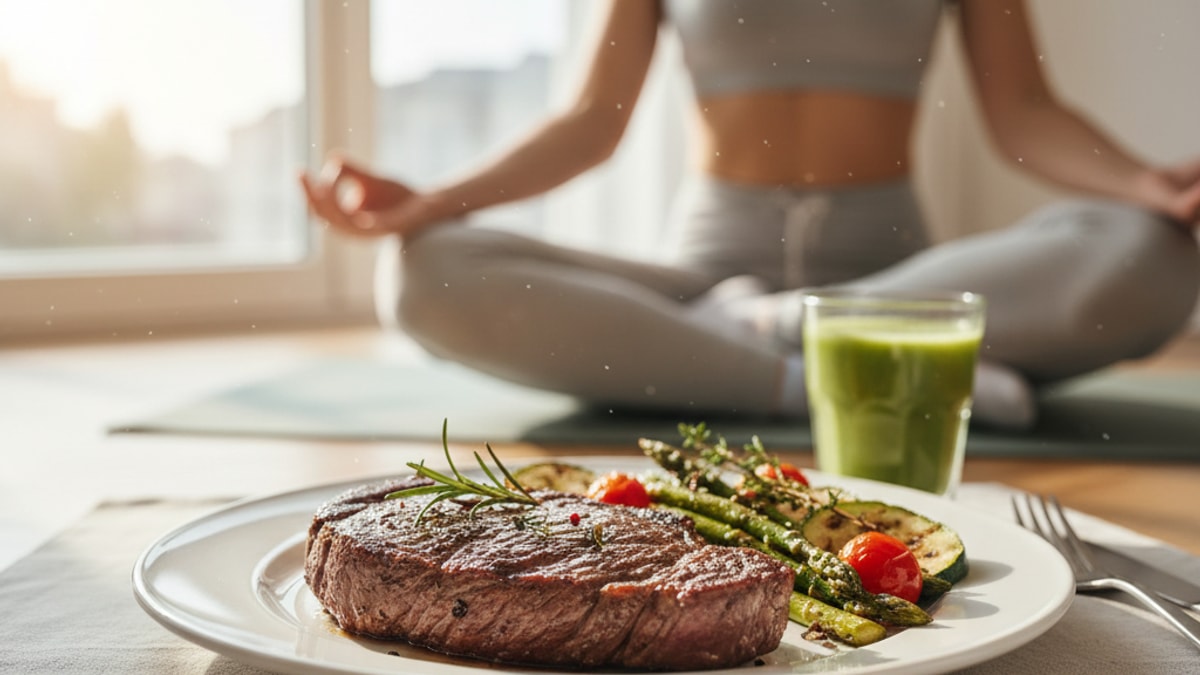
Let's tackle the big question right away: is steak good for weight loss? For years, it's been painted as the villain of a healthy diet—a decadent indulgence reserved for cheat days, not a core component of a serious weight management plan. We’ve all heard it. Red meat is supposedly a fast track to clogged arteries and a stalled scale. But our team is here to tell you that the reality is far more nuanced, and frankly, much more interesting.
From our vantage point, working at the forefront of metabolic science and medically-supervised weight loss, we see things differently. We've found that when approached with intention and knowledge, steak can be a formidable ally in your journey. It's not about eating a massive T-bone every night. It's about understanding the powerful biological levers that high-quality protein can pull, especially when integrated into a comprehensive strategy that might include advanced treatments like the GLP-1 medications we specialize in at TrimrX. So, let’s cut through the noise and get to the core of it.
The Protein Powerhouse: Why Steak Gets a Seat at the Table
First things first, steak is an absolute powerhouse of high-quality, complete protein. This isn't just a buzzword; it's a critical, non-negotiable element for effective and sustainable weight loss. Protein is the most satiating macronutrient, meaning it helps you feel fuller for longer than fats or carbohydrates. This is a game-changer. Why? Because the single greatest battle in weight loss is managing hunger and cravings. A meal centered around a lean cut of steak can dramatically reduce the urge to snack a few hours later, making calorie control feel less like a battle and more like a natural outcome.
But wait, it gets better. Your body actually burns more calories digesting protein than it does digesting other macros. This is called the Thermic Effect of Food (TEF). Protein has a TEF of around 20-30%, while carbs are closer to 5-10% and fats are a mere 0-3%. What does this mean in plain English? If you eat 100 calories of pure protein, your body uses 20-30 of those calories just to process it. It’s a small but significant metabolic advantage that adds up over time. It's like getting a little metabolic boost with every protein-rich meal.
And we can't forget about muscle. During weight loss, a significant concern is losing precious muscle mass along with fat. This is catastrophic for your metabolism, as muscle is your body's primary calorie-burning engine. Consuming adequate protein, especially the complete amino acid profile found in steak, provides the building blocks your body needs to preserve—and even build—lean muscle tissue while it sheds fat. Our experience shows that clients who prioritize protein intake not only see better results on the scale but also achieve a more toned and defined physique. They're losing the right kind of weight.
Not All Steaks Are Created Equal: Choosing the Right Cut
Here’s a crucial point we stress with our clients: the word 'steak' is a sprawling category. A fatty, heavily marbled ribeye is a completely different nutritional entity than a lean, mean sirloin. Making the right choice at the butcher counter or grocery store is paramount. Honestly, this is where many well-intentioned efforts get derailed.
To make this crystal clear, our team put together a quick comparison of popular cuts. Think of this as your cheat sheet for making smarter steak choices.
| Steak Cut (4oz serving, cooked) | Approximate Calories | Protein (g) | Fat (g) | Our Team's Take |
|---|---|---|---|---|
| Filet Mignon (Tenderloin) | 220 | 30g | 11g | The leanest, most tender option. It's pricier but offers an impeccable protein-to-fat ratio. A fantastic choice for a calorie-controlled diet. |
| Top Sirloin | 200 | 34g | 7g | The undisputed champion for lean, budget-friendly protein. It's versatile, flavorful, and a workhorse for healthy meal prep. |
| Flank Steak / Skirt Steak | 230 | 32g | 11g | Lean and intensely beefy. These cuts are best when marinated and sliced thin against the grain. Great for salads, stir-fries, and fajitas. |
| New York Strip | 260 | 32g | 15g | A good middle-ground option. It has more fat than a sirloin but is still a solid choice if you trim the visible fat cap. |
| Ribeye | 320+ | 30g | 22g+ | Deliciously marbled and rich. This is more of an indulgence. While it can fit, the high saturated fat content means it should be an occasional treat, not a staple. |
See the difference? A simple swap from a ribeye to a top sirloin can save you over 100 calories and 15 grams of fat in a single serving. That is a significant, sometimes dramatic shift. It's about being strategic. You don't have to give up the food you love; you just have to choose the smarter version of it.
The Satiety Factor: How Steak Keeps You Fuller, Longer
Let’s dive a little deeper into the science of 'feeling full,' because this is where things get really interesting, especially in the context of modern weight loss therapies. When you eat a protein-rich meal, your digestive system releases a cascade of hormones that signal to your brain that you're satisfied. Key players here are peptides like PYY and, most notably, GLP-1 (Glucagon-Like Peptide-1).
Sound familiar? It should. GLP-1 is the very hormone that medications like Semaglutide and Tirzepatide, which we use in our medically-supervised programs at TrimrX, are designed to mimic. These medications work by amplifying the body's natural satiety signals, slowing digestion, and helping to regulate blood sugar. So, when you eat a food like steak that naturally stimulates your body's own GLP-1 production, you're essentially creating a powerful, synergistic effect. You're using nutrition to support the very same biological pathways that your treatment is targeting.
This is an insight we can't stress enough. A successful weight loss journey isn't just about medication; it's about building a lifestyle and dietary habits that work with your treatment, not against it. Choosing foods that promote profound satiety makes the entire process smoother and more sustainable. You feel less deprived, you fight fewer cravings, and you give your body the high-quality fuel it needs to thrive. It’s a smarter, more integrated approach to lasting change.
Beyond the Protein: The Micronutrient Advantage
While protein gets all the glory, steak also delivers a payload of essential micronutrients that are often overlooked but are absolutely vital during a weight loss phase. When you're in a calorie deficit, it can be challenging to get all the vitamins and minerals your body needs to function optimally. This is where nutrient-dense foods become your best friends.
Steak is one of the best dietary sources of heme iron, the most bioavailable form of iron that your body can easily absorb. Iron is crucial for carrying oxygen in your blood and preventing fatigue—a common complaint during dieting. A deficiency can leave you feeling drained, lethargic, and unmotivated, which can sabotage even the most determined efforts.
Then there's Vitamin B12. This vitamin is a non-negotiable for energy metabolism and neurological function. It helps your body convert the food you eat into usable energy. You can't get B12 from plants, making red meat a critical source for many people. Zinc is another key player found in abundance in steak; it's essential for immune function and hormone regulation, including the hormones that control appetite and metabolism. By including lean steak in your diet, you're not just getting protein; you're fortifying your body with the very nutrients it needs to handle the physiological stress of weight loss and maintain high energy levels.
The Pitfalls: Where People Go Wrong with Steak on a Diet
Okay, let's be honest. Steak isn't a magic bullet. It's a tool, and like any tool, it can be used incorrectly. Our team sees a few common mistakes that can turn this powerful weight loss ally into a dietary disaster.
First is portion control. A serving of meat is typically 3-4 ounces, which is about the size of a deck of cards. Many restaurant steaks are a gargantuan 12, 16, or even 20 ounces. That's a whole day's worth of protein and a massive calorie bomb. You have to be mindful. We recommend buying smaller steaks or cutting larger ones in half before cooking.
Second is the cooking method. Pan-searing a lean sirloin in a teaspoon of olive oil is one thing. Drowning it in butter, wrapping it in bacon, or deep-frying it is another entirely. Stick to grilling, broiling, roasting, or pan-searing with minimal added fat. Let the flavor of the meat shine through without piling on hundreds of extra calories.
And the third, and perhaps most common pitfall, is what we call the 'guilt by association' problem. The steak itself might be a perfectly healthy choice, but it's often served with a mountain of french fries, a loaded baked potato dripping with sour cream and bacon bits, or a thick, creamy sauce. These side dishes are the real culprits. Instead, pair your steak with a huge portion of roasted vegetables like broccoli, asparagus, or bell peppers, and a side salad with a light vinaigrette. This combination maximizes nutrients and fiber while keeping calories in check. It's about the entire plate, not just the protein.
Integrating Steak into a Modern Weight Loss Plan (The TrimrX Approach)
So, how does all this fit into a modern, medically-supported weight loss program like the ones we design at TrimrX? Perfectly, in fact. Our philosophy is rooted in sustainable, science-backed strategies, not extreme deprivation. We don't believe in eliminating entire food groups. Instead, we focus on leveraging the power of both advanced medication and intelligent nutrition.
When a client begins a treatment with a GLP-1 medication, their appetite naturally decreases. This is the 'magic' of the medicine. However, the quality of the calories they consume during this period becomes more important than ever. Because you're eating less, every bite needs to count. This is where nutrient-dense, high-satiety foods like lean steak become invaluable. A small, 4-ounce portion of sirloin can provide over 30 grams of high-quality protein and essential micronutrients, keeping you full and nourished on fewer calories. It helps ensure that the weight you lose is primarily fat, not muscle.
This approach—combining powerful medical tools with smart, sustainable dietary choices—is what delivers real, lasting results. The medication provides the powerful metabolic support to make weight loss achievable, while the nutritional strategy builds the habits that will keep the weight off for good. It's a holistic system. If you're tired of the endless cycle of dieting and ready to see how a comprehensive, medically-guided plan can change your life, we encourage you to take the first step. You can find out if you're a candidate and Start Your Treatment with our simple online process.
What About Red Meat and Health Concerns? A Nuanced View
We wouldn't be doing our job if we didn't address the headlines linking red meat to various health issues. It's a valid concern, but context is everything. Many of the large-scale studies that generate these alarming headlines don't differentiate between a 4-ounce grass-fed sirloin and a highly processed hot dog or a fast-food bacon cheeseburger. They lump all 'red meat' together, which is scientifically problematic.
Our professional observation is that the risk is less about the meat itself and more about the overall dietary pattern. A person whose diet is rich in fruits, vegetables, and whole grains and who includes moderate portions of lean, high-quality red meat is in a completely different category than someone eating processed meats alongside refined carbs and sugary drinks. Quality matters. Choosing grass-fed beef when possible can offer a better fatty acid profile, with more omega-3s and conjugated linoleic acid (CLA). Moderation is key. We're not advocating for a steak-only diet. We're advocating for its strategic inclusion 2-3 times per week as part of a balanced, whole-foods-based eating plan.
Ultimately, the goal is to move away from food fear and toward food intelligence. Understanding the 'why' behind your nutritional choices empowers you to build a plan that is not only effective but also enjoyable and sustainable for the long haul. That's the real victory.
So, is steak good for weight loss? Our definitive answer is a resounding yes—with a few very important conditions. When you choose lean cuts, control your portions, use healthy cooking methods, and pair it with nutrient-rich sides, steak transforms from a dietary villain into a powerful tool for building muscle, crushing hunger, and fueling your body. It's not about restriction; it's about making smarter, more strategic choices that align with your body's biology. It's a prime example of how you can still enjoy the foods you love while achieving formidable results on your journey to a healthier, leaner you.
Frequently Asked Questions
How often can I eat steak when trying to lose weight?
▼
Our team generally recommends incorporating lean steak into your diet 2-3 times per week. This provides the benefits of protein and micronutrients without overdoing it on saturated fat, as part of a varied and balanced eating plan.
Is grass-fed steak better for weight loss than grain-fed?
▼
While both can support weight loss, grass-fed beef often has a slightly better fatty acid profile, including more omega-3s. However, the most important factors for weight loss are choosing lean cuts and controlling portion sizes, regardless of how the cattle was fed.
Can I eat steak while on a GLP-1 medication like Semaglutide?
▼
Absolutely. In fact, we’ve found that high-protein, high-satiety foods like lean steak are an excellent complement to GLP-1 treatments. They work with the medication to help manage hunger and preserve muscle mass on fewer calories.
What is the best way to cook steak for a weight loss diet?
▼
We recommend methods that require minimal added fat, such as grilling, broiling, or pan-searing in a non-stick skillet with a light spray of oil. Avoid deep-frying or using heavy butter-based sauces to keep the calorie count down.
Which cut of steak has the most protein?
▼
Cuts like top sirloin and round steak are champions in the protein department, often packing over 30 grams of protein in a small 4-ounce serving. They provide a fantastic protein-to-calorie ratio for weight management.
Will eating steak make me gain fat?
▼
No single food will make you gain fat. Weight gain is caused by a consistent calorie surplus. Incorporating lean steak in appropriate portions into a calorie-controlled diet can actually support fat loss by boosting satiety and metabolism.
What are the best side dishes to have with steak for weight loss?
▼
Pair your steak with high-fiber, low-calorie options. We suggest a large portion of non-starchy vegetables like roasted broccoli, grilled asparagus, a large green salad with vinaigrette, or sautéed spinach and mushrooms.
Is filet mignon a good choice for a diet?
▼
Yes, filet mignon is an excellent choice. It’s one of the leanest and most tender cuts available, offering a great deal of protein with a relatively low fat content, making it perfect for a calorie-conscious meal.
How does the protein in steak help with cravings?
▼
The high protein content slows digestion and triggers the release of satiety hormones like PYY and GLP-1. This process helps stabilize blood sugar and sends strong signals to your brain that you are full, effectively reducing cravings for hours.
Should I trim the fat off my steak before eating?
▼
Yes, we strongly recommend it. Trimming all visible fat from the edges of your steak before or after cooking is a simple way to significantly reduce the overall calorie and saturated fat content of your meal.
Can I have sauce with my steak on a diet?
▼
Be very careful with sauces, as they are often packed with hidden sugar, fat, and calories. Instead of creamy sauces like béarnaise, opt for a light chimichurri, a fresh salsa, or just a simple seasoning of herbs and spices.

Transforming Lives, One Step at a Time
Keep reading

Do You Need a Prescription for GLP-1s? The 2026 Answer
Wondering ‘do you need a prescription for glp 1’ in 2026? Yes. We explain why a doctor’s oversight is critical for safe, effective results.

How to Get GLP-1 Covered By Insurance: Our 2026 Playbook
Struggling with how to get glp-1 covered by insurance? Our 2026 guide breaks down prior authorizations, appeals, and documentation.

Traveling with GLP-1s in 2026: Your Essential Trip-Proof Plan
Don’t let travel disrupt your GLP-1 treatment. Learn how to travel with glp 1 medications safely and stress-free in our 2026 expert guide.


