Are Sweet Potatoes a Weight Loss Secret Weapon?
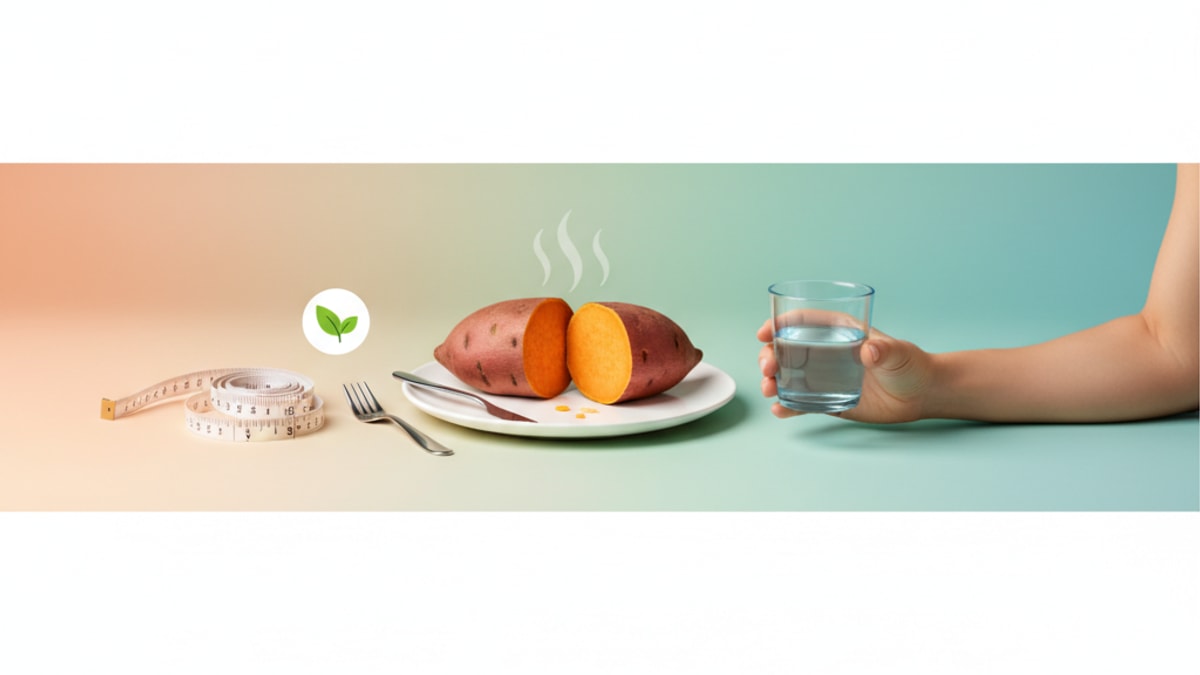
It’s a question we hear all the time, both from patients in our programs and from people just trying to make sense of the sprawling world of nutrition: is sweet potato good for weight loss? On one hand, it’s a starchy carbohydrate, a food group that's often been unfairly villainized. On the other, it’s hailed as a superfood, packed with vitamins and a wholesome alternative to its paler potato cousin. The conversation can get confusing. Fast.
Here at TrimrX, our entire approach is built on cutting through that noise. We focus on the biological and metabolic realities of weight management, using science-backed treatments to help your body work with you, not against you. That same scientific lens is what we apply to nutrition. It’s not about 'good' foods and 'bad' foods. It's about understanding how specific foods impact your body's systems—your blood sugar, your hormones, your hunger signals—and using that knowledge to build a sustainable, effective plan. So, let’s dig in and give the humble sweet potato the expert analysis it deserves.
Why All the Buzz? The Nutritional Powerhouse Within
First things first, let’s get something straight. The sweet potato isn't just a prettier version of a regular potato. It's a distinct root vegetable with a profoundly different nutritional profile. It's this unique makeup that puts it squarely in the conversation for weight management. We're not just talking about calories here; we're talking about nutrient density, which is a concept our team can't stress enough. It's the measure of nutrients you get per calorie consumed. High nutrient density means you're fueling your body efficiently, which is a critical, non-negotiable element of healthy weight loss.
A medium-sized sweet potato (baked, with skin) is a treasure trove of goodness. You're getting a significant dose of Vitamin A, often over 400% of your daily value, primarily in the form of beta-carotene. This is a powerful antioxidant that supports vision, immune function, and cellular health. You'll also find a healthy serving of Vitamin C, Manganese, and Vitamin B6. But for weight loss, the stars of the show are really the carbohydrates and, most importantly, the fiber.
Yes, sweet potatoes are a source of carbs. But this is where nuance becomes essential. All carbs are not created equal. The carbohydrates in sweet potatoes are complex carbohydrates. Unlike simple sugars found in candy or soda that cause a rapid spike and crash in blood sugar, complex carbs are made of longer chains of sugar molecules. Your body has to work harder and longer to break them down. This process provides a slower, more sustained release of energy. Think of it as a log burning slowly in a fireplace versus a piece of paper that flashes and is gone in an instant. That sustained energy is exactly what you want when you're trying to manage appetite and avoid the energy slumps that lead to reaching for unhealthy snacks. It's a foundational principle of metabolic health.
The Fiber Factor: Your Secret Weapon for Satiety
If complex carbs are the main story, then fiber is the blockbuster sequel. This is, without a doubt, one of the most compelling reasons sweet potatoes can be so beneficial for weight loss. They contain a healthy mix of both soluble and insoluble fiber, and each plays a distinct, crucial role.
Soluble fiber dissolves in water to form a gel-like substance in your digestive tract. This 'gel' does a few remarkable things. It physically slows down digestion. That means the food stays in your stomach longer, which contributes to a prolonged feeling of fullness, or satiety. When you feel full and satisfied, you're naturally less likely to overeat or snack between meals. Our experience shows that managing hunger is often the most formidable challenge for individuals on a weight loss journey. It's not about willpower; it's about biochemistry. Soluble fiber is a powerful tool to manage that biochemistry.
Then there's insoluble fiber. This type doesn't dissolve in water and instead adds bulk to your stool. This helps promote regularity and keeps your digestive system running smoothly, which is a cornerstone of overall wellness. A healthy gut is increasingly being linked to better weight management and metabolic outcomes. The combination of these two fiber types makes the sweet potato an absolute champion for both gut health and appetite control. It's not magic. It's just smart science, working with your body's natural systems to create an environment conducive to weight loss.
Blood Sugar, Glycemic Index, and Why It Matters
Now, this is where it gets really interesting, especially from our perspective at TrimrX. A huge part of effective, long-term weight management is controlling blood sugar levels. Wild swings in blood sugar—the kind you get from highly processed, sugary foods—lead to insulin spikes, energy crashes, and intense cravings. It’s a vicious cycle that makes sticking to a healthy eating plan incredibly difficult.
This is where the concepts of Glycemic Index (GI) and Glycemic Load (GL) come in. The GI is a scale from 0 to 100 that ranks carbohydrate-containing foods by how much they raise blood glucose levels. Foods with a high GI are rapidly digested and cause a significant spike in blood sugar. Foods with a low GI are digested more slowly, leading to a gentler, more gradual rise. Sweet potatoes, especially when boiled, have a medium-to-low GI, typically ranging from 44 to 61. For comparison, a boiled white potato can have a GI of 82 or higher.
This lower GI is a game-changer. By choosing foods that don't send your blood sugar on a rollercoaster, you support hormonal balance, reduce cravings, and maintain more consistent energy levels throughout the day. This principle of blood sugar regulation is fundamental to what we do. It's one of the primary mechanisms by which advanced GLP-1 medications work—by helping to smooth out those peaks and valleys, which in turn helps regulate appetite and improve the body's response to insulin. Incorporating foods like sweet potatoes into your diet is a nutritional strategy that aligns perfectly with this modern, science-based approach to metabolic health. You're using your food choices to support the very same biological systems that medical treatments aim to optimize.
The Preparation Pitfall: How You Cook Matters Most
Let's be honest, this is crucial. You can take the world's healthiest food and, with a few poor choices, turn it into a diet-wrecker. The immense benefits of the sweet potato are directly tied to how you prepare it. We've seen it time and time again: a client thinks they're making a healthy choice, but the preparation method is sabotaging their progress. We can't stress this enough.
The cooking method can dramatically alter the food's nutritional profile, especially its Glycemic Index. Frying, for example, not only adds a massive amount of fat and calories but can also increase the formation of potentially harmful compounds. Loading a baked sweet potato with butter, brown sugar, or marshmallows (a classic holiday dish) effectively turns a nutrient-dense vegetable into a dessert. It completely negates the purpose if weight loss is the goal.
To make it crystal clear, our team put together a simple breakdown of the most common cooking methods and their impact on your weight loss goals.
| Preparation Method | Calorie & Fat Impact | Glycemic Index (GI) | Nutrient Retention | Our Recommendation |
|---|---|---|---|---|
| Boiling/Steaming | Lowest. No added fats or sugars. | Lowest. Water helps gelatinize starches slowly. | Good. Some water-soluble vitamins (like C) may leach out, but overall nutrient profile remains strong. | Excellent. The best choice for maximizing weight loss benefits and blood sugar control. Mash with herbs or a little Greek yogurt. |
| Baking/Roasting | Low, as long as you use minimal oil. | Higher. The dry heat concentrates sugars, raising the GI compared to boiling. | Excellent. The skin helps lock in nutrients. | Very Good. A great option for flavor. Use a light spritz of olive oil and seasonings like paprika and garlic powder. Watch your toppings! |
| Frying | Highest. The potato absorbs a significant amount of oil. | Variable, but the added fat and calories are the main issue. | Poor. High heat can degrade sensitive vitamins. | Avoid. Sweet potato fries from a restaurant are a nutritional trap. Even homemade versions should be a rare treat, preferably air-fried. |
The takeaway is simple: stick to boiling, steaming, baking, or roasting with minimal additions. Let the natural sweetness and earthy flavor of the potato shine through. Season with spices like cinnamon, nutmeg, chili powder, or smoked paprika instead of sugar and fat.
Sweet Potatoes vs. White Potatoes: The Real Showdown
This is the classic nutritional debate. For years, white potatoes were cast as the villain while sweet potatoes wore the hero's cape. The reality, as is often the case in nutrition, is far more nuanced. White potatoes are not 'bad.' They are an excellent source of potassium, which is crucial for blood pressure regulation, and they also provide Vitamin C. They've simply gotten a bad rap, largely because of their most popular preparation method: deep-fried french fries.
However, when we're focused squarely on the goal of weight loss, the sweet potato generally has a few distinct advantages. The most significant, as we've discussed, is its lower glycemic index and higher fiber content. That one-two punch of better blood sugar control and enhanced satiety gives it a clear edge. The astronomical Vitamin A content is another major bonus for overall health.
But this doesn't mean you must banish white potatoes forever. A small, boiled or baked white potato (with the skin on for extra fiber) can still fit into a healthy weight loss plan. The key, as always, is preparation and portion size. Our team advises clients to think of starchy vegetables as their primary energy source for a meal, not just a side dish. Build your plate with a portion of potato (sweet or white), a lean protein source, and a large serving of non-starchy vegetables. This balanced approach ensures you're getting a complete nutritional package that supports your goals.
Integrating Sweet Potatoes into a Sustainable Plan
Knowing a food is healthy is one thing. Actually incorporating it into your life in a way that feels easy and enjoyable is another. The best diet is the one you can stick with, and that means your food has to be practical and delicious.
Fortunately, sweet potatoes are incredibly versatile. Here are a few practical, expert-approved ways to make them a regular part of your routine:
- The Power Side Dish: Instead of rice or pasta, try a side of mashed or roasted sweet potato. A half-cup serving is a great place to start. Mash it with a fork, a splash of unsweetened almond milk, and a dash of cinnamon for a creamy, satisfying side for grilled chicken or fish.
- The Salad Enhancer: Add cubes of roasted sweet potato to your salads. Their texture and sweetness provide a fantastic contrast to leafy greens, crunchy nuts, and a sharp vinaigrette. They make a simple salad feel like a hearty, gourmet meal.
- The Breakfast Swap: Try 'sweet potato toast.' Slice a large sweet potato lengthwise into quarter-inch-thick planks. Pop them in the toaster (you may need to run them through two or three cycles) until tender and slightly browned. Top with avocado and a sprinkle of red pepper flakes, or a smear of almond butter.
- The Soup Base: Boiled and pureed sweet potatoes create a wonderfully creamy and thick base for soups and stews, without needing to add heavy cream. Blend with vegetable broth, onions, carrots, and warming spices like ginger and turmeric for an immune-boosting meal.
Portion control remains paramount. Even with a healthy food, calories still count. A good rule of thumb is to aim for a serving size that's about the size of your computer mouse or your clenched fist. This ensures you get all the benefits without overdoing the carbohydrates and calories.
When Nutrition Isn't Enough: A Modern Approach to Weight Loss
We've dedicated this entire discussion to one food, and for good reason—it illustrates the power of making informed nutritional choices. A diet rich in fiber, complex carbs, and micronutrients is the foundation of any successful weight loss plan. It’s non-negotiable.
However, our team at TrimrX works every day with individuals for whom that foundation, on its own, isn't enough to overcome their biological hurdles. For many, weight loss isn't just a matter of eating less and moving more. It's a complex battle against genetics, hormonal imbalances, and a metabolic system that may be actively resisting change. It's a difficult, often moving-target objective. When your body's own hunger signals and metabolic rate are working against you, even the most perfect diet can feel like an uphill, unwinnable fight.
This is precisely where modern medicine has made a significant, sometimes dramatic shift. We now have a deeper understanding of the biochemistry of weight. We know that hormones like GLP-1 (glucagon-like peptide-1) play a central role in regulating appetite, insulin secretion, and how quickly your stomach empties. For individuals with weight-related health conditions, their natural GLP-1 response may be impaired. Medically-supervised treatments using GLP-1 medications, such as Semaglutide and Tirzepatide, are designed to address this biological reality. They work with your body to help restore balance, reduce the constant 'food noise,' and make it physiologically easier to adhere to a healthy, lower-calorie diet.
This approach isn't a replacement for healthy eating. It's a powerful amplifier. The treatments create a biological environment where your healthy choices—like choosing a baked sweet potato over french fries—can finally have the profound impact they're supposed to. If you feel like you've been doing everything right but the scale refuses to budge, it may not be a failure of willpower, but a sign that you need a more powerful set of tools. If you're curious whether this approach could be right for you, you can Take Quiz to see if you're a candidate for our program.
So, is sweet potato good for weight loss? The answer is a resounding yes. It's a nutrient-dense, high-fiber, blood-sugar-friendly carbohydrate that can be a fantastic ally in your journey. It provides sustained energy, promotes fullness, and supports overall health. But it's just one piece of a much larger puzzle.
True, sustainable success comes from a holistic strategy: smart nutrition, consistent movement, and, when necessary, advanced medical support to address the underlying biology. It's about building a comprehensive system that makes your goals not just possible, but achievable. Ready to build that system? Start Your Treatment with our team of medical experts today.
Frequently Asked Questions
Can I eat sweet potatoes every day for weight loss?
▼
You certainly can, as long as it’s part of a varied and balanced diet. We recommend rotating your carbohydrate sources to ensure a wide range of nutrients, but a daily serving of sweet potato, prepared healthily, is perfectly fine.
Are purple sweet potatoes better for weight loss than orange ones?
▼
Both are excellent choices. Purple sweet potatoes get their color from anthocyanins, a powerful type of antioxidant. While they may offer some unique health benefits, their fiber and carbohydrate content are very similar to orange varieties, making both great for weight management.
What is the best time of day to eat sweet potatoes for weight loss?
▼
There’s no single ‘best’ time. Including them in your lunch can provide sustained energy to prevent an afternoon slump and snacking. Having them with dinner can promote satiety and prevent late-night cravings. It’s more about how they fit into your overall daily calorie and macro goals.
Do sweet potatoes cause belly fat?
▼
No single food causes fat gain in a specific area. Weight gain, including around the belly, is caused by a consistent surplus of calories. When eaten in appropriate portions as part of a calorie-controlled diet, sweet potatoes are more likely to support fat loss due to their high fiber content and effect on fullness.
How large should my portion of sweet potato be?
▼
A great starting point is a serving about the size of your clenched fist, which is roughly one medium sweet potato or about a half-cup to one cup when cooked. Our team always emphasizes that portion control is critical, even with healthy foods.
Are sweet potato fries a healthy option?
▼
Typically, no. Restaurant-style sweet potato fries are deep-fried in oil, which adds a tremendous amount of fat and calories, negating their health benefits. If you love them, we suggest making them at home in an air fryer or baking them with minimal oil.
Should I eat the skin of the sweet potato?
▼
Absolutely! The skin is a fantastic source of fiber and nutrients. Just be sure to scrub the potato thoroughly before cooking. Eating the skin maximizes the vegetable’s benefits for digestion and satiety.
Can sweet potatoes help with cravings for sugar?
▼
Yes, they can be very effective. Their natural sweetness can satisfy a sweet tooth in a healthy way. More importantly, their combination of complex carbs and fiber helps stabilize blood sugar, which is a key factor in preventing the intense sugar cravings that come from blood sugar crashes.
Are canned sweet potatoes as healthy as fresh ones?
▼
It depends on how they’re canned. If they are canned in water with no added sugar or syrup, they can be a convenient and healthy option. Always check the label and avoid those packed in heavy syrup, which is just liquid sugar.
Can I eat sweet potatoes if I’m on a low-carb diet?
▼
This depends on the specific carbohydrate limit of your diet. On a strict ketogenic diet, sweet potatoes are generally too high in carbs. However, on a more moderate low-carb plan, a small portion might fit into your daily budget.
Does roasting a sweet potato make it bad for weight loss?
▼
Not at all, as long as you’re mindful of additions. Roasting does raise the glycemic index slightly compared to boiling, but it’s still a very healthy preparation method. The key is to use a minimal amount of healthy oil and season with spices instead of sugar.
How do sweet potatoes fit in with a program like TrimrX?
▼
They fit in perfectly. Our medically-supervised programs, which may include GLP-1 medications, work by helping to regulate appetite and blood sugar. Foods like sweet potatoes complement this beautifully by providing sustained energy and fiber-induced fullness, making it easier to achieve and maintain a healthy calorie deficit.

Transforming Lives, One Step at a Time
Keep reading

Do You Need a Prescription for GLP-1s? The 2026 Answer
Wondering ‘do you need a prescription for glp 1’ in 2026? Yes. We explain why a doctor’s oversight is critical for safe, effective results.

How to Get GLP-1 Covered By Insurance: Our 2026 Playbook
Struggling with how to get glp-1 covered by insurance? Our 2026 guide breaks down prior authorizations, appeals, and documentation.

Traveling with GLP-1s in 2026: Your Essential Trip-Proof Plan
Don’t let travel disrupt your GLP-1 treatment. Learn how to travel with glp 1 medications safely and stress-free in our 2026 expert guide.


