Is Taking Ozempic Cheating?
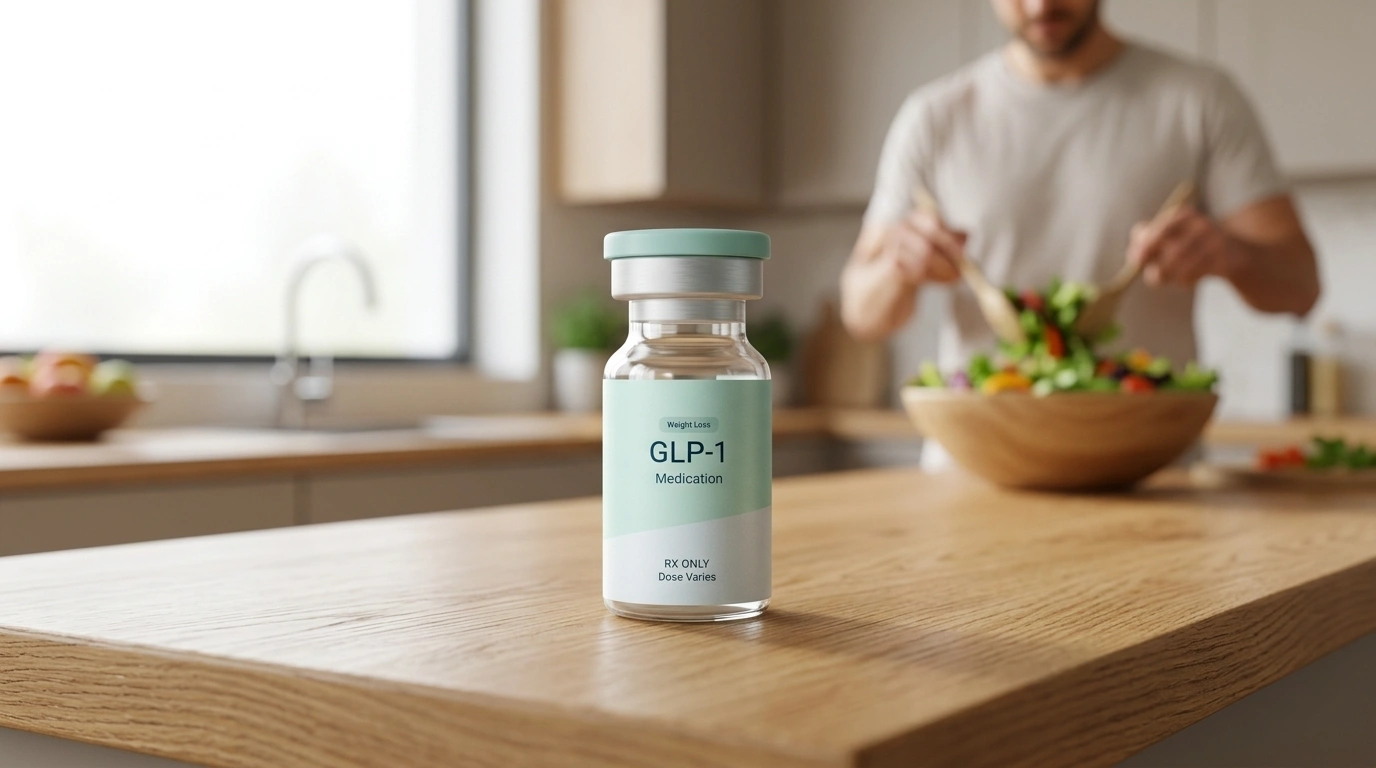
Introduction
Standing in front of a mirror or looking at a scale, many of us have felt the heavy weight of expectation. For years, the narrative around weight loss has been singular: if you just try harder, eat less, and move more, you will succeed. When a medical tool like Ozempic® or Wegovy® enters the picture, it can trigger a complex internal dialogue. You might wonder if using a medication to manage your weight is taking the “easy way out” or if it somehow invalidates your progress. At TrimRx, we believe that understanding the science behind metabolic health is the first step toward silencing that inner critic. This article explores the biological reality of weight management, the origins of the “cheating” stigma, and why treating a chronic condition with modern medicine is a valid, proactive choice for your health. If you’re ready to take the next step, take the free assessment quiz. Choosing to use every tool available is not a shortcut; it is a strategy for long-term wellness.
The Biological Reality of Weight Management
To answer whether taking a GLP-1 medication is cheating, we must first understand what these medications actually do in the body. The “willpower” argument assumes that every person starts on a level playing field. However, clinical research into metabolic health tells a different story.
Many individuals struggling with obesity or chronic weight gain have a biological disadvantage. Glucagon-like peptide-1 (GLP-1) is a hormone naturally secreted by the gut after we eat. Its job is to tell the brain we are full, slow down how quickly the stomach empties, and help the body manage insulin. Research suggests that some people produce less of this hormone or that their bodies are less sensitive to its signals.
When someone has a GLP-1 deficiency, they may experience constant “food noise.” This term describes the persistent, intrusive thoughts about food that make it nearly impossible to stick to a traditional diet. It isn’t a lack of discipline; it is a physiological signal. Medications like semaglutide (the active ingredient in Ozempic) and tirzepatide (the active ingredient in Mounjaro®) are glucagon-like peptide-1 receptor agonists. This means they mimic the natural hormone, effectively turning down the volume on food noise and allowing the body to respond to hunger and fullness cues the way it was designed to. If you want to see whether a personalized program is appropriate, find out if you qualify for a personalized GLP-1 program.
Quick Answer: No, taking medication for weight loss is not cheating. Obesity is a complex, chronic disease influenced by genetics and biology. Using medication to address hormone imbalances is a legitimate medical treatment, similar to using medication for high blood pressure or cholesterol.
Why the “Cheating” Stigma Persists
The idea that weight loss must be “earned” through suffering is deeply rooted in our culture. For decades, society has viewed body weight as a moral compass. If someone is thin, they are seen as disciplined; if someone is overweight, they are often unfairly judged as lazy.
This moralizing of health creates a “no-win” scenario. When a person loses weight through a medical intervention, critics may claim they didn’t “work” for it. This perspective ignores the fact that we do not apply this logic to other health conditions. We do not tell someone with a thyroid condition that taking hormone replacement is “cheating” at having energy. We do not tell a person with myopia that wearing glasses is “cheating” at seeing.
The “Effort” Comparison
| Feature | Lifestyle Changes Alone | Medication + Lifestyle (Personalized Program) |
|---|---|---|
| Primary Driver | Pure Willpower | Biological Regulation + Willpower |
| Food Noise | Remains High for many | Significantly Reduced |
| Metabolic Impact | Can lead to “starvation mode” | Supports healthy insulin response |
| Adherence | High failure rate due to hunger | Improved adherence to healthy habits |
The 2025 study on public perception found that people often rate those who use GLP-1 medications as “less praiseworthy” than those who only diet and exercise. This reflects a misunderstanding of how much effort is still required when taking medication.
The Hidden Effort of a GLP-1 Journey
A common misconception is that you simply take a weekly injection and the weight disappears without any effort. In reality, the most successful outcomes occur when medication is used as a foundation for broader lifestyle changes.
In the clinical trials for semaglutide, such as the STEP trials, participants did not just take the medication. They were also required to maintain a calorie deficit and perform 150 minutes of physical activity per week. The medication didn’t do the exercise for them; it simply made it possible for them to stick to their nutritional goals without being overcome by intense hunger.
At TrimRx, our personalized programs are designed to support these lifestyle shifts. Taking the medication is one part of a multi-step process that includes:
- Prioritizing high protein intake to protect muscle mass.
- Staying hydrated and managing potential side effects.
- Committing to regular movement.
- Learning to listen to new fullness signals.
Key Takeaway: Medication does not replace the need for healthy habits; it removes the biological barriers that prevent those habits from taking root. It is a tool that empowers you to do the work, not a replacement for the work itself.
For nutritional support during treatment, our GLP-1 Daily Support supplement is designed to help support the nutritional needs that can arise during treatment.
Our Weight Loss Boost supplement is another option for people looking for energy support during weight loss.
The Mental Toll of “Secret Jabbers”
Because of the stigma surrounding weight loss medications, many people choose to keep their treatment a secret. These “secret jabbers” often go to great lengths to hide their medication from friends, coworkers, and even spouses. This secrecy is fueled by a fear of being judged or told they are taking the “easy way out.”
Hiding a medical treatment can be exhausting. It adds a layer of anxiety to what should be a journey toward health and confidence. When people hide their use of GLP-1s, they miss out on the support systems that are often vital for long-term success.
We believe that no one should feel the need to hide their path to wellness. Telehealth platforms provide a private, discreet way to access care, but the goal should always be to move toward a society where medical weight management is treated with the same respect as any other healthcare choice.
Why People Choose Secrecy:
- Fear of Judgment: Worrying that others will view their weight loss as “fake.”
- Unsolicited Advice: Wanting to avoid lectures on “doing it the natural way.”
- Workplace Bias: Concern that being on “weight loss drugs” might lead to professional stereotyping.
- Family Pressure: Avoiding conflict with relatives who have strong opinions on medication.
Understanding the Medications Involved
If you are considering this path, it is important to understand the different options available through a healthcare provider. There are both branded and compounded versions of these treatments.
Branded Medications
Ozempic®, Wegovy®, Mounjaro®, and Zepbound® are branded, FDA-approved medications. Ozempic and Mounjaro are primarily indicated for type 2 diabetes, while Wegovy and Zepbound are specifically indicated for chronic weight management. While these are highly effective, they can sometimes face supply shortages or insurance hurdles.
Compounded Medications
When branded medications are in short supply, some patients turn to compounded semaglutide or compounded tirzepatide. These are prepared by licensed pharmacists in FDA-registered and inspected compounding pharmacies.
Important: It is critical to note that compounded medications are not FDA-approved. However, they are a common alternative when patients cannot access branded versions. They contain the same active ingredients and are prescribed by licensed providers based on an individual’s medical history.
Managing the Physical Challenges
If taking Ozempic were truly “easy,” it would not come with the physical adjustments many patients experience. For many, the first few months involve managing side effects like nausea, fatigue, or changes in digestion.
Commonly reported side effects include:
- Nausea: Often most noticeable after the first few doses or when increasing the dosage.
- Changes in Appetite: Learning to eat smaller portions can be a significant mental adjustment.
- Gastrointestinal Changes: Diarrhea or constipation as the body adapts to slowed gastric emptying.
- Fatigue: Some users report feeling more tired as their body adjusts to a different caloric intake.
Managing these symptoms requires patience and careful attention to nutrition. This is why our platform emphasizes a comprehensive approach.
Reframing the Conversation: Health vs. Aesthetics
The “cheating” narrative often focuses on the aesthetic change—the “red carpet” look. But for the vast majority of people, the motivation is much deeper. It is about reducing the risk of heart disease, managing blood sugar, relieving joint pain, and being able to play with their children or grandchildren without getting winded.
When we shift the focus from “how someone looks” to “how someone’s body functions,” the cheating argument falls apart. Improving your cardiovascular health or metabolic markers is a medical victory.
Action Steps for Navigating the “Cheating” Narrative:
- Educate Yourself: Understand the GLP-1 hormone and why your body might need support.
- Focus on Metrics: Track your energy levels, blood pressure, and mobility, not just the scale.
- Find Your “Why”: Remind yourself that you are doing this for your long-term health, not for anyone else’s approval.
- Consult a Professional: Always speak with a licensed healthcare provider to ensure you are eligible and that the treatment plan is safe for your specific health profile.
Is Telehealth the Right Path for You?
One of the reasons the conversation around these medications has grown so loud is the increased accessibility through telehealth. In the past, seeking medical help for weight loss required multiple in-person visits, often leading to “waiting room anxiety” and feelings of shame.
Our platform removes those barriers. We provide a telehealth-first experience where you can complete a free assessment quiz from the comfort of your home. This information is reviewed by a licensed provider who determines if a GLP-1 program is appropriate for you.
What to expect in a personalized program:
- Medical Screening: An in-depth look at your health history and goals.
- Licensed Providers: Direct access to professionals who understand metabolic health.
- Ongoing Support: Unlimited access to specialists to help you navigate your journey.
- Convenience: Medications are shipped directly to your door from trusted pharmacies, with coordinated support for dosage changes.
Conclusion
The question of whether taking Ozempic is cheating ultimately depends on how you view health. If you view weight loss as a punishment that must be endured, any tool that makes it manageable will feel like a shortcut. But if you view obesity as a chronic medical condition—one influenced by genetics, hormones, and environment—then medication becomes a vital, life-saving tool.
At TrimRx, our mission is to help individuals embrace healthier lifestyles through science, empathy, and transparency. We believe that everyone deserves a personalized approach to sustainable weight loss that doesn’t rely on shame or impossible standards of willpower. Taking the first step toward a healthier version of yourself isn’t cheating; it’s a courageous act of self-care.
Bottom line: You wouldn’t refuse a cast for a broken bone because you wanted to “prove” you could heal on your own. Don’t refuse medical support for your metabolic health for the same reason.
Next Step: If you’re ready to see if a personalized, medically supervised program is right for your needs, see if you qualify for a personalized program to get started.
FAQ
Is using semaglutide the “easy way out” for weight loss?
No, it is a medical treatment for a complex biological issue. While the medication helps reduce hunger, patients still must make significant changes to their diet and activity levels to achieve and maintain long-term results. If you’re considering treatment, free assessment quiz.
Why do some people call GLP-1 medications “cheating”?
This perspective usually stems from weight stigma and the outdated belief that weight is solely a matter of willpower. It ignores the scientific reality that obesity is a chronic disease involving hormonal imbalances that medication is designed to correct.
Do I still have to exercise if I use a weight loss injection?
Yes, exercise is a critical component of any healthy weight loss plan. Physical activity helps preserve muscle mass, improves cardiovascular health, and supports the long-term metabolic changes needed to keep the weight off after treatment.
Can I get these medications through a telehealth platform?
Yes, many people choose telehealth for its privacy and convenience. You typically start by starting with a health assessment, which is then reviewed by a licensed healthcare provider to determine if you are a candidate for a personalized program.
Disclaimer: This content is for informational purposes only and does not constitute medical advice. It is not intended to diagnose, treat, cure, or prevent any disease or condition. Individual results may vary. Always consult a qualified healthcare professional before starting any weight loss program or medication.

Transforming Lives, One Step at a Time
Keep reading

I Took My Ozempic Two Days in a Row by Accident
Call for guidance now rather than waiting to see how you feel. In the United States, Poison Control is available free and around the…

Why Does My Ozempic Injection Sting More Some Weeks Than Others?
Because more variables change between injections than most people realize. Temperature of the medication, which site you used, how deep the needle went, how…

How to Store Your Ozempic Pen During a Power Outage
Keep the refrigerator door closed. An unopened refrigerator holds a safe temperature for roughly four hours, and a full freezer holds for considerably longer….


