Pink Salt for Weight Loss: Is This Viral Trend Actually Safe?
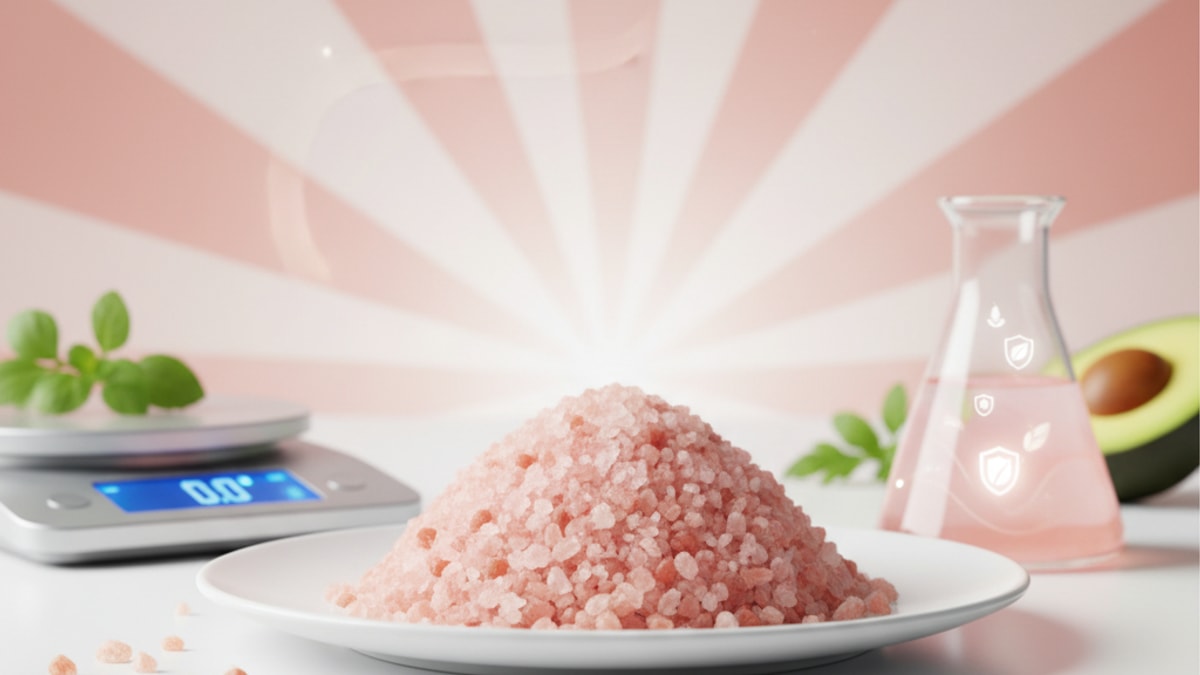
It’s probably flooded your social media feeds. A beautifully shot video, a calming voiceover, and a simple, almost elegant solution to a complex problem: a pinch of beautiful, pink Himalayan salt stirred into a glass of water. The promise is as clear as the drink itself—a detox, a mineral boost, and, most alluringly, a shortcut to weight loss. It seems so natural, so simple. And that’s precisely what makes it so potentially misleading.
Here at TrimrX, our entire focus is on the science of metabolic health and sustainable, medically-supervised weight management. We've dedicated our careers to understanding the intricate biological pathways that govern weight. So when a trend like the pink salt 'recipe' gains this much traction, our team feels a professional responsibility to step in and analyze it with an unflinching, evidence-based perspective. Is the pink salt recipe for weight loss safe? Let’s be direct. The answer requires a much deeper dive than a 30-second video can provide.
What Exactly is the Pink Salt 'Recipe' Everyone's Talking About?
The trend itself is remarkably simple, which is a huge part of its appeal. It typically involves dissolving a small amount—anywhere from a pinch to a quarter teaspoon—of pink Himalayan salt into a glass of water, often with a squeeze of lemon juice. Proponents, usually wellness influencers without medical credentials, claim this concoction kickstarts your metabolism, balances your body's pH (a persistent myth), and helps 'flush out toxins' to promote fat loss.
It’s presented as an ancient secret or a forgotten natural remedy. The visual of the crystalline pink salt dissolving is compelling. It looks pure. It feels healthy. But what’s really happening when you drink it? The claims are sprawling, but the biological reality is much, much simpler. And honestly, it’s far less glamorous.
Our team has seen this playbook before. A common, inexpensive ingredient is rebranded as a miracle cure, wrapped in compelling marketing, and amplified by the social media algorithm. It preys on the hope of people who are tired of complicated diets and frustratingly slow progress. It offers an easy button. The problem is, in human biology, there are no easy buttons.
The Allure of the Quick Fix: Why This Trend Went Viral
It's not hard to see why this idea took off. We live in a world that demands instant gratification, and the slow, steady work of sustainable weight loss can feel daunting. A 'hack' that requires nothing more than an ingredient you might already have in your pantry is incredibly tempting. It bypasses the need for significant lifestyle changes, nutritional planning, or physical activity. It’s a seductive whisper promising results without the work.
Let’s be honest, we work with patients every day who are exhausted by the relentless cycle of fad diets. They've tried everything. They're looking for something that finally works, and these viral trends offer a tempting, albeit hollow, glimmer of hope. The 'before and after' testimonials, often featuring people who likely achieved results through other means, create a powerful, misleading narrative. People want to believe. It’s human nature.
And another consideration: the aesthetic. Pink Himalayan salt is visually appealing. It’s associated with high-end spas and gourmet kitchens, lending it an air of sophistication and wellness that regular table salt just doesn't have. This clever, implicit marketing positions it not just as a seasoning, but as a lifestyle choice. A choice that, unfortunately, is based on some very shaky science.
Let's Talk Science: Does Salt Actually Cause Weight Loss?
This is where the entire premise falls apart. The claims made by advocates of the pink salt recipe are a masterclass in pseudoscience, mixing a few grains of truth with a mountain of fiction. Let's break down what salt—any salt—actually does in your body.
First, there's the temporary illusion of weight loss. If you consume a large amount of salt in one go, you might see the number on the scale dip the next day. Why? Dehydration. Your body will pull water from your cells to try and dilute the high concentration of sodium in your bloodstream, leading to increased urination. This is water weight loss, not fat loss. It's a temporary fluid shift that is not only meaningless for long-term body composition but also incredibly stressful for your system. The weight comes right back as soon as you rehydrate properly, and you’ve gained nothing but a taxed system.
In fact, the long-term effect of excessive sodium intake is the exact opposite of what you’re hoping for. A high-sodium diet is one of the leading causes of water retention and bloating. Your body holds onto extra fluid to maintain a stable sodium-to-water ratio, which can leave you feeling puffy and can actually make the number on the scale go up. It’s a physiological certainty.
The 'mineral' argument is another red herring. Yes, pink Himalayan salt contains trace amounts of minerals like magnesium, potassium, and calcium that table salt doesn't. However—and we can't stress this enough—the quantities are minuscule. You would have to consume a dangerously, potentially lethally high amount of sodium to get any meaningful therapeutic dose of these other minerals. You are far, far better off getting these essential nutrients from a balanced diet of fruits, vegetables, and whole foods. Using pink salt for its mineral content is like trying to hydrate by sipping mist. The effect is negligible.
The Hidden Dangers: Is the Pink Salt Recipe for Weight Loss Safe?
Now we arrive at the most critical question. Beyond being ineffective for fat loss, is this trend actively harmful? Our medical team's unequivocal answer is yes, it can be. Deliberately adding significant amounts of salt to your diet, especially in a concentrated form like this, carries formidable risks.
Here’s what you’re actually risking:
- Hypertension (High Blood Pressure): This is the biggest one. Sodium makes your body retain water. This extra water increases the volume of blood in your bloodstream, which in turn increases the pressure on your artery walls. Over time, this sustained high blood pressure can lead to catastrophic damage to your heart, arteries, kidneys, and brain. It's a primary risk factor for heart attacks and strokes.
- Kidney Strain: Your kidneys are your body's filtration system. Their job is to balance fluids and electrolytes, including sodium. When you overload your system with salt, you force your kidneys to work in overdrive to excrete the excess. For individuals with pre-existing kidney issues, this can be incredibly dangerous, and even in healthy individuals, it places unnecessary, chronic stress on these vital organs.
- Electrolyte Imbalance: Your body operates on a delicate, impeccable balance of electrolytes—sodium, potassium, chloride, magnesium, and calcium. They are critical for nerve function, muscle contraction, and maintaining a regular heartbeat. Flooding your system with sodium can disrupt this balance, potentially leading to a dangerous decrease in potassium levels. Symptoms can range from muscle weakness and cramps to life-threatening heart arrhythmias.
- Increased Risk of Stomach Cancer: While less immediate, long-term high salt intake has been linked in major population studies to an increased risk of stomach cancer. It's thought to damage the stomach lining and promote inflammation.
This isn't just theory. It's established medical science. Promoting the intentional overconsumption of sodium as a 'wellness hack' is irresponsible. It ignores decades of clinical research and puts people's health in jeopardy for the sake of social media engagement.
Pink Salt vs. Table Salt: A Comparison That Misses the Point
Often, the debate gets sidetracked into a comparison of different types of salt, as if the source fundamentally changes the outcome. While there are minor differences, focusing on them misses the forest for the trees. At the end of the day, all salt is primarily sodium chloride.
Our team often explains it like this: whether the sodium comes from a pristine mountain range or a processing plant, its effect on your blood pressure and fluid balance is identical. Here’s a straightforward comparison:
| Feature | Pink Himalayan Salt | Sea Salt | Table Salt |
|---|---|---|---|
| Source | Mined from salt deposits, primarily in Pakistan. | Evaporated from seawater. | Mined from underground salt deposits. |
| Processing | Minimally processed, unrefined. | Can be refined or unrefined. | Heavily processed to remove minerals; anti-caking agents added. |
| Sodium Content | ~98% Sodium Chloride | ~98% Sodium Chloride | ~99.9% Sodium Chloride |
| Mineral Content | Contains trace amounts of up to 84 minerals (e.g., magnesium, potassium, calcium). | May contain trace minerals depending on the source water. | Virtually no trace minerals; often fortified with iodine. |
| Health Impact | The primary impact comes from sodium. Trace minerals are in amounts too small to offer significant health benefits. | The primary impact is from sodium. Benefits of trace minerals are negligible. | The primary impact is from sodium. Added iodine helps prevent deficiency. |
The Bottom Line: The core component driving the health risks is sodium chloride. The slightly lower sodium percentage in pink salt is negated if you use more of it thinking it's 'healthier.' The argument is a distraction from the real issue: excess sodium consumption is dangerous, regardless of its color or origin.
The TrimrX Philosophy: Moving Beyond Fads to Sustainable Science
This is why we're so passionate about what we do at TrimrX. We offer a path away from the confusing and often dangerous world of diet fads and viral hacks. Our approach is rooted in cutting-edge biotechnology and unwavering medical ethics. We don't deal in quick fixes; we provide real, sustainable solutions.
Instead of trying to 'trick' your body with a salt flush, our programs utilize FDA-registered GLP-1 medications like Semaglutide and Tirzepatide. This isn't a hack. It's advanced science. These medications work with your body's own hormonal systems—the very systems that regulate hunger, satiety, and blood sugar. They help you feel full faster and stay full longer, fundamentally changing your relationship with food from a biological standpoint. It’s about restoring your body's natural balance, not shocking it into submission.
And here’s the critical, non-negotiable element: it's all medically supervised. You're not just buying a product off a shelf and hoping for the best. You're partnering with a medical team. We conduct a thorough health evaluation, prescribe the appropriate medication and dosage for your unique physiology, and monitor your progress every step of the way. Safety is our absolute priority. This approach—which we've refined over years—delivers real results because it addresses the root causes of weight gain, not just the symptoms.
If you're tired of the cycle of hope and disappointment that comes with fad diets, we invite you to see if a medical approach is right for you. You can Take Quiz on our site to begin the evaluation process. It's the first step toward a solution grounded in genuine science.
What Real Weight Management Looks Like
Effective, long-term weight management is a difficult, often moving-target objective. It’s a comprehensive strategy, not a single ingredient. It’s a partnership between you and a team that understands the complex interplay of biology, psychology, and lifestyle.
Here’s what a truly effective program involves, and it's the foundation of everything we do:
- A Deep Biological Understanding: We start by understanding you. Your health history, your metabolic profile, your unique challenges. This isn't one-size-fits-all. A medical approach is, by definition, a personalized one.
- Science-Backed Interventions: This is where tools like GLP-1 medications come in. They are prescribed when appropriate to work on a physiological level, making behavioral changes more achievable and sustainable.
- Nutritional and Lifestyle Guidance: Medication is a powerful tool, but it's most effective as part of a larger plan. We provide guidance on building healthy, sustainable eating habits and incorporating activity in a way that fits your life.
- Continuous Medical Oversight: Your health is constantly monitored. We track your progress, manage any side effects, and make adjustments as needed. This safety net is something you will never get from a social media trend.
This is the stark contrast between the fleeting promises of the pink salt recipe and the robust reality of a medical weight loss program. One is a gamble with your health based on misinformation; the other is a strategic investment in your long-term well-being, guided by experts. If you're ready to stop gambling and start investing, you can learn more and Start Your Treatment with a team that sees the whole picture.
The path to sustainable weight loss isn't found in your salt shaker. It's found in understanding your body's biology and working with it, not against it. It's about choosing proven science over fleeting social media trends, a choice that empowers you with control over your health for a lifetime.
Frequently Asked Questions
Is the pink salt recipe for weight loss safe for anyone?
▼
No, our medical team considers it unsafe. Deliberately increasing sodium intake poses significant risks like high blood pressure, kidney strain, and electrolyte imbalance, especially for those with pre-existing health conditions.
Can drinking pink salt water help with bloating?
▼
Quite the opposite. High sodium intake is a primary cause of water retention and bloating. Your body holds onto extra fluid to dilute the sodium, which can make you feel puffy and uncomfortable.
Are the minerals in Himalayan salt beneficial for weight loss?
▼
While pink salt contains trace minerals, the amounts are far too small to have any meaningful impact on weight loss or overall health. You would need to consume dangerous levels of sodium to get any benefit, which we strongly advise against.
Will a salt water flush detox my body?
▼
The concept of a ‘detox’ is largely a marketing myth. Your body has a highly effective detoxification system: your liver and kidneys. A salt water flush doesn’t help this process; it only burdens your kidneys and disrupts your fluid balance.
Why do so many influencers promote the pink salt recipe?
▼
Influencers often promote trends that are visually appealing and easy to replicate, which drives engagement. Unfortunately, many lack the medical or scientific credentials to evaluate the safety and efficacy of the advice they share.
How much sodium is too much in a day?
▼
The American Heart Association recommends no more than 2,300 milligrams (mg) a day, with an ideal limit of no more than 1,500 mg per day for most adults. A single teaspoon of salt contains about 2,300 mg.
Is there any safe way to use pink salt for health?
▼
Yes, as a seasoning in moderation, just like any other salt. It can be part of a balanced diet, but it should not be used as a concentrated ‘health drink’ or supplement. Its primary role is for flavor.
What is a safer alternative for hydration and minerals?
▼
Plain water is the best for hydration. For minerals and electrolytes, we recommend a balanced diet rich in fruits, vegetables, nuts, and seeds. Foods like bananas, spinach, and avocados are excellent sources.
How is a medical weight loss program like TrimrX different from this fad?
▼
Our programs are completely different. We use science-backed, FDA-registered medications like Semaglutide under strict medical supervision. We focus on the biological drivers of weight, ensuring your journey is both safe and effective.
Does the pink salt recipe have any proven benefits at all?
▼
Aside from providing sodium, which is an essential nutrient in small amounts, there are no scientifically proven health benefits to drinking salt water for weight loss or ‘detoxification.’ The risks far outweigh any purported, unproven benefits.
Can high salt intake affect my heart?
▼
Absolutely. Chronic high sodium intake is a leading contributor to high blood pressure, which significantly increases your risk for heart disease, heart attacks, and stroke. Protecting your cardiovascular health is a key reason to avoid this trend.
If I lost weight after trying this, was it fat?
▼
It is highly unlikely that you lost fat. Any rapid weight loss seen after consuming a large amount of salt is almost certainly due to temporary water loss from dehydration. This is not sustainable or healthy, and the weight returns upon rehydration.

Transforming Lives, One Step at a Time
Keep reading

Do You Need a Prescription for GLP-1s? The 2026 Answer
Wondering ‘do you need a prescription for glp 1’ in 2026? Yes. We explain why a doctor’s oversight is critical for safe, effective results.

How to Get GLP-1 Covered By Insurance: Our 2026 Playbook
Struggling with how to get glp-1 covered by insurance? Our 2026 guide breaks down prior authorizations, appeals, and documentation.

Traveling with GLP-1s in 2026: Your Essential Trip-Proof Plan
Don’t let travel disrupt your GLP-1 treatment. Learn how to travel with glp 1 medications safely and stress-free in our 2026 expert guide.


