Is There an Over-the-Counter GLP-1?
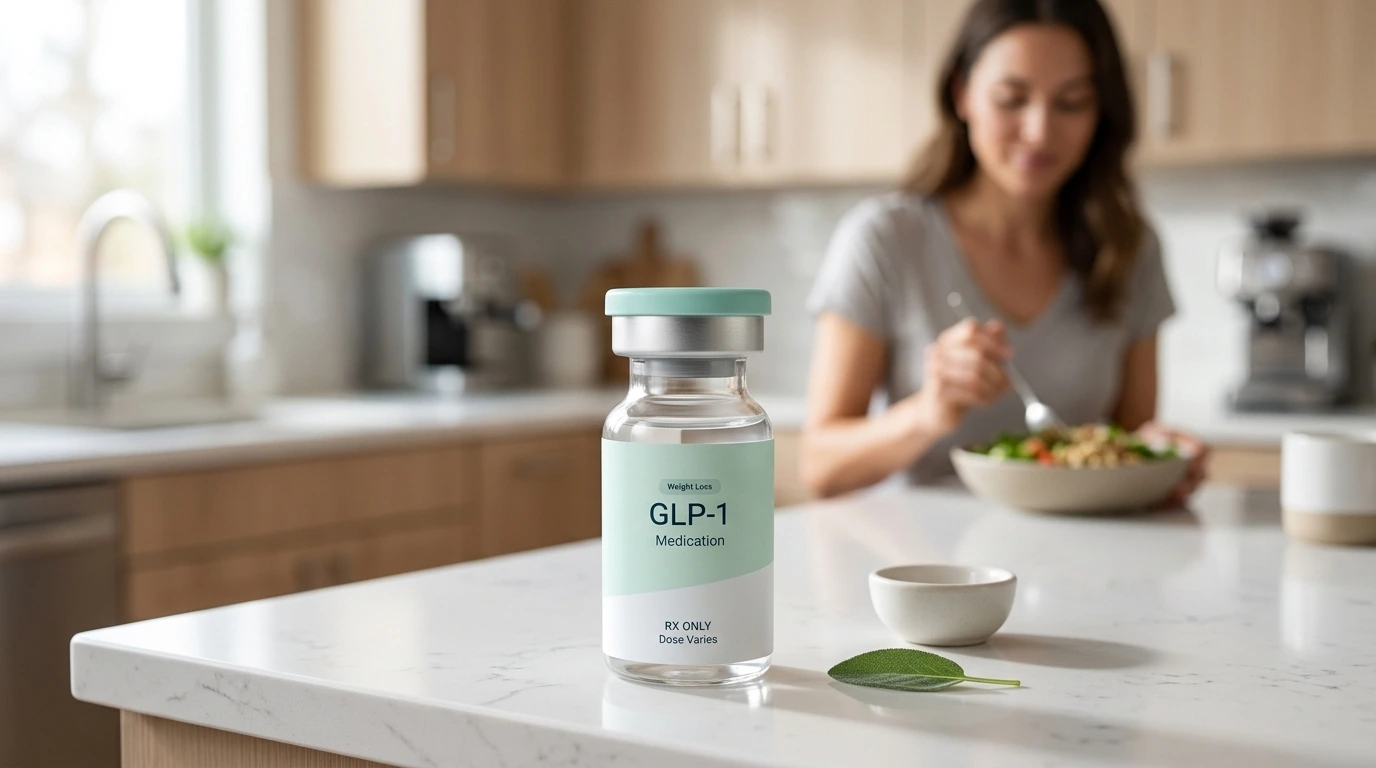
Table of Contents
- Introduction
- What Does GLP-1 Mean?
- What Are Products Marketed as GLP-1 Support?
- Are There Other Over-the-Counter Weight-Management Options?
- How Can You Tell What a Product Is?
- What About Compounded GLP-1 Medication?
- What Happens When You Ask About a Prescription?
- What Should You Know About Side Effects and Safety?
- Can Food or Daily Habits Replace a GLP-1?
- Choosing Your Next Step
- FAQ
Introduction
Searching for an over-the-counter GLP-1 can lead you to shelves and websites full of products with similar-sounding labels. If you have already tried several approaches to weight management, it is understandable to want an option that feels easier to access.
In the United States, GLP-1 medications require a prescription. Products sold without one as GLP-1 support or boosters are not prescription GLP-1 medications, even when their marketing makes them sound related. Research reviewed by diaTribe explains the distinction between these supplements and prescription medications.
At TrimRx, we know that choosing a path involves more than finding a product. The useful next step is to understand what a label means, then talk with a licensed provider about options that fit your health and everyday life.
What Does GLP-1 Mean?
GLP-1 stands for glucagon-like peptide-1, a hormone your body naturally releases after you eat. It plays a role in appetite, digestion and blood sugar regulation.
GLP-1 medications act on the pathways associated with this hormone. They can affect feelings of fullness and how quickly food leaves the stomach. A licensed provider can explain whether a particular medication is appropriate for your health needs.
You may also hear about GLP-1 + GIP medications. GIP is another hormone involved in the body’s response to food. These medications act on both hormone pathways and also require a prescription.
The word GLP-1 can therefore describe a natural hormone or a category of medication. Seeing it on a package does not establish that the product contains a prescription medication.
What Are Products Marketed as GLP-1 Support?
Some products sold in stores or online use terms such as GLP-1 support or GLP-1 booster. They are generally marketed as dietary supplements, not as prescription GLP-1 medications.
Their labels may describe effects on appetite or the body’s natural hormone activity. Those claims do not establish that a product works like a prescription GLP-1 medication or that it is appropriate for you.
Do GLP-1 supplements work?
The answer depends on the product and the claim being made. Some ingredients have been studied separately, but a finding about one ingredient does not establish the safety or effectiveness of a finished product.
For example, diaTribe’s review of GLP-1 supplements describes limited research on ingredients used in these products. It also notes that more research is needed to assess their safety and effects.
Dietary supplements do not go through the same FDA approval process as medications before they are marketed. They can also interact with medications or cause unwanted effects. If you are considering one, share its label with a licensed provider, especially if you take medication or manage a health condition.
Be cautious of a label that implies a supplement can replace prescribed care. Do not stop or change a medication because of a product claim without first speaking with your licensed provider.
Is a natural product safer?
Natural does not automatically mean safe. A supplement can affect your body or interact with something else you take, even if its ingredients come from plants or foods.
It is also reasonable to choose everyday foods and routines that you enjoy. That choice is different from expecting a food or supplement to act as a prescription medication.
Are There Other Over-the-Counter Weight-Management Options?
Some weight-management medications are sold without a prescription, but they are not GLP-1 medications. They work differently and have their own directions, precautions and possible side effects.
An over-the-counter label does not mean a product is suitable for everyone. Before using a weight-management product, ask a licensed provider to review your health history and anything else you take.
If what you want is a GLP-1 medication, choosing a different over-the-counter product will not give you a GLP-1 prescription. A provider can help you discuss the available approaches without assuming medication is the right choice for you.
How Can You Tell What a Product Is?
A product page can mix medical language with marketing. Before deciding what it offers, look beyond the largest words on the package.
Check the product category. A dietary supplement and a prescription medication are different kinds of products. A label that mentions GLP-1 activity does not turn a supplement into a medication.
Look for a real prescription process. GLP-1 medications require a prescription. Be wary of a seller offering one without a prescription or presenting a completed questionnaire as automatic approval.
Ask where medication comes from. If a licensed provider prescribes medication, ask how the prescription is fulfilled and which state-licensed pharmacy is involved.
Question broad promises. Claims that a product works for everyone, guarantees a particular result or needs no consideration of your health history are reasons to pause.
If you cannot tell what a product is, save the label or product description and bring it to a licensed provider. You do not need to make the decision from an advertisement alone.
What About Compounded GLP-1 Medication?
Compounded medication is prepared by a pharmacy to meet a patient’s needs. It is different from an over-the-counter product and still requires an appropriate prescription.
Compounded medications are not FDA-approved. They are not evaluated by the FDA for safety or efficacy. Terms about a pharmacy’s registration, inspection or packaging should not be read as FDA approval of a compounded medication.
If compounded medication comes up during a consultation, ask why it is being considered and what the possible risks are. You can also ask how to contact the licensed provider with questions and which state-licensed pharmacy would fulfill a prescription, if one is issued.
A prescription is never guaranteed. A licensed provider makes that decision after reviewing your information.
What Happens When You Ask About a Prescription?
A legitimate starting point is a review of your health, goals and questions. With TrimRx, you can begin with an intake. A licensed provider reviews your information and determines the appropriate next steps.
Step 1: Gather your health information
Have a list of your current medications and supplements ready. Include relevant health conditions, allergies and any concerns you want to discuss.
Mention if you are pregnant, planning pregnancy or breastfeeding. Your licensed provider can consider those circumstances when discussing options.
Step 2: Describe what matters to you
Weight management can affect daily life in different ways. You might want to discuss your appetite, previous approaches, a health concern or how a plan would fit around work and family responsibilities.
You can also say if you have questions about side effects or prefer not to use a particular type of medication. These preferences are useful context, not a guarantee that any option will be prescribed.
Step 3: Let the licensed provider review your information
The provider considers your health history and whether a medication is appropriate. The outcome may be a prescription, a request for more information or a recommendation to consider another approach.
Completing an intake alone does not establish eligibility or approval. Consultation methods can also vary by state.
Step 4: Ask about support after the review
If a prescription is issued, find out what to expect next. Ask how to reach the licensed provider, how follow-up works and whom to contact if you have a concern about the medication.
If you have a question about fulfillment, ask which state-licensed pharmacy is involved. Clear answers about the process can help you decide whether it fits your needs.
Bottom line: A prescription follows a licensed provider’s review. It is not something an over-the-counter GLP-1 support product can provide.
What Should You Know About Side Effects and Safety?
GLP-1 medications can cause side effects. Digestive symptoms, including nausea, vomiting, diarrhea and constipation, may occur. Your experience can differ depending on the medication and your health.
Before starting, tell your licensed provider about your health history and everything you take. Ask which side effects to watch for, how to contact them and when to seek care.
If you develop severe or persistent symptoms, contact your licensed provider promptly. Seek urgent medical care for symptoms such as difficulty breathing or severe abdominal pain. Do not adjust a dose or stop a prescribed medication without guidance unless you need immediate help for a serious reaction.
A supplement deserves the same thoughtful attention. Tell your provider if you are using one or considering adding one, rather than assuming it cannot affect your medications.
Can Food or Daily Habits Replace a GLP-1?
Your body makes GLP-1 naturally, and eating is part of that normal process. That does not make a particular food a prescription medication.
Meals you enjoy, movement that suits your abilities, hydration and rest can be part of caring for yourself whether or not you use medication. They are not requirements that guarantee a result, and you do not need to follow a special GLP-1 diet.
If earlier routines have been difficult to maintain, consider what made them hard. A plan that accounts for your schedule, preferences and health can be more useful than another set of rigid rules. A licensed provider can help you discuss your options without treating previous attempts as failures.
Choosing Your Next Step
There is no over-the-counter GLP-1 medication in the United States. Products marketed as GLP-1 support are different from prescription medications, and their labels deserve a closer look.
- A licensed provider can review whether medication is appropriate for you.
- An over-the-counter weight-management product is not a GLP-1 medication.
- Ask about follow-up and how to get help if concerns arise.
A useful decision starts with your health history and your questions, not a promise on a package.
If you want to discuss prescription options, you can start the TrimRx intake for a licensed provider’s review.
FAQ
Can I buy a GLP-1 without a prescription?
No. GLP-1 medications require a prescription in the United States. A product sold without one as GLP-1 support is not a prescription GLP-1 medication.
Do GLP-1 booster supplements work like medication?
You should not assume they do. Research on an individual ingredient does not establish that a finished supplement has the effects of a prescription medication. Ask a licensed provider about a specific product before using it.
Is compounded GLP-1 medication available over the counter?
No. Compounded medication is prepared by a pharmacy and requires an appropriate prescription. Compounded medications are not FDA-approved or evaluated by the FDA for safety or efficacy.
Does completing an intake guarantee a prescription?
No. A licensed provider reviews your information and determines whether a prescription is appropriate. You can use the review to ask about other options and what support may be available.
TrimRX does not practice medicine or prescribe medications. Compounded medications are not FDA-approved and are not evaluated by the FDA for safety or efficacy. Results vary by individual and are not guaranteed.
Disclaimer: This content is for informational purposes only and does not constitute medical advice. It is not intended to diagnose, treat, cure, or prevent any disease or condition. Individual results may vary. Always consult a qualified healthcare professional before starting any weight loss program or medication.

Transforming Lives, One Step at a Time
Keep reading
Weight Loss Progress Tracker
Track your weight loss over time, see progress clearly, and stay motivated with simple charts, summaries, and goal-based insights.
How to Create a Personalized Adherence Plan
Build a one-page GLP-1 adherence plan: record dose, pick a weekly time, set reminders, log side effects, and review monthly.

Weight Loss Medication Dosage Calculator
Estimate weight loss medication doses by weight and drug type, with starting guidance, dose progression info, and a clear medical disclaimer.


