Is Tilapia Good for Weight Loss? Our Unfiltered Take on the Fish
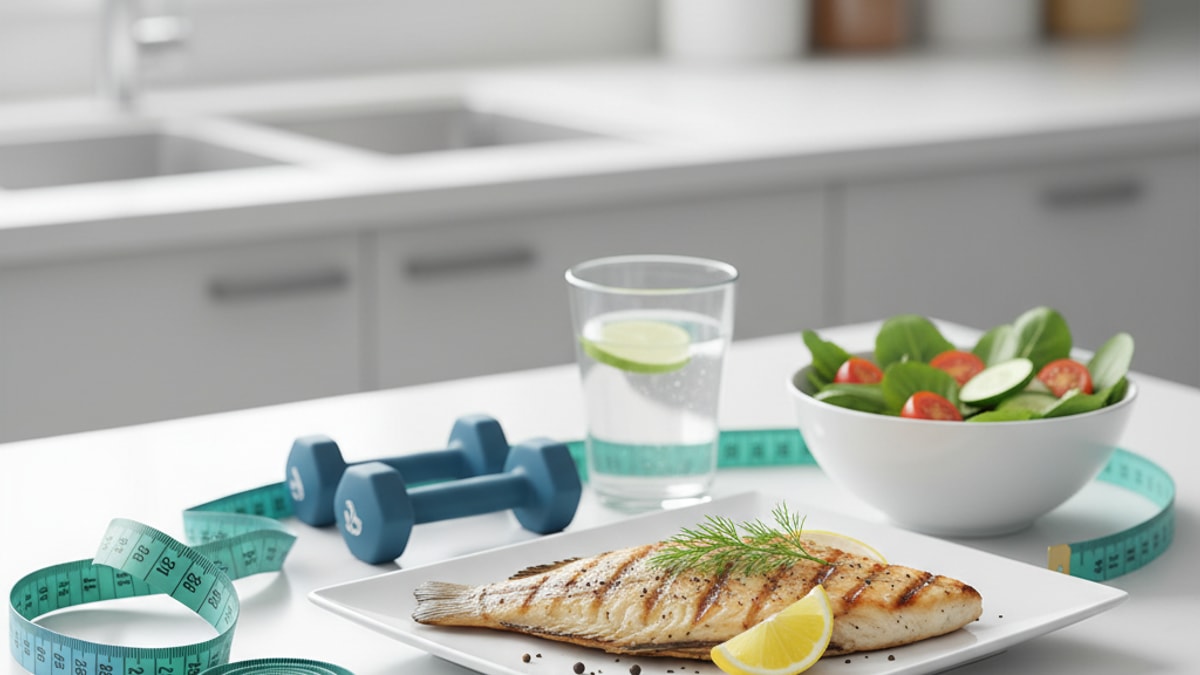
The Great Tilapia Debate: A Weight Loss Friend or Foe?
Walk down any frozen food aisle, and you'll see it. Bags of individually wrapped, boneless, skinless tilapia fillets. It has become one of the most popular fish in the country for a few simple reasons: it's affordable, it’s mild in flavor, and it cooks in minutes. For anyone focused on their health, this combination seems almost too good to be true. This naturally leads to the big question our team gets asked surprisingly often: is tilapia good for weight loss?
The internet is a sprawling mess of conflicting opinions on this. One article hails it as the ultimate diet food, while another paints it as a nutritional villain. It’s confusing. Honestly, it’s exhausting. Here at TrimrX, we’re not about hype or fear-mongering. We’re about science, clinical experience, and sustainable results. Our work with patients on medically-supervised weight loss programs, often incorporating advanced GLP-1 medications, has shown us that nutrition isn't about finding one 'superfood.' It's about building a resilient, intelligent framework for eating. So, let’s cut through the noise and give you an unfiltered, professional look at where tilapia fits into that picture.
The Nutritional Lowdown: Why Tilapia Gets Attention
First things first, let's look at the hard numbers. The primary reason tilapia gets a gold star in weight loss circles is its impeccable macronutrient profile. It’s a lean protein powerhouse. A typical 4-ounce (about 113 grams) serving of tilapia contains:
- Calories: Roughly 110-130
- Protein: A whopping 23-26 grams
- Fat: A mere 2-3 grams
- Carbohydrates: 0 grams
This is, by any measure, an impressive stat line for someone looking to manage their weight. That massive protein punch is the real hero here. We can't stress this enough: protein is the most critical, non-negotiable element of a successful fat loss phase. Why? Two main reasons. First, satiety. Protein is significantly more filling than fats or carbohydrates. Eating a protein-rich meal helps you feel fuller for longer, which naturally helps manage cravings and reduce overall calorie intake. For our patients using GLP-1 treatments like Semaglutide or Tirzepatide, which already help regulate appetite, pairing the medication's effects with high-satiety foods creates a powerful synergy for success.
Second, muscle preservation. When you're in a calorie deficit to lose weight, your body doesn't just burn fat; it can also break down muscle tissue for energy. This is something you absolutely want to avoid. Adequate protein intake provides your body with the amino acids it needs to repair and maintain lean muscle mass, ensuring that the weight you lose is primarily fat. It’s the difference between just getting smaller and getting stronger and healthier. Tilapia delivers that necessary protein with very few caloric strings attached. It’s efficient.
Let's Talk Calories: Tilapia's Role in a Deficit
Weight loss, at its core, boils down to a simple concept: you need to consume fewer calories than your body expends. This is called a caloric deficit. It's the fundamental principle of energy balance. The challenge, of course, isn't understanding the principle; it's executing it consistently in a world of delicious, calorie-dense temptations.
This is where a food like tilapia shines. Its low-calorie density means you can eat a substantial, satisfying portion without derailing your daily calorie budget. A 4-ounce fillet for around 120 calories is a fantastic bargain. This allows you to 'spend' your remaining calories on other nutrient-dense foods like fibrous vegetables, healthy fats, and complex carbohydrates. It provides flexibility. You don't have to eat tiny, unsatisfying meals to stay within your targets.
But here’s a crucial professional observation: preparation is everything. That beautiful, low-calorie fillet can quickly become a calorie bomb if you're not careful. Breading and deep-frying it can easily add hundreds of calories and unhealthy trans fats. Drenching it in a creamy, butter-based sauce does the same. To keep tilapia in the 'weight loss friendly' category, we recommend sticking to healthier cooking methods: baking, broiling, grilling, steaming, or pan-searing with a minimal amount of olive or avocado oil. Season it generously with herbs and spices—think garlic powder, paprika, dill, and lemon juice—to create incredible flavor without adding calories.
To put it in perspective, let's see how it stacks up against other common protein sources.
Protein Source Showdown: Tilapia vs. The Rest
| Protein Source | Serving Size (4oz, cooked) | Approx. Calories | Approx. Protein (g) | Approx. Fat (g) | Key Consideration |
|---|---|---|---|---|---|
| Tilapia | 4 oz (113g) | 128 | 26g | 2.5g | Extremely lean, budget-friendly protein source. |
| Salmon (Atlantic) | 4 oz (113g) | 230 | 25g | 14g | High in heart-healthy Omega-3 fatty acids. |
| Chicken Breast (skinless) | 4 oz (113g) | 185 | 35g | 4g | The gold standard for lean protein; very versatile. |
| Lean Ground Beef (93/7) | 4 oz (113g) | 180 | 23g | 9g | Great source of iron and Vitamin B12. |
| Lentils (cooked) | 1 cup (198g) | 230 | 18g | 0.8g | Excellent plant-based protein and fiber source. |
As you can see, while chicken breast offers more protein, tilapia holds its own as one of the leanest, lowest-calorie options available. It’s a fantastic tool to have in your nutritional toolkit.
The Omega-3 vs. Omega-6 Controversy
Now, we have to address the elephant in the room. If you've researched tilapia, you've likely come across alarming headlines about its fatty acid profile. This is the most significant and valid criticism of the fish, and it deserves a clear explanation.
Here’s the breakdown. There are two main types of polyunsaturated fats we hear about: omega-3s and omega-6s. Both are essential, meaning our bodies can't produce them and we must get them from our diet. Omega-3s (found in fatty fish like salmon, mackerel, and sardines) are known for their powerful anti-inflammatory properties. Omega-6s (found in vegetable oils, nuts, and seeds) are also necessary but can be pro-inflammatory when consumed in excess, especially when the ratio to omega-3s is way out of balance. The typical modern diet is overwhelmingly high in omega-6s and deficient in omega-3s.
Farmed tilapia, particularly varieties raised on corn and soy-based feeds, has a much higher concentration of omega-6 fatty acids and a very low amount of beneficial omega-3s. Some studies have shown the omega-6 to omega-3 ratio can be as high as 11:1 or even worse, whereas a fish like salmon is the complete opposite. This has led some to claim that eating tilapia is 'worse than eating bacon.'
Let’s be honest, that's a dramatic oversimplification. Our team's view is that this needs perspective. While tilapia isn't a source of healthy omega-3s like salmon is, a single serving of it isn't going to cause a catastrophic inflammatory response. It’s the totality of your diet that matters. If you're eating a balanced diet rich in other omega-3 sources (like walnuts, flaxseeds, or other fatty fish on different days) and you're limiting your intake of processed foods high in vegetable oils, then incorporating tilapia as a lean protein source is perfectly fine. It's not an anti-inflammatory superfood, but it’s also not nutritional poison. It’s a tool for protein and calorie management. That’s its job.
Farming Practices and Quality: Does It Really Matter?
Yes. It absolutely does.
Another major concern surrounding tilapia is its origin story. Much of the tilapia consumed globally is farmed under conditions that can be… less than ideal. Concerns about water quality, overcrowding, and the use of antibiotics and other chemicals in some international fish farms are legitimate. These factors can affect not only the environmental impact but also the safety and quality of the fish you're eating.
So, what can you do? Become a more discerning shopper. You don't have to give up on tilapia entirely; you just need to be smarter about sourcing it. Our recommendation is to look for certifications on the packaging. Seals from organizations like the Aquaculture Stewardship Council (ASC), Best Aquaculture Practices (BAP), or the Global Aquaculture Alliance (GAA) indicate that the fish were raised under stricter standards for environmental responsibility and safety. These certified farms are held to a higher standard, which generally translates to a better, safer product. It might cost a little more, but it’s a worthwhile investment in your health.
This approach aligns perfectly with our philosophy at TrimrX. A successful weight loss journey isn't just about the number on the scale; it's about building holistic health. Choosing higher-quality food sources is a fundamental part of that process. It's about respecting your body and fueling it with the best ingredients possible as you work toward your goals.
Integrating Tilapia into a Sustainable Weight Loss Plan
So, we've established that from a nutritional standpoint, high-quality tilapia is a solid choice for weight management. It's a high-protein, low-calorie vehicle. But a vehicle needs a driver and a roadmap. A single food, no matter how 'good,' will never be the solution. It must be integrated into a broader, more intelligent strategy.
This is where a comprehensive, medically-supervised approach makes all the difference. For many of our patients, the journey begins with understanding how their own body's biology impacts weight. Powerful tools like GLP-1 medications can fundamentally change the game by regulating appetite and improving metabolic function. This creates an incredible window of opportunity to build new, lasting habits. The medication helps control the 'food noise,' making it so much easier to choose a baked tilapia fillet with roasted broccoli over a pizza. Suddenly, making the healthier choice feels less like a battle.
This is the moment to build your nutritional framework. A meal plan that includes lean proteins like tilapia, alongside a rainbow of vegetables, healthy fats, and smart carbohydrates, provides the body with the fuel it needs to thrive during weight loss. It ensures you’re not just losing weight, but also gaining health. This is the kind of personalized, science-backed guidance we provide. If you're tired of the guesswork and ready for a plan that truly works with your biology, we invite you to Take Quiz and see if our program is the right fit for you.
Here are some simple, delicious ways our team suggests incorporating tilapia:
- Lemon Herb Baked Tilapia: Place fillets on a baking sheet, drizzle with olive oil, squeeze fresh lemon juice over them, and season with dill, garlic powder, salt, and pepper. Bake at 400°F (200°C) for 12-15 minutes.
- Blackened Tilapia Tacos: Coat fillets in blackening seasoning and pan-sear for 2-3 minutes per side. Flake the fish and serve in corn tortillas with a cabbage slaw and a dollop of Greek yogurt.
- Grilled Tilapia with Mango Salsa: Grill the tilapia until cooked through. Top with a simple salsa made from diced mango, red onion, cilantro, and lime juice. Serve with a side of quinoa.
These meals are satisfying, packed with protein, and perfectly aligned with a healthy, sustainable weight loss journey.
The Verdict: So, Is Tilapia Good for Weight Loss?
Yes, it absolutely can be. Tilapia is an effective, affordable, and accessible tool for hitting your protein targets while maintaining a calorie deficit. Its benefits in terms of satiety and muscle preservation are undeniable and incredibly valuable during a weight loss phase.
However, it's not a magic bullet, and context is everything. To make it a truly healthy choice, you must prioritize high-quality, certified sources to avoid the pitfalls of poor farming practices. You also need to acknowledge its fatty acid profile—it's not a source of omega-3s, so your overall diet must include those healthy fats from other foods. And, of course, your cooking method is paramount.
Ultimately, the question isn't whether one specific food is 'good' or 'bad.' The real question is: are you building a comprehensive, sustainable plan for your health? That plan should include a variety of lean proteins, abundant vegetables, and a support system to guide you. For many, that includes the powerful clinical support of a program like ours. If you’re ready to stop hopping between diet trends and finally build a foundation for lasting change, it's time to Start Your Treatment.
Think of tilapia as one solid, reliable player on a championship team. It's not the superstar, but it plays its position exceptionally well. When used correctly as part of a winning strategy, it can definitely help you reach your goals.
Frequently Asked Questions
How often should I eat tilapia for weight loss?
▼
Incorporating tilapia 1-2 times per week is a great strategy. This allows you to reap its high-protein, low-calorie benefits while still ensuring you get a variety of nutrients from other protein sources, like salmon for omega-3s or chicken for iron.
Is frozen tilapia as healthy as fresh tilapia?
▼
Yes, absolutely. Most fish is flash-frozen shortly after being caught, which preserves its nutrient content exceptionally well. In many cases, frozen tilapia can be even ‘fresher’ than the fillets at the seafood counter, which may have been previously frozen and thawed.
What’s the healthiest way to cook tilapia to lose weight?
▼
Baking, broiling, grilling, and steaming are the best methods. These techniques add fantastic flavor without adding significant calories or unhealthy fats. We recommend avoiding deep-frying or using heavy, cream-based sauces.
Can I eat tilapia if I’m on a GLP-1 medication like Semaglutide?
▼
Definitely. In fact, our team highly recommends it. The high protein content in tilapia helps you feel full and supports muscle mass, which works synergistically with how GLP-1s regulate appetite. It’s an ideal food choice within a medically-supervised weight loss plan.
Does tilapia contain a lot of mercury?
▼
No, tilapia is considered a low-mercury fish. It’s a smaller, shorter-lived fish that doesn’t accumulate heavy metals in the same way that larger predatory fish like shark, swordfish, or some types of tuna do. It’s generally a very safe choice.
Why does tilapia have a bad reputation sometimes?
▼
The main criticisms stem from two areas: its low omega-3 and high omega-6 fatty acid profile, and concerns over poor farming practices in some parts of the world. By choosing certified, well-sourced tilapia and balancing your diet, you can easily mitigate these concerns.
What should I look for when buying tilapia?
▼
Look for certifications from the Aquaculture Stewardship Council (ASC) or Best Aquaculture Practices (BAP) on the packaging. These seals indicate the fish was raised under more responsible and sustainable conditions.
Is tilapia better than cod for weight loss?
▼
Both are excellent choices. They have very similar nutritional profiles—both are lean, high in protein, and low in calories. We recommend including both in your diet for variety in taste and texture.
Will eating tilapia help me lose belly fat?
▼
No single food can target fat loss in a specific area. However, a diet rich in lean protein like tilapia helps create a calorie deficit and preserve muscle, which leads to overall fat loss, including from the abdominal area.
Can I still build muscle while eating tilapia and losing weight?
▼
Yes, this is one of its primary benefits. The high protein content provides the necessary amino acids to repair and maintain muscle tissue, especially when paired with resistance training. This is crucial for ensuring the weight you lose is fat, not muscle.
What are some good alternatives to tilapia for lean protein?
▼
Other fantastic lean protein options include cod, haddock, chicken breast, turkey breast, egg whites, Greek yogurt, and legumes like lentils and chickpeas. Variety is key for a well-rounded nutritional plan.

Transforming Lives, One Step at a Time
Keep reading

Do You Need a Prescription for GLP-1s? The 2026 Answer
Wondering ‘do you need a prescription for glp 1’ in 2026? Yes. We explain why a doctor’s oversight is critical for safe, effective results.

How to Get GLP-1 Covered By Insurance: Our 2026 Playbook
Struggling with how to get glp-1 covered by insurance? Our 2026 guide breaks down prior authorizations, appeals, and documentation.

Traveling with GLP-1s in 2026: Your Essential Trip-Proof Plan
Don’t let travel disrupt your GLP-1 treatment. Learn how to travel with glp 1 medications safely and stress-free in our 2026 expert guide.


