Is Tofu Good for Weight Loss? Our Unflinching Expert Take
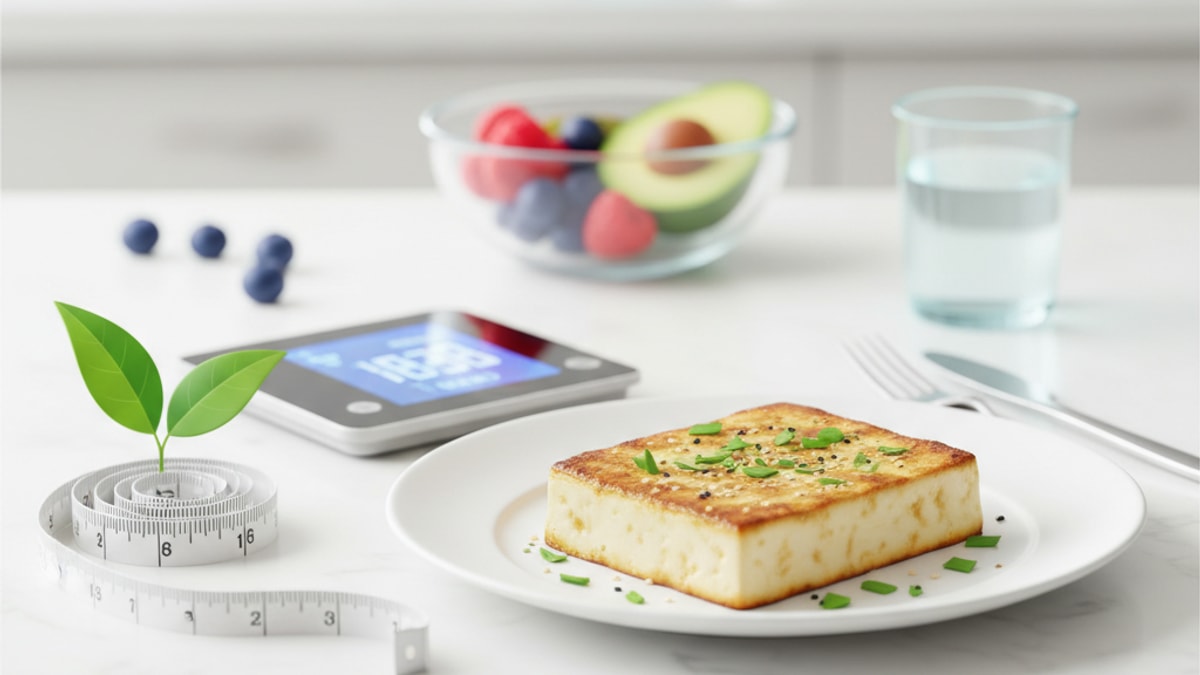
The question comes up all the time in our consultations. Amid discussions of metabolic science and advanced treatments, a simple, almost humble question emerges: what about tofu? For years, this block of pressed soybeans has been a lightning rod for debate. It's either hailed as a superfood or dismissed as bland health food. So, is tofu good for weight loss? The short answer is yes, but the real, more valuable answer is far more nuanced. It’s not about just one food; it’s about how that food functions within a broader, smarter strategy for metabolic health.
Here at TrimrX, our entire focus is on creating sustainable, medically-supervised weight loss outcomes. We work with powerful tools like GLP-1 medications, but we also know that what happens on your plate is a critical, non-negotiable part of the equation. Food choices are the foundation. And tofu, as our experience shows, can be an incredibly powerful building block for that foundation. We’re going to break down exactly why, moving beyond the headlines and into the practical science of how it can support your journey.
The Nutritional Powerhouse Hiding in Plain Sight
Let’s get the basics out of the way. Tofu is made from condensed soy milk, pressed into solid white blocks in a process quite similar to cheesemaking. It’s been a staple in Asian cuisine for centuries for a very good reason. It’s versatile, affordable, and, most importantly for our conversation, nutritionally dense.
But what does “nutritionally dense” actually mean for someone trying to manage their weight? It’s about getting the most metabolic bang for your caloric buck. Tofu delivers on this, and it delivers big.
A standard 100-gram (about 3.5 ounces) serving of firm tofu typically contains:
- Calories: Around 70-90 calories. That's incredibly low.
- Protein: A formidable 8-10 grams.
- Fat: Approximately 4-5 grams, mostly polyunsaturated fats (the good kind).
- Carbohydrates: Less than 2 grams.
Right away, you can see the winning formula. High protein, low calories. This combination is the undisputed champion of weight loss foods. Protein is famously satiating; it helps you feel fuller for longer, which is a massive advantage when you’re trying to manage a calorie deficit without feeling constantly deprived. Our team has found that patient success is often directly tied to their ability to control hunger, and a protein-rich diet is one of the most effective ways to do that. It just works.
Think about it this way: to get the same amount of protein from 80/20 ground beef, you’d be consuming well over 200 calories and a significant amount of saturated fat. Tofu gives you that protein leverage with a much smaller caloric footprint. This isn't just a small difference; it's a dramatic shift that, compounded over weeks and months, can lead to significant weight loss.
Satiety: The Secret Weapon Against Cravings
We can't stress this enough: managing hunger is the battle. Winning that battle determines your success. This is where tofu truly shines, and it’s a key reason we often discuss it as part of a holistic dietary plan.
The high protein content is the primary driver of satiety. When you eat protein, your body releases hormones like peptide YY (PYY) and cholecystokinin (CCK), which signal to your brain that you're full. At the same time, it suppresses the hunger hormone ghrelin. It’s a powerful, natural appetite suppressant built right into your food.
This is especially relevant for individuals on a medically-supervised plan, like those using GLP-1 medications offered by TrimrX. These treatments, such as Semaglutide and Tirzepatide, work by mimicking hormones that target areas of the brain involved in appetite regulation. They slow stomach emptying and send powerful satiety signals. When you pair that physiological effect with a food that is also naturally high in satiety, the results can be transformative. You feel full and satisfied on smaller portions, making it almost effortless to stick to your plan. You’re not fighting your body; you’re working with it. If you're curious about how this synergy could work for you, you can Take Quiz to see if you're a candidate.
So, is tofu good for weight loss? From a satiety perspective, it’s not just good; it’s exceptional. It provides the staying power you need to avoid the afternoon slump that sends you reaching for high-calorie, low-nutrient snacks. It keeps you on track.
Busting the Big Tofu Myths
Honestly, we need to talk about the misinformation. For decades, soy products, including tofu, have been the subject of some pretty persistent myths. These often prevent people from embracing a truly beneficial food. Let's clear the air with some science.
Myth 1: "Soy will give men 'man boobs' and lower testosterone."
This is probably the most pervasive and unfounded myth out there. It stems from the presence of isoflavones in soy, which are a type of phytoestrogen—a plant-based compound that can weakly mimic estrogen in the body. The key word here is weakly. The effect is so minimal that it’s not a concern for human physiology in normal dietary amounts.
A massive 2021 meta-analysis published in Reproductive Toxicology, which reviewed dozens of clinical studies, found that neither soy protein nor isoflavone intake affects testosterone levels in men. Period. It's a dead issue in the scientific community. Our team recommends focusing on the proven benefits—high-quality protein and nutrients—rather than debunked internet theories.
Myth 2: "Soy increases breast cancer risk."
This is another misunderstanding of phytoestrogens. Early studies on rodents suggested a link, but human physiology is vastly different. In fact, major population studies and clinical trials now show the opposite. The American Cancer Society states that consumption of soy foods is not only safe but may even lower the risk of breast cancer, especially when consumed during adolescence. The isoflavones appear to have a protective, not harmful, effect in humans.
Myth 3: "All soy is GMO and unhealthy."
It’s true that a large portion of soybeans grown are genetically modified, primarily for agricultural resilience. However, it's incredibly easy to find organic, non-GMO tofu in any major grocery store. If this is a concern for you, just look for the USDA Organic or Non-GMO Project Verified seals on the package. It's a simple choice.
Getting past these myths is crucial. Tofu is a safe, healthy, and scientifically-backed food that can be a formidable ally in your weight loss journey.
Practical Ways to Make Tofu a Weight Loss Staple
Okay, so we've established the 'why.' Now for the 'how.' Many people's primary objection to tofu isn't health-related; it's that they think it's bland or has a weird texture. That’s a fair critique if you don’t prepare it correctly. Let's be honest, a raw block of tofu plopped on a plate is nobody's idea of a good time. But that’s like judging a chicken breast without seasoning or cooking it.
Tofu is a blank canvas. Its magic lies in its ability to soak up whatever flavors you throw at it. The key is preparation.
1. Press It. Seriously.
This is the single most important step. We can't overstate this. Tofu is packed in water, and if you don’t get that water out, it can't absorb a marinade and won't get crispy. It’ll just steam. You can use a dedicated tofu press, or simply wrap the block in paper towels, place it on a plate, and put something heavy on top (like a cast-iron skillet or a few books) for at least 30 minutes.
2. Marinate with Power.
A pressed block of tofu is like a sponge. It’s ready to soak up flavor. Don’t be shy here. A good marinade should have a balance of salty, acidic, and savory elements. Think soy sauce (or tamari), rice vinegar, sesame oil, garlic, ginger, and maybe a touch of maple syrup or sriracha. Let it marinate for at least 30 minutes, but a few hours is even better.
3. Cook for Texture.
How you cook tofu completely changes its character. The goal for most people is to get a firm, slightly chewy interior with a crispy, golden-brown exterior. This is where you can get creative and find what works for you.
Here’s a quick comparison our team put together to illustrate the differences in popular cooking methods:
| Cooking Method | Calorie Impact | Texture Outcome | Best For | Our Recommendation |
|---|---|---|---|---|
| Deep Frying | High | Very crispy, but can be greasy. | Restaurant-style dishes where indulgence is key. | Avoid for regular weight loss meals. The added oil negates many of the benefits. |
| Pan-Frying | Moderate | Excellent golden-brown crust, tender inside. | Stir-fries, tofu scrambles, crispy cubes for salads. | A fantastic go-to method. Use a non-stick pan with a tablespoon of healthy oil. |
| Baking | Low | Chewier, firmer texture. Less 'crispy' but very satisfying. | Meal prep, marinating large batches, adding to bowls. | Excellent for hands-off cooking. Bake at 400°F (200°C) for 25-30 minutes, flipping halfway. |
| Air Frying | Very Low | Unbelievably crispy exterior, soft interior. The best of all worlds. | Achieving a 'fried' texture without the oil. Perfect for snacks or toppings. | This is our top pick. It delivers a spectacular result with minimal added calories. A true game-changer. |
Choosing a low-oil cooking method like baking or air frying maximizes the health benefits. You get all the protein and satiety without adding unnecessary calories from fat. It’s the smartest way to cook it.
Tofu in the Bigger Picture: A Piece of the Puzzle
So, is tofu good for weight loss? Yes, absolutely. It's a low-calorie, high-protein, versatile food that promotes fullness and can be a cornerstone of a healthy diet. But we have to be realistic. No single food is a magic bullet.
True, sustainable weight loss—the kind that lasts a lifetime—is about a holistic system. It involves making smarter food choices like incorporating tofu, but it also encompasses understanding your body's unique metabolism, managing hormonal signals, and building consistent habits. This is the philosophy that guides our work at TrimrX.
We see foods like tofu as powerful tools in a much larger toolkit. For our patients, the journey often involves leveraging advanced medical treatments to reset their body's metabolic patterns and appetite signals. This creates a window of opportunity where making healthier choices becomes easier and more intuitive. When you’re not constantly battling intense cravings, choosing a baked tofu bowl over a greasy burger isn't a struggle; it's just a better-sounding option.
This integrated approach is what creates profound and lasting change. The medication provides the biological support, and the dietary strategy—rich in high-satiety foods like tofu, lean proteins, and fiber—provides the nutritional framework for success. One without the other is incomplete. If you feel like you've tried changing your diet alone and are ready for a more comprehensive, medically-guided approach, it might be time to Start Your Treatment Now.
The power of tofu isn't that it will magically melt fat away. Its power lies in its ability to make a calorie-controlled, nutrient-dense diet easier to stick to. It's a team player. It makes your weight loss efforts more efficient, more satisfying, and ultimately, more sustainable.
It’s a simple, affordable, and powerful addition to any serious weight management plan. So go ahead, press that block of tofu, marinate it with your favorite flavors, and cook it until it's golden and delicious. Your body, and your long-term health goals, will thank you for it.
FAQs About Tofu and Weight Loss
Frequently Asked Questions
Can I eat tofu every day for weight loss?
▼
Yes, for most people, eating tofu daily is perfectly safe and can be very beneficial for weight loss due to its high protein and low-calorie profile. As with any food, variety is key for a balanced nutrient intake, but tofu can certainly be a daily staple in a healthy diet.
Which type of tofu is best for weight loss: silken, firm, or extra-firm?
▼
Extra-firm tofu is generally the best choice for weight loss. It contains the most protein and the least water per serving, making it more satiating. Silken tofu is lower in calories but also lower in protein, making it less ideal as a primary protein source.
Will eating tofu make me feel bloated?
▼
For some people, soy products can cause mild bloating, especially if you’re not used to eating them. Our team suggests starting with smaller portions to see how your body reacts. Pressing tofu well can also help make it easier to digest.
Is tofu a ‘complete’ protein?
▼
Yes, it is. Tofu contains all nine essential amino acids that your body cannot produce on its own, making it a complete protein source. This is a significant advantage, especially for those following a plant-based diet.
How does tofu compare to chicken for weight loss?
▼
Both are excellent lean protein sources. A skinless chicken breast has slightly more protein per gram, but tofu is lower in calories and contains no cholesterol. Both can be fantastic choices; tofu simply offers a great plant-based alternative.
Does marinating tofu add a lot of calories?
▼
It depends entirely on your marinade. If you use oil-heavy or sugar-laden sauces, you can add significant calories. We recommend focusing on low-calorie, high-flavor ingredients like soy sauce, rice vinegar, garlic, ginger, and spices.
Is fried tofu still healthy?
▼
Deep-fried tofu is not an ideal choice for weight loss as it absorbs a large amount of oil, dramatically increasing its calorie count. Pan-frying with minimal oil or, even better, air frying or baking are far healthier methods that achieve a great texture.
Can tofu help with weight loss tied to menopause?
▼
Some research suggests that the isoflavones in soy may help with some menopausal symptoms and support metabolic health, which can be beneficial for managing weight during this transition. It’s a supportive food within a broader healthy lifestyle.
What’s the difference between tofu and tempeh?
▼
Both are soy-based, but tempeh is made from fermented, whole soybeans, giving it a firmer, chewier texture and a nuttier flavor. Tempeh is higher in protein, fiber, and calories than tofu, but both are excellent healthy options.
Can I eat tofu raw?
▼
Yes, tofu is technically pre-cooked during its production process, so it’s safe to eat raw. Silken tofu is often used raw in smoothies or desserts, but for firm or extra-firm tofu, cooking is highly recommended to improve its taste and texture.
How long does tofu last once opened?
▼
Once you open a package of tofu, you should store any leftovers in an airtight container filled with clean water in the refrigerator. Change the water daily, and it should last for about 3-5 days.
Is tofu better than whey protein for building muscle while losing weight?
▼
Whey protein is absorbed more rapidly, making it ideal for post-workout recovery. However, soy protein from tofu is digested more slowly, providing a sustained release of amino acids that is excellent for satiety and muscle preservation during weight loss. Both have their place in a balanced plan.

Transforming Lives, One Step at a Time
Keep reading

Do You Need a Prescription for GLP-1s? The 2026 Answer
Wondering ‘do you need a prescription for glp 1’ in 2026? Yes. We explain why a doctor’s oversight is critical for safe, effective results.

How to Get GLP-1 Covered By Insurance: Our 2026 Playbook
Struggling with how to get glp-1 covered by insurance? Our 2026 guide breaks down prior authorizations, appeals, and documentation.

Traveling with GLP-1s in 2026: Your Essential Trip-Proof Plan
Don’t let travel disrupt your GLP-1 treatment. Learn how to travel with glp 1 medications safely and stress-free in our 2026 expert guide.


