Is Topiramate a GLP-1? Comparing These Weight Loss Options
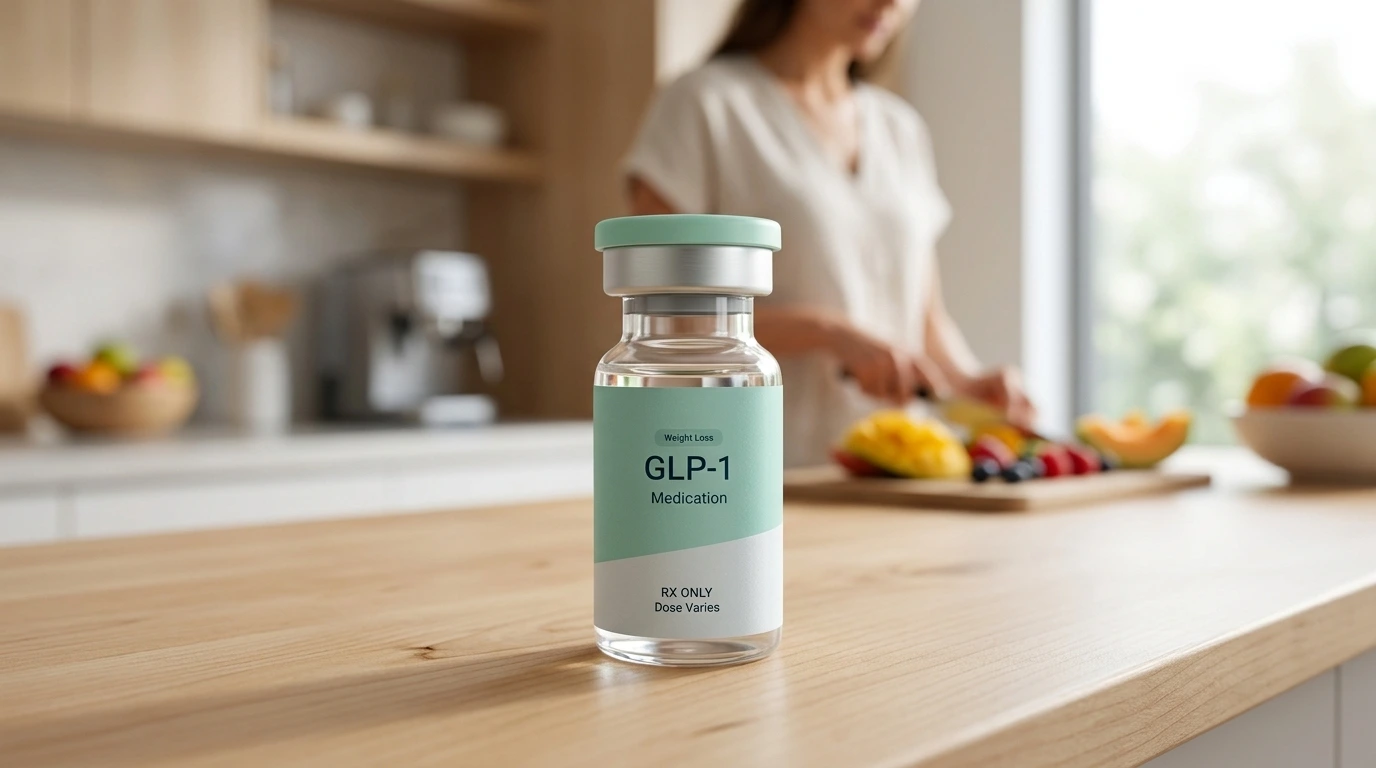
Table of Contents
- Introduction
- Understanding Topiramate
- What is a GLP-1?
- Comparing the Two: Side-by-Side
- How They Work: The Biological Difference
- Clinical Efficacy: What the Research Says
- Side Effects and Safety Considerations
- Why Choose a Personalized Program?
- How to Get Started
- The TrimRx Mission
- FAQ
Introduction
Navigating the world of weight loss medications can feel like learning a new language. If you want to understand whether a GLP-1-based approach may fit your goals, you can take the free assessment quiz to see what a personalized path might look like. You might hear about one drug that helps with cravings and another that changes how you process sugar, all while trying to keep track of which ones are injections and which are pills. A common point of confusion for many people is whether topiramate—a medication often discussed in weight management circles—belongs to the same family as popular new treatments like semaglutide.
At TrimRx, we believe that understanding the science behind your options is the first step toward a successful health journey. For a deeper look at the appetite side of treatment, our post on how GLP-1 medications quiet food noise is a helpful companion read. While both topiramate and GLP-1 medications can support weight loss, they belong to entirely different drug classes and work through very different pathways in the body. This post covers the mechanical differences, safety profiles, and clinical efficacy of these two distinct approaches to help you determine which might align with your goals. Topiramate is not a GLP-1 medication; it is an anticonvulsant that affects the central nervous system differently than hormonal weight loss treatments.
Quick Answer: No, topiramate is not a GLP-1. Topiramate is an anticonvulsant medication originally designed for seizures, while GLP-1 receptor agonists are hormonal treatments that mimic natural gut peptides to regulate appetite and blood sugar.
Understanding Topiramate
Topiramate, often known by its brand name Topamax®, was originally developed and FDA-approved as an anticonvulsant to treat epilepsy and prevent migraine headaches. Over time, healthcare providers noticed that many patients taking the medication experienced weight loss as a side effect. This led to its frequent “off-label” use for weight management, meaning providers prescribe it for weight loss even though that isn’t its primary FDA-approved purpose.
Topiramate works primarily on the central nervous system. While scientists are still studying exactly how it leads to weight loss, it is believed to influence several neurotransmitters in the brain, including GABA and glutamate. By calming down certain nerve signals, it may help suppress the appetite and increase the feeling of fullness. If you are comparing medication options and want to understand the start of the process, see if you qualify for a personalized GLP-1 program. Some research also suggests it can change how food tastes—particularly carbonated beverages or sweets—which can naturally lead to a lower calorie intake.
Key Takeaway: Topiramate is a neurological medication that targets brain signals to reduce appetite, whereas GLP-1s are metabolic treatments that target hormonal pathways.
What is a GLP-1?
GLP-1 receptor agonists (glucagon-like peptide-1) are a newer class of medications that have gained significant attention for their effectiveness in treating type 2 diabetes and obesity. Unlike topiramate, which acts on nerve signals, GLP-1 medications mimic a hormone that your body naturally produces in the gut after you eat.
Common medications in this class include semaglutide and tirzepatide. For readers who want a broader overview of how these medications work, our guide on what GLP-1 does in the body is a useful next step. These medications perform three main functions:
- Brain Signaling: They target the “satiety centers” in the brain to signal that you are full.
- Gastric Emptying: They slow down the rate at which food leaves your stomach, keeping you physically full for longer.
- Insulin Regulation: They help the pancreas release the right amount of insulin when blood sugar levels are high.
At TrimRx, our programs focus on these GLP-1 pathways because they address the underlying hormonal drivers of hunger and metabolic health.
Comparing the Two: Side-by-Side
To better understand why these two medications are often confused—and how they differ—it helps to look at their characteristics side-by-side.
| Feature | Topiramate | GLP-1 (e.g., Semaglutide) |
|---|---|---|
| Drug Class | Anticonvulsant | GLP-1 Receptor Agonist |
| Primary FDA Use | Seizures and Migraines | Diabetes and Obesity |
| How it’s Taken | Daily Oral Pill | Weekly Injection or Daily Oral |
| Main Mechanism | CNS / Neurotransmitters | Hormonal / Gut-Brain Axis |
| Weight Loss Status | Often Off-Label | FDA-approved for chronic weight management* |
*Note: Specific branded versions like Wegovy® and Zepbound® are FDA-approved for weight loss, while others are approved for diabetes. Compounded semaglutide and compounded tirzepatide, which we may facilitate through our platform, are prepared in FDA-registered compounding pharmacies but are not themselves FDA-approved.
How They Work: The Biological Difference
The reason topiramate is not a GLP-1 comes down to biology. Topiramate focuses on the “reward system” and nerve excitability. For someone who struggles with binge eating or intense cravings driven by stress or habit, topiramate might be suggested because it dampens the brain’s overactive response to food cues. It doesn’t significantly change how your body processes sugar or how fast your stomach empties; it changes how your brain perceives the desire to eat.
In contrast, GLP-1 medications are metabolic. They address “food noise”—that constant, intrusive thought about the next meal—but they do so by correcting hormonal imbalances. If you are trying to understand whether a GLP-1-based program is the right next step, complete the free assessment quiz and review your options with a licensed provider. Many people with obesity have a naturally blunted GLP-1 response, meaning their bodies don’t signal fullness correctly. By “topping up” this hormone, GLP-1s restore a more natural hunger-fullness cycle.
The Role of Phentermine-Topiramate (Qsymia®)
It is worth noting that topiramate is sometimes used in combination with another drug called phentermine. This combination is sold under the brand name Qsymia® and is FDA-approved for weight loss. In this duo, phentermine acts as a stimulant to reduce appetite quickly, while topiramate helps maintain that appetite suppression throughout the day. While this combination is effective, it still does not involve the GLP-1 pathway.
Clinical Efficacy: What the Research Says
A major systematic review published in The Lancet compared several weight loss interventions to see which were most effective. The study looked at 143 randomized controlled trials involving nearly 50,000 participants.
The findings showed that:
- Semaglutide (a GLP-1) demonstrated the highest efficacy for total body weight loss, with an average change of approximately -11.41%.
- Phentermine-topiramate was also highly effective, showing a mean weight change of about -7.97%.
- Both medications were significantly more effective than lifestyle modifications alone or older drugs like metformin.
For readers comparing GLP-1 options more closely, our article on how GLP-1 works for weight loss breaks down the biology in more detail. While both options are powerful, GLP-1 medications generally lead to a greater percentage of weight loss in clinical settings. However, they also come with different side effect profiles that must be considered.
Bottom line: Clinical data suggests that GLP-1 receptor agonists like semaglutide often lead to more significant weight loss than topiramate-based treatments, though both are superior to lifestyle changes alone.
Side Effects and Safety Considerations
Because these drugs work on different systems, their side effects vary significantly. Understanding these can help you and a healthcare provider decide which path is safer for your specific health history.
Topiramate Side Effects
Since topiramate affects the central nervous system, its side effects are often neurological:
- Paresthesia: A tingling or “pins and needles” sensation in the hands, feet, or face.
- Cognitive Changes: Some users report “brain fog,” difficulty finding words, or slowed thinking.
- Taste Distortion: Foods, especially carbonated drinks, may taste metallic or flat.
- Kidney Stones: There is a slightly increased risk of developing kidney stones while on topiramate.
- Mood Changes: It may cause nervousness or, in rare cases, more significant mood shifts.
GLP-1 Side Effects
GLP-1 medications primarily affect the gastrointestinal system:
- Nausea and Vomiting: The most common side effect, especially when starting or increasing a dose.
- Constipation or Diarrhea: Changes in digestion speed can lead to bowel habit shifts.
- Heartburn: Slower stomach emptying can sometimes cause acid reflux.
- Fatigue: Some users report feeling more tired than usual during the initial weeks of treatment.
If you are looking for practical support while starting treatment, the GLP-1 diet guide is a useful educational resource. And if you want to explore whether a prescription program is appropriate for you, start with the assessment quiz.
Note: Any medication carries risks and potential contraindications. Topiramate, for example, is generally avoided during pregnancy due to the risk of birth defects. GLP-1s are typically not recommended for individuals with a personal or family history of medullary thyroid carcinoma. Always consult a qualified healthcare professional to discuss your medical history before starting a program.
Why Choose a Personalized Program?
There is no “one size fits all” when it comes to metabolic health. Some individuals may respond better to the neurological approach of topiramate, while others find that the hormonal support of a GLP-1 is the missing piece in their weight loss journey.
The TrimRx platform is designed to take the guesswork out of this process. Instead of a generic prescription, we facilitate a comprehensive telehealth experience. This includes a detailed health assessment that looks at your BMI, medical history, and weight loss goals. By using this data, licensed providers can determine if a GLP-1 medication—such as compounded semaglutide or tirzepatide—is the right fit for your body.
Our approach focuses on sustainability. We don’t just provide access to medication; we provide a structured environment with 24/7 specialist access and ongoing support. If you want to better understand what long-term treatment looks like, our guide to taking tirzepatide long term is a helpful follow-up. This ensures that as your body changes, your treatment plan can be adjusted to keep you on track without the hidden fees often found in traditional clinics.
How to Get Started
If you have been researching topiramate but are curious if a GLP-1 might be a better fit for your metabolism, the process of finding out is straightforward.
Step 1: Complete the Free Assessment Quiz.
This quiz gathers essential information about your health history, previous weight loss attempts, and current health status. It is the first step in seeing if you qualify for our prescription programs.
Step 2: Connect with a Licensed Provider.
Once your assessment is reviewed, you will be connected with a healthcare provider through our telehealth platform. They will review your profile, discuss your options, and—if appropriate—write a prescription for a medication that suits your needs.
Step 3: Receive Your Medication.
If a GLP-1 is prescribed, it is filled by an FDA-registered, inspected compounding pharmacy and shipped directly to your door.
Step 4: Ongoing Support.
Weight loss is a marathon, not a sprint. We provide unlimited access to our team to help you manage side effects, adjust dosages, and celebrate your milestones.
The TrimRx Mission
Our mission at TrimRx is to help individuals embrace healthier lifestyles through science, empathy, and a transparent, personalized approach to sustainable weight loss. We know that the struggle with weight is often not a lack of willpower, but a complex biological challenge. By providing access to modern clinical tools and expert guidance, we aim to make lasting health accessible to everyone, regardless of where they are in their journey.
Whether you are just starting to look at medications like topiramate or are ready to explore the metabolic benefits of GLP-1s, we are here to guide you toward the most effective, science-backed path for your unique body.
FAQ
Is topiramate as effective as semaglutide for weight loss?
Clinical studies generally show that GLP-1 medications like semaglutide produce more significant weight loss than topiramate. If you want to explore a personalized treatment path, you can take the free assessment quiz to see what may be appropriate for your health goals.
Can you take topiramate and a GLP-1 at the same time?
Some healthcare providers may prescribe these medications together in specific cases, such as for individuals with Binge Eating Disorder (BED) who also have obesity. However, this must be done under strict medical supervision, as combining medications increases the risk of side effects.
Why is topiramate used for weight loss if it’s a seizure medication?
Topiramate is used “off-label” for weight loss because it suppresses appetite and reduces cravings by affecting neurotransmitters in the brain. If you want to learn more about the hunger-signal side of GLP-1 treatment, read how GLP-1 affects food noise.
Is topiramate a stimulant?
No, topiramate is not a stimulant; it is an anticonvulsant that generally has a “calming” effect on the central nervous system. This is different from phentermine, which is a stimulant often used in combination with topiramate to boost metabolism and energy. If you are considering a prescription weight loss program, see if you qualify for a personalized GLP-1 plan.
Disclaimer: This content is for informational purposes only and does not constitute medical advice. It is not intended to diagnose, treat, cure, or prevent any disease or condition. Individual results may vary. Always consult a qualified healthcare professional before starting any weight loss program or medication.

Transforming Lives, One Step at a Time
Keep reading

How to Adjust Weight Loss Goals on GLP-1 Medications
Adjust weight goals on GLP-1 meds by tracking body composition and labs, optimizing protein, activity, sleep, and working with your provider on dosing.

Falsified Mounjaro pens prompt urgent safety advisory
MHRA warns of counterfeit Mounjaro pens (batch D873576); stop use and check batch numbers for infection risk.

Novo Nordisk shares drop as Alzheimer’s hopes for weight-loss drug fade
Novo Nordisk’s semaglutide failed to slow Alzheimer’s in large trials, prompting shares to fall and expert reactions.


