Is Tuna Good for Weight Loss? Here’s What Our Experts Say
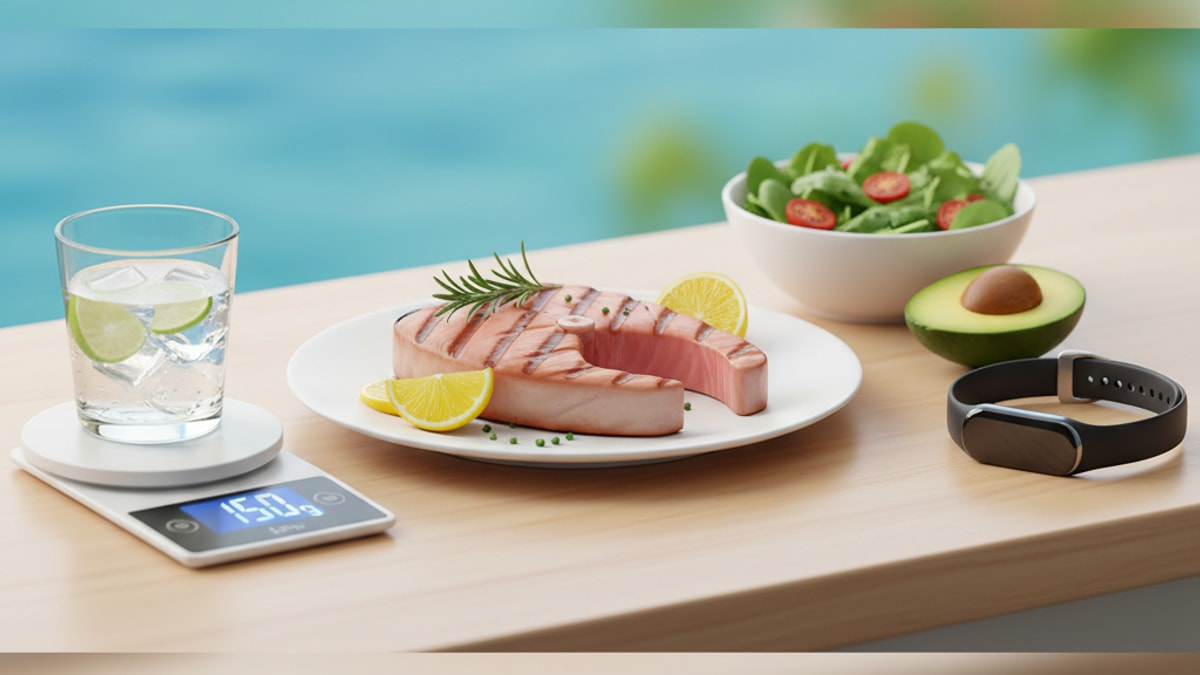
It's a question we hear all the time in our practice. Someone's recommitting to their health, clearing out the pantry, and staring at a few cans of tuna, wondering, "Is this actually going to help me?" The short answer is yes, tuna can be a formidable ally in your weight loss journey. It absolutely can.
But the long answer—the one that really matters for sustainable, long-term success—is a bit more nuanced. It’s not just about eating tuna; it's about how you eat it, which kind you choose, and how it fits into your broader metabolic health picture. At TrimrX, we've guided countless individuals through the complexities of nutrition, and we've seen firsthand how a simple food like tuna can be either a powerful tool or, when prepared incorrectly, a source of hidden calories that stalls progress. Let's be honest, this is crucial. We're here to give you the unvarnished truth, backed by science and our team's extensive clinical experience.
The Nutritional Case for Tuna
Before we get into the nitty-gritty, let's establish why tuna is even in this conversation. What makes it a nutritional heavyweight? It comes down to a few core components that are critical, non-negotiable elements of effective weight management.
First and foremost: protein. Tuna is an absolute protein powerhouse. A single can of light tuna packed in water can deliver over 20 grams of high-quality, complete protein for around 100 calories. That's an incredible nutritional bargain. Protein is your best friend when you're trying to lose weight for three key reasons our team can't stress enough:
- Satiety: Protein is the most satiating macronutrient. This isn't just a feeling; it's a physiological response. Eating a protein-rich meal helps trigger the release of hormones like peptide YY and GLP-1 that signal to your brain that you're full, which can dramatically reduce overall calorie intake. You're less likely to be hunting for snacks an hour after a tuna-centric lunch.
- Thermic Effect of Food (TEF): Your body actually burns calories just to digest and process the food you eat. Protein has the highest TEF of all macronutrients, meaning you burn more calories digesting a gram of protein than you do a gram of carbs or fat. It’s like a small metabolic boost built right into your meal.
- Muscle Preservation: When you're in a calorie deficit to lose weight, your body can sometimes break down muscle tissue for energy. A high-protein diet helps preserve that metabolically active muscle mass, ensuring you're primarily losing fat. This is essential for maintaining a healthy metabolism long-term.
Beyond protein, tuna provides a host of other vital nutrients. It's a fantastic source of omega-3 fatty acids, particularly EPA and DHA, which are celebrated for their anti-inflammatory properties and role in cardiovascular health. It's also rich in B vitamins, especially B12, which is critical for energy production, and selenium, a powerful antioxidant that supports thyroid function—a key player in regulating your metabolism. Simple, right?
Canned in Water vs. Canned in Oil: The Showdown
This is the classic supermarket aisle dilemma. The choice you make here can have a significant impact on the calorie and fat content of your meal. Our experience shows that there isn't one 'bad' choice, but there is a smarter choice depending on your specific goals.
Here’s a direct comparison our team put together to clarify things:
| Feature | Tuna Canned in Water | Tuna Canned in Oil | Professional Observation |
|---|---|---|---|
| Calories | Significantly Lower (around 100 per 3oz) | Higher (can be 150-200+ per 3oz) | For pure calorie control, water is the undisputed winner. The difference is stark. |
| Fat Content | Very Low (typically <1g per 3oz) | Much Higher (10-15g+ per 3oz) | The oil adds substantial fat. Even if it's 'healthy' olive oil, the calories add up quickly. |
| Protein | High and Unchanged | High and Unchanged | The protein content remains excellent in both versions. You don't sacrifice protein for lower calories. |
| Omega-3s | Slightly lower | Potentially higher | Some omega-3s can leach into the packing liquid. Draining oil means you lose some, but the initial content is often higher. |
Our Professional Recommendation: For most people focused squarely on weight loss, tuna packed in water is the superior choice. It gives you all the protein benefits with a fraction of the calories and fat. You have complete control over what you add to it. If you only have oil-packed tuna on hand, we recommend draining it as thoroughly as possible to remove a good portion of the added fat and calories. The convenience of canned tuna is one of its greatest assets, so don't let the packing liquid derail your efforts.
The Mercury Question: A Sober Look at the Risks
We have to talk about mercury. It's a legitimate concern, and ignoring it would be irresponsible. Mercury is a heavy metal that accumulates in larger, predatory fish, and tuna is one of them. High levels of mercury can be toxic to the nervous system. That's the reality.
However, for most adults, the benefits of eating fish like tuna generally outweigh the potential risks, provided you make smart choices. It all comes down to frequency and the type of tuna you consume. Some types of tuna have significantly more mercury than others.
Here’s what you need to know:
- Choose 'Light' Tuna: Canned light tuna, which typically comes from smaller skipjack or yellowfin tuna, is consistently lower in mercury. It's the best option for regular consumption.
- Limit Albacore ('White') Tuna: Albacore is a larger tuna species, so it accumulates more mercury. The FDA recommends that adults limit albacore tuna consumption to one serving (about 4 ounces) per week.
- Variety is Key: Don't rely on tuna as your only source of protein. We always advise our clients to incorporate a variety of lean protein sources into their diet, such as chicken breast, turkey, eggs, Greek yogurt, legumes, and other low-mercury fish like salmon or cod.
Following these guidelines allows you to reap the weight loss benefits of tuna without undue concern about mercury exposure. It's about being informed, not fearful.
How to Ruin a Perfectly Good Tuna Salad
This is where so many well-intentioned efforts go off the rails. You start with a lean, 100-calorie can of tuna and, by the time you're done, you've created a 500-calorie fat bomb. We've all seen this happen, right? The culprit is almost always what you mix it with.
The traditional tuna salad—loaded with full-fat mayonnaise, sweet pickle relish, and served between two slices of refined white bread—is a nutritional disaster. It's a classic example of how preparation can completely undermine a healthy ingredient. A single tablespoon of mayonnaise can pack nearly 100 calories and 10 grams of fat. Most people use several.
But it doesn't have to be this way. You can create a creamy, flavorful, and incredibly satisfying tuna salad that actually supports your goals. Here are some swaps our team recommends to clients all the time:
- Ditch the Mayo, Grab the Yogurt: Plain, non-fat Greek yogurt is a game-changer. It provides a similar creamy texture and tangy flavor with a huge protein boost and a fraction of the calories.
- Get Creamy with Avocado: Mashed avocado is another fantastic binder. It offers creaminess along with healthy monounsaturated fats and fiber, which further enhances satiety.
- Add Flavor, Not Sugar: Instead of sugary relish, load up on flavor-packed, low-calorie additions. Think finely diced celery, red onion, fresh herbs like dill or parsley, a squeeze of lemon juice, and a dash of Dijon mustard. Spices are your friend.
- Rethink Your Vehicle: Instead of white bread, serve your healthy tuna salad in lettuce cups (butter or romaine work great), on top of cucumber slices, with whole-grain crackers, or stuffed into a bell pepper or avocado. This adds nutrients, fiber, and crunch without the empty carbs.
Making these simple adjustments transforms tuna from a potential diet-wrecker into a reliable, delicious, and genuinely healthy meal.
Tuna's Place in a Modern, Medically-Supervised Plan
Here's what we've learned after years in this field: no single food, not even a superstar like tuna, is a magic bullet for weight loss. Lasting success isn't about finding one secret ingredient; it's about building a comprehensive, sustainable system that addresses your unique biology. It's about creating an environment where healthy choices feel easier.
Many of our clients come to us after trying everything. They've eaten tuna salads, grilled chicken, and endless greens, but the scale won't budge, or the weight keeps coming back. This is often because they're fighting an uphill battle against their own metabolism, hormonal signals, and insulin resistance. It's an incredibly frustrating, often moving-target objective.
This is precisely where a modern, medically-supervised approach can create a significant, sometimes dramatic shift. At TrimrX, we leverage advanced tools like GLP-1 medications (such as Semaglutide and Tirzepatide) to work with your body, not against it. These treatments help regulate blood sugar, quiet the hormonal 'food noise' that drives cravings, and increase feelings of fullness. They fundamentally change the game.
When your body's internal signals are properly regulated, a healthy diet rich in high-protein foods like tuna becomes exponentially more effective. You're not relying on sheer willpower to stick to your plan; your body is actively working with you. Suddenly, a sensible portion is genuinely satisfying. The desire to overeat diminishes. It's this powerful combination of smart nutrition and targeted medical science that creates profound and lasting results.
If you've been struggling to see results and feel like you're doing everything right, it may not be a lack of effort. It might be your biology. Understanding how these systems work is the first step toward finally taking control. If you're ready to see what a comprehensive approach can do for you, you can Start Your Treatment with our simple and confidential online assessment.
Beyond the Salad: Fresh Ways to Enjoy Tuna
Let's get practical. To make tuna a sustainable part of your diet, you need to keep it interesting. Here are a few simple, non-boring ideas that our team loves:
- Tuna-Stuffed Avocados: A perfect light lunch. Halve an avocado and remove the pit. Fill the center with a healthy tuna salad made with Greek yogurt, celery, and lemon juice. It's packed with protein and healthy fats.
- Mediterranean Tuna and White Bean Salad: Combine a can of drained tuna with a can of rinsed cannellini beans, chopped cherry tomatoes, cucumber, red onion, and a light vinaigrette made from olive oil, lemon juice, and oregano. It's a complete meal in a bowl.
- Spicy Tuna Lettuce Wraps: Mix tuna with a bit of sriracha, a touch of Greek yogurt or avocado, and some chopped green onions. Spoon the mixture into crisp lettuce cups for a low-carb, high-protein meal with a kick.
- Tuna Cakes (or Patties): Combine tuna with an egg, a little almond flour or breadcrumbs, and your favorite herbs and spices. Form into patties and pan-fry in a small amount of avocado oil until golden brown. They're fantastic on their own or over a bed of greens.
These recipes prove that tuna can be versatile, delicious, and a far cry from the bland, mayonnaise-drenched salads of the past.
So, is tuna good for weight loss? Our definitive answer is a resounding yes—when it's used correctly. It’s a convenient, affordable, and incredibly effective tool for boosting protein intake, managing hunger, and preserving muscle mass. By choosing the right kind (light, packed in water), being mindful of mercury, and preparing it with healthy, whole-food ingredients, you can make tuna a cornerstone of your successful weight management plan. It’s not a magic fix, but it's a powerful piece of a much larger, more effective puzzle.
Frequently Asked Questions
How much tuna can I eat per week for weight loss?
▼
For optimal benefits while managing mercury intake, we recommend sticking to 2-3 servings of canned light tuna per week. If you prefer albacore (‘white’) tuna, it’s best to limit that to just one serving per week due to its higher mercury content.
Is canned tuna as healthy as fresh tuna?
▼
Both are excellent sources of protein. Fresh tuna often has a slight edge in omega-3 fatty acid content, but canned tuna is far more convenient and affordable, making it a more practical choice for many people. For weight loss, the high protein in both is the key benefit.
Will eating tuna help me build muscle while losing fat?
▼
Absolutely. Tuna’s high-quality protein provides the essential amino acids necessary for muscle repair and synthesis. Consuming adequate protein, like that found in tuna, is critical for preserving and even building lean muscle mass during a calorie deficit.
What’s the best type of canned tuna for a diet?
▼
Our team strongly recommends canned ‘light’ tuna (usually skipjack) that is packed in water. This option provides the highest protein content for the lowest number of calories and fat, giving you the most nutritional value for your goals.
Can I eat tuna every day to lose weight?
▼
While tuna is healthy, we don’t recommend eating it every single day. Dietary variety is crucial for getting a wide range of nutrients and for preventing food boredom. It’s also wise to vary your protein sources to moderate mercury exposure.
Does tuna in oil make you gain weight?
▼
Tuna in oil won’t inherently make you gain weight, but it is significantly higher in calories and fat than tuna in water. If you don’t account for these extra calories in your daily total, it can easily contribute to weight gain or stall weight loss.
What are some healthy alternatives to mayonnaise in tuna salad?
▼
Plain, non-fat Greek yogurt is our top recommendation for a creamy, high-protein alternative. Mashed avocado is another excellent choice that adds healthy fats and fiber. A mix of Dijon mustard and lemon juice can also create a delicious, mayo-free dressing.
Is tuna good for a low-carb or keto diet?
▼
Yes, tuna is perfect for low-carb and ketogenic diets. It contains virtually zero carbohydrates, delivering pure protein and, depending on the type, healthy fats. It’s an easy and effective way to meet your protein goals without adding carbs.
Are tuna pouches better than cans?
▼
Nutritionally, they are very similar. Pouches can be more convenient as they often don’t require draining and are easy to transport. The most important factor remains the same: choose light tuna, preferably packed in water, regardless of the packaging.
Why do I still feel hungry after eating tuna?
▼
If you’re still hungry, consider what you’re eating *with* the tuna. A can of tuna alone is a small volume of food. To increase satiety, pair it with high-fiber vegetables, like in a large salad, or a source of healthy fat, like avocado.
Can a medically supervised plan like TrimrX help if I’m already eating healthy foods like tuna?
▼
Yes, absolutely. Many people eat healthy but struggle to lose weight due to underlying metabolic or hormonal factors. Our medically supervised programs, using tools like GLP-1s, address your biology to make your healthy eating efforts, including consuming foods like tuna, far more effective.

Transforming Lives, One Step at a Time
Keep reading

Do You Need a Prescription for GLP-1s? The 2026 Answer
Wondering ‘do you need a prescription for glp 1’ in 2026? Yes. We explain why a doctor’s oversight is critical for safe, effective results.

How to Get GLP-1 Covered By Insurance: Our 2026 Playbook
Struggling with how to get glp-1 covered by insurance? Our 2026 guide breaks down prior authorizations, appeals, and documentation.

Traveling with GLP-1s in 2026: Your Essential Trip-Proof Plan
Don’t let travel disrupt your GLP-1 treatment. Learn how to travel with glp 1 medications safely and stress-free in our 2026 expert guide.


