Is Tuna Salad Good for Weight Loss? Our Unflinching Answer
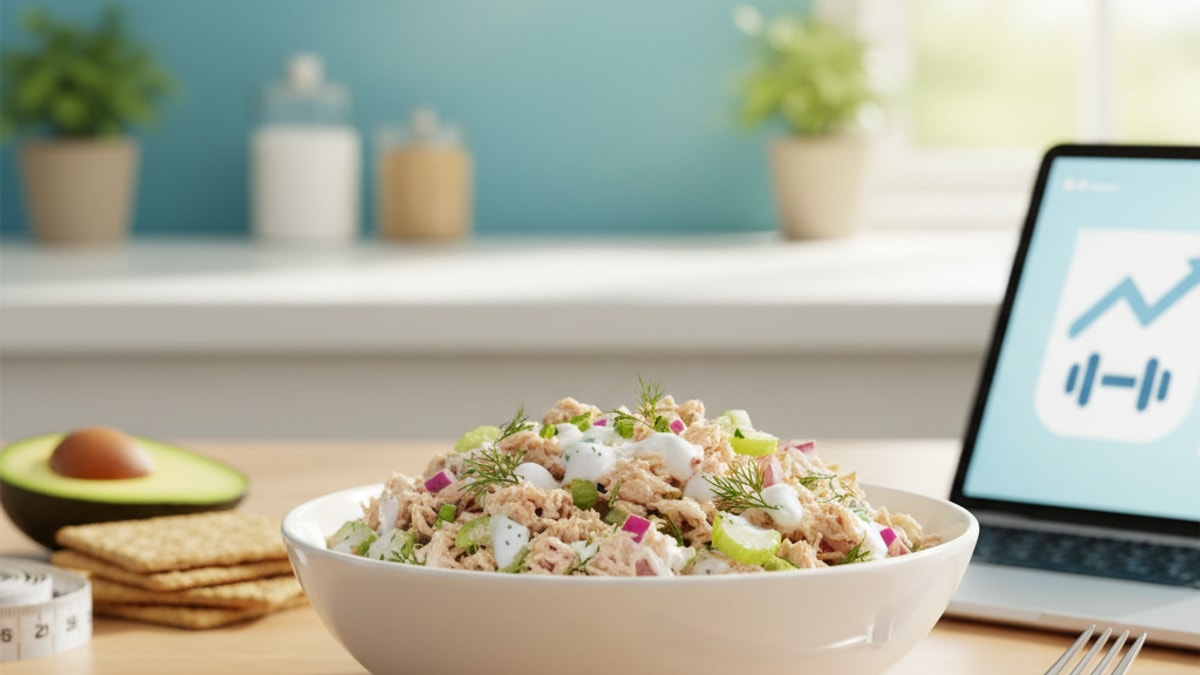
It’s a question we hear all the time in our practice, a seemingly simple query that unpacks a world of nutritional nuance: is tuna salad good for weight loss? It’s a nostalgic comfort food for many, a quick lunch staple that feels like it should be healthy. It’s fish, after all. But our team has seen this exact meal, prepared with the best of intentions, completely stall what was otherwise impressive progress. The answer isn't a simple yes or no. Honestly, it's a resounding 'it depends.'
And what it depends on is everything. It depends on the ingredients you choose, the portion you eat, and—most importantly—how it fits into the broader mosaic of your health strategy. At TrimrX, we don't just look at single meals; we look at the entire biological and behavioral system that governs weight. We've guided countless patients through the complexities of metabolic health using advanced tools like GLP-1 medications, and our experience shows that sustainable success comes from understanding the 'why' behind your food choices. So, let's break down the real story of tuna salad, moving past the surface-level assumptions to give you the expert perspective you need.
The Unquestionable Power of Plain Tuna
Before we get into the complexities of the 'salad' part, let's focus on the star of the show: the tuna itself. On its own, canned tuna is a formidable ally in the fight for a healthier body composition. We can't stress this enough. It's a nutritional powerhouse, and its benefits are rooted in straightforward science.
First, and most critically for weight management, is its protein content. A single can of light tuna packed in water can deliver upwards of 40 grams of high-quality protein for under 200 calories. That is an incredible nutritional bargain. Protein is the cornerstone of effective weight loss for several reasons our team consistently emphasizes:
- Satiety: Protein is significantly more filling than carbohydrates or fats. A protein-rich meal sends powerful signals to your brain that you're full, which can dramatically reduce overall calorie intake throughout the day. You're simply less likely to be hunting for snacks an hour after a tuna-centric lunch.
- Thermic Effect of Food (TEF): Your body actually burns calories to digest and process the food you eat. Protein has the highest TEF of all macronutrients, meaning your body expends more energy breaking it down. It's a subtle but meaningful metabolic advantage.
- Muscle Preservation: When you're in a calorie deficit to lose weight, your body can sometimes break down muscle tissue for energy. Consuming adequate protein helps protect that lean muscle mass. This is crucial because muscle is metabolically active tissue—the more you have, the more calories you burn at rest.
Beyond the protein, tuna is a fantastic source of omega-3 fatty acids, particularly EPA and DHA. These aren't just buzzwords; they are essential fats with profound anti-inflammatory properties. Chronic inflammation is increasingly linked to metabolic dysfunction and weight gain, so incorporating sources of omega-3s is a non-negotiable part of a truly healthy eating plan. They also support cardiovascular health and brain function, which are integral to your overall well-being. It's a win-win.
So, the tuna itself gets a glowing endorsement from our team. It’s lean, packed with protein, and delivers valuable micronutrients. The problem almost never lies with the fish.
The problem lies with its partner.
The Unassuming Saboteur: Mayonnaise
Here's where the healthy-intentioned lunch often takes a catastrophic turn. Mayonnaise. It’s the creamy, traditional binder that transforms flakes of fish into a cohesive salad. Unfortunately, it's also a caloric minefield.
Let’s be brutally honest. Most commercially available mayonnaise is little more than oil, egg yolks, and some vinegar or lemon juice. The primary ingredient is oil, making it almost entirely fat. Just two tablespoons of a full-fat, popular brand of mayo can pack around 180-200 calories and 20 grams of fat. Now, think about how you make tuna salad at home. Do you meticulously measure out two tablespoons? Or do you scoop until it 'looks right'? For a single can of tuna, many people easily use a quarter cup or more, instantly adding 400+ calories and a whopping 40 grams of fat before you’ve even considered bread or crackers.
It's a shocking amount. Suddenly, your 'light' lunch of 200-calorie tuna has ballooned into a 600-calorie meal, with the majority of those calories coming from processed vegetable oils. It's a classic example of what we call a 'health halo' food—a dish that sounds healthy but is prepared in a way that completely undermines its benefits.
And it’s not just the calories. The type of fat matters. Most mayonnaise is made with soybean oil, which is extremely high in omega-6 fatty acids. While some omega-6 is necessary, the typical modern diet has a wildly imbalanced ratio of omega-6 to omega-3, which can promote inflammation. You start with anti-inflammatory tuna and then smother it in a pro-inflammatory dressing. It's nutritionally counterproductive.
This is the kind of detail that makes all the difference. It's why a generalized diet plan often fails. Without understanding these hidden calorie and ingredient traps, you can follow the 'rules' and still see no results, leading to frustration and burnout. We’ve seen it happen time and time again.
Building a Better Tuna Salad: Our Team’s Recommendations
So, does this mean tuna salad is off the table? Absolutely not. It just means we need to be smarter about how we build it. The goal is to get that creamy texture and binding effect without the caloric and inflammatory baggage of traditional mayonnaise. Fortunately, there are many fantastic, nutrient-dense alternatives.
Our team has tested and recommended these swaps to patients for years, and the feedback is consistently positive. You don't have to sacrifice flavor for your health goals.
Here’s a direct comparison to illustrate the impact of your choices:
| Ingredient Swap | Typical Full-Fat Mayo (1/4 cup) | Greek Yogurt (1/4 cup) | Mashed Avocado (1/4 cup) | Hummus (1/4 cup) | Cottage Cheese (1/4 cup) |
|---|---|---|---|---|---|
| Calories (Approx.) | 400 | 35 | 90 | 100 | 45 |
| Fat (g) | 44 | 0 | 8 | 8 | 1 |
| Protein (g) | 0 | 6 | 1 | 3 | 7 |
| Key Benefit | Creaminess (at a high cost) | High Protein, Probiotics | Healthy Fats, Fiber | Fiber, Plant-Based | High Protein, Creamy |
As you can see, the difference is not subtle; it's a dramatic shift. By swapping mayonnaise for non-fat plain Greek yogurt, you save nearly 370 calories and add 6 grams of protein. That’s a game-changer. Greek yogurt provides a similar tangy creaminess, plus the added benefits of probiotics for gut health. This is our top recommendation for a reason. It's effective.
Other great options we suggest include:
- Mashed Avocado: This adds healthy monounsaturated fats and fiber, creating a rich, satisfying salad. A squeeze of lemon or lime juice is essential here to prevent browning and add brightness.
- Hummus: A less conventional but delicious choice that adds creaminess, fiber, and a savory, garlicky flavor profile.
- Cottage Cheese: Blended or whipped cottage cheese creates an incredibly creamy, high-protein base that’s remarkably low in calories and fat.
Our advice? Experiment. Try a half-and-half blend of Greek yogurt and mashed avocado. Add a spoonful of Dijon mustard for flavor without calories. The key is to reclaim control over the ingredients and build a salad that actively serves your goals instead of passively sabotaging them.
Beyond the Binder: Other Sneaky Calorie Traps
Fixing the mayo problem is the biggest step, but it’s not the only one. A truly optimized tuna salad requires a critical look at everything you add to the bowl and what you serve it with.
Let’s talk about the mix-ins. Sweet pickle relish is a common addition, but it’s often loaded with sugar and high-fructose corn syrup. A single tablespoon can add 20 calories and 4-5 grams of sugar. That might not sound like much, but it adds up. A better choice? Finely diced dill pickles or capers for that salty, briny kick without the sugar.
What about the crunch? Celery and red onion are fantastic, low-calorie additions that provide texture and nutrients. We fully endorse them. But other additions, like heaping handfuls of shredded cheese or sugary dried cranberries, can quickly pile on extra calories and sugar, turning your lean meal into something else entirely.
Finally, and this is a big one, consider the vessel. How are you eating this tuna salad? Piling it between two slices of highly processed white bread can add 150-200 empty calories and spike your blood sugar. Serving it with a large portion of crackers, even 'healthy' whole-grain ones, can add hundreds of calories without much nutritional payoff. We recommend rethinking the delivery system. Serve your revamped tuna salad in crisp lettuce cups (butter lettuce or romaine work beautifully), hollowed-out bell peppers or cucumbers, or on top of a large bed of mixed greens. This approach maximizes nutrient density while minimizing empty calories.
How Tuna Salad Fits into a Modern Weight Loss Strategy
Now for the most important part. Understanding how to build a healthier tuna salad is great, but it's just one piece of a much larger puzzle. Sustainable weight loss is never about a single 'good' or 'bad' food. It's about creating a comprehensive system where your biology, your habits, and your environment all work in your favor.
This is the core of our philosophy at TrimrX. We recognize that for many people, the relentless cycle of food cravings, hunger, and metabolic slowdown makes sticking to a healthy plan feel like a formidable, uphill battle. It's not a lack of willpower; it's often a biological reality. Your body's hormonal signals, like ghrelin (the hunger hormone) and insulin, can work against your best efforts.
This is where modern medical advancements become so transformative. GLP-1 medications, such as Semaglutide and Tirzepatide, are not just appetite suppressants. They work on a much deeper level. They target the same receptors in your brain that regulate satiety, helping you feel fuller faster and for longer. They also help stabilize blood sugar and slow gastric emptying. The result? The constant 'food noise' in your head quiets down. Cravings diminish. You're empowered to make rational, healthy choices—like opting for the Greek yogurt tuna salad in a lettuce cup—because you're not fighting a ferocious, hormonally-driven hunger.
These treatments create the biological space needed for healthy habits to take root. A patient on a GLP-1 treatment might find that a smaller portion of their protein-packed tuna salad is perfectly satisfying, whereas before they would have needed a much larger meal to feel full. It makes the entire process feel less like a struggle and more like a natural alignment with their goals. If you're curious about whether this kind of medical support could be the missing piece in your own journey, we encourage you to Take Quiz on our site. It's a simple first step toward understanding your options.
Canned Tuna 101: A Quick Guide to the Grocery Aisle
To empower you even further, let's quickly demystify the tuna aisle. The choices can be overwhelming, but a few key distinctions make all the difference.
- Packed in Water vs. Oil: Always choose tuna packed in water. Always. Tuna packed in oil can have more than double the calories and triple the fat before you've even added anything to it. The oil is typically the same pro-inflammatory soybean or vegetable oil we want to avoid. Drain it well to remove excess sodium.
- Chunk Light vs. Solid Albacore: This choice involves a trade-off. Albacore (white) tuna has a firmer texture and a milder flavor, but it's a larger fish and tends to have higher levels of mercury. Chunk light tuna is typically made from smaller skipjack or yellowfin tuna, which are lower on the food chain and thus have significantly less mercury. For this reason, we generally recommend chunk light tuna, especially if you plan to eat it regularly.
- Mercury Concerns: Is mercury a real issue? Yes, but the context is important. For most adults, eating a couple of servings of chunk light tuna per week is considered perfectly safe. The benefits, particularly the lean protein and omega-3s, far outweigh the potential risks. However, pregnant women, nursing mothers, and young children should be more cautious and limit their intake.
Making the right choice in the store sets you up for success before you even open the can. It's another small, controllable step in building a healthier lifestyle.
This is the level of detail that drives real, lasting change. It's about moving beyond simplistic food rules and developing a true understanding of nutrition. It’s not just about losing weight; it's about gaining health, energy, and control. When you combine this nutritional knowledge with a supportive framework, whether that includes medical treatments or simply a commitment to new habits, the results can be profound. If you're ready to move beyond the cycle of dieting and create that lasting change, you can Start Your Treatment Now and begin a partnership with a team that understands the whole picture.
So, back to our original question. Is tuna salad good for weight loss? When you strip it of the high-calorie binders, load it with vegetables, and serve it in a smart way, it's not just good—it's exceptional. It becomes a high-protein, nutrient-dense tool that can keep you full, protect your muscle mass, and support your metabolic health. It's a perfect example of how small, informed choices, made consistently over time, pave the road to a truly transformed life.
Frequently Asked Questions
How often can I eat tuna salad for weight loss?
▼
For most adults, enjoying tuna salad 2-3 times a week is a great way to get lean protein and omega-3s. We recommend choosing chunk light tuna packed in water to minimize potential mercury exposure.
Is tuna packed in oil or water better for a diet?
▼
Without question, choose tuna packed in water. Tuna in oil can contain more than double the calories and fat, often from pro-inflammatory vegetable oils that work against your health goals.
What are the best low-carb ways to eat tuna salad?
▼
Our team’s favorite low-carb vessels are crisp lettuce cups, hollowed-out bell peppers, cucumber slices, or simply served over a large bed of mixed greens. These add nutrients and fiber without the empty carbs of bread or crackers.
Can I make a big batch of healthy tuna salad for the week?
▼
Yes, but with a caveat. If you’re using Greek yogurt or avocado, it’s best to make enough for 2-3 days, as the texture can change over time. Store it in an airtight container in the coldest part of your fridge.
Is albacore or chunk light tuna better for weight loss?
▼
Both are excellent sources of protein. However, we generally recommend chunk light tuna because it comes from smaller fish and has a significantly lower mercury content, making it a safer choice for regular consumption.
What can I add to my tuna salad for more flavor without calories?
▼
Dijon mustard, fresh herbs like dill or parsley, a squeeze of lemon juice, capers, and finely diced celery or red onion are all fantastic ways to add a huge amount of flavor for virtually no calories.
Will eating tuna salad help me lose belly fat?
▼
No single food can target fat loss in a specific area. However, a high-protein diet, which can include properly made tuna salad, supports overall fat loss and helps preserve muscle mass, which contributes to a leaner physique.
Is relish a healthy addition to tuna salad?
▼
Most commercial sweet pickle relish is high in sugar. We recommend swapping it for finely chopped dill pickles or a splash of pickle juice to get that tangy flavor without the added sugars.
How does a GLP-1 medication help with making healthier food choices like this?
▼
GLP-1s work with your body’s natural hormones to increase feelings of fullness and reduce ‘food noise’ or cravings. This makes it significantly easier to feel satisfied with appropriate portions of healthy foods like a well-made tuna salad.
Is canned salmon a good alternative to canned tuna?
▼
Absolutely. Canned salmon is another excellent choice. It’s typically even higher in anti-inflammatory omega-3 fatty acids and is also very low in mercury, making it a great option to rotate with tuna.
What if I don’t like Greek yogurt or avocado?
▼
You can try using blended cottage cheese for a creamy, high-protein base. Alternatively, a good quality hummus or even just a bit of olive oil, lemon juice, and mustard can create a delicious, mayo-free dressing.

Transforming Lives, One Step at a Time
Keep reading

Do You Need a Prescription for GLP-1s? The 2026 Answer
Wondering ‘do you need a prescription for glp 1’ in 2026? Yes. We explain why a doctor’s oversight is critical for safe, effective results.

How to Get GLP-1 Covered By Insurance: Our 2026 Playbook
Struggling with how to get glp-1 covered by insurance? Our 2026 guide breaks down prior authorizations, appeals, and documentation.

Traveling with GLP-1s in 2026: Your Essential Trip-Proof Plan
Don’t let travel disrupt your GLP-1 treatment. Learn how to travel with glp 1 medications safely and stress-free in our 2026 expert guide.


