Walking or Running for Weight Loss? The Unflinching Truth
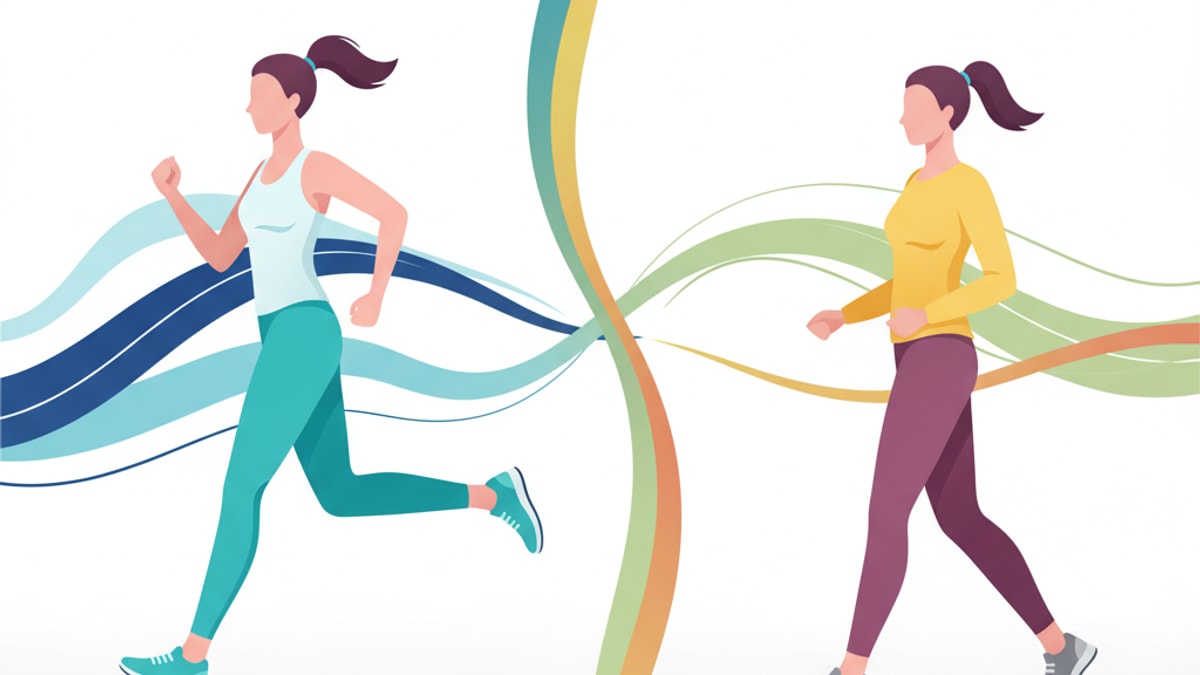
It’s the question we hear all the time. On one side, you have the runners, pounding the pavement, sweat flying, chasing that elusive runner’s high. On the other, the walkers, steady and consistent, logging miles with a decidedly lower-impact approach. Both groups are moving, both are putting in the effort, but the debate rages on: is walking or running better for weight loss?
Let’s be honest, the simple answer you’re probably looking for doesn’t exist. If it did, we wouldn’t need to have this conversation. The reality is far more nuanced, deeply personal, and frankly, more interesting. Our team at TrimrX has spent years navigating the complex biochemical landscape of weight loss, and we've learned that the answer isn't about which activity is generically 'better.' It's about which is better for you, your body, your hormones, and your life. It’s about building a sustainable strategy, not just winning a single workout.
The High-Octane Case for Running
There’s no denying the raw efficiency of running. When it comes to burning calories in the shortest amount of time, running is the undisputed champion. A 160-pound person can burn over 350 calories in just 30 minutes of running at a moderate pace. That’s a significant number. Do that a few times a week, and you’re creating a serious calorie deficit.
But the magic of running doesn’t stop when your feet do. This is where we get into something called excess post-exercise oxygen consumption, or EPOC. You might know it by its much cooler name: the afterburn effect. High-intensity exercises like running push your body so hard that your metabolism stays elevated for hours after you’ve finished, continuing to burn calories as your body works to recover and return to its resting state. It’s a powerful metabolic bonus. Think of it as your body continuing the workout long after you’ve hit the shower. Your cardiovascular system also gets a formidable workout, strengthening your heart and improving its efficiency. We’ve seen countless individuals improve their resting heart rate and blood pressure through a consistent running regimen.
It’s intense.
This intensity, however, is a double-edged sword. The same high-impact force that stimulates bone density can also wreak havoc on your joints. Knees, hips, ankles—they all take a pounding. For someone just starting their fitness journey or carrying significant extra weight, jumping straight into a running program can be a fast track to injury, sidelining you for weeks and killing your momentum. Let's be real, you can't lose weight if you're stuck on the couch with a sprained ankle.
Furthermore, the stress running places on the body isn’t just physical. Intense exercise can elevate cortisol, the body’s primary stress hormone. While short-term spikes are normal, chronically high cortisol from overtraining can lead to some seriously counterproductive outcomes for weight loss, including increased appetite (especially for junk food), stubborn belly fat storage, and muscle breakdown. It’s a classic case of more not always being better. Your body doesn’t know you’re training for a 5k; it just knows it’s under significant stress.
The Steady Power of Walking
Now, let's slow things down and talk about walking. It might not have the glamour or the immediate calorie-crushing credentials of running, but its power is in its accessibility and its profound sustainability. We can't stress this enough: the best exercise for weight loss is the one you will actually do consistently.
For so many people, that exercise is walking.
The barrier to entry is virtually zero. You don't need special equipment, a gym membership, or an athletic background. You just need a decent pair of shoes and a door to walk out of. This makes it incredibly easy to integrate into your daily life. A brisk walk during your lunch break, walking to run errands, taking a family stroll after dinner—it all adds up. Because it's low-impact, the risk of injury is dramatically lower than with running. This means you can do it more often, for longer periods, without needing extensive recovery time. Consistency is king in weight loss, and walking is the king of consistency.
From a hormonal perspective, walking can be a huge ally. A brisk walk, especially in nature, has been shown to lower cortisol levels. Instead of putting your body into a state of stress, it helps to calm it down. This can be a game-changer for individuals whose weight struggles are linked to chronic stress. It helps shift your body out of 'fight-or-flight' and into 'rest-and-digest' mode, which is far more conducive to fat loss.
Of course, the calorie burn per minute is lower. That same 160-pound person would burn around 150 calories in a 30-minute brisk walk. So, from a pure numbers perspective, you have to walk for longer to achieve the same burn as a run. But this comparison is a bit misleading. A 30-minute run might leave you exhausted and ravenously hungry later, while a 60-minute walk can leave you feeling energized and in control of your appetite. Which one is truly better for your net calorie balance at the end of the day? Our experience shows it’s often the latter.
Walking vs. Running: A Head-to-Head Look
To make this easier to visualize, our team put together a quick comparison. It’s not about picking a winner, but about understanding the trade-offs so you can make an informed decision for your own body and goals.
| Feature | Running (High-Intensity) | Walking (Low-Intensity) |
|---|---|---|
| Calorie Burn (per 30 min) | High (approx. 300-400+ calories) | Moderate (approx. 130-200 calories) |
| Impact on Joints | High. Significant stress on knees, hips, and ankles. | Low. Gentle on joints, making it suitable for most people. |
| Injury Risk | Higher. Common issues include shin splints, runner's knee, and stress fractures. | Very low. One of the safest forms of physical activity. |
| Afterburn Effect (EPOC) | Significant. Metabolism stays elevated for hours post-workout. | Minimal. Calorie burn largely stops when the activity does. |
| Hormonal Impact | Can increase cortisol (stress hormone), especially with overtraining. | Can decrease cortisol, promoting relaxation and reducing stress. |
| Sustainability & Consistency | Can be difficult to maintain daily due to high physical demand and recovery needs. | Excellent. Easy to do daily and integrate into a busy lifestyle. |
| Barrier to Entry | Moderate. Requires a base level of fitness and proper gear to avoid injury. | Extremely low. Accessible to nearly everyone, regardless of fitness level. |
Looking at this table, it becomes clear. The choice isn't simple. It’s a strategic decision based on your personal context.
The Biochemical Reality: It’s Not Just About Calories
Here’s a truth we’ve built our entire approach on at TrimrX: sustainable weight loss is never just about calories in versus calories out. That’s an outdated, overly simplistic model. Your body is a complex system of hormones, signals, and metabolic processes. The type of exercise you do sends a very specific set of instructions to that system.
High-intensity running screams urgency and stress. It tells your body to dump glucose into the bloodstream for immediate energy and to be prepared for a threat. Low-intensity walking, on the other hand, sends a signal of calm, steady energy expenditure. It encourages your body to become more efficient at using fat for fuel over the long term. Neither signal is inherently 'good' or 'bad,' but one may be far more aligned with your weight loss goals, especially if you’re dealing with issues like insulin resistance or hormonal imbalances.
This is precisely where modern medical advancements can make a profound difference. The journey of weight loss can feel like an uphill battle against your own biology—fighting cravings, a sluggish metabolism, and persistent hunger. This is because hormones like GLP-1 (glucagon-like peptide-1), which regulate appetite and blood sugar, may not be functioning optimally. Exercise is a crucial tool, but it can be like trying to row a boat with one oar if your internal signaling is working against you.
Our medically-supervised programs utilize FDA-registered GLP-1 medications like Semaglutide and Tirzepatide to help restore that balance. These treatments work with your body's natural systems to reduce hunger, quiet 'food noise,' and improve how your body processes sugar. When you combine this metabolic support with a consistent movement practice—whether it’s walking or running—the results can be transformative. The exercise you’re doing suddenly becomes more effective because your body is finally in a state to respond properly. If you're curious about how your own biology might be impacting your weight loss efforts, we recommend you Take Quiz to see if a medically-guided approach is right for you.
Building a Smarter Strategy: The Hybrid Approach
So, what do we recommend? For most people, the optimal strategy isn’t an 'either/or' choice. It’s a hybrid.
-
Build a Foundation with Walking: Start with walking. Make it your non-negotiable daily habit. Aim for 30-60 minutes of brisk walking most days of the week. This builds your aerobic base, strengthens your joints and connective tissues, manages stress, and creates the habit of movement without the high risk of burnout or injury.
-
Sprinkle in Intensity: Once you have a solid walking foundation, you can start 'sprinkling in' higher intensity work. This doesn’t have to mean running for miles. It could be incorporating hills into your walk, which dramatically increases the cardiovascular demand and calorie burn. It could be adding short 'running intervals' into your walk: walk for four minutes, jog for one, and repeat. This is a form of High-Intensity Interval Training (HIIT) that gives you a taste of the afterburn effect without the sustained impact of a long run.
-
Listen to Your Body (Really): This might be the most critical piece of advice we can give. Some days you’ll feel energized and ready to push yourself. Those are great days for a run or some hill work. Other days, you’ll be tired, stressed, or sore. On those days, a gentle walk is not a failure; it’s a brilliant strategic choice. It keeps you moving, helps with recovery, and manages cortisol. Pushing through pain or exhaustion is the fastest way to get injured and derail your progress.
This personalized, responsive approach is how you build a fitness habit that lasts a lifetime, not just for a few weeks. It honors the reality that your body's needs change from day to day.
The goal is to create a program that serves your body, not punishes it. When you’re ready to align your efforts with a plan that understands your unique biology, you can Start Your Treatment with our team of medical professionals. We're here to guide you beyond the simple walking vs. running debate and toward a comprehensive solution.
Ultimately, the 'is walking or running better for weight loss' question is the wrong one. The right question is: 'What combination of movement, nutrition, and metabolic support will get me the sustainable, long-term results I’m looking for?' That answer starts with understanding that all movement is good, consistency is better, and a smart, holistic strategy is best. Whether you choose to walk, run, or do a little of both, the most important step is the first one you take. And the next one after that. Just keep moving forward.
Your journey to a healthier weight is unique, and your exercise plan should be too. Don't get trapped in the dogma of one 'perfect' workout. Instead, embrace a flexible, intelligent approach that fits your life. When you're ready to amplify those efforts and work with your body's biology instead of against it, we're here to help you design that comprehensive plan. The first step is simple. Start Your Treatment Now.
Frequently Asked Questions
Can I lose belly fat just by walking?
▼
Walking can absolutely help reduce overall body fat, including visceral belly fat. While you can’t spot-reduce fat from one area, consistent brisk walking helps create a calorie deficit and lowers cortisol, a stress hormone linked to abdominal fat storage.
How much weight can I realistically lose by walking for 30 minutes a day?
▼
Weight loss depends on many factors, including diet and your starting weight. However, walking 30 minutes a day can contribute to a loss of about half a pound to one pound per week when combined with a healthy diet, as it helps create a consistent calorie deficit.
Is it better to walk on a treadmill or outside?
▼
Both are great options! Treadmills offer control over incline and pace and are convenient in any weather. Walking outside provides varied terrain, which engages more muscles, and offers the mental health benefits of fresh air and sunshine.
If I’m short on time, is a 15-minute run better than a 30-minute walk?
▼
From a pure calorie-burn perspective, a 15-minute run will likely burn slightly more calories and trigger a better afterburn effect. However, a 30-minute walk may be better for stress reduction and is easier to recover from, so the ‘better’ option depends on your goal for that day.
Do I need to walk a certain speed to lose weight?
▼
For weight loss, a ‘brisk’ pace is ideal. This is typically a pace where you can still hold a conversation but are breathing noticeably harder. Aim for a speed of around 3 to 4 miles per hour, or a pace that elevates your heart rate.
Will running ruin my knees?
▼
While running is high-impact, it doesn’t automatically ruin your knees. Proper footwear, good form, gradual progression, and incorporating strength training can significantly reduce the risk of injury. If you have pre-existing knee issues, walking is a safer alternative.
How does diet fit in with walking or running for weight loss?
▼
Diet is the most critical component of weight loss. Exercise like walking or running creates a calorie deficit and improves metabolic health, but you can’t out-train a poor diet. A balanced, nutrient-dense diet is essential to fuel your workouts and achieve your goals.
Should I walk before or after a meal?
▼
A short walk after a meal can be particularly beneficial for aiding digestion and helping to stabilize blood sugar levels. However, any time you can fit in a walk is a good time, so focus on consistency rather than perfect timing.
What if I hate running but want the high-intensity benefits?
▼
You have many options! You can try adding steep inclines to your walks, using an elliptical or stair-climber, or trying cycling intervals. These all provide a great cardiovascular workout with less impact than running.
How does a program like TrimrX work with an exercise plan?
▼
Our medically-supervised programs use GLP-1 medications to help regulate your body’s metabolic and appetite-control hormones. This makes it easier to manage hunger and cravings, allowing your exercise and nutrition efforts to be far more effective for sustainable weight loss.
Is it better to walk for a longer duration or run for a shorter one?
▼
This depends on your schedule and fitness level. A longer walk (60+ minutes) is excellent for fat burning and is low-stress. A shorter run (20-30 minutes) is more time-efficient for calorie burning. A mix of both throughout the week is often the best strategy.
How do I stay motivated to walk or run consistently?
▼
Find ways to make it enjoyable! Listen to podcasts or music, walk or run with a friend, explore new routes, and set small, achievable goals. Tracking your progress can also be a powerful motivator to see how far you’ve come.

Transforming Lives, One Step at a Time
Keep reading

Do You Need a Prescription for GLP-1s? The 2026 Answer
Wondering ‘do you need a prescription for glp 1’ in 2026? Yes. We explain why a doctor’s oversight is critical for safe, effective results.

How to Get GLP-1 Covered By Insurance: Our 2026 Playbook
Struggling with how to get glp-1 covered by insurance? Our 2026 guide breaks down prior authorizations, appeals, and documentation.

Traveling with GLP-1s in 2026: Your Essential Trip-Proof Plan
Don’t let travel disrupt your GLP-1 treatment. Learn how to travel with glp 1 medications safely and stress-free in our 2026 expert guide.


