Weight Loss in Early Pregnancy: What’s Really Happening?
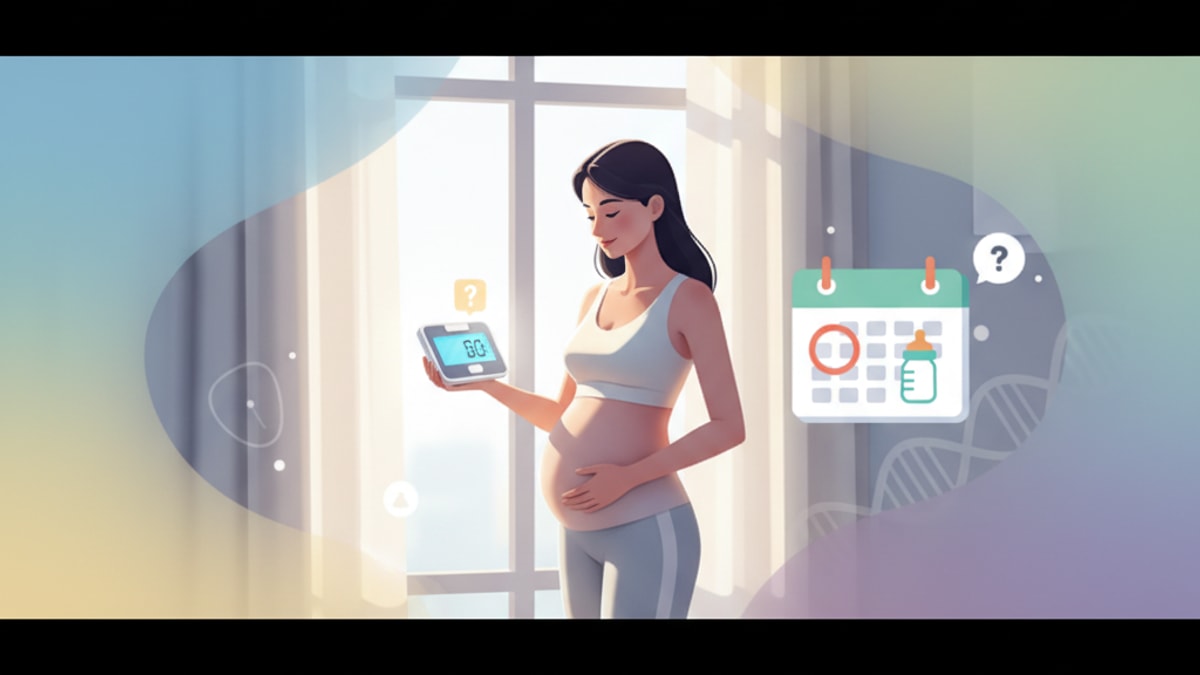
Let's be honest. When you think about the early signs of pregnancy, your mind probably jumps to a missed period, fatigue, or maybe tender breasts. The idea of the number on the scale going down? It’s counterintuitive. It's confusing. And for many, it can be a source of real anxiety.
The internet is a sprawling, often contradictory, source of information on this. You'll find forums where some swear they dropped five pounds right before getting a positive test, while medical sites emphasize that weight gain is the norm. So, is weight loss a sign of pregnancy? The short answer is: sometimes. But the full story is far more nuanced, and understanding it is critical. Here at TrimrX, our entire focus is on the intricate science of metabolic health and body composition. We've dedicated our work to understanding how hormones, nutrition, and biology intersect to influence weight. This gives our team a unique perspective on why your body might react in such an unexpected way during one of its most profound transformations.
The Common Expectation vs. The Surprising Reality
From the moment a pregnancy is confirmed, the cultural narrative is all about growth. You’re eating for two, you’re gaining a healthy amount of weight to support a developing baby, and your body is expanding. That's the script. And for the majority of pregnancies, that is exactly what happens over the course of nine months. Healthy weight gain is a vital sign of a healthy pregnancy.
But the first trimester is a world of its own. It's a period of dramatic, almost chaotic, hormonal upheaval. Your body is undergoing a fundamental recalibration to build a new life support system. It’s an enormous undertaking. And for some women, this initial phase doesn't kick off with weight gain. It can start with stabilization or even a slight, temporary drop in weight. We’ve seen it in clinical discussions and heard it from patients countless times. This isn't the most common symptom—not by a long shot—but it’s also not incredibly rare. The key is to understand the 'why' behind it, because that’s where you can separate a normal, albeit surprising, bodily response from a potential red flag.
Why Might Weight Loss Happen in Early Pregnancy?
The reasons behind first-trimester weight loss are almost always tied to the same powerful biological forces that cause other, more well-known pregnancy symptoms. It’s not random; it's a direct result of your body's intense new agenda.
Morning Sickness: The Biggest Culprit
This is the number one reason. And let's be clear, the term 'morning sickness' is a terrible misnomer. It can be all-day-and-all-night sickness. For some, it's a mild, background queasiness. For others, it’s a relentless wave of nausea and vomiting that makes keeping anything down a formidable challenge. When you're feeling constantly nauseous, food becomes the enemy. Your appetite plummets. Certain smells can trigger a gag reflex. This naturally leads to a decrease in caloric intake.
In more severe cases, a condition known as hyperemesis gravidarum (HG) can cause significant weight loss and dehydration, often requiring medical intervention. HG is far more intense than typical morning sickness. We’re talking about an inability to keep even water down. This isn't just uncomfortable; it's a serious medical issue. The subsequent weight loss is a direct consequence of a severe and sustained calorie and fluid deficit. It's your body running on empty.
Hormonal Overdrive
What drives this nausea? Hormones. Specifically, human chorionic gonadotropin (hCG). This is the hormone that pregnancy tests detect, and its levels skyrocket in the first 8-11 weeks. Our team's work in biotechnology constantly reinforces how profoundly hormones dictate our body's functions, and hCG is a prime example. High levels of hCG are strongly correlated with the onset and severity of morning sickness. It's a powerful signal to your body, but it comes with some very real side effects.
Other hormones are also at play. Rising progesterone levels, for instance, can slow down your entire digestive system. This can lead to bloating, constipation, and a general feeling of fullness, which further suppresses the desire to eat. It’s a complex hormonal cocktail, and the result for some is a temporary downturn in appetite and weight.
Shifts in Diet, Cravings, and Aversions
Pregnancy can completely rewire your palate. Suddenly, the greasy burger you used to love might seem repulsive. The smell of coffee could be nauseating. Many women develop powerful aversions to fatty, processed, or strongly flavored foods. At the same time, they might find themselves craving simpler, plainer, or healthier options like fruit or salads. This dietary shift, moving away from calorie-dense foods toward lighter fare, can easily result in a lower overall calorie intake without you even trying. It's your body's way of protecting itself, but a side effect can be a few lost pounds.
A Slight Metabolic Boost
Your body's engine is running a little hotter now. Building a placenta and supporting a growing fetus requires energy. This causes a slight increase in your basal metabolic rate (BMR)—the number of calories you burn at rest. While this increase is generally small in the first trimester, when combined with reduced calorie intake from nausea and food aversions, it can absolutely contribute to a net energy deficit. And that means weight loss.
Is It Normal? When to Be Concerned
So, you’ve lost three pounds and just got a positive pregnancy test. Should you panic? Probably not. A small amount of weight loss (think 1-5 pounds) in the first trimester is often considered within the range of normal, especially if you're experiencing significant morning sickness. It's usually temporary.
However, we can't stress this enough: communication with your healthcare provider is non-negotiable. They need to know what's happening. The line between 'normal' and 'concerning' is defined by severity and duration. Here are the red flags that demand immediate medical attention:
- Significant Weight Loss: Losing more than 5% of your pre-pregnancy body weight is a major warning sign.
- Signs of Dehydration: This is the most immediate danger. Watch for dark yellow, strong-smelling urine, dizziness when standing, a dry mouth, and extreme fatigue. Dehydration can be dangerous for both you and the pregnancy.
- Inability to Keep Liquids Down: If you can’t even hold down water, sips of broth, or electrolyte drinks for more than 12 hours, you need to call your doctor or go to an urgent care facility.
- Feeling Unwell: If you feel weak, faint, or generally very sick, don't wait. Trust your instincts.
Your OB-GYN can assess the situation, rule out complications, and provide solutions, which might range from dietary advice and anti-nausea medication to IV fluids for dehydration in more severe cases.
Weight Loss vs. Fat Loss: An Important Distinction
Here’s a crucial point our team often discusses in the context of metabolic health. The 'weight' you lose in the first trimester isn't typically 'fat' in the way we think about it during a structured weight loss journey. It's predominantly water weight from dehydration, coupled with a temporary loss of muscle glycogen and reduced food volume in your digestive tract.
This is fundamentally different from the targeted, sustainable fat loss that is the goal of a medically-supervised program like the ones we facilitate at TrimrX. In a controlled setting, the aim is to create a moderate, consistent energy deficit that encourages the body to metabolize stored fat while preserving lean muscle mass. Pregnancy-related weight loss is often an uncontrolled, temporary side effect of illness (morning sickness). The goal isn’t to lose weight; it's to get through a difficult phase while maintaining as much hydration and nutrition as possible.
Unexplained Weight Loss: Pregnancy vs. Other Causes
It’s also important to remember that pregnancy isn't the only potential cause for unexpected weight loss. If you're losing weight but aren't experiencing other classic pregnancy symptoms (and especially if a pregnancy test is negative), it's vital to consider other possibilities. This table helps put things in perspective.
| Symptom/Sign | Possible Pregnancy-Related Cause | Other Potential Medical Causes to Consider |
|---|---|---|
| Unexplained Weight Loss | Severe morning sickness (HG), food aversions, increased metabolism. | Thyroid issues (hyperthyroidism), diabetes, digestive disorders. |
| Nausea & Vomiting | High levels of hCG hormone, the hallmark of 'morning sickness'. | Gastroenteritis (stomach flu), food poisoning, migraines, stress. |
| Fatigue | Soaring progesterone levels and the body's effort to build a placenta. | Anemia, depression, thyroid issues, chronic fatigue syndrome. |
| Food Aversions | Hormonal shifts altering sense of taste and smell. | Zinc deficiency, certain medications, psychological factors. |
| Missed Period | The most classic sign of conception and implantation. | High stress, PCOS, excessive exercise, perimenopause, thyroid issues. |
This isn’t for self-diagnosis. It’s to illustrate a point: your body is complex. A symptom like weight loss is a signal, and it requires professional interpretation to understand the message. Don't guess. Get checked.
What About Weight Management Before Pregnancy?
Now, let's shift gears for a moment. While managing weight loss during pregnancy is about safety and symptom management, managing your weight before you conceive is about setting the stage for a healthy journey. This is an area where our expertise at TrimrX becomes particularly relevant.
Achieving a healthy body weight before pregnancy has been shown to reduce risks for a host of complications, including gestational diabetes, preeclampsia, and the need for a C-section. It can also improve fertility outcomes. For many, this is a proactive step toward the healthiest possible start for both parent and child.
This is where modern medical advancements, like GLP-1 medications (Semaglutide and Tirzepatide), have become game-changers. They are powerful tools for regulating appetite, improving insulin sensitivity, and achieving significant, sustainable weight loss. They work with your body's own hormonal pathways to restore metabolic balance. However—and this is a critical safety point—these medications are not for use during pregnancy. They must be discontinued before you start trying to conceive, typically with a washout period recommended by your doctor.
For those planning for a future pregnancy, understanding your metabolic health is the first step. Our team helps individuals create a plan to reach their health goals in a safe, medically-supervised way. You can see if you might be a candidate by taking our initial Take Quiz. It’s about being proactive, not reactive, with your health.
Navigating Nutrition During a Nauseous First Trimester
If you are pregnant and struggling with nausea and weight loss, the goal isn't to force-feed yourself. It’s about smart, strategic nourishment. Survival mode is okay.
- Go Small and Frequent: Instead of three large meals, aim for six to eight tiny snacks throughout the day. An empty stomach can often make nausea worse.
- Keep it Bland: The BRAT diet (bananas, rice, applesauce, toast) is a classic for a reason. Crackers, plain potatoes, simple broths, and pretzels can be lifesavers.
- Hydration is King: This is the top priority. If you can't stomach plain water, try ice chips, clear broths, diluted fruit juice, or electrolyte drinks. Dehydration is the biggest risk.
- Embrace the Cold: Cold foods often have less of an aroma than hot foods, making them more tolerable. Think smoothies, yogurt, or chilled fruit.
- Listen to Your Body: If all you can stomach for three days is watermelon and saltines, that's okay. The first trimester is about getting by. Your baby is incredibly resilient and will draw the nutrients it needs from your body's reserves. Focus on what you can eat, not what you think you should eat.
Beyond the First Trimester: The Shift to Weight Gain
For most women, the clouds part as they enter the second trimester. The nausea subsides, energy levels return, and appetite comes roaring back. This is typically when the initial weight loss stops and the expected, healthy weight gain begins. Your OB-GYN will provide you with a target weight gain range based on your pre-pregnancy BMI.
This shift can feel dramatic. One week you can barely look at food, and the next you're ravenous. It’s a normal and welcome progression. This is the time to focus on a nutrient-dense diet to support your baby's rapid growth and replenish your own stores.
Postpartum Weight Management: A New Chapter
Looking even further ahead, the conversation around weight continues after the baby arrives. The postpartum period is another time of massive physical and hormonal adjustment. Managing 'baby weight' is a common goal, but it should be approached with patience, self-compassion, and a focus on healing and nourishment, especially if you're breastfeeding.
Once you are past the initial recovery and breastfeeding journey, if stubborn weight remains a concern, it may be time to seek support. The body has been through a monumental event, and sometimes metabolic patterns are altered. This is another point where a medically-supervised approach can provide the structure and tools needed for success. When you're ready to focus on your own health again, our team is here to help you understand your options and, if it's right for you, help you Start Your Treatment Now.
Ultimately, while weight loss can be a confusing and sometimes alarming early sign of pregnancy, it’s often a temporary phase driven by powerful hormones. The most important thing is not to self-diagnose or panic. See it as a signal from your body that something significant is happening. Acknowledge it, monitor it, and most importantly, discuss it with your healthcare provider. They are your best partner in navigating this incredible, and sometimes surprising, journey.
Frequently Asked Questions
How much weight loss is considered normal in the first trimester?
▼
Losing a few pounds, typically 1 to 5, can be normal for some women in the first trimester, especially if they’re experiencing significant morning sickness. However, any weight loss should be discussed with your doctor to ensure it’s within a safe range.
If I lose weight in early pregnancy, will it harm the baby?
▼
A small amount of weight loss due to nausea is generally not harmful. The fetus is very resilient and will take the nutrients it needs from your body’s reserves. The main concern is maternal dehydration, which is why staying hydrated is critical.
Does losing weight early in pregnancy mean I’m having twins?
▼
Not necessarily. While twin pregnancies can cause higher hCG levels and potentially more severe morning sickness (leading to weight loss), it’s not a reliable indicator. An ultrasound is the only definitive way to know if you’re carrying multiples.
Can stress cause weight loss in the first trimester?
▼
Yes, high levels of stress and anxiety can suppress appetite and potentially contribute to weight loss. When combined with the hormonal and physical symptoms of early pregnancy, it can certainly be a factor for some individuals.
Should I stop my GLP-1 medication like Semaglutide if I think I’m pregnant?
▼
Absolutely. We can’t stress this enough: GLP-1 medications are not approved for use during pregnancy. You should stop taking them immediately if you suspect you are pregnant and consult with the prescribing doctor and your OB-GYN right away.
When does pregnancy-related weight loss usually stop?
▼
For most women, the nausea and food aversions that cause weight loss begin to subside around weeks 12 to 14, as they enter the second trimester. This is typically when a healthy pattern of weight gain begins.
What’s the difference between morning sickness and hyperemesis gravidarum (HG)?
▼
Morning sickness involves nausea and some vomiting but doesn’t typically cause severe dehydration or large amounts of weight loss. HG is a much more severe condition characterized by persistent, extreme vomiting, significant weight loss (more than 5% of body weight), and dehydration requiring medical treatment.
Is it possible to not gain any weight in the first trimester?
▼
Yes, it’s quite common for women to gain very little or no weight in the first trimester. Some may stay at their starting weight, while others might lose a few pounds. Consistent weight gain usually starts in the second trimester.
What are the best foods to eat if I have nausea and am losing weight?
▼
Focus on small, frequent meals of bland, easy-to-digest foods. Think crackers, toast, rice, bananas, and clear broths. Cold foods are often more tolerable than hot ones. The priority is getting some calories and fluids in, whatever you can stomach.
Can I try to lose weight on purpose if I’m overweight and pregnant?
▼
No, pregnancy is not the time to actively diet or try to lose weight. You should work with your healthcare provider to establish a healthy eating plan and a target for appropriate weight gain based on your pre-pregnancy BMI.
Could unexplained weight loss be a sign of something other than pregnancy?
▼
Yes. If you are losing weight unexpectedly and a pregnancy test is negative, it’s essential to see a doctor. Unexplained weight loss can be a symptom of other medical conditions, such as thyroid problems or digestive issues, that require diagnosis and treatment.
If I lost weight, does that mean my pregnancy isn’t healthy?
▼
Not at all. Many women who lose a small amount of weight in the first trimester go on to have perfectly healthy pregnancies and babies. It’s a common side effect of morning sickness, but it’s always best to keep your doctor informed of any changes.

Transforming Lives, One Step at a Time
Keep reading

Do You Need a Prescription for GLP-1s? The 2026 Answer
Wondering ‘do you need a prescription for glp 1’ in 2026? Yes. We explain why a doctor’s oversight is critical for safe, effective results.

How to Get GLP-1 Covered By Insurance: Our 2026 Playbook
Struggling with how to get glp-1 covered by insurance? Our 2026 guide breaks down prior authorizations, appeals, and documentation.

Traveling with GLP-1s in 2026: Your Essential Trip-Proof Plan
Don’t let travel disrupt your GLP-1 treatment. Learn how to travel with glp 1 medications safely and stress-free in our 2026 expert guide.


