Wholemeal Bread for Weight Loss: The Unflinching Truth
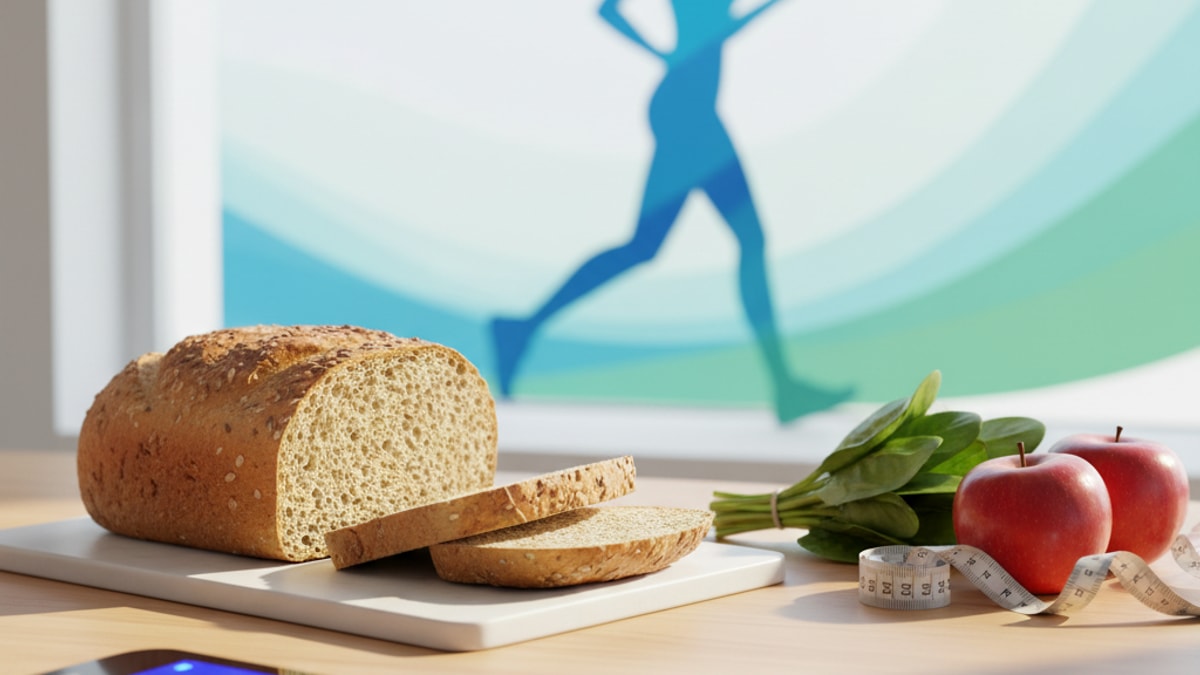
Bread. For so many people on a weight loss journey, it’s the ultimate dietary puzzle. It's a source of comfort, a staple of convenience, and often, the first thing to get axed from a new diet plan. The question of whether it helps or hinders progress is one our team at TrimrX hears constantly. Specifically, the conversation always lands on one particular variety: is wholemeal bread good for weight loss? It’s a fantastic question because it cuts right to the heart of a much bigger topic: the quality of our calories, not just the quantity.
Here at TrimrX, we don't believe in simple, black-and-white answers, because human biology isn't simple. Our entire approach to medically-supervised weight loss, using advanced treatments like Semaglutide and Tirzepatide, is built on understanding the nuanced biochemistry of metabolism, hormones, and appetite. So when we look at a food like wholemeal bread, we see more than just carbs and calories. We see fiber, micronutrients, and a profound effect on blood sugar and satiety. The answer isn't a straightforward yes or no. It's a 'yes, but…' and that 'but' is where the real strategy for sustainable weight loss lies.
The White Bread vs. Wholemeal Showdown: What's Actually Different?
To really get to the bottom of this, we first need to understand what we’re even talking about. The difference between a slice of fluffy white bread and a hearty slice of wholemeal isn't just the color. It's a fundamental difference in processing that has dramatic implications for your body and your weight loss goals.
A whole grain of wheat is made up of three parts: the bran (the fiber-rich outer layer), the germ (the nutrient-packed embryo), and the endosperm (the starchy middle part). True wholemeal flour is made by grinding the entire kernel, so you get all three parts and all their nutritional goodness. It's comprehensive.
White bread, on the other hand, undergoes a refining process where the bran and germ are stripped away, leaving only the starchy endosperm. Why do this? It creates a finer, lighter texture and gives the flour a longer shelf life. But the nutritional cost is catastrophic. By removing the bran and germ, you lose the vast majority of the fiber, B vitamins, iron, magnesium, and healthy fats. What's left is essentially a rapidly digestible starch.
Our team has found that this distinction is the absolute cornerstone of understanding bread's role in your diet. You're not just choosing a different flavor; you're choosing a completely different metabolic response. One spikes your blood sugar and leaves you hungry soon after, while the other provides a slow, steady release of energy that keeps you feeling full and satisfied. That's the key.
Fiber: The Unsung Hero of Satiety and Gut Health
Let’s talk about fiber. Honestly, if wholemeal bread has one superpower in the context of weight loss, this is it. The bran in whole grains is packed with insoluble and soluble fiber, and this dynamic duo is a game-changer for appetite control.
When you eat fiber-rich wholemeal bread, that fiber gets to work in your digestive system. It absorbs water and swells, physically taking up more space in your stomach. This sends signals to your brain that you're full. Simple, right? But it's incredibly powerful. This process, which we call satiety, is what helps you feel satisfied with a smaller portion and resist the urge to snack between meals.
But wait, there's more to understand. Fiber also slows down the entire digestive process. It takes your body longer to break down the complex carbohydrates in wholemeal bread, which means the glucose (sugar) from those carbs enters your bloodstream much more gradually. We'll get into why that's so critical in a moment. This slow-burn effect prevents the energy crashes that often follow a meal high in refined carbs, crashes that inevitably lead to cravings for more sugary, high-calorie foods.
Furthermore, this fiber acts as a prebiotic. Think of it as fertilizer for the good bacteria living in your gut. A healthy, diverse gut microbiome is increasingly being linked by robust scientific research to better weight management, reduced inflammation, and improved metabolic health. Our experience shows that clients who focus on nurturing their gut health alongside their primary treatment often see more consistent and sustainable results. It’s a critical, non-negotiable element of holistic health.
The Blood Sugar Rollercoaster: Why Wholemeal is a Gentler Ride
Now, this is where it gets interesting, especially from our perspective in medically-assisted weight loss. Managing blood sugar and the hormone insulin is arguably one of the most important factors for losing fat and keeping it off.
Imagine eating a slice of white bread. Because it's been stripped of its fiber, your body digests it almost instantly. This causes a rapid, massive surge of glucose into your bloodstream. Your pancreas responds by pumping out a large amount of insulin to shuttle that glucose out of your blood and into your cells. This is the 'sugar rush' followed by the inevitable 'crash' as your blood sugar plummets. When it crashes, your body sends out powerful hunger signals, often for more fast-acting carbs. It’s a relentless cycle of spikes, crashes, and cravings.
Wholemeal bread changes the entire equation.
Thanks to its high fiber content, the glucose is released slowly and steadily. There's no dramatic spike, so your pancreas releases a much more moderate, controlled amount of insulin. Your energy levels remain stable, your hunger is kept at bay, and you avoid the hormonal chaos that drives fat storage. This is measured by something called the Glycemic Index (GI), which ranks foods on how quickly they raise blood sugar. White bread sits high on the index, while 100% wholemeal bread is significantly lower.
This is profoundly important for anyone on a weight loss journey, but it's especially relevant for individuals using GLP-1 medications like the ones we prescribe at TrimrX. These treatments work by, among other things, helping to regulate blood sugar and insulin secretion. When you pair this powerful medical support with smart dietary choices—like opting for low-GI wholemeal bread over high-GI white bread—you're creating a synergistic effect. You’re working with the medication, amplifying its benefits and making your weight loss journey smoother and more effective. It's about creating an internal environment that is primed for fat loss, not fighting against it.
Not All "Brown Bread" is Created Equal
Here’s a crucial piece of advice our nutrition experts share with every client: you have to become a savvy label reader. The food industry is rife with clever marketing, and the bread aisle is a prime example. Many loaves that look healthy and brown are anything but.
Be wary of terms like "wheat flour," "multigrain," or bread that simply looks brown. Often, these are made primarily with refined white flour, with a bit of whole wheat flour thrown in for texture and some caramel coloring added to give it that healthy-looking brown hue. It's a marketing trick, plain and simple.
What should you look for? The ingredients list is your source of truth. The very first ingredient should be "100% whole wheat flour" or "100% wholemeal flour." If the first ingredient is just "wheat flour" or "enriched wheat flour," put it back. That's just a code word for white flour. The term "multigrain" simply means it contains multiple types of grain, but they could all be refined. A bread can be multigrain and still be nutritionally equivalent to white bread.
Also, scan the rest of the list for added sugars, like high-fructose corn syrup, honey, or molasses. A little bit might be used for fermentation, but many commercial brands pack their loaves with sugar to make them more palatable, which can negate some of the blood sugar benefits. We can't stress this enough: becoming a food detective is a skill that will serve you for life.
| Feature | 100% Wholemeal Bread | Refined White Bread |
|---|---|---|
| Key Ingredient | Ground from the entire wheat kernel (bran, germ, endosperm) | Ground only from the starchy endosperm; bran and germ removed |
| Fiber Content | High (typically 2-4 grams per slice) | Very Low (often less than 1 gram per slice) |
| Glycemic Index (GI) | Low to Medium (causes a slow, steady rise in blood sugar) | High (causes a rapid spike and subsequent crash in blood sugar) |
| Nutrient Profile | Rich in B vitamins, iron, magnesium, zinc, and antioxidants | Stripped of most natural nutrients; some are added back synthetically ("enriched") |
| Satiety Effect | High; promotes feeling full and satisfied for longer periods | Low; can lead to increased hunger and cravings shortly after eating |
The Calorie Conundrum: A Slice is Still a Slice
Let's be perfectly clear on one point: wholemeal bread is not a low-calorie food. A typical slice of wholemeal bread has roughly the same number of calories as a slice of white bread, usually somewhere between 70 and 100 calories.
This is where many people get tripped up. They make the switch to wholemeal, feel virtuous, but then don't see the results they expect on the scale. Why? Because portion control remains paramount.
The benefit of wholemeal bread isn't that it magically contains fewer calories. The benefit is that its nutritional profile makes it far easier to consume fewer calories overall. The high fiber and protein content keep you full, so you're less likely to reach for a second sandwich or a bag of chips an hour later. The stable blood sugar prevents the cravings that drive you toward high-calorie treats. It's a tool for better appetite regulation, not a free pass to eat as much bread as you want.
We've seen it time and again in our programs: mindful portioning is a non-negotiable skill for long-term success. Whether it's bread, nuts, or olive oil, even the healthiest foods have calories. Learning to enjoy a single, satisfying slice of wholemeal toast with avocado is a more powerful weight loss strategy than eating two or three slices, no matter how healthy the bread is.
How Wholemeal Bread Complements a Modern Weight Loss Plan
So, how does this all fit together in a real-world, effective weight loss strategy? At TrimrX, our philosophy is rooted in sustainability. We know that extreme diets that ban entire food groups are not only miserable to follow but almost always lead to failure and rebound weight gain. The goal is to build a new, healthier relationship with food, not to create a list of forbidden temptations.
This is where wholemeal bread can be a formidable ally. Including one or two carefully portioned servings of high-quality, 100% wholemeal bread in your daily plan can prevent feelings of deprivation. It allows you to enjoy a sandwich, a piece of toast, or a side with your soup, making your diet feel less like a diet and more like a normal, enjoyable way of eating.
This becomes even more powerful within a medically-supervised program. When you're using a GLP-1 medication, your appetite is naturally recalibrated. You feel full much faster and with less food. In this context, every bite counts. You want the food you do eat to be as nutrient-dense and satisfying as possible. A slice of wholemeal bread, topped with lean protein like chicken breast or a healthy fat like a poached egg, becomes a perfect meal. It delivers sustained energy, fiber, and micronutrients in a small, appetite-satisfying package. It's about making your reduced caloric intake work harder for you.
This strategic, science-backed approach is what sets a medical program apart from standard dieting. It’s not just about eating less; it’s about changing the very signals your body sends and receives about hunger and fullness. When you're ready to move beyond the frustrating cycle of restriction and see how a medically-guided approach can fundamentally change your relationship with food, you can Start Your Treatment with our team.
Beyond the Sandwich: Creative Ways to Eat Wholemeal Bread
Thinking that wholemeal bread is only for sandwiches is a failure of imagination! To keep things interesting and ensure you're getting the most out of it, you need to think outside the lunchbox.
Here are a few ideas our team often recommends:
- Power Toast: Start your day with one slice of 100% wholemeal toast topped with mashed avocado, a sprinkle of chili flakes, and a poached or fried egg. This combination of complex carbs, healthy fats, and high-quality protein will keep you full for hours.
- Homemade Croutons: Don't buy the oily, preservative-laden croutons from the store. Cube a slice of stale wholemeal bread, toss with a tiny bit of olive oil and herbs, and bake until crispy. They add a fantastic crunch to salads and soups.
- Healthy Breadcrumbs: Whiz a slice of dry wholemeal bread in a food processor to make your own breadcrumbs. Use them to create a crispy coating for baked chicken or fish, adding fiber and texture without the deep-frying.
- Open-Faced Melts: Instead of a full grilled cheese, try an open-faced version on one slice of wholemeal. Top with a slice of turkey, a little low-fat cheese, and some tomato, then pop it under the broiler. You get all the flavor for half the carbs and calories.
What About Sourdough, Rye, and Sprouted Grains?
While 100% wholemeal is an excellent choice, it’s not the only player in the healthy bread game. Expanding your horizons can add variety and even more nutritional benefits. Let's be honest, this is crucial for long-term adherence.
- Sourdough: True sourdough bread is made through a fermentation process using wild yeast and lactobacilli. This process can actually pre-digest some of the starches, lowering the bread's glycemic index even further. Some people also find it easier to digest than standard bread.
- Rye Bread: Especially dark, dense rye breads (like pumpernickel), are often incredibly high in fiber, sometimes even more so than wholemeal bread. It has a distinct, robust flavor and is exceptionally good at promoting satiety.
- Sprouted Grain Bread: These breads are made from whole grains that have been allowed to germinate, or sprout, before being milled. The sprouting process can unlock more nutrients, making vitamins and minerals more bioavailable. They are often less processed and contain a fantastic mix of grains and legumes.
The key takeaway is that you have options. The principle remains the same: look for breads that are made from whole, unprocessed ingredients, are high in fiber, and are free from added sugars and unnecessary additives.
So, back to the original question. Is wholemeal bread good for weight loss? Our definitive answer is yes—when it's the right kind of bread, eaten in the right quantity, as part of a balanced and intelligent overall eating plan. It’s not a magic bullet, but it is an incredibly useful tool. It helps manage hunger, stabilize blood sugar, and provides essential nutrients, all while allowing you to enjoy a food that is deeply ingrained in our culture. Choosing wholemeal over white isn't just a simple swap; it's a strategic decision that supports your body's metabolic health and makes your weight loss journey a more sustainable, and frankly, more enjoyable experience.
Frequently Asked Questions
Can I eat wholemeal bread every day and still lose weight?
▼
Yes, absolutely. As long as you stick to proper portion sizes (typically 1-2 slices per day) and it fits within your overall daily calorie and macronutrient goals, wholemeal bread can certainly be part of a successful weight loss plan.
Is wholemeal toast for breakfast a good weight loss meal?
▼
It can be, provided you pair it with protein and healthy fats. A slice of wholemeal toast with eggs or avocado provides a balanced mix of fiber, protein, and fat to keep you full, which is far better than toast with just jam or butter.
What’s the difference between ‘wholemeal’ and ‘whole wheat’?
▼
Functionally, for the consumer, there is very little difference. Both terms indicate that the flour was made using the entire wheat kernel. ‘Wholemeal’ is a more common term in the UK, while ‘whole wheat’ is more common in North America, but both are excellent choices.
How many slices of wholemeal bread should I eat per day for weight loss?
▼
There’s no single magic number, as it depends on your individual calorie needs and activity level. However, a good general guideline for most people actively trying to lose weight is to stick to one or two slices per day.
Does toasting wholemeal bread change its nutritional value for weight loss?
▼
Toasting can slightly lower the glycemic index of bread, which is a minor benefit. However, it doesn’t significantly change the calorie, fiber, or nutrient content. The most important factor remains the bread itself, not whether it’s toasted.
Is gluten-free bread better than wholemeal for weight loss?
▼
Not necessarily. Gluten-free bread is essential for those with celiac disease or gluten sensitivity, but it’s often made with refined starches like rice or potato flour, making it lower in fiber and higher on the glycemic index than 100% wholemeal bread.
Why do I feel bloated after eating wholemeal bread?
▼
This can happen if your body isn’t used to a sudden increase in fiber. We recommend increasing your fiber intake gradually and making sure you’re drinking plenty of water to help the fiber move through your digestive system smoothly.
Is homemade wholemeal bread healthier than store-bought?
▼
It certainly can be. When you make it at home, you have complete control over the ingredients, ensuring you’re using 100% wholemeal flour and avoiding the added sugars, preservatives, and excess sodium found in many commercial brands.
Can wholemeal bread help with belly fat?
▼
No single food can target belly fat. However, a diet rich in high-fiber, whole-grain foods like wholemeal bread helps regulate blood sugar and insulin, which are key hormonal factors in reducing visceral (belly) fat as part of an overall weight loss plan.
Does the type of spread I put on my bread matter for weight loss?
▼
Absolutely. Toppings can make or break the health benefits. Opt for nutrient-dense toppings like avocado, nut butter, hummus, or lean protein instead of high-sugar jams or large amounts of butter, which add significant calories with little nutritional benefit.
How does wholemeal bread fit into a low-carb diet?
▼
On a very strict low-carb or ketogenic diet, even wholemeal bread is typically excluded due to its carb count. However, on a more moderate or flexible low-carb plan, a single slice of high-fiber wholemeal bread can sometimes be incorporated strategically.
Are wholemeal wraps or pittas a better option than sliced bread?
▼
It depends entirely on the specific product’s ingredients and size. Some wraps are very large and can contain as many calories and carbs as three slices of bread. Always compare nutrition labels to make an informed choice based on fiber content and portion size.
What should I look for on the ingredients list of a ‘healthy’ bread?
▼
The first ingredient must be ‘100% whole wheat flour’ or ‘100% wholemeal flour.’ Look for a short ingredients list, at least 2-3 grams of fiber per slice, and minimal to no added sugar (like high-fructose corn syrup).

Transforming Lives, One Step at a Time
Keep reading

Do You Need a Prescription for GLP-1s? The 2026 Answer
Wondering ‘do you need a prescription for glp 1’ in 2026? Yes. We explain why a doctor’s oversight is critical for safe, effective results.

How to Get GLP-1 Covered By Insurance: Our 2026 Playbook
Struggling with how to get glp-1 covered by insurance? Our 2026 guide breaks down prior authorizations, appeals, and documentation.

Traveling with GLP-1s in 2026: Your Essential Trip-Proof Plan
Don’t let travel disrupt your GLP-1 treatment. Learn how to travel with glp 1 medications safely and stress-free in our 2026 expert guide.


