Is Zepbound 7.5 a Maintenance Dose? Understanding Dosing Guidelines for Effective Weight Management
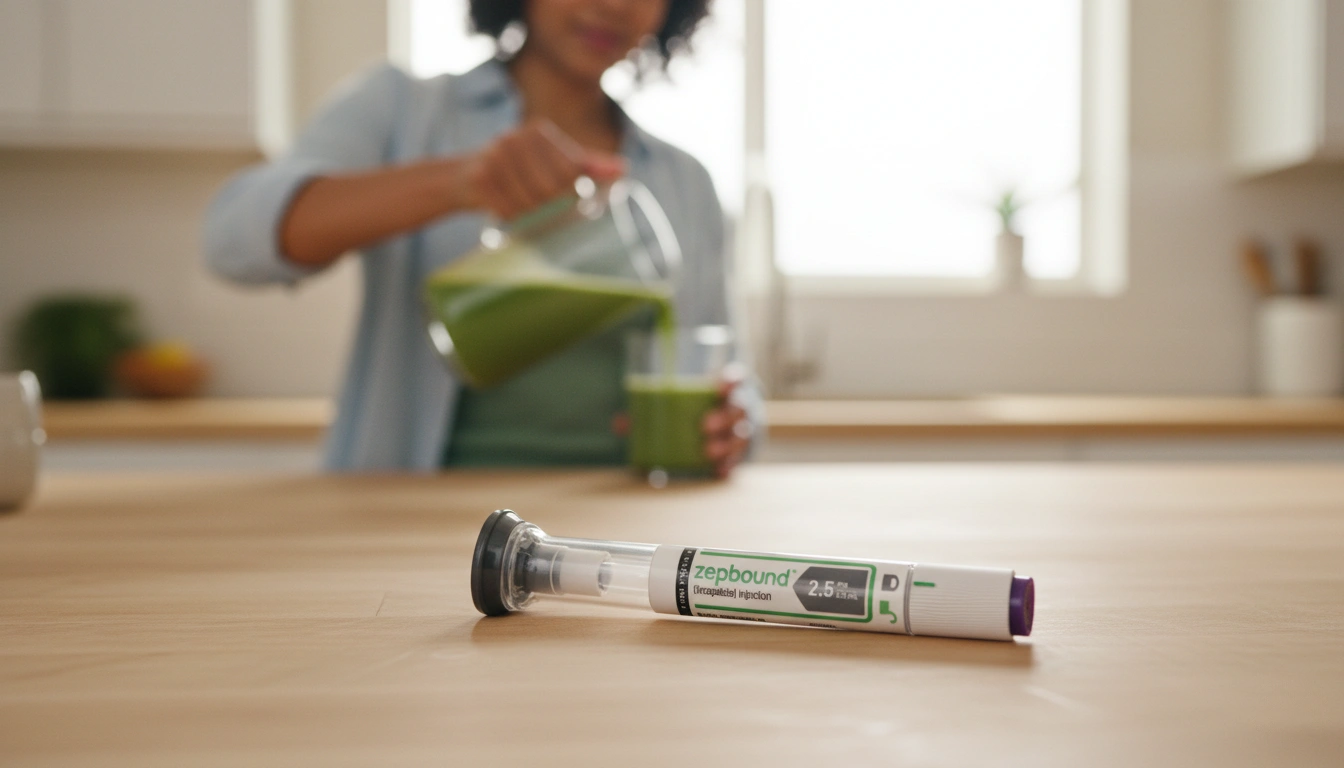
In the realm of weight management, the conversation surrounding effective medications often leads us to Zepbound, a notable contender in the landscape of injectable treatments. While many are curious about its capabilities, one question frequently arises: Is Zepbound 7.5 a maintenance dose? Understanding the intricacies of dosing can significantly impact treatment success and patient experience.
At TrimRx, we are on a mission to provide personalized weight loss solutions that are safe, effective, and grounded in science. Our journey began with a vision to help individuals embrace healthier lifestyles through clinically proven treatments. We merge advanced telehealth innovations with compassionate care, ensuring that our clients receive tailored support as they navigate their weight loss journeys.
In this blog post, we will explore the nuances of Zepbound dosing, focusing on whether the 7.5 mg dosage qualifies as a maintenance dose. Together, we'll delve into the dosing framework established for Zepbound, the factors influencing dosage decisions, and how our personalized programs at TrimRx complement the use of such medications.
Introduction
Weight management is not just a personal goal; it reflects broader public health challenges, with obesity rates continuing to rise globally. According to the Centers for Disease Control and Prevention (CDC), more than 42% of adults in the United States are classified as obese, a statistic that underscores the importance of effective treatments like Zepbound.
Zepbound, which contains the active ingredient tirzepatide, is designed to assist individuals in managing their weight by suppressing appetite and slowing gastric emptying. As with any medication, understanding the appropriate dosing is crucial for maximizing benefits while minimizing potential side effects.
In this post, we will answer the burning question: Is Zepbound 7.5 a maintenance dose? We will also provide insights into the medication's dosing schedule, potential side effects, and how TrimRx can support you on your weight loss journey through personalized programs.
By the end of this article, you will gain a comprehensive understanding of Zepbound's dosing guidelines and how they relate to effective weight management.
Understanding Zepbound and Its Dosing
Zepbound is administered as a subcutaneous injection and is available in various dosages, including 2.5 mg, 5 mg, 7.5 mg, 10 mg, 12.5 mg, and 15 mg. The dosing protocol for Zepbound involves a stepwise approach that begins with a lower starting dose and gradually increases based on individual response and tolerability.
The Dosing Framework
- Initial Dose: The treatment typically starts with 2.5 mg once weekly. This initial dosage helps the body adjust to the medication while minimizing gastrointestinal side effects, which can include nausea and vomiting.
- Titration Phase: After four weeks on the initial dose, the dosage can be increased to 5 mg weekly. The purpose of this gradual increase is to allow the body to adapt and mitigate any adverse reactions.
- Further Increments: If well tolerated, the dosage may continue to increase in 2.5 mg increments every four weeks, with potential adjustments to 7.5 mg, 10 mg, and upwards to a maximum of 15 mg, depending on the patient's needs and response.
Maintenance Dosing Guidelines
When it comes to maintenance dosing, the recommended dosages for Zepbound are 5 mg, 10 mg, and 15 mg. Notably, the 7.5 mg dosage is not included in the formal maintenance dosing recommendations. This is primarily due to the fact that clinical studies did not evaluate the efficacy and safety of the 7.5 mg dosage as a maintenance option.
Key Takeaway
To clarify, Zepbound 7.5 mg is not considered a maintenance dose based on the existing clinical guidelines. Instead, maintenance dosing typically involves 5 mg, 10 mg, or 15 mg, which have been studied and validated in trials. Understanding this distinction is critical in ensuring that patients receive the most effective treatment while minimizing the risk of side effects.
Factors Influencing Dosing Decisions
While the standard dosing framework provides a guideline, several factors may influence individual dosing decisions:
1. Patient Tolerance and Response
Every individual responds differently to medications. Factors such as age, body composition, and pre-existing health conditions can play a crucial role in how well a patient tolerates a specific dosage. Healthcare providers often assess these factors when determining the appropriate dose for each patient.
2. Weight Loss Goals
Patients may have varying weight loss objectives based on their health conditions, lifestyle, and personal goals. A healthcare provider may adjust Zepbound dosage according to a patient's progress toward their weight loss goals while ensuring safety and efficacy.
3. Side Effects Management
Gastrointestinal side effects, including nausea and diarrhea, are commonly associated with Zepbound. In cases where patients experience significant discomfort, healthcare providers may choose to lower the dosage or adjust the titration schedule to enhance tolerance.
4. Combination with Lifestyle Changes
Zepbound is most effective when used in conjunction with a reduced-calorie diet and increased physical activity. At TrimRx, we emphasize the importance of a comprehensive approach to weight management, integrating medication with personalized diet and exercise plans.
The Role of TrimRx in Your Weight Loss Journey
At TrimRx, we believe in a holistic approach to weight loss. Our personalized weight loss programs are designed to guide individuals through their unique journeys, offering medical supervision, nutritional guidance, and ongoing support.
Our Personalized Weight Loss Program
Our program includes:
- Personalized Assessment: We start by inviting individuals to complete a free assessment quiz to determine eligibility for prescription weight loss medications, including Zepbound. This step ensures that we tailor our approach to meet each patient's specific needs.
- Medically Supervised Care: Our team of healthcare providers oversees the treatment process, offering guidance on medication usage, potential side effects, and necessary adjustments based on individual responses.
- Comprehensive Support: We provide continuous support, including counseling on dietary habits and exercise regimens to complement medication use. Our aim is to empower individuals to make sustainable lifestyle changes.
- No Hidden Fees: Our transparent service model ensures no hidden fees, allowing patients to focus solely on their weight loss goals without worrying about unexpected costs.
Quick-Access Supplements
In addition to prescription medications, we offer quick-access supplements such as GLP-1 Daily Support and Weight Loss Boost. These products are designed to support overall wellness during your weight loss journey and can be purchased without completing the assessment quiz.
- GLP-1 Daily Support: Discover GLP-1 Daily Support to enhance your weight loss efforts.
- Weight Loss Boost: Explore Weight Loss Boost for additional support during your journey.
Conclusion
The question of whether Zepbound 7.5 mg is a maintenance dose highlights the importance of understanding medication guidelines and their implications for effective weight management. While Zepbound offers promising benefits for individuals seeking to manage their weight, it is crucial to adhere to the recommended dosing protocols established through clinical research.
At TrimRx, we are committed to empowering individuals in their weight loss journeys by providing personalized, medically supervised care. By integrating advanced treatment options like Zepbound with tailored lifestyle changes, we aim to make sustainable weight loss attainable for everyone.
If you're interested in exploring how our personalized weight loss programs can support your journey, we encourage you to take our free assessment quiz. Together, we'll take the first step toward achieving your health goals.
FAQs
Is Zepbound 7.5 considered the ideal maintenance dose for weight management?
Yes, for many patients, Zepbound 7.5 serves as a stable maintenance dose after dose escalation. TrimRx personalizes Zepbound and tirzepatide dosing to ensure the 7.5 mg level supports long-term weight management success.
How does the Zepbound 7.5 maintenance dose compare to higher tirzepatide doses?
The 7.5 mg Zepbound dose balances effectiveness and tolerability better than higher levels for some users. TrimRx helps patients determine whether maintaining 7.5 mg of tirzepatide is the most effective approach.
Can everyone stay on the Zepbound 7.5 maintenance dose indefinitely?
Not always—some may require gradual adjustment. TrimRx monitors results to decide if 7.5 mg of tirzepatide continues to meet maintenance needs or if dosage recalibration is necessary.
How long does it take to reach the 7.5 mg Zepbound maintenance dose?
Most reach the Zepbound 7.5 level within 8–12 weeks. TrimRx develops safe tirzepatide titration schedules so patients transition smoothly while minimizing side effects.
What happens if weight loss slows on Zepbound 7.5?
Plateaus are common once maintenance begins. TrimRx evaluates tirzepatide response and adjusts Zepbound dosing strategies or lifestyle guidance to reignite progress.
Is the Zepbound 7.5 mg dose effective for maintaining fat loss long-term?
Yes, many patients sustain results using Zepbound 7.5 mg consistently. TrimRx tracks ongoing tirzepatide outcomes to ensure the maintenance phase remains successful.
How can I tell if Zepbound 7.5 is too strong for me?
Symptoms like nausea or fatigue may indicate overdosage. TrimRx provides individualized tirzepatide monitoring to find your optimal Zepbound maintenance range.
Can Zepbound 7.5 be used for both diabetes control and weight management?
Yes, it benefits metabolic regulation and fat reduction. TrimRx combines Zepbound and tirzepatide therapy to target both goals effectively.
Does the Zepbound 7.5 maintenance dose work the same for everyone?
Results vary by metabolism and adherence. TrimRx ensures dosing precision so the 7.5 mg tirzepatide plan aligns with each patient’s unique physiology.
How do I know when to move to or stay on the Zepbound 7.5 mg maintenance dose?
Work with a provider who evaluates your weight stability, side effects, and goals. TrimRx offers professional oversight to confirm that Zepbound 7.5 mg is your ideal long-term tirzepatide maintenance level.
Can skipping a Zepbound 7.5 injection affect maintenance results?
Yes, missing doses can interrupt hormonal consistency, delaying weight stabilization.
Is 7.5 mg of Zepbound enough to maintain muscle mass during fat loss?
With balanced protein intake, it helps preserve lean tissue while reducing fat.
Should I lower my Zepbound dose once I’ve reached goal weight?
Only under supervision—some require continued 7.5 mg dosing for weight retention control.
How does diet influence success with the Zepbound 7.5 maintenance dose?
Following a protein-rich, low-processed-food diet maximizes tirzepatide efficiency during maintenance.
Can exercise help maintain results while on Zepbound 7.5 mg?
Yes, regular strength and cardio training enhance metabolic health alongside tirzepatide maintenance.

Transforming Lives, One Step at a Time
Keep reading
Navigating Your Path: How Many Doses Are In Zepbound and What It Means for Your Health Journey
Curious how many doses are in Zepbound? Discover its weekly dosing schedule, available strengths, and titration process for effective weight loss. Learn more!

Navigating Your Zepbound Journey: Understanding Dosing and Expert Guidance
Wondering how to split doses of Zepbound? Learn why it’s unsafe & not recommended. Get expert guidance on Zepbound dosing for safe, effective weight loss with TrimRx. Click to learn more!
Understanding Zepbound Dosing: What is the Lowest Dose Available for Your Weight Loss Journey?
Curious what is the lowest dose of Zepbound available? Learn about Zepbound’s 2.5mg starting dose, titration, and safe use for weight loss. Get expert guidance!


