Is Zepbound the Same as Mounjaro? A Clear Explanation
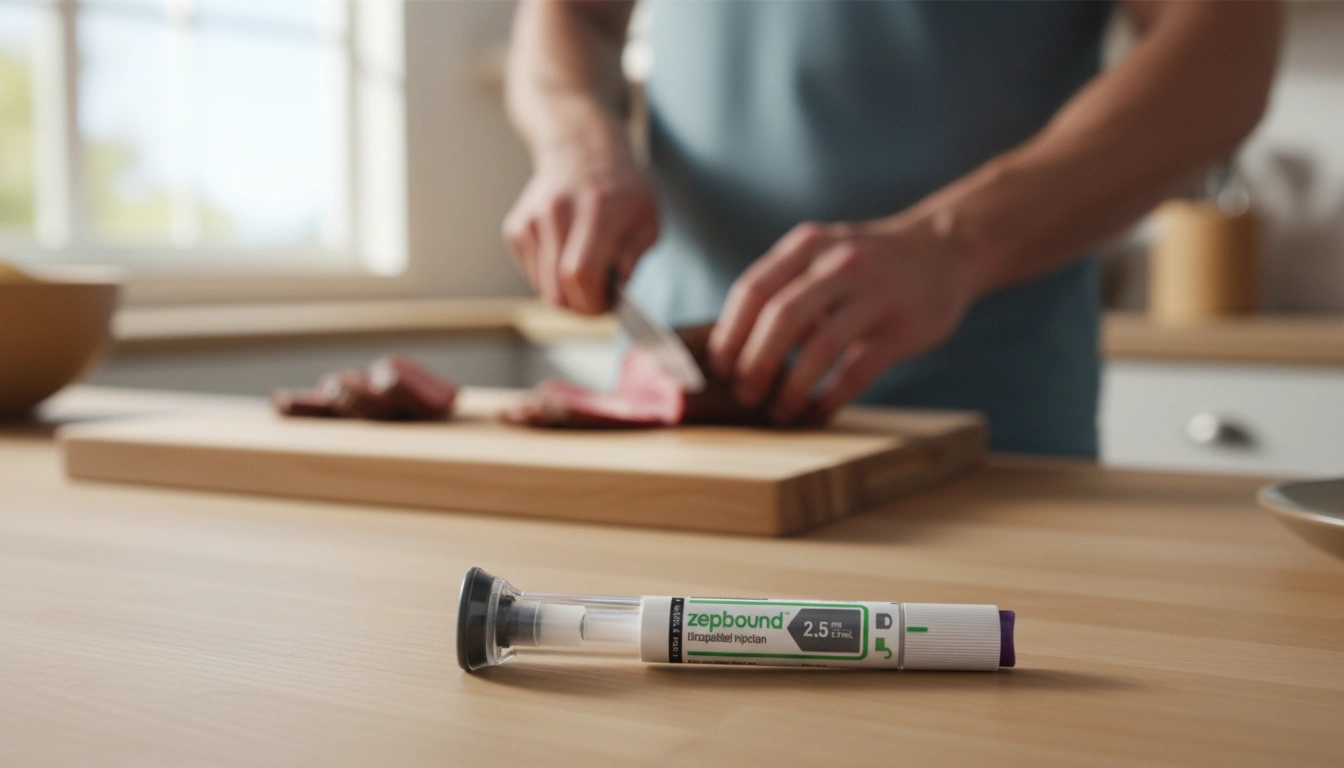
If you have seen both “Mounjaro” and “Zepbound” come up in conversations about tirzepatide treatment and found yourself wondering which one to ask your provider about, the short answer is this: they are the same drug. Tirzepatide is the active ingredient in both, they are made by the same manufacturer, and the two brand names exist because they received separate FDA approvals for different medical purposes. Understanding exactly what is the same and what is different between them is what helps you figure out which one is relevant to your situation.
Same Drug, Two Brand Names
Both Mounjaro and Zepbound are products of Eli Lilly. Both contain tirzepatide, a synthetic peptide that acts on two hormone receptors simultaneously: the GLP-1 (glucagon-like peptide-1) receptor and the GIP (glucose-dependent insulinotropic polypeptide) receptor. That dual mechanism is what makes tirzepatide distinct from semaglutide-based medications like Ozempic and Wegovy, which act on the GLP-1 receptor alone.
The two brand names exist because the FDA grants separate approvals for separate medical indications. Mounjaro was approved in May 2022 for the treatment of type 2 diabetes. Zepbound was approved in November 2023 for chronic weight management in adults with obesity or overweight plus at least one weight-related condition such as high blood pressure, type 2 diabetes, or sleep apnea. Same molecule, different regulatory pathways, different labeled uses.
This is not unique to tirzepatide. Ozempic (semaglutide for type 2 diabetes) and Wegovy (semaglutide for weight management) follow exactly the same pattern. The same active ingredient, the same manufacturer, two brand names for two FDA-approved indications.
What Is Actually the Same
| Mounjaro | Zepbound | |
|---|---|---|
| Active ingredient | Tirzepatide | Tirzepatide |
| Manufacturer | Eli Lilly | Eli Lilly |
| FDA-approved for | Type 2 diabetes | Chronic weight management |
| Available doses | 2.5mg to 15mg | 2.5mg to 15mg |
| Injection schedule | Once weekly | Once weekly |
| Mechanism | Dual GIP and GLP-1 agonist | Dual GIP and GLP-1 agonist |
| Side effect profile | Comparable | Comparable |
The injection method, dose escalation schedule, storage requirements, and side effect profile are effectively identical. A patient switching from one brand to the other is not changing medications in any pharmacological sense. For a detailed look at what those results typically look like regardless of which brand you are taking, our overview of tirzepatide weight loss results covers the clinical data in full.
The SURMOUNT-1 trial, published in the New England Journal of Medicine in 2022, established the efficacy and safety profile for tirzepatide in weight management, directly supporting Zepbound’s FDA approval. That data applies equally to the drug whether it is dispensed under the Zepbound or Mounjaro label.
What Is Actually Different
The FDA Indication on the Label
This is the formal difference. Mounjaro’s label specifies type 2 diabetes as its indication. Zepbound’s label specifies chronic weight management. That distinction affects what diagnosis code a provider can use when prescribing and, critically, what insurance will pay for.
Insurance Coverage
This is where the brand distinction has the most practical significance for patients. Insurance companies and pharmacy benefit managers process claims based on the indication on the prescription, not the active ingredient. A patient with a type 2 diabetes diagnosis may find Mounjaro covered under their plan’s diabetes benefits. A patient seeking weight management without a type 2 diabetes diagnosis may find Zepbound covered under a different tier of benefits, if at all.
The coverage situation varies significantly by plan, employer, and insurer. Some plans cover Zepbound for weight management with prior authorization. Others exclude it entirely. Some patients with type 2 diabetes find Mounjaro covered at a lower out-of-pocket cost than Zepbound would be even if both were technically available. Navigating that landscape requires a conversation with your provider and often a call to your insurer. Our article on how to get tirzepatide at a lower cost covers the options when coverage is limited or denied.
Manufacturer Savings Programs
Eli Lilly has run separate savings programs for each brand. The Mounjaro savings card has helped eligible commercially insured patients reduce out-of-pocket costs significantly. Our article on the Mounjaro savings card and Eli Lilly programs covers how those programs work and who qualifies. Zepbound has run parallel programs under its own branding. The specifics of these programs change frequently, so checking current availability directly with the manufacturer or your pharmacy is the most reliable approach.
The Third Option: Compounded Tirzepatide
Alongside Mounjaro and Zepbound sits a third category worth understanding: compounded tirzepatide. Compounding pharmacies can prepare tirzepatide-based medications that are neither Mounjaro nor Zepbound but use the same active ingredient. Compounded formulations are typically lower in cost than either brand, which makes them accessible for patients who cannot get insurance coverage or afford the list price of the branded options.
Compounded medications are not FDA-approved products, though they can be legally prepared by licensed compounding pharmacies using FDA-registered facilities. The quality, testing, and consistency of compounded tirzepatide depend on the pharmacy’s practices, which is why provider oversight and pharmacy vetting matter. Our article on compounded tirzepatide versus brand name Mounjaro covers the practical differences between the options in detail.
TrimRx offers compounded tirzepatide as part of its treatment portfolio for patients who are candidates for the medication but need a more affordable access point.
If You Are Switching Between the Two
Consider this scenario: a patient was prescribed Mounjaro for type 2 diabetes, has since achieved significant weight loss, and is transitioning to a plan focused on weight management. Their insurer now covers Zepbound under a different benefit. The switch from Mounjaro to Zepbound in this situation is largely administrative: same drug, same dose, different prescription label and pharmacy processing. There is typically no need to restart dose escalation or adjust to a “new” medication.
Our article on switching from Mounjaro to Zepbound covers what that transition looks like in practice and what, if anything, actually changes when you make the switch.
How to Think About Which One You Need
The question is not which brand is better. They are pharmacologically identical. The question is which one you can access most affordably given your insurance situation, your diagnosis, and your provider’s prescribing approach.
If you have type 2 diabetes, your provider may prescribe Mounjaro because it has the diabetes indication and your plan may cover it for that reason. If your primary goal is weight management without a diabetes diagnosis, your provider will likely prescribe Zepbound. If neither is covered or affordable, compounded tirzepatide may be the most realistic path.
If you are new to tirzepatide and want to understand what starting treatment looks like regardless of which form you take, our guide on the starting dose of tirzepatide covers the dose escalation process and what to expect early in treatment.
The Bottom Line
Zepbound and Mounjaro are the same drug under different brand names. Tirzepatide is the active ingredient in both. They work identically, produce the same results, carry the same side effect profile, and come from the same manufacturer. The distinction that matters for most patients is not pharmacological but practical: which one your insurance covers, which one your provider prescribes, and which one fits your budget. Understanding that distinction is the entire point of knowing they are the same thing.
If you want help figuring out which form of tirzepatide is the right access point for your situation, take TrimRx’s assessment to connect with a provider who can evaluate your eligibility and walk you through your options.
This information is for educational purposes and is not medical advice. Consult with a healthcare provider before starting any medication. Individual results may vary.

Transforming Lives, One Step at a Time
Keep reading

Kids’ Birthday Party on Zepbound
If you have young children, birthday parties are a regular part of life: your own child’s, and the steady stream of classmates’ parties most…

Water Aerobics on Zepbound
For people with painful knees, hips, or backs, water aerobics and pool exercise are often the first kind of exercise that feels possible. The…

New Year’s Eve on Zepbound
New Year’s Eve is built around staying up late. There is usually a big dinner or a party spread, drinks through the evening, champagne…


