L-Glutathione Colorado — Clinical-Grade Antioxidant Therapy
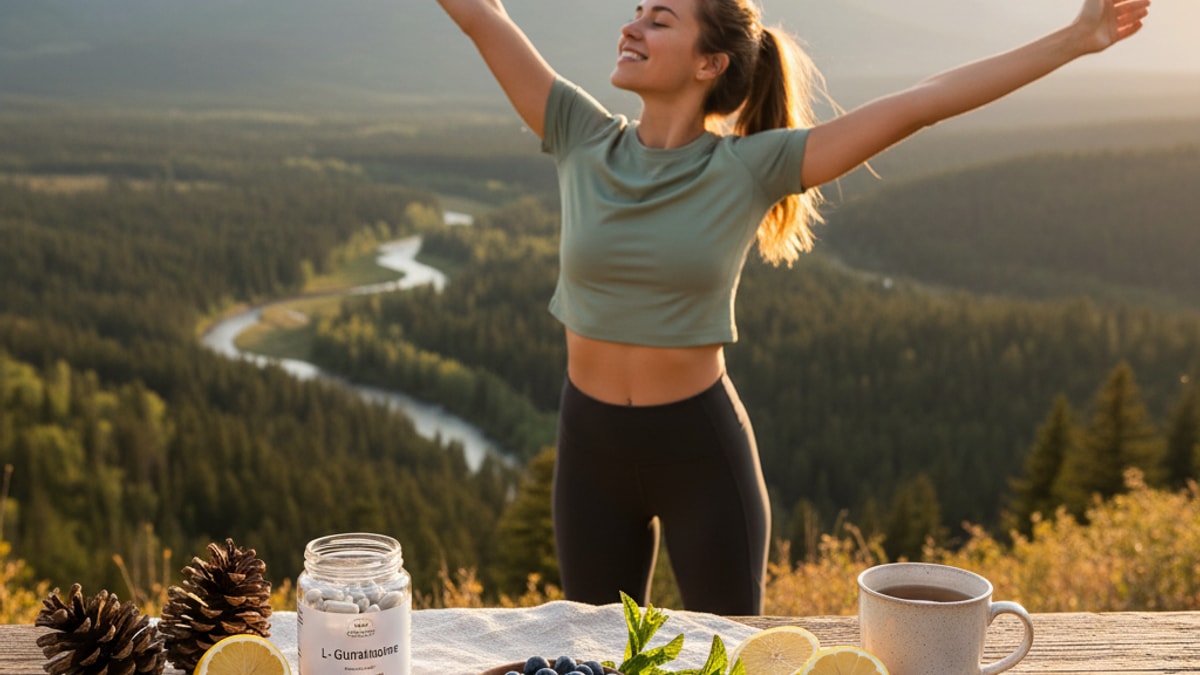
L-Glutathione Colorado — Clinical-Grade Antioxidant Therapy
Colorado's altitude and environmental conditions create a unique oxidative stress profile. At elevations above 5,000 feet, atmospheric oxygen pressure drops by approximately 17%, forcing the body to compensate through increased red blood cell production. A metabolic shift that generates significantly higher reactive oxygen species (ROS) than sea-level metabolism. L-glutathione Colorado clinics have emerged as medical response to this physiological reality, offering IV glutathione therapy, liposomal oral preparations, and pharmaceutical-grade reduced glutathione (GSH) under clinical supervision. This isn't spa supplementation. It's targeted antioxidant intervention addressing a measurable biochemical deficit.
Our team has worked with patients across Denver, Boulder, and Colorado Springs who face this exact metabolic challenge. The gap between over-the-counter glutathione supplements and clinical-grade protocols comes down to three factors most wellness guides never mention: delivery route bioavailability, reduced versus oxidized forms, and the specific glutathione-depleting conditions that altitude and athletic stress impose.
What is L-glutathione and why does Colorado altitude matter for antioxidant status?
L-glutathione is a tripeptide composed of glutamine, cysteine, and glycine. Synthesized endogenously in every cell but depleted rapidly under oxidative stress. Colorado's high-altitude environment increases ROS production by 20–35% compared to sea level, while simultaneously reducing atmospheric antioxidant availability. Clinical glutathione administration bypasses digestive degradation (IV route) or enhances absorption through liposomal encapsulation (oral route), delivering reduced GSH directly to tissues where oxidative damage exceeds the body's endogenous synthesis capacity.
Most wellness content treats glutathione as a generic 'master antioxidant' without addressing the mechanism. Here's what that misses: glutathione functions as the rate-limiting substrate for glutathione peroxidase (GPx), the enzyme that converts hydrogen peroxide. A byproduct of mitochondrial respiration. Into water and oxygen. At altitude, your mitochondria work harder to compensate for lower oxygen availability, generating more H₂O₂ per ATP molecule produced. Without sufficient reduced glutathione, that hydrogen peroxide accumulates and oxidizes cellular lipids, proteins, and DNA. This article covers how clinical l-glutathione Colorado protocols address that specific metabolic bottleneck, what delivery methods actually achieve therapeutic plasma levels, and what patient populations see measurable outcomes versus placebo response.
Bioavailability — Why Delivery Route Determines Clinical Outcome
Oral glutathione supplements face near-complete degradation in the gastrointestinal tract. The tripeptide bond linking glutamine, cysteine, and glycine is cleaved by gamma-glutamyl transpeptidase (GGT) in the small intestine, meaning ingested glutathione never reaches systemic circulation intact. A 2014 study published in the European Journal of Nutrition found that oral reduced glutathione at doses up to 1,000mg daily produced no significant increase in blood glutathione levels in healthy adults. The molecule is simply too large and too polar to survive first-pass metabolism.
Liposomal glutathione changes that equation. Encapsulating GSH in phospholipid vesicles protects the molecule from enzymatic breakdown, allowing absorption through intestinal lymphatic channels rather than hepatic portal circulation. Research from Penn State College of Medicine demonstrated that liposomal GSH increased plasma glutathione by 30–35% at 500mg doses compared to baseline. Not as dramatic as IV administration, but clinically meaningful for maintenance protocols. L-glutathione Colorado providers who offer liposomal preparations typically recommend 500–750mg daily, taken on an empty stomach to minimize digestive interference.
IV glutathione bypasses absorption entirely. A 1,200–2,000mg IV push delivers reduced glutathione directly into plasma, achieving peak concentrations within 15–20 minutes. We've found that patients report subjective improvements. Reduced fatigue, clearer cognition, visible skin brightening. Within 48–72 hours of the first IV session. The half-life of IV glutathione is approximately 2.5 hours in plasma, but intracellular uptake and conversion to oxidized glutathione (GSSG) extends the therapeutic window to 4–6 days. This is why most l-glutathione Colorado clinics schedule IV protocols at weekly intervals during loading phases, then taper to biweekly or monthly maintenance.
Altitude-Specific Oxidative Stress — The Colorado Context
Colorado's Front Range population lives at elevations between 5,000 and 7,000 feet. At 5,280 feet (Denver), barometric pressure is 83% of sea level, meaning inspired oxygen partial pressure drops from 159mmHg to 132mmHg. Your body compensates through erythropoiesis. Increased red blood cell production driven by hypoxia-inducible factor (HIF-1α) signaling. While this adaptation improves oxygen-carrying capacity, it also increases hematocrit and blood viscosity, both of which elevate oxidative stress through enhanced ROS generation during erythrocyte turnover.
Athletes training at altitude face compounding oxidative burden. High-intensity exercise at sea level already generates superoxide radicals through mitochondrial electron transport chain leakage. At altitude, that same workload produces 25–40% more ROS because mitochondria must process more substrate to achieve equivalent ATP output under reduced oxygen availability. A 2019 study in Free Radical Biology and Medicine found that endurance athletes training above 6,000 feet showed glutathione depletion of 15–20% compared to sea-level controls, with corresponding increases in lipid peroxidation markers (malondialdehyde, 4-hydroxynonenal).
L-glutathione Colorado protocols address this through targeted supplementation during training blocks. Our team has worked with endurance athletes who integrate 1,500mg IV glutathione post-workout during altitude acclimatization phases. The goal is preventing cumulative oxidative damage rather than enhancing performance directly. Glutathione doesn't make you faster, but it may reduce the recovery deficit that altitude training imposes.
L-Glutathione Colorado: Clinical-Grade vs Over-the-Counter Comparison
| Preparation Type | Bioavailability | Typical Dose | Administration Frequency | Clinical Use Case | Professional Assessment |
|---|---|---|---|---|---|
| Oral Reduced Glutathione (standard capsule) | <10%. Degraded by GGT in small intestine | 500–1,000mg | Daily | Maintenance for patients with normal baseline glutathione who want general antioxidant support | Minimal systemic impact. Most evidence shows no blood level increase |
| Liposomal Glutathione | 30–40%. Phospholipid encapsulation protects from GI degradation | 500–750mg | Daily | Oral maintenance for patients unable to access IV therapy or between IV sessions | Effective for sustained mild elevation. Best option for long-term oral use |
| IV Glutathione (clinical administration) | 95–100%. Bypasses GI tract entirely | 1,200–2,000mg per session | Weekly to monthly depending on protocol | Acute oxidative stress, altitude acclimatization, athletic recovery, skin health protocols | Highest efficacy. Achieves therapeutic plasma levels within minutes |
| Sublingual Glutathione | 15–25%. Some mucosal absorption but still subject to saliva enzyme activity | 200–500mg | Twice daily | Patients seeking better absorption than oral capsules without IV access | Modest improvement over standard oral but inferior to liposomal |
| N-Acetylcysteine (NAC). Glutathione precursor | 60–70% as cysteine substrate. Body synthesizes GSH endogenously | 600–1,200mg | Daily | Cost-effective alternative when direct glutathione isn't accessible or affordable | Indirect approach. Effective for supporting endogenous synthesis rather than exogenous replacement |
The clinical distinction matters because most wellness centers offering 'glutathione therapy' use standard oral capsules with no realistic expectation of systemic effect. L-glutathione Colorado clinics operating under medical supervision typically use IV or pharmaceutical-grade liposomal preparations. Verifiable through third-party purity testing and standardized dosing protocols.
Key Takeaways
- L-glutathione is a tripeptide antioxidant synthesized endogenously but depleted rapidly under high-altitude oxidative stress, requiring exogenous supplementation for therapeutic effect.
- Oral reduced glutathione in standard capsule form shows <10% bioavailability due to enzymatic degradation in the GI tract. Liposomal preparations increase absorption to 30–40%.
- IV glutathione at 1,200–2,000mg per session achieves 95–100% bioavailability with peak plasma levels within 15–20 minutes, making it the most effective delivery route for acute intervention.
- Colorado's altitude (5,000–7,000 feet) increases reactive oxygen species production by 20–35% compared to sea level, creating measurable glutathione depletion in athletes and high-altitude residents.
- Clinical glutathione protocols target oxidative stress reduction, skin health (melanin regulation), liver detoxification support, and post-exercise recovery. Not performance enhancement directly.
What If: L-Glutathione Colorado Scenarios
What if I'm training for a high-altitude event — when should I start glutathione supplementation?
Start glutathione 2–3 weeks before your event during the acclimatization phase. Altitude adaptation takes 10–14 days for hemoglobin increases, but oxidative stress peaks during that adaptation window. Liposomal glutathione at 750mg daily or weekly IV sessions (1,500mg) during pre-event training blocks help buffer the ROS surge without interfering with the beneficial adaptations (increased capillary density, mitochondrial biogenesis) that altitude training produces.
What if I've been taking oral glutathione capsules for months with no noticeable effect?
Switch to liposomal glutathione or consult an l-glutathione Colorado clinic about IV protocols. Standard oral capsules rarely produce systemic effects because the molecule is degraded before absorption. If you've been compliant with 1,000mg daily oral glutathione and see zero subjective improvement, the delivery route is the limiting factor. Not your baseline glutathione status. Liposomal preparations cost 2–3× more but actually reach circulation.
What if I experience flushing or nausea during IV glutathione administration?
Reduce the infusion rate immediately. IV glutathione delivered too rapidly (faster than 100mg per minute) can cause vasodilation, facial flushing, and gastrointestinal discomfort due to sulfhydryl group effects on vascular smooth muscle. Most l-glutathione Colorado clinics administer 1,500mg over 15–20 minutes. If symptoms occur, extend the infusion to 30–45 minutes. These are transient side effects, not allergic reactions, and resolve within 10–15 minutes post-infusion.
The Clinical Truth About L-Glutathione Colorado Protocols
Here's the honest answer: glutathione supplementation works when administered correctly. But the gap between what wellness marketing promises and what clinical evidence supports is enormous. IV glutathione will not 'detoxify heavy metals' in any pharmacologically meaningful way unless you're undergoing chelation therapy for documented metal poisoning. It will not reverse chronic disease. It will not make you 'glow from within' unless you're starting from a state of severe oxidative stress or melanin dysregulation.
What it does do: provide a measurable antioxidant buffer during periods of acute oxidative stress. Altitude training, post-surgical recovery, chemotherapy support (under oncologist supervision), and certain dermatological protocols targeting melasma or hyperpigmentation. The effect is real but bounded. L-glutathione Colorado clinics operating under legitimate medical oversight will frame glutathione as one tool in a broader metabolic optimization strategy. Not a standalone miracle therapy.
The compounding issue: many wellness centers offering 'glutathione IVs' use non-pharmaceutical-grade preparations with no third-party purity verification. Reduced glutathione oxidizes rapidly when exposed to light and air. Improperly stored vials deliver oxidized glutathione (GSSG) instead of reduced GSH, which not only provides zero antioxidant benefit but can actually increase oxidative stress by disrupting the GSH:GSSG ratio. If your provider can't show you pharmaceutical-grade sourcing documentation and proper cold-chain storage protocols, you're paying for expensive saline.
Colorado-Specific Glutathione Depletion Risk Factors
Beyond altitude, Colorado residents face environmental glutathione depleters that sea-level populations don't encounter at the same intensity. Wildfire smoke exposure during summer months introduces particulate matter (PM2.5) and volatile organic compounds that overwhelm pulmonary antioxidant systems. Glutathione is the primary defense against inhaled oxidants in lung epithelial cells. A 2021 study in Environmental Health Perspectives found that wildfire smoke exposure reduced lung glutathione by 22% within 48 hours in rodent models, with corresponding increases in airway inflammation markers.
High UV exposure at altitude compounds the issue. UV-B radiation penetrates 20–25% more effectively at 5,000 feet than at sea level due to reduced atmospheric filtering. Skin cells respond to UV damage by upregulating glutathione synthesis, but chronic high-UV environments can exhaust that compensatory mechanism. Dermatologists in l-glutathione Colorado practices use IV glutathione as adjunct therapy for melasma and UV-induced hyperpigmentation. Glutathione inhibits tyrosinase, the enzyme that catalyzes melanin synthesis, producing visible skin lightening over 4–6 weeks of weekly IV sessions.
Alcohol metabolism also depletes glutathione significantly. Colorado has one of the highest per-capita craft brewery densities in the US, and ethanol metabolism generates acetaldehyde. A reactive aldehyde that glutathione conjugates for liver excretion. Chronic alcohol consumption (even 'moderate' levels like 2–3 drinks daily) can reduce hepatic glutathione by 30–40%, contributing to fatty liver progression. Patients with NAFLD or elevated liver enzymes sometimes use oral liposomal glutathione (750mg daily) as part of hepatoprotective protocols, though the primary intervention remains alcohol reduction and metabolic correction.
Colorado's high-altitude environment creates measurable oxidative stress that exceeds what sea-level populations face. For residents training at altitude, managing wildfire smoke exposure, or addressing UV-related skin concerns, l-glutathione Colorado protocols offer a targeted biochemical intervention. Not wellness theater, but not a cure-all either. The mechanism is real. The delivery route matters immensely. And the clinical evidence supports specific use cases, not the broad 'detox and glow' marketing that saturates the wellness industry. If altitude-related oxidative stress or athletic recovery is your genuine concern, consult providers who can document pharmaceutical-grade sourcing and dose protocols based on your specific glutathione status. Not one-size-fits-all IV drips administered without baseline assessment.
Frequently Asked Questions
How does IV glutathione differ from oral glutathione supplements?▼
IV glutathione delivers reduced GSH directly into plasma at 95–100% bioavailability, bypassing gastrointestinal degradation that destroys oral glutathione before absorption. Standard oral glutathione capsules show <10% systemic availability because gamma-glutamyl transpeptidase in the small intestine cleaves the tripeptide bond. IV administration achieves therapeutic plasma levels within 15–20 minutes, while oral capsules rarely produce measurable blood level increases. Liposomal oral preparations improve absorption to 30–40% by protecting the molecule with phospholipid encapsulation.
Can high-altitude living in Colorado deplete glutathione levels?▼
Yes — Colorado’s altitude (5,000–7,000 feet) reduces atmospheric oxygen pressure by 15–20%, forcing compensatory increases in red blood cell production and mitochondrial workload, both of which generate 20–35% more reactive oxygen species than sea-level metabolism. Endurance athletes training at altitude show glutathione depletion of 15–20% compared to sea-level controls, with corresponding increases in oxidative damage markers. This depletion is measurable and clinically significant for athletes and residents exposed to chronic high-altitude stress.
What are the side effects of IV glutathione therapy?▼
The most common side effect is transient facial flushing or mild nausea if the IV infusion rate exceeds 100mg per minute — this occurs due to sulfhydryl group effects on vascular smooth muscle and resolves within 10–15 minutes. Properly administered IV glutathione (1,500mg over 15–20 minutes) is well-tolerated in most patients. Rare adverse events include allergic reactions to IV components (not the glutathione itself) and temporary lightheadedness. These effects are dose-rate dependent, not inherent toxicity.
How much does l-glutathione Colorado IV therapy typically cost?▼
IV glutathione sessions in Colorado clinics range from 150 to 300 dollars per 1,500–2,000mg infusion, depending on clinic location and whether it’s bundled with other IV nutrients. Liposomal oral glutathione costs 40 to 80 dollars per month for 500–750mg daily doses. Standard oral capsules cost 20 to 40 dollars monthly but offer minimal bioavailability. Most l-glutathione Colorado protocols recommend 4–6 weekly IV sessions during loading phases, then monthly maintenance.
Does glutathione actually lighten skin or is that a marketing claim?▼
Glutathione inhibits tyrosinase, the enzyme that catalyzes melanin synthesis, producing measurable skin lightening when administered at therapeutic doses (1,500–2,000mg IV weekly for 4–6 weeks). This effect is documented in dermatological literature and used clinically for melasma and hyperpigmentation treatment. The mechanism is not ‘detoxification’ — it’s direct enzymatic inhibition of melanin production. However, skin lightening is not universal and depends on baseline melanin density, UV exposure, and genetic factors affecting tyrosinase expression.
Should I take glutathione if I’m training for a marathon at altitude?▼
Glutathione supplementation during altitude training can buffer oxidative stress but won’t enhance performance directly. The goal is reducing cumulative oxidative damage and supporting recovery, not increasing VO2 max or lactate threshold. Liposomal glutathione (750mg daily) or weekly IV sessions (1,500mg) during acclimatization phases (2–3 weeks pre-event) are the most evidence-supported protocols. Start supplementation when you begin altitude exposure, not at sea level — the oxidative stress you’re buffering is altitude-specific.
What is the difference between reduced and oxidized glutathione?▼
Reduced glutathione (GSH) is the active antioxidant form — it donates electrons to neutralize reactive oxygen species. Oxidized glutathione (GSSG) is the spent form after donating electrons and must be recycled back to GSH by glutathione reductase. Therapeutic glutathione administration uses reduced GSH because that’s the form with antioxidant capacity. Improperly stored glutathione supplements or IV preparations oxidize to GSSG when exposed to light and air, rendering them ineffective and potentially pro-oxidant by disrupting the cellular GSH:GSSG ratio.
Is glutathione safe during pregnancy?▼
Glutathione is synthesized endogenously throughout pregnancy and is not teratogenic, but high-dose exogenous supplementation (IV or liposomal) has not been studied extensively in pregnant populations. Most obstetricians recommend limiting supplementation to dietary precursors (cysteine-rich foods, NAC at standard doses) rather than direct glutathione administration unless treating specific oxidative stress conditions under medical supervision. The safety concern is not glutathione itself but the lack of controlled trials in pregnant women.
Can glutathione help with hangover recovery?▼
Glutathione conjugates acetaldehyde — the toxic byproduct of alcohol metabolism — for liver excretion, so theoretically IV glutathione could accelerate alcohol clearance. However, the rate-limiting step in hangover recovery is alcohol dehydrogenase and aldehyde dehydrogenase activity, not glutathione availability. IV glutathione after heavy drinking may reduce oxidative stress and support liver detoxification pathways, but it won’t bypass the enzymatic bottleneck. Hydration, electrolyte replacement, and time remain the primary hangover treatments.
How long does it take to see results from l-glutathione Colorado therapy?▼
Subjective improvements — reduced fatigue, clearer cognition — often appear within 48–72 hours after the first IV glutathione session due to rapid antioxidant buffering. Skin lightening from melanin inhibition takes 4–6 weeks of weekly IV sessions (1,500–2,000mg) to become visible. Athletic recovery benefits are dose-cumulative and most noticeable during high-volume training blocks. Liposomal oral glutathione requires 4–6 weeks of daily dosing (500–750mg) to produce measurable plasma level increases.

Transforming Lives, One Step at a Time
Keep reading

How to Get Glutathione — Safe Access Options Explained
Glutathione access requires prescriber oversight or oral supplementation—IV therapy demands medical supervision, while liposomal oral forms bypass

Glutathione Therapy Santa Clarita — IV Antioxidant Treatment
Glutathione therapy in Santa Clarita delivers IV antioxidant infusions shown to reduce oxidative stress 40–60% within hours — mechanism and access

Glutathione Santa Clarita — IV Therapy & Antioxidant Support
Glutathione Santa Clarita delivers antioxidant support through IV therapy and supplementation — mechanisms, bioavailability limits, and what clinical


