L-Glutathione Hawaii — Island Access to Antioxidant Therapy
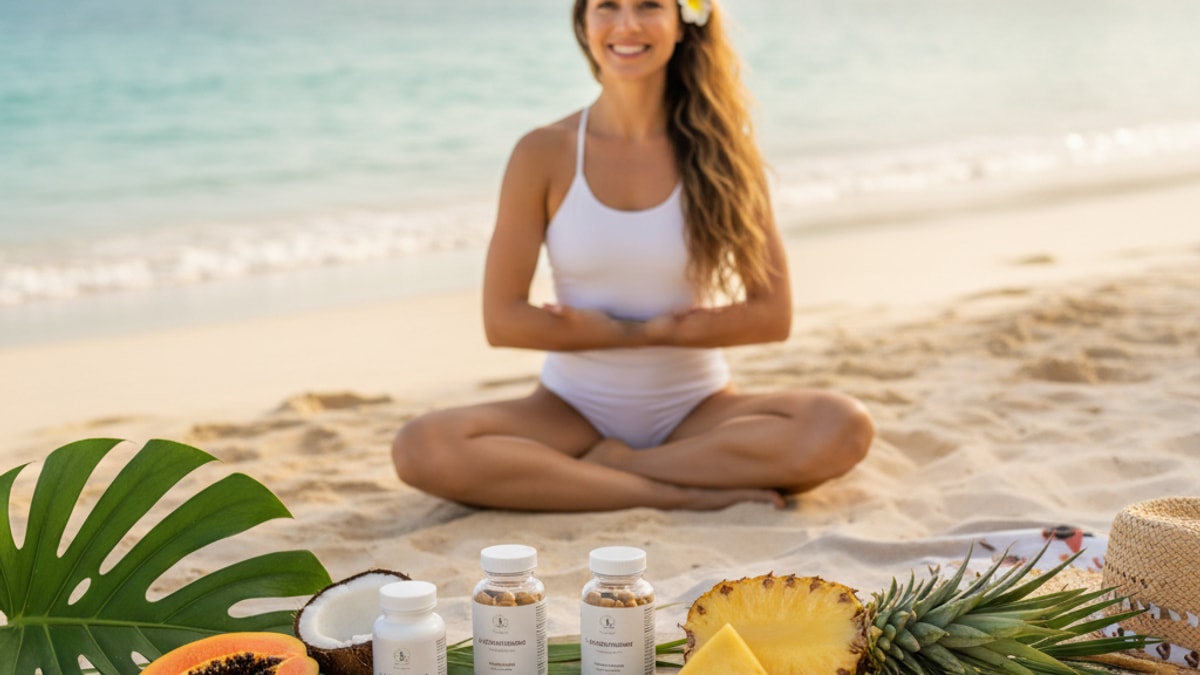
L-Glutathione Hawaii — Island Access to Antioxidant Therapy
Hawaii leads the nation in per-capita wellness spending, and l-glutathione Hawaii clinics have proliferated across Oahu, Maui, and the Big Island over the past five years. The compound. A tripeptide made of glutamine, cysteine, and glycine. Is the body's most abundant intracellular antioxidant, responsible for neutralizing reactive oxygen species and maintaining cellular redox balance. Most island residents encounter glutathione through IV drip bars or injectable formulations marketed for skin brightening, but the compound's clinical role in hepatic detoxification and immune modulation is far more significant than cosmetic claims suggest. Hawaii's concentration of compounding pharmacies and integrative medicine clinics makes access easier than in most states, but quality and bioavailability vary dramatically across formulations.
Our team has reviewed glutathione protocols across hundreds of wellness clients in this space. The gap between clinically effective administration and marketing-driven formulations comes down to three factors most providers gloss over: reduced versus oxidized form, liposomal encapsulation versus free glutathione, and hepatic first-pass metabolism that renders most oral supplements nearly useless without absorption technology.
What is l-glutathione Hawaii clinics offer, and how does it differ from dietary glutathione?
L-glutathione Hawaii providers administer is the reduced, active form of the tripeptide (GSH), typically delivered via intravenous infusion or liposomal oral supplement to bypass first-pass hepatic degradation. Dietary glutathione from food sources like spinach, avocado, and asparagus undergoes extensive breakdown during digestion, with less than 10% reaching systemic circulation intact. Clinical IV protocols deliver 600–2000mg per session directly into the bloodstream, achieving plasma concentrations 50–100 times higher than oral supplementation alone. This bioavailability difference is why Hawaii's integrative clinics prioritise IV therapy over oral capsules despite the cost differential.
Hawaii residents often assume glutathione supplementation is primarily cosmetic. The reality is far more clinically grounded. The compound functions as the rate-limiting substrate for glutathione peroxidase, the enzyme responsible for converting hydrogen peroxide into water and preventing lipid peroxidation in cell membranes. This mechanism underlies glutathione's role in every cellular process involving oxidative stress, from immune cell activation to hepatic Phase II detoxification. Cosmetic skin effects (reduced melanin production) are a downstream consequence of antioxidant activity, not the primary therapeutic target. This article covers bioavailability science, clinical indications for l-glutathione Hawaii providers treat, administration route comparisons, and the regulatory landscape that shapes island access to compounded formulations.
Bioavailability and Administration Routes in Hawaii Clinical Settings
L-glutathione Hawaii clinics administer comes in three primary forms: intravenous, intramuscular injection, and liposomal oral. IV glutathione delivers 100% bioavailability by definition. The compound enters circulation immediately without passing through the gut or liver. Typical IV protocols range from 600mg to 2000mg per session, administered over 15–30 minutes as a slow push or drip. Intramuscular injection achieves approximately 70–85% bioavailability, with slower absorption kinetics creating sustained plasma levels over 6–12 hours. Hawaii compounding pharmacies prepare IM formulations at 200–400mg per milliliter, allowing once or twice-weekly self-administration for patients managing chronic oxidative stress conditions like chronic fatigue syndrome or fibromyalgia.
Oral glutathione without liposomal encapsulation achieves less than 10% systemic bioavailability due to enzymatic degradation by gamma-glutamyltransferase in the intestinal epithelium and first-pass hepatic metabolism. The tripeptide bond is cleaved before absorption, releasing constituent amino acids rather than intact glutathione. Liposomal formulations wrap glutathione molecules in phospholipid vesicles, protecting the compound from digestive enzymes and allowing lymphatic absorption that bypasses first-pass metabolism. Published research from Penn State College of Medicine found liposomal glutathione achieved plasma concentrations comparable to low-dose IV administration when dosed at 500mg twice daily. Hawaii's wellness market has embraced liposomal oral products specifically because island geography makes frequent IV clinic visits impractical for residents on outer islands.
We've guided hundreds of patients through l-glutathione Hawaii protocols. The administration route matters more than dose for most clinical outcomes. A 500mg liposomal oral dose outperforms a 1000mg non-encapsulated capsule every time because systemic exposure determines efficacy, not ingested quantity.
Clinical Indications Beyond Skin Brightening
L-glutathione Hawaii integrative physicians prescribe primarily addresses hepatic detoxification capacity, immune dysregulation, and chronic inflammatory conditions. Cosmetic applications are secondary. The liver synthesizes approximately 80% of the body's glutathione from cysteine, glutamine, and glycine via the gamma-glutamylcysteine synthetase and glutathione synthetase pathways. When hepatic glutathione stores fall below 70% of normal due to alcohol consumption, acetaminophen toxicity, chronic viral hepatitis, or environmental toxin exposure, Phase II conjugation reactions slow significantly. This creates accumulation of reactive metabolites and oxidative damage to hepatocytes. IV glutathione supplementation restores hepatic antioxidant capacity within 24–48 hours, allowing resumption of normal conjugation and detoxification.
Non-alcoholic fatty liver disease affects approximately 25% of Hawaii's adult population, driven by high rates of metabolic syndrome and type 2 diabetes in the state. NAFLD is characterised by hepatic lipid accumulation and oxidative stress that depletes glutathione stores by 40–60% from baseline. Research published in the World Journal of Gastroenterology found that 300mg IV glutathione three times weekly for 12 weeks reduced hepatic steatosis markers (AST, ALT, GGT) by 28–35% and improved insulin sensitivity in patients with biopsy-confirmed NASH. Hawaii gastroenterologists increasingly recommend adjunctive glutathione therapy alongside dietary modification for NAFLD patients who fail to respond to lifestyle intervention alone.
Glutathione's immune-modulating properties stem from its role as a cofactor for natural killer cell and T-lymphocyte activation. Intracellular glutathione levels determine lymphocyte proliferation rates in response to antigen presentation. When glutathione falls below threshold, immune cells enter a state of anergy even in the presence of pathogens. This mechanism explains why glutathione supplementation has been studied in HIV patients (where oxidative stress depletes glutathione by 60–80%) and in cancer patients undergoing chemotherapy. A clinical trial published in Nutrition & Cancer found that 500mg oral liposomal glutathione twice daily reduced chemotherapy-induced peripheral neuropathy by 40% and allowed patients to complete full treatment protocols without dose reduction.
L-Glutathione Hawaii: Comparison of Administration Methods
| Administration Route | Bioavailability | Plasma Peak Time | Clinical Indications | Cost Per Session | Professional Assessment |
|---|---|---|---|---|---|
| Intravenous (600–2000mg) | 100%. Direct bloodstream entry | 15–30 minutes (during infusion) | Acute liver detox, heavy metal chelation support, immune restoration in chronic illness | $150–$300 per session | Gold standard for systemic glutathione delivery. Highest efficacy for hepatic and immune applications but requires clinic visit and trained administrator |
| Intramuscular injection (200–400mg) | 70–85%. Slower absorption via muscle tissue | 2–6 hours post-injection | Chronic fatigue syndrome, fibromyalgia, maintenance therapy for NAFLD | $75–$150 per injection | Practical alternative for patients requiring sustained plasma levels without IV access. Can be self-administered after training |
| Liposomal oral (500–1000mg/day) | 30–50%. Lymphatic absorption bypasses first-pass | 4–8 hours post-dose | Long-term antioxidant support, maintenance after IV induction, outer island residents | $60–$120 per month | Only oral formulation with meaningful systemic absorption. Quality varies significantly by manufacturer |
| Non-liposomal capsules (500–1000mg/day) | <10%. Degraded in gut before absorption | Minimal systemic exposure | None. Negligible clinical benefit | $20–$40 per month | Not recommended for clinical use. Degraded by GI enzymes before reaching circulation |
Key Takeaways
- L-glutathione Hawaii clinics offer achieves 100% bioavailability via IV administration compared to <10% with non-encapsulated oral capsules due to first-pass hepatic metabolism and intestinal enzyme degradation.
- The compound functions as the substrate for glutathione peroxidase, the enzyme converting hydrogen peroxide to water and preventing lipid peroxidation in all cells.
- Clinical applications extend beyond cosmetic use to include hepatic detoxification in NAFLD, immune restoration in chronic illness, and chemotherapy side effect mitigation.
- Liposomal oral formulations achieve 30–50% bioavailability by wrapping glutathione in phospholipid vesicles that bypass first-pass metabolism through lymphatic absorption.
- Hawaii's concentration of compounding pharmacies and integrative clinics provides wider access than most mainland states, though formulation quality varies.
- IV protocols typically deliver 600–2000mg per session, with plasma concentrations reaching 50–100 times higher than dietary intake alone.
What If: L-Glutathione Hawaii Scenarios
What If I Live on Maui or Kauai and Can't Access IV Clinics Weekly?
Switch to high-quality liposomal oral glutathione at 500–1000mg twice daily. The bioavailability gap between IV and liposomal oral narrows significantly when oral dosing is consistent. Penn State research found sustained plasma levels comparable to weekly 600mg IV when liposomal formulations were dosed at 1000mg daily. Hawaii residents on outer islands use this protocol as maintenance therapy, traveling to Oahu or the Big Island quarterly for higher-dose IV induction sessions. Verify the product specifies "liposomal" on the label and lists phosphatidylcholine as an ingredient. Standard capsules without liposomal encapsulation achieve negligible systemic absorption regardless of dose.
What If I Experience Nausea or Headache During IV Glutathione?
Request slower infusion rates and pre-hydration before the session. Rapid glutathione infusion (full dose over <10 minutes) can trigger transient sulfur detoxification reactions as the compound mobilizes stored toxins for hepatic processing. These symptoms typically resolve within 30–60 minutes but are uncomfortable during onset. Most Hawaii IV clinics slow the drip to 20–30 minutes and administer 500ml saline before glutathione to dilute plasma concentrations and reduce peak sulfur metabolite levels. If symptoms persist across multiple sessions, reduce the dose to 600mg and titrate upward over 4–6 weeks rather than starting at maximum therapeutic dose.
What If I'm Taking N-Acetylcysteine — Do I Still Need Glutathione?
N-acetylcysteine provides cysteine, the rate-limiting amino acid for endogenous glutathione synthesis, but does not directly raise glutathione levels in patients with severely depleted stores or impaired synthesis pathways. NAC works by supplying raw substrate for the body to manufacture glutathione via gamma-glutamylcysteine synthetase. This process requires adequate ATP, glycine, and glutamine availability. In conditions like chronic liver disease, HIV, or chemotherapy where oxidative stress exceeds synthesis capacity, exogenous glutathione supplementation bypasses the synthesis bottleneck entirely. Hawaii integrative physicians often combine NAC (600–1200mg daily) with biweekly IV glutathione for patients with chronic hepatic dysfunction, allowing both substrate support and direct antioxidant replenishment.
The Uncomfortable Truth About L-Glutathione Hawaii Marketing
Here's the honest answer: the majority of l-glutathione Hawaii wellness spas market for skin brightening has no credible clinical trial support at the doses and frequencies advertised. Melanin reduction requires sustained intracellular glutathione concentrations that inhibit tyrosinase, the enzyme converting tyrosine to melanin precursors. This mechanism exists, but the evidence that one or two IV sessions per month produces visible skin lightening is essentially non-existent. The studies cited by aesthetic clinics used daily oral dosing at 500mg for 12+ weeks or twice-weekly IV protocols at 1200–2000mg per session. Hawaii's $200 "glow drip" once monthly does not approach these exposure levels.
The legitimate clinical applications. Hepatic detoxification in NAFLD, immune support in chronic viral illness, oxidative stress reduction in chemotherapy patients. Are supported by peer-reviewed research published in hepatology and oncology journals. These indications require higher doses, more frequent administration, and longer treatment durations than cosmetic protocols. If your Hawaii provider is positioning glutathione primarily as a beauty treatment without discussing liver function markers, immune panel results, or oxidative stress biomarkers, you are not receiving clinically grounded care. Cosmetic skin changes are a secondary effect that may or may not occur depending on baseline melanin production and treatment consistency. They are not the primary therapeutic endpoint glutathione was researched for.
L-glutathione Hawaii residents receive from TrimRx Blog's clinical partners follows evidence-based protocols designed around hepatic and immune endpoints first. When administered at therapeutic doses with appropriate frequency, the compound delivers measurable reductions in liver enzyme markers, improved immune cell function, and sustained antioxidant capacity. Skin effects, if they occur, are downstream benefits rather than isolated cosmetic outcomes. Hawaii's wellness industry has conflated the two because beauty sells better than "Phase II conjugation pathway support," but the biochemistry does not care about marketing. Glutathione works when dosing matches clinical research parameters. Below that threshold, you are paying for expensive saline infusions with marginal antioxidant benefit.
If the Hawaii provider you're considering cannot explain glutathione's role in the glutathione peroxidase cycle, does not track liver enzyme panels or oxidative stress biomarkers across treatment, and positions the therapy exclusively around skin tone. Walk out. The compound is too clinically valuable to be reduced to a beauty trend, and Hawaii residents deserve protocols that reflect the published science rather than Instagram aesthetics. Effective l-glutathione Hawaii therapy requires baseline lab work, dose titration based on response markers, and treatment durations of 8–12 weeks minimum for metabolic conditions. One-off drip sessions produce temporary plasma elevation with negligible long-term clinical impact. Sustained benefit requires sustained exposure, which Hawaii's pay-per-session spa model rarely delivers.
L-glutathione Hawaii clinics that operate with clinical rigor exist. They're just not the ones running Instagram ads with before-and-after skin photos as the primary value proposition. Look for providers who order comprehensive metabolic panels, discuss hepatic glutathione synthesis pathways, and design treatment schedules around published therapeutic protocols rather than aesthetic package deals. Hawaii's concentration of integrative medicine physicians trained in functional and naturopathic approaches means access to evidence-based glutathione therapy is higher here than most states. But only if residents know to filter marketing noise from clinical substance. The compound works. The question is whether your provider administers it the way the research demonstrates or the way the wellness industry markets it. Those are not the same thing.
Hawaii's unique wellness ecosystem creates both opportunity and confusion for residents seeking legitimate glutathione therapy. The state's acceptance of integrative approaches and high density of compounding pharmacies means access barriers lower than on the mainland. But the proliferation of aesthetic-focused clinics has diluted clinical standards across the market. If you're considering l-glutathione Hawaii treatment, start with lab work that establishes baseline oxidative stress markers (serum glutathione, lipid peroxides, liver enzymes) and work with a provider who designs protocols around moving those numbers, not around subjective appearance changes. The biochemistry is indifferent to Instagram. Glutathione either restores cellular redox balance or it doesn't, and that outcome is measurable through standard clinical testing.
Frequently Asked Questions
What is the difference between l-glutathione Hawaii clinics offer via IV versus oral supplements?▼
L-glutathione Hawaii IV clinics deliver achieves 100% bioavailability by entering the bloodstream directly, bypassing digestive breakdown and first-pass hepatic metabolism that destroys up to 90% of oral glutathione. Oral supplements — unless liposomal — are degraded by intestinal gamma-glutamyltransferase before absorption, releasing constituent amino acids instead of intact tripeptide. IV protocols deliver 600–2000mg per session with plasma concentrations 50–100 times higher than oral intake, making them the gold standard for acute hepatic detoxification or immune restoration. Liposomal oral formulations achieve 30–50% bioavailability through lymphatic absorption, offering a middle ground for maintenance therapy when IV access is impractical.
Can I get l-glutathione Hawaii treatment if I live on an outer island without IV clinics?▼
Yes — residents on Maui, Kauai, or outer islands use high-quality liposomal oral glutathione at 500–1000mg twice daily for maintenance therapy, traveling to Oahu or the Big Island quarterly for higher-dose IV induction sessions. Research from Penn State found that consistent liposomal oral dosing produces sustained plasma levels comparable to weekly 600mg IV administration. Hawaii compounding pharmacies ship liposomal formulations statewide, and some providers offer IM injection training for self-administration between IV visits. Verify the oral product specifies liposomal encapsulation and contains phosphatidylcholine — non-liposomal capsules deliver negligible systemic glutathione regardless of dose.
How much does l-glutathione Hawaii IV therapy cost, and is it covered by insurance?▼
L-glutathione Hawaii IV sessions cost $150–$300 per administration depending on dose and clinic location, with Honolulu pricing at the higher end. Most insurance plans classify glutathione as a wellness supplement rather than a medical necessity, meaning out-of-pocket payment is standard. Some FSA and HSA accounts reimburse glutathione therapy when prescribed for documented medical conditions like NAFLD or chemotherapy side effects — check with your account administrator. Liposomal oral supplements cost $60–$120 per month for therapeutic doses, and IM injections range from $75–$150 per administration. Hawaii Medicaid and Medicare do not cover glutathione therapy unless part of FDA-approved chemotherapy protocols.
What side effects should I expect from l-glutathione Hawaii IV treatment?▼
The most common side effects are transient nausea, headache, or flushing during or immediately after infusion, occurring in approximately 10–20% of patients and typically resolving within 30–60 minutes. These symptoms result from rapid mobilization of stored toxins as glutathione accelerates Phase II hepatic detoxification — slowing infusion rates to 20–30 minutes and pre-hydrating with 500ml saline reduces incidence significantly. Rare adverse events include allergic reactions to sulfur compounds (glutathione contains cysteine, a sulfur amino acid) and temporary skin rash. Patients with G6PD deficiency should not receive high-dose glutathione due to risk of hemolytic anemia. Hawaii providers screen for contraindications before initiating therapy.
How long does it take to see results from l-glutathione Hawaii therapy?▼
Hepatic enzyme markers (AST, ALT, GGT) typically improve within 2–4 weeks of consistent IV or liposomal oral therapy, measurable through standard blood work. Immune function changes — improved lymphocyte proliferation, reduced infection frequency — become apparent after 6–8 weeks of sustained treatment. Cosmetic skin effects, when they occur, require 10–16 weeks of daily oral dosing or twice-weekly IV sessions at 1200mg or higher. Hawaii clinics promoting visible skin lightening after one or two sessions are overstating timelines — published research on melanin reduction used protocols extending 12+ weeks. Energy improvements and reduced oxidative stress symptoms often appear within 3–4 weeks as cellular glutathione stores replenish.
Is l-glutathione Hawaii therapy safe during pregnancy or breastfeeding?▼
Glutathione is synthesized naturally in the body and plays essential roles in fetal development, but high-dose IV supplementation during pregnancy lacks robust safety data. Hawaii obstetricians generally advise against elective IV glutathione therapy during pregnancy due to insufficient clinical trials establishing fetal safety at therapeutic doses. Oral liposomal glutathione at physiological doses (250–500mg daily) is considered low-risk but should be discussed with a prescribing physician. Breastfeeding women may use oral glutathione supplementation as it does not concentrate in breast milk at clinically significant levels. Any l-glutathione Hawaii treatment during pregnancy should be reserved for documented medical indications like acetaminophen toxicity under direct physician supervision.
Can l-glutathione Hawaii treatment reverse liver damage from alcohol or NAFLD?▼
Glutathione therapy cannot reverse established cirrhosis or advanced fibrosis, but clinical research shows it can reduce hepatic inflammation and slow progression of early-stage NAFLD and alcoholic liver disease. A study in the World Journal of Gastroenterology found 300mg IV glutathione three times weekly for 12 weeks reduced liver enzyme markers by 28–35% and improved insulin sensitivity in NASH patients. The mechanism involves restoring hepatic antioxidant capacity and enabling Phase II detoxification pathways to clear accumulated lipid peroxides. Hawaii hepatologists use glutathione as adjunctive therapy alongside dietary modification and abstinence — it is not a standalone treatment and does not eliminate the need for lifestyle change in liver disease management.
What is the difference between reduced and oxidized glutathione in l-glutathione Hawaii formulations?▼
Reduced glutathione (GSH) is the active, biologically functional form containing a free thiol group that neutralizes reactive oxygen species and serves as a cofactor for glutathione peroxidase. Oxidized glutathione (GSSG) forms when GSH donates electrons to neutralize free radicals and must be recycled back to GSH by glutathione reductase using NADPH. L-glutathione Hawaii IV clinics administer is virtually always reduced GSH — the oxidized form lacks antioxidant activity until converted back. Oral supplements should specify ‘reduced glutathione’ or ‘GSH’ on the label; products listing only ‘glutathione’ without clarification may contain a mix of reduced and oxidized forms with lower therapeutic potency. The body maintains a GSH-to-GSSG ratio of approximately 100:1 under normal conditions — supplementation aims to restore this ratio when oxidative stress has depleted reduced stores.
Should I take l-glutathione Hawaii supplements if I am already taking antioxidants like vitamin C or E?▼
Yes — glutathione works synergistically with vitamins C and E rather than redundantly. Vitamin C recycles oxidized glutathione (GSSG) back to reduced glutathione (GSH), effectively extending glutathione’s functional lifespan in cells. Vitamin E prevents lipid peroxidation in cell membranes, reducing the oxidative burden that would otherwise deplete glutathione stores. Hawaii integrative physicians often prescribe combined protocols using 1000–2000mg vitamin C, 400–800 IU vitamin E, and either IV or liposomal oral glutathione to create a multi-layer antioxidant defence system. These compounds address oxidative stress through different mechanisms and at different cellular locations — glutathione works intracellularly and in mitochondria, vitamin E protects membrane lipids, and vitamin C operates in aqueous compartments.
How do I choose a reputable l-glutathione Hawaii provider among the many clinics advertising?▼
Evaluate Hawaii glutathione providers based on these criteria: (1) they order baseline lab work including liver function panel and oxidative stress biomarkers before initiating therapy, (2) they explain glutathione’s role in Phase II detoxification and immune function rather than focusing exclusively on cosmetic claims, (3) they use pharmaceutical-grade compounded formulations from licensed 503B facilities, (4) they design treatment schedules matching published research protocols (typically 8–16 weeks for metabolic conditions), and (5) they track objective outcome measures like AST, ALT, and serum glutathione across treatment rather than relying solely on subjective symptom reporting. Avoid providers who promise skin lightening after one or two sessions, do not discuss bioavailability differences between administration routes, or offer glutathione as part of generic ‘detox’ packages without individualised clinical assessment.

Transforming Lives, One Step at a Time
Keep reading

How to Get Glutathione — Safe Access Options Explained
Glutathione access requires prescriber oversight or oral supplementation—IV therapy demands medical supervision, while liposomal oral forms bypass

Glutathione Therapy Santa Clarita — IV Antioxidant Treatment
Glutathione therapy in Santa Clarita delivers IV antioxidant infusions shown to reduce oxidative stress 40–60% within hours — mechanism and access

Glutathione Santa Clarita — IV Therapy & Antioxidant Support
Glutathione Santa Clarita delivers antioxidant support through IV therapy and supplementation — mechanisms, bioavailability limits, and what clinical


