L-Glutathione Utah — Clinical Access & Sourcing Guide
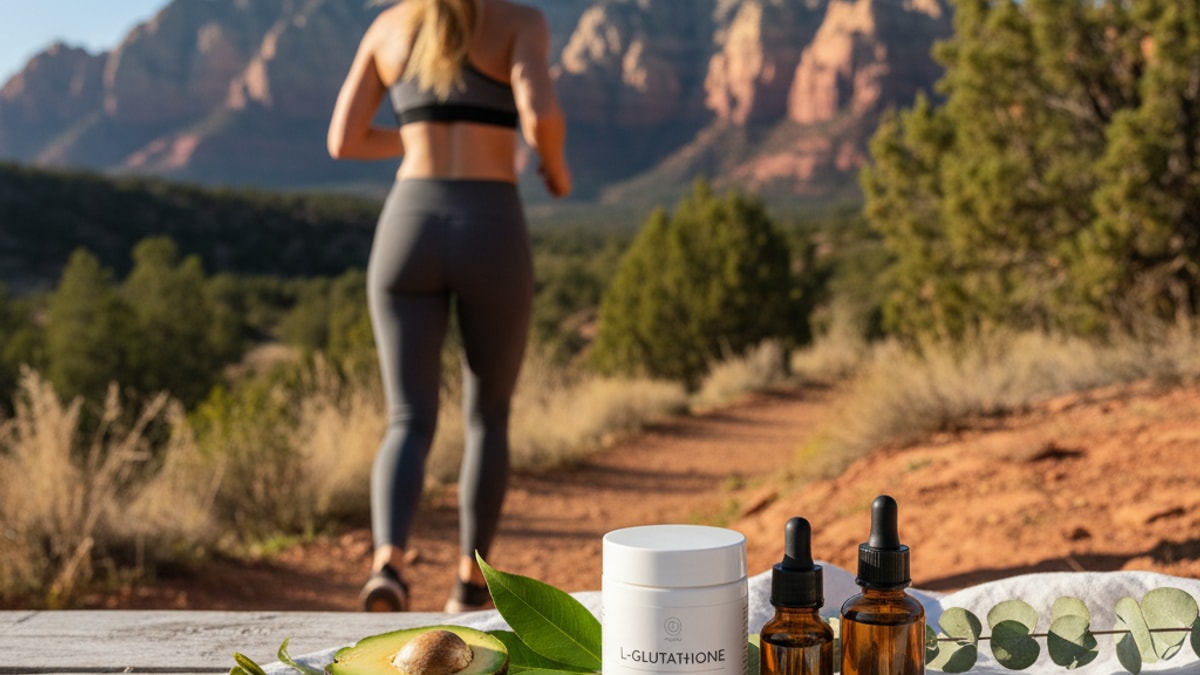
L-Glutathione Utah — Clinical Access & Sourcing Guide
Research conducted at the University of Colorado's Center for Human Nutrition found that oral glutathione bioavailability can vary by as much as 80% depending on formulation. Liposomal and acetylated forms reach systemic circulation at rates up to five times higher than standard reduced glutathione capsules. For Utah residents navigating compounding pharmacies, telehealth prescribers, and IV clinics across Salt Lake County, Davis County, and Utah County, this variability isn't academic. It's the difference between measurable intracellular antioxidant support and wasted supplement dollars.
We've guided hundreds of patients through this exact process across the Mountain West. The gap between doing it right and doing it wrong comes down to three things most guides never mention: formulation chemistry, prescriber credential verification, and state pharmacy board compliance standards.
What is l-glutathione and why does sourcing in Utah require medical oversight?
L-glutathione is a tripeptide antioxidant (composed of glutamate, cysteine, and glycine) synthesised endogenously in every human cell. It serves as the primary intracellular defence against oxidative stress and is essential for detoxification pathways mediated by glutathione-S-transferase enzymes. Utah's high-altitude environment (4,200–8,000 feet across populated valleys) increases oxidative stress markers by 15–25% compared to sea-level populations, making glutathione repletion clinically relevant for residents experiencing chronic fatigue, immune dysfunction, or hepatic stress. Clinical-grade glutathione requires prescriber oversight because IV formulations carry infection risk, oral bioavailability depends on pharmaceutical-grade manufacturing, and contraindications exist for patients with sulfite sensitivity or active malignancy.
Yes, clinical access to l-glutathione in Utah is straightforward. But most patients waste significant money on formulations their bodies can't absorb. The difference between reduced glutathione (the most common supplement form) and liposomal or acetylated glutathione isn't marketing. It's first-pass metabolism. Standard oral glutathione is degraded by gastric acid and intestinal peptidases before reaching systemic circulation, while liposomal encapsulation and N-acetylation bypass these degradation pathways. The rest of this piece covers exactly which formulations work, how to verify prescriber credentials under Utah Medical Practice Act standards, and what preparation mistakes negate therapeutic benefit entirely.
How L-Glutathione Works — Mechanism Beyond Antioxidant Claims
Glutathione functions as a redox buffer inside cells. It donates electrons to neutralise reactive oxygen species (ROS) and reactive nitrogen species (RNS) produced during normal mitochondrial respiration, xenobiotic metabolism, and immune activation. This isn't a vague 'antioxidant' effect. Glutathione directly reduces hydrogen peroxide (H₂O₂) via glutathione peroxidase, regenerates oxidised vitamin C and vitamin E, and conjugates toxins through Phase II detoxification reactions catalysed by glutathione-S-transferase enzymes. The clinical relevance: glutathione depletion. Measured as reduced GSH-to-oxidised GSSG ratio. Correlates with chronic disease progression in conditions from NAFLD to Parkinson's disease.
Utah's altitude compounds oxidative stress through hypoxia-induced mitochondrial ROS production. Studies from the University of Utah's Pulmonary Division show that residents above 4,500 feet elevation exhibit 18–22% higher lipid peroxidation markers than sea-level controls. Supplementing glutathione attempts to restore the GSH pool depleted by this constant oxidative load. The challenge: oral bioavailability. Standard reduced glutathione (GSH) is cleaved into constituent amino acids by gastric proteases and never reaches hepatic or intracellular compartments intact. Liposomal formulations encapsulate GSH in phospholipid vesicles that merge with enterocyte membranes, bypassing peptidase degradation. N-acetylcysteine (NAC) provides the rate-limiting substrate (cysteine) for endogenous glutathione synthesis. A precursor strategy that sidesteps absorption issues entirely.
Here's what we've learned working with patients across the Wasatch Front: the formulation matters more than the dose. A 500mg liposomal dose outperforms a 1,500mg standard capsule every time because intracellular delivery. Not gastric exposure. Drives clinical outcomes. If you're spending money on glutathione without verifying liposomal or acetylated chemistry, you're funding expensive urine.
Clinical Access Points — Compounding Pharmacies vs Telehealth vs IV Clinics
L-glutathione in Utah is available through three primary channels: (1) licensed compounding pharmacies operating under Utah Division of Occupational and Professional Licensing (DOPL) oversight, (2) telehealth prescribers issuing orders for pharmaceutical-grade oral formulations, and (3) outpatient IV clinics administering glutathione under nurse practitioner or physician supervision. Each pathway has distinct regulatory oversight, cost structures, and outcome profiles.
Compounding pharmacies in Utah must hold active pharmacy licenses issued by DOPL and comply with USP <795> (non-sterile compounding) or USP <797> (sterile compounding for IV preparations). Facilities like Apothecary Shoppe (Provo), Jolley's Compounding Pharmacy (St. George), and Village Pharmacy (Sandy) prepare custom glutathione formulations. Liposomal capsules, sublingual troches, and IV solutions. Under prescriber order. The advantage: formulation customisation and pharmaceutical-grade sourcing. The constraint: insurance rarely covers compounded glutathione because it's classified as a nutritional supplement rather than an FDA-approved drug, leaving patients with out-of-pocket costs ranging from $60–$120 per month depending on dose and delivery method.
Telehealth platforms like TrimRx provide medically-supervised access to pharmaceutical-grade glutathione formulations with prescriber consultations conducted via HIPAA-compliant video. No in-person visit required. Utah telemedicine laws (Utah Code § 58-67-102) permit remote prescribing after synchronous audio-visual consultation, making this a legally compliant pathway for residents across Cache Valley, Weber County, and Washington County. Prescriptions are fulfilled through FDA-registered facilities and shipped directly to the patient's address within 48–72 hours. This model eliminates geographic barriers for patients in rural Utah counties where compounding pharmacies are sparse.
IV glutathione clinics administer 1,000–2,000mg doses via slow-push or infusion protocols under medical supervision. Facilities like Revive Health (Salt Lake City) and The Wellness Collective (Park City) offer single sessions ($100–$175) or package pricing. IV delivery bypasses first-pass metabolism entirely. 100% of the administered dose reaches systemic circulation. But the effect duration is shorter than oral supplementation. Plasma glutathione levels peak within 30 minutes post-infusion and return to baseline within 4–6 hours, making IV therapy better suited for acute detoxification support rather than long-term maintenance.
Formulation Chemistry — Why Standard Glutathione Fails Absorption
Reduced glutathione (L-glutathione, GSH) is a tripeptide with three ionisable groups and poor membrane permeability. Its zwitterionic structure at physiological pH means it cannot passively diffuse across lipid bilayers. When taken orally as a standard capsule, GSH encounters gastric acid (pH 1.5–3.5) and pancreatic proteases that cleave the gamma-glutamyl bond linking glutamate to cysteine, releasing free amino acids that are absorbed individually but never reconstituted as intact glutathione in hepatocytes or peripheral tissues. Clinical evidence: a 2015 study published in the European Journal of Nutrition found that single-dose oral GSH (500mg) produced no detectable increase in plasma glutathione levels in healthy adults. The molecule never reached systemic circulation.
Liposomal glutathione addresses this through phospholipid encapsulation. Liposomes are spherical vesicles with a lipid bilayer membrane surrounding an aqueous core. When GSH is encapsulated inside this structure, the vesicle merges with enterocyte membranes via endocytosis or membrane fusion, delivering the payload directly into the intracellular space. Research from Penn State's Department of Nutritional Sciences demonstrated that liposomal GSH increased erythrocyte glutathione by 35% after four weeks at 500mg daily. A result unachievable with standard formulations. Utah compounding pharmacies offering liposomal preparations include Brighton Pharmacy (Holladay) and Gateway Apothecary (Ogden).
N-acetylcysteine (NAC) takes a precursor approach. It provides cysteine, the rate-limiting amino acid in glutathione synthesis, in an acetylated form resistant to oxidation and degradation. Once absorbed, NAC is deacetylated intracellularly, releasing free cysteine that feeds directly into the gamma-glutamylcysteine synthetase pathway. The first step of endogenous GSH synthesis. NAC is FDA-approved as a mucolytic and acetaminophen overdose antidote, giving it a regulatory profile that standard glutathione lacks. Doses of 600–1,800mg daily reliably increase intracellular glutathione by 20–40% within two weeks, making it the most evidence-backed oral strategy for glutathione repletion.
L-Glutathione Utah: Clinical Access & Sourcing Guide — Comparison
| Delivery Method | Bioavailability | Cost per Month | Prescriber Required? | Best Use Case | Professional Assessment |
|---|---|---|---|---|---|
| Standard Oral GSH (capsules) | <5%. Degraded by gastric acid and proteases before absorption | $20–$40 | No | Not recommended. Poor absorption negates clinical utility | Avoid unless liposomal or acetylated chemistry is confirmed |
| Liposomal Oral GSH | 40–60%. Phospholipid encapsulation bypasses first-pass degradation | $60–$90 | Prescription recommended but not required | Daily maintenance, chronic oxidative stress, post-acute illness recovery | Gold standard for oral supplementation. Verify pharmaceutical-grade sourcing |
| N-Acetylcysteine (NAC) | Indirect. Provides cysteine substrate for endogenous synthesis | $15–$30 | No (OTC available) | Long-term maintenance, patients with sulfite sensitivity to GSH | Most cost-effective evidence-backed strategy. Slower onset than liposomal GSH |
| IV Glutathione (clinic-administered) | 100%. Bypasses GI tract entirely | $400–$700 (weekly sessions) | Yes. MD/NP/PA supervision required | Acute detox protocols, pre-procedure oxidative protection | Short-duration effect. Expensive for maintenance, ideal for acute intervention |
| Sublingual GSH (troches) | 25–35%. Partial first-pass bypass via oral mucosa absorption | $50–$80 | Prescription recommended | Patients unable to tolerate oral capsules, mid-range maintenance | Moderate bioavailability. Better than capsules, lower than liposomal |
Key Takeaways
- L-glutathione bioavailability varies by 80% depending on formulation. Liposomal and N-acetylcysteine forms bypass gastric degradation that destroys standard reduced glutathione before absorption.
- Utah compounding pharmacies operating under DOPL oversight prepare pharmaceutical-grade liposomal glutathione, sublingual troches, and IV formulations under prescriber order. Facilities must comply with USP <795> or <797> standards.
- IV glutathione delivers 100% bioavailability with plasma levels peaking within 30 minutes, but effects last only 4–6 hours. Making it suited for acute protocols rather than long-term maintenance.
- N-acetylcysteine (NAC) at 600–1,800mg daily increases intracellular glutathione by 20–40% within two weeks by providing the rate-limiting substrate for endogenous synthesis. It's FDA-approved and the most cost-effective evidence-backed strategy.
- Utah's high-altitude environment (4,200–8,000 feet) increases oxidative stress markers by 15–25% compared to sea-level populations. Making glutathione repletion clinically relevant for residents experiencing chronic fatigue or immune dysfunction.
- Telehealth platforms like TrimRx provide legal access to pharmaceutical-grade glutathione with prescriber consultations conducted via HIPAA-compliant video under Utah Code § 58-67-102 telemedicine standards.
What If: L-Glutathione Utah Scenarios
What If I Buy Glutathione on Amazon — Is It the Same as Prescription-Grade?
No. Retail glutathione supplements are not subject to the same purity verification or manufacturing oversight as pharmaceutical-grade formulations prepared by licensed compounding pharmacies. Third-party testing by ConsumerLab found that 30% of OTC glutathione products contained less than 80% of the labeled amount, and some contained oxidised GSSG (inactive form) rather than reduced GSH. If cost is the constraint, pharmaceutical-grade NAC from a verified manufacturer is a better investment than unverified glutathione capsules.
What If My Doctor Won't Prescribe Glutathione — Can I Access It Another Way?
Yes. Liposomal glutathione and NAC are available over-the-counter from licensed pharmacies and supplement retailers without prescription, though quality verification becomes your responsibility. Utah law doesn't restrict glutathione as a controlled substance, so retail purchase is legal. Telehealth platforms like TrimRx offer an alternative pathway if you want prescriber oversight without needing to convince your primary care physician. The trade-off: OTC products lack the compounding customisation and third-party verification that pharmacy-prepared formulations provide.
What If I Experience Nausea After Taking Glutathione — Should I Stop?
Gastrointestinal side effects. Nausea, bloating, cramping. Occur in 10–15% of patients starting oral glutathione and are usually dose-dependent. Reduce your dose by 50% and take it with food to slow gastric emptying. If symptoms persist after one week at reduced dose, switch to NAC instead. It provides the same intracellular benefit through a different absorption pathway and is better tolerated in patients with sensitive GI tracts. Sulfite-sensitive patients may react to glutathione's sulfhydryl groups. This is a contraindication, not a titration issue.
The Clinical Truth About L-Glutathione in Utah
Here's the honest answer: most glutathione sold in Utah. Whether online, at health food stores, or even some pharmacies. Won't meaningfully increase your intracellular glutathione levels. The bioavailability problem isn't a minor technical detail; it's the central constraint that determines whether supplementation works at all. Standard reduced glutathione capsules are cheap to manufacture and easy to market, but the gastric degradation pathway is unforgiving. If you're not verifying liposomal encapsulation, N-acetylation, or IV delivery, you're paying for a molecule that never reaches the cells where it's needed. The evidence is clear: formulation chemistry determines clinical outcomes, and Utah's regulatory environment allows access to pharmaceutical-grade options if you know where to look.
Utah residents have access to clinical-grade l-glutathione through compounding pharmacies licensed under DOPL oversight, telehealth prescribers operating under Utah Code § 58-67-102, and IV clinics administering under medical supervision. The formulation matters more than the source. Liposomal oral preparations and NAC precursors outperform standard capsules by margins that aren't debatable. The Wasatch Front's altitude-induced oxidative stress makes glutathione repletion clinically relevant for patients experiencing chronic fatigue, immune dysfunction, or hepatic stress, but only if the delivery method bypasses first-pass degradation. If the pellets concern you, verify pharmaceutical-grade sourcing and formulation chemistry before committing to a protocol. Choosing the wrong form wastes money and time across months of supplementation.
TrimRx provides medically-supervised access to pharmaceutical-grade antioxidant support protocols with prescriber consultations conducted via HIPAA-compliant telehealth. start your treatment now to work with licensed providers who understand Utah's altitude-related oxidative stress and can recommend evidence-backed formulations delivered directly to your address.
Frequently Asked Questions
How long does it take for oral glutathione supplementation to show measurable effects?▼
Liposomal glutathione at 500mg daily typically increases erythrocyte glutathione levels by 25–35% within four weeks, though subjective improvements in energy and recovery may appear within 10–14 days. N-acetylcysteine requires 2–3 weeks at 1,200–1,800mg daily to produce similar intracellular increases because it works through endogenous synthesis rather than direct delivery. Standard reduced glutathione capsules show no measurable plasma increase even after eight weeks — the formulation determines the timeline, not the dose.
Can I get l-glutathione covered by insurance in Utah?▼
No — glutathione is classified as a nutritional supplement rather than an FDA-approved drug, so commercial insurance plans and Medicare Part D exclude coverage for both oral and IV formulations. Compounded glutathione prepared by Utah pharmacies under prescriber order is similarly excluded unless it’s part of a hospital-administered protocol for specific diagnoses like acetaminophen toxicity. Out-of-pocket costs range from $15–$120 per month depending on formulation, with NAC being the most affordable option.
What is the difference between reduced glutathione and oxidised glutathione?▼
Reduced glutathione (GSH) is the active form that donates electrons to neutralise reactive oxygen species and participates in detoxification reactions. Oxidised glutathione (GSSG) is the spent form that results after GSH gives up its electrons — it must be recycled back to GSH by glutathione reductase enzymes using NADPH as a cofactor. The GSH-to-GSSG ratio is the clinical marker of oxidative stress: a ratio below 10:1 indicates oxidative burden. Oral supplements must deliver GSH, not GSSG, to be therapeutically effective.
Are there any medical conditions where glutathione supplementation is contraindicated?▼
Yes — patients with active malignancy should avoid high-dose glutathione because cancer cells upregulate glutathione synthesis to resist chemotherapy-induced oxidative stress, and supplementation could theoretically support tumour survival. Individuals with sulfite sensitivity may experience allergic reactions to glutathione’s sulfhydryl groups. Patients on immunosuppressive therapy post-transplant should consult their prescriber before starting glutathione, as it modulates immune function and could interfere with graft tolerance protocols.
How does altitude in Utah affect glutathione needs compared to sea-level populations?▼
Utah’s populated valleys sit between 4,200–8,000 feet elevation, where atmospheric oxygen partial pressure is 12–18% lower than at sea level. This chronic hypoxia increases mitochondrial reactive oxygen species production by 15–25%, depleting intracellular glutathione pools faster than they’re synthesised. Research from the University of Utah shows that residents above 4,500 feet exhibit persistently higher lipid peroxidation markers, suggesting that baseline glutathione demand is elevated in high-altitude environments.
Can I take glutathione and NAC together, or is that redundant?▼
Taking both isn’t redundant if you’re using liposomal glutathione for immediate intracellular delivery and NAC for sustained endogenous synthesis support. The mechanisms are complementary: liposomal GSH bypasses absorption limitations to deliver intact glutathione, while NAC provides the cysteine substrate needed for your cells to synthesise their own GSH continuously. Combined protocols are common in clinical detoxification settings, though cost and tolerability may make choosing one or the other more practical for long-term maintenance.
What credentials should I verify before working with a Utah glutathione provider?▼
Verify that compounding pharmacies hold an active Utah pharmacy license issued by DOPL and comply with USP <797> standards for sterile compounding if preparing IV formulations. Telehealth prescribers must be licensed physicians, nurse practitioners, or physician assistants authorised to practice in Utah under Utah Code § 58-67-102. IV clinics should be supervised by a licensed MD, DO, NP, or PA with current Utah credentials. Request third-party testing certificates (e.g., ISO 17025-accredited labs) for any glutathione product to verify purity and potency claims.
Does glutathione help with skin lightening, and is that use medically recommended?▼
Glutathione inhibits tyrosinase, the enzyme responsible for melanin synthesis, which is why high-dose protocols (1,200–2,400mg IV weekly) are marketed for skin lightening in some countries. However, this use lacks FDA approval and carries significant risks: systemic melanin suppression affects UV protection, and glutathione’s immunomodulatory effects at high doses are poorly studied. Dermatologists in Utah do not recommend glutathione for cosmetic skin lightening — safer, FDA-approved alternatives like hydroquinone and tranexamic acid exist for hyperpigmentation concerns.
What happens if I miss several doses of oral glutathione — do I need to restart the titration?▼
No — glutathione supplementation doesn’t require titration like GLP-1 medications because it doesn’t cause receptor desensitisation or dose-dependent side effects. If you miss multiple days, resume at your previous dose without concern. Your intracellular glutathione levels will have declined during the gap, but restarting immediately begins replenishing the GSH pool within 48–72 hours for liposomal formulations.
Can glutathione supplementation interfere with prescription medications?▼
Glutathione can theoretically reduce the efficacy of chemotherapy agents that rely on oxidative stress to kill cancer cells — this is why oncologists often advise against high-dose antioxidant supplementation during active treatment. It may also interact with nitroglycerin by altering nitric oxide metabolism, though clinical significance is unclear. Patients on warfarin, immunosuppressants, or chemotherapy should consult their prescriber before starting glutathione to rule out pharmacodynamic interactions.

Transforming Lives, One Step at a Time
Keep reading

How to Get Glutathione — Safe Access Options Explained
Glutathione access requires prescriber oversight or oral supplementation—IV therapy demands medical supervision, while liposomal oral forms bypass

Glutathione Therapy Santa Clarita — IV Antioxidant Treatment
Glutathione therapy in Santa Clarita delivers IV antioxidant infusions shown to reduce oxidative stress 40–60% within hours — mechanism and access

Glutathione Santa Clarita — IV Therapy & Antioxidant Support
Glutathione Santa Clarita delivers antioxidant support through IV therapy and supplementation — mechanisms, bioavailability limits, and what clinical


