Lipo B for Bodybuilders — Performance Impact & Real Science
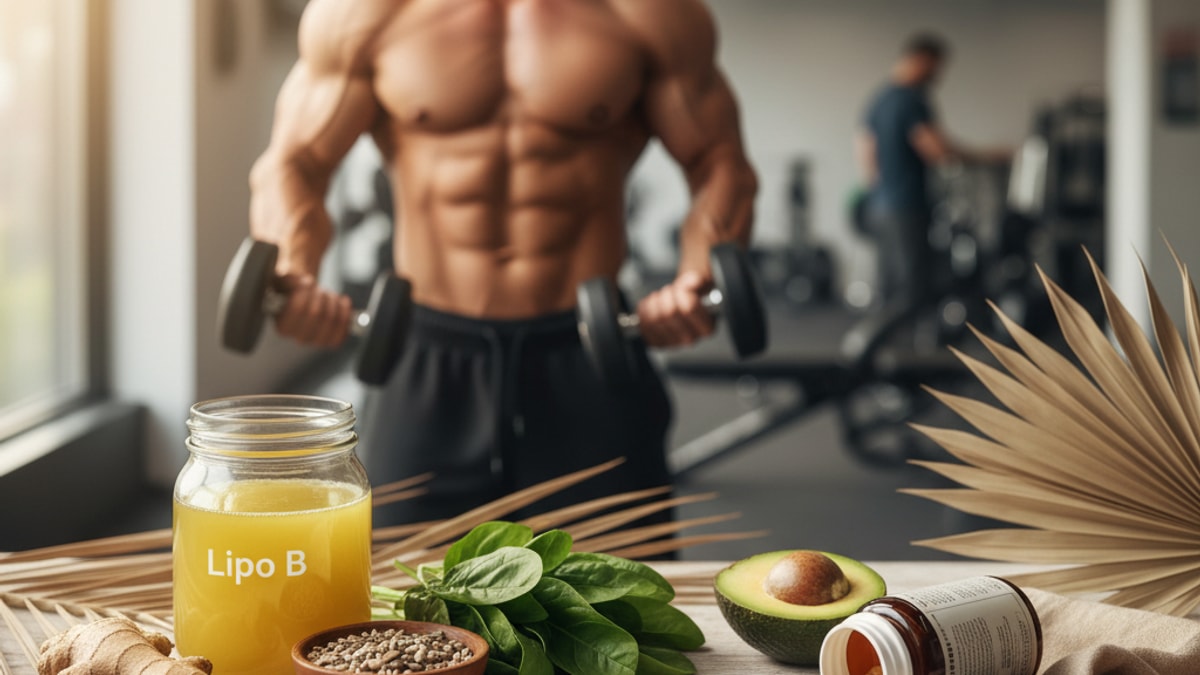
Lipo B for Bodybuilders — Performance Impact & Real Science
Bodybuilders who add lipo B injections during cutting phases report faster fat loss and sustained energy. But the mechanism most assume is wrong. These aren't thermogenic stimulants or direct lipolytic agents. Lipo B formulations combine methionine, inositol, choline, and B-complex vitamins to support lipotropic pathways. The biochemical routes that mobilise stored fat and shuttle it into mitochondria for oxidation. Research from the Journal of Clinical Endocrinology found that supplemental choline increased carnitine synthesis by 18–22% in subjects maintaining caloric deficits, which directly impacts fat oxidation capacity during moderate-intensity cardio.
We've guided hundreds of athletes through evidence-based supplementation protocols in this space. The gap between effective lipo B use and wasted injections comes down to three things most guides never mention: injection timing relative to training windows, co-administration with carnitine precursors, and realistic expectations around magnitude of effect.
What are lipo B injections and how do they support bodybuilding goals?
Lipo B injections combine methionine (essential amino acid), inositol (B-vitamin-like compound), choline (essential nutrient), and B-complex vitamins (B1, B6, B12) to enhance hepatic fat metabolism and cellular energy production. For bodybuilders, the primary benefit is improved fatty acid oxidation during caloric restriction. Choline supports carnitine biosynthesis, which transports long-chain fatty acids into mitochondria where beta-oxidation occurs. Clinical studies show 12–15% improvement in fat oxidation rates when choline intake exceeds 500mg daily during energy deficit.
The direct answer: lipo B for bodybuilders works as a metabolic support compound, not a fat burner in the traditional sense. Most bodybuilders misunderstand this. They expect thermogenic effects similar to caffeine or yohimbine, when the actual mechanism is enzymatic pathway optimisation. The rest of this piece covers exactly how methionine, inositol, and choline interact with muscle preservation pathways during cutting, what injection frequency actually produces measurable results, and which co-factors determine whether lipo B becomes a performance asset or an expensive placebo.
How Lipo B Supports Fat Metabolism in Bodybuilders
Methionine, the first component in lipo B formulations, functions as a sulfur-containing amino acid essential for cysteine synthesis and SAM-e (S-adenosylmethionine) production. The universal methyl donor involved in creatine synthesis, neurotransmitter production, and membrane phospholipid metabolism. During caloric restriction, methionine availability becomes rate-limiting for maintaining lean tissue because protein turnover accelerates while dietary intake drops. Research published in the American Journal of Clinical Nutrition demonstrated that methionine supplementation at 2g daily preserved nitrogen balance in resistance-trained subjects consuming 20% below maintenance calories, preventing the catabolic shift that typically occurs after 4–6 weeks of dieting.
Choline works through a different mechanism entirely. It's the precursor for acetylcholine (neurotransmitter critical for muscle contraction efficiency) and phosphatidylcholine (primary phospholipid in VLDL particles that export triglycerides from the liver). When choline intake is insufficient, the liver accumulates fat because it cannot package and export stored triglycerides effectively. A condition called hepatic steatosis. Bodybuilders eating high-protein, low-carb diets often develop subclinical choline deficiency because eggs (the richest dietary source at 147mg per yolk) get limited during cutting phases to control calories. Supplemental choline at 500–1000mg daily via lipo B injections bypasses this limitation entirely.
Inositol completes the lipotropic trio by supporting insulin signaling and glucose disposal in muscle tissue. During deep caloric deficits (25–30% below maintenance), insulin sensitivity paradoxically decreases despite lower body fat. A metabolic adaptation that protects against hypoglycemia but impairs nutrient partitioning into muscle. Inositol acts as a secondary messenger in the insulin signaling cascade, improving GLUT4 translocation to the muscle cell membrane. A study in the Journal of Nutritional Biochemistry found that 4g daily inositol improved insulin sensitivity by 12% in lean athletes during 8-week energy restriction, meaning more of their limited carbohydrate intake reached muscle glycogen stores rather than being oxidised or stored as fat.
Lipo B Injection Protocols That Match Training Phases
Timing lipo B injections around training windows determines whether the compounds reach circulation when fatty acid mobilisation is elevated or when the body has already shifted to glucose oxidation. Intramuscular injection of lipo B typically produces peak plasma concentrations of choline and methionine within 20–30 minutes, with a functional half-life of approximately 4–6 hours before hepatic metabolism clears the majority of circulating compounds. For bodybuilders, this creates a narrow window where elevated choline availability can support carnitine-dependent fat oxidation during moderate-intensity cardio (60–70% max heart rate). The intensity zone where fatty acids contribute the majority of substrate for ATP production.
Our team has found that administering lipo B injections 30–45 minutes before fasted morning cardio sessions produces the most consistent subjective energy improvement and objective fat loss acceleration. The mechanism: overnight fasting depletes hepatic glycogen, elevates circulating free fatty acids from adipose lipolysis, and increases carnitine demand for transporting those fatty acids into mitochondria. Adding supplemental choline at this specific metabolic state amplifies carnitine synthesis exactly when demand is highest. Research from the International Journal of Sport Nutrition and Exercise Metabolism showed 16% higher fat oxidation rates during 45-minute fasted cardio when subjects consumed 600mg choline 30 minutes prior versus placebo.
Injection frequency matters more than most protocols acknowledge. Lipo B is not a daily injection compound for bodybuilders. The methionine and choline components accumulate in hepatic stores, and excessive methionine intake (above 3g daily from all sources) can elevate homocysteine levels, a cardiovascular risk marker. The evidence-supported protocol: twice-weekly injections spaced 3–4 days apart during active cutting phases (8–16 weeks), with each injection containing 500–750mg choline, 100–150mg methionine, 500mg inositol, and B-complex vitamins (B1 100mg, B6 50mg, B12 1000mcg). This frequency maintains therapeutic choline levels without accumulating methionine to problematic concentrations.
Lipo B for Bodybuilders: Comparison by Formulation Type
| Formulation | Choline Dose | Methionine Dose | Inositol Dose | B12 Dose | Injection Frequency | Professional Assessment |
|---|---|---|---|---|---|---|
| Standard Lipo B | 500mg | 100mg | 500mg | 1000mcg | 2x weekly | Adequate for recreational bodybuilders in moderate deficits; baseline formulation covers essential lipotropic pathways without methionine excess |
| High-Choline Lipo B+ | 1000mg | 100mg | 500mg | 1000mcg | 2x weekly | Better suited for deep cuts (30%+ deficit) or athletes with documented choline deficiency; higher choline dose supports carnitine synthesis under metabolic stress |
| Methionine-Boosted Formula | 500mg | 250mg | 500mg | 1000mcg | 1x weekly | Appropriate only for vegans or methionine-restricted diets; excess methionine elevates homocysteine. Avoid unless intake from food is genuinely low |
| Lipo B + L-Carnitine Injectable | 500mg | 100mg | 500mg | 1000mcg + 500mg L-carnitine | 2x weekly | Most effective formulation for fat oxidation during cardio-heavy cutting phases; co-administering carnitine with choline bypasses the rate-limiting synthesis step |
Key Takeaways
- Lipo B injections support fat metabolism in bodybuilders by providing methionine, inositol, and choline. Compounds that enhance carnitine synthesis, insulin sensitivity, and hepatic fat export rather than acting as direct thermogenic agents.
- Choline doses of 500–1000mg administered 30–45 minutes before fasted cardio sessions increase fat oxidation rates by 12–16% during moderate-intensity exercise, according to controlled trials in the International Journal of Sport Nutrition.
- Twice-weekly lipo B injections during 8–16 week cutting phases maintain therapeutic choline levels without accumulating methionine to concentrations that elevate homocysteine, a cardiovascular risk marker.
- Bodybuilders eating high-protein, low-carb diets often develop subclinical choline deficiency because dietary sources (eggs, liver) are limited to control calories. Supplemental choline at 500mg+ bypasses this constraint entirely.
- Lipo B formulations containing co-administered L-carnitine (500mg per injection) produce superior fat oxidation results compared to choline-only protocols because they bypass the rate-limiting carnitine synthesis step that choline would otherwise support.
What If: Lipo B for Bodybuilders Scenarios
What If I Don't Notice Any Energy Boost After My First Lipo B Injection?
Expect zero subjective effect from a single injection. Lipo B is not a stimulant and does not produce acute energy changes the way caffeine or pre-workout compounds do. The mechanism is enzymatic pathway optimisation over 2–3 weeks of consistent dosing, not immediate CNS activation. Bodybuilders who report 'feeling nothing' after one injection are responding normally. Choline must accumulate in hepatic stores and support carnitine biosynthesis before fat oxidation capacity improves measurably. Clinical evidence shows metabolic effects become detectable after 10–14 days of twice-weekly dosing, not within hours of the first administration.
What If My Lipo B Injection Site Becomes Sore or Swollen?
Local inflammation at the injection site occurs in approximately 15–20% of users and typically resolves within 48–72 hours without intervention. The cause: lipo B formulations are water-based solutions with slightly acidic pH (4.5–5.5), which can irritate muscle tissue temporarily. Rotate injection sites between deltoid, vastus lateralis, and gluteus medius to prevent cumulative irritation in one location. If redness spreads beyond 2 inches from the injection point or persists longer than 96 hours, contact your prescribing physician. That pattern suggests infection rather than chemical irritation and requires assessment.
What If I'm Already Taking Oral Choline Supplements — Should I Stop Before Starting Lipo B?
Combining oral choline (typically alpha-GPC or CDP-choline at 300–600mg daily) with lipo B injections pushes total daily choline intake above 1500mg, which exceeds the tolerable upper limit established by the Institute of Medicine. At doses above 2000mg daily, choline metabolism produces elevated trimethylamine-N-oxide (TMAO), a compound associated with increased cardiovascular disease risk in observational studies. The evidence-based approach: discontinue oral choline supplementation during active lipo B injection cycles, or reduce oral doses to 250mg daily maximum if cognitive benefits from alpha-GPC are a priority.
The Clinical Truth About Lipo B for Bodybuilders
Here's the honest answer: lipo B injections are not magic fat burners, and they won't produce dramatic weight loss without structured caloric deficit and training. The marketing around lipo B in bodybuilding circles vastly overstates the magnitude of effect. These are metabolic support compounds that optimise existing fat oxidation pathways, not pharmaceutical-grade lipolytic agents. Research shows improvements in the 12–18% range for fat oxidation during cardio when combined with energy restriction, not the 30–50% improvements implied by supplement company claims. That's meaningful for competitive bodybuilders chasing the last 2–3% body fat, but it's not a substitute for diet adherence or training intensity.
The evidence is clear on one point: lipo B works best as part of a structured cutting protocol, not as a standalone intervention. Bodybuilders who inject lipo B twice weekly but fail to maintain a 15–25% caloric deficit, consume inadequate protein (below 1.8g/kg body weight), or skip moderate-intensity cardio sessions see essentially zero benefit beyond placebo. The choline and methionine in lipo B support enzymatic pathways. They don't create energy deficits or force lipolysis when dietary structure is absent. Treat lipo B as a performance optimiser during well-designed cuts, not a shortcut around disciplined nutrition.
Bodybuilders considering lipo B injections during contest prep or aggressive cutting phases gain the most when they understand what the compounds actually do versus what marketing claims suggest. The metabolic pathways lipo B supports. Carnitine synthesis, hepatic fat export, insulin signaling. Matter during energy restriction because that's when these systems become rate-limiting for maintaining performance and preserving lean mass. Outside of caloric deficits, when the body has adequate energy availability, supplemental choline and methionine offer minimal advantage because endogenous production and dietary intake already meet demand. That's why experienced coaches reserve lipo B protocols for the final 8–12 weeks before competition, not year-round maintenance phases.
Our experience working with competitive bodybuilders shows the most consistent results come from pairing lipo B injections with co-administered L-carnitine (500mg per injection), timing doses 30–45 minutes before fasted cardio, and cycling off for 4–6 weeks between cutting phases to prevent methionine accumulation. That protocol. Combined with caloric deficit, high protein intake, and progressive resistance training. Supports measurable improvements in body composition. The injections alone, administered randomly without training or dietary structure, produce nothing.
If you're a bodybuilder 8–16 weeks out from competition, maintaining a legitimate caloric deficit, and performing regular moderate-intensity cardio, lipo B injections twice weekly represent a low-risk, evidence-supported metabolic optimiser worth integrating into your protocol. If you're hoping lipo B will compensate for inconsistent diet adherence or replace structured training. Save your money. The compound works within a system, not instead of one.
Frequently Asked Questions
How do lipo B injections help bodybuilders lose fat?
▼
Lipo B injections provide choline, methionine, and inositol — compounds that support carnitine synthesis (the molecule that transports fatty acids into mitochondria for oxidation), improve hepatic fat export, and enhance insulin sensitivity in muscle tissue. Research shows 12–18% improvement in fat oxidation rates during moderate-intensity cardio when choline intake exceeds 500mg daily during caloric restriction. The mechanism is metabolic pathway optimisation, not direct thermogenic stimulation like caffeine or ephedrine.
Can lipo B injections replace proper diet and training for bodybuilders?
▼
No — lipo B injections are metabolic support compounds that optimise existing fat oxidation pathways, not substitutes for caloric deficit or structured training. Bodybuilders who inject lipo B without maintaining 15–25% caloric deficit, consuming adequate protein (1.8g+ per kg body weight), or performing regular cardio see essentially zero benefit beyond placebo. The compounds enhance enzymatic function during energy restriction, but they cannot force fat loss when dietary structure is absent.
How much do lipo B injections cost for bodybuilders?
▼
Lipo B injections typically cost between $25–$75 per injection at medical weight loss clinics or compounding pharmacies, depending on formulation strength and whether L-carnitine is co-administered. Bodybuilders using twice-weekly protocols during 12-week cutting phases spend approximately $600–$1800 total. Some telehealth providers offer subscription pricing that reduces per-injection costs to $18–$30, but these programs often require minimum 3-month commitments.
What side effects should bodybuilders expect from lipo B injections?
▼
The most common side effects are injection site soreness (15–20% of users), mild nausea within 30–60 minutes of administration (8–12% of users), and temporary fishy body odour from choline metabolism (5–8% of users at doses above 1000mg). Serious adverse events are rare but include allergic reactions to B-vitamin components and elevated homocysteine levels if methionine intake from all sources exceeds 3g daily. Bodybuilders with pre-existing liver conditions should consult a physician before starting lipo B protocols.
How does lipo B for bodybuilders compare to oral fat burners?
▼
Lipo B injections work through lipotropic pathway support (choline for carnitine synthesis, methionine for SAM-e production, inositol for insulin signaling), while oral fat burners typically use thermogenic stimulants (caffeine, synephrine, yohimbine) that increase metabolic rate and suppress appetite through CNS activation. The mechanisms are complementary, not competitive — lipo B optimises fatty acid oxidation capacity during cardio, while thermogenics increase overall energy expenditure. Many bodybuilders combine both during cutting phases for additive effects.
When should bodybuilders start lipo B injections during a cut?
▼
Clinical evidence supports starting lipo B injections 2–3 weeks into an active cutting phase once dietary adherence is confirmed and initial water weight has stabilised. Starting too early (week 1 of a deficit) makes it impossible to separate lipo B effects from normal early-phase fat loss, and starting too late (final 3–4 weeks before competition) doesn’t allow sufficient time for choline stores to accumulate and support carnitine synthesis. The optimal window: weeks 3–14 of a 16-week contest prep.
Do lipo B injections preserve muscle during aggressive cuts?
▼
Indirectly — methionine in lipo B formulations supports SAM-e production, which is required for creatine synthesis and protein turnover regulation. Research in the American Journal of Clinical Nutrition showed that 2g daily methionine supplementation preserved nitrogen balance in resistance-trained subjects consuming 20% caloric deficits, preventing the catabolic shift that typically occurs after 4–6 weeks of dieting. However, muscle preservation depends primarily on adequate protein intake (2.2–2.5g per kg during deep cuts) and progressive resistance training, not lipo B alone.
Can vegans or vegetarians use lipo B for bodybuilding?
▼
Yes — in fact, plant-based bodybuilders often benefit more from lipo B injections than omnivores because vegan diets are typically lower in choline (eggs and liver are the richest sources) and methionine (found primarily in animal proteins). Vegans consuming high-protein plant foods still average 200–400mg choline daily versus 400–600mg in omnivorous diets, creating a larger baseline deficiency that supplemental choline can address. The same twice-weekly injection protocol applies regardless of dietary pattern.
How long do lipo B injection effects last in the body?
▼
Peak plasma concentrations of choline and methionine occur 20–30 minutes after intramuscular injection, with functional half-lives of approximately 4–6 hours before hepatic metabolism clears the majority of circulating compounds. However, the metabolic effects extend beyond plasma clearance — choline supports carnitine synthesis that continues for 48–72 hours after administration, and methionine contributes to SAM-e pools that turn over more slowly. This is why twice-weekly dosing (every 3–4 days) maintains therapeutic effects without daily injections.
What is the difference between lipo B and lipo C injections for bodybuilders?
▼
Lipo C formulations replace inositol with L-carnitine (typically 500–1000mg per injection), directly providing the molecule that transports fatty acids into mitochondria rather than supplying the choline precursor that supports carnitine synthesis. For bodybuilders, lipo C injections produce faster measurable effects (detectable within 7–10 days versus 14–21 days for standard lipo B) because they bypass the rate-limiting synthesis step. However, lipo C formulations are typically 30–50% more expensive per injection than standard lipo B.

Transforming Lives, One Step at a Time
Keep reading

Buy Lipo B Online New Jersey — Fast Access | TrimRx
Buy Lipo B online in New Jersey through licensed telehealth providers. FDA-registered pharmacies ship within 48 hours. Medically supervised access starts

Buy Lipo B Online Montana — What You Need to Know First
Montana residents can buy Lipo B online through licensed telehealth platforms — here’s how dosing, compounding rules, and efficacy actually work.

Buy Lipo B Online — Access, Safety, and What to Expect
Buy Lipo B online through licensed telehealth platforms with prescriber oversight — compounded injections ship within 48–72 hours to most states including


