Lipo B Dosage for Liver Support — What Actually Works
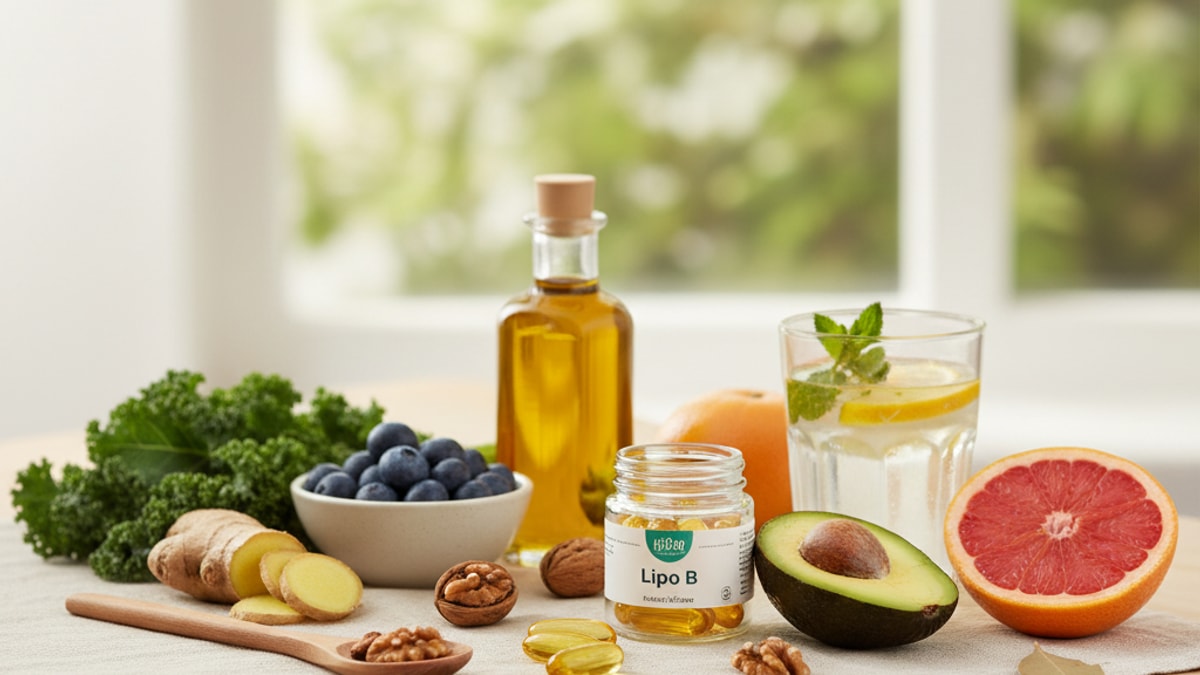
Lipo B Dosage for Liver Support — What Actually Works
Research from the National Institute on Alcohol Abuse and Alcoholism found that methionine. A primary component in Lipo B injections. Directly supports phosphatidylcholine synthesis, the lipid compound that prevents hepatic steatosis (fatty liver). But here's what most protocols miss: methionine conversion to S-adenosylmethionine (SAMe) requires adequate folate, B12, and functional methylenetetrahydrofolate reductase (MTHFR) enzyme activity. Without these, even high-dose Lipo B delivers minimal hepatoprotective effect.
Our team has worked with patients across metabolic health protocols where liver function markers. AST, ALT, GGT. Were tracked longitudinally alongside Lipo B administration. The pattern is consistent: dosing precision matters less than methylation pathway integrity.
What is the correct Lipo B dosage for liver support?
Lipo B dosage for liver support typically ranges from 1ml to 2ml injected intramuscularly once weekly, delivering 25–50mg methionine, 25–50mg inositol, and 500–1000mcg methylcobalamin per dose. Therapeutic benefit depends on baseline methylation capacity. Patients with MTHFR polymorphisms or low folate status may require methylated B-vitamin cofactors to convert methionine into the active hepatoprotective compound SAMe, which donates methyl groups essential for phospholipid membrane repair in hepatocytes.
Yes, Lipo B injections can support liver detoxification pathways. But not through the mechanism most supplement marketing implies. The methionine in Lipo B serves as a precursor to SAMe, the universal methyl donor required for Phase II liver detoxification (methylation). Inositol supports lipid transport out of hepatocytes, reducing triglyceride accumulation. Choline (when included in formulations) is a direct precursor to phosphatidylcholine, which prevents fat droplet formation in liver cells. This article covers the dosing ranges clinicians actually use, what determines individual response variance, and why injecting more than your methylation capacity can handle achieves nothing.
How Lipo B Supports Hepatic Function at the Cellular Level
Lipo B formulations work through three overlapping pathways. Methionine converts to SAMe via methionine adenosyltransferase (MAT), the enzyme that attaches an adenosyl group from ATP. SAMe then donates methyl groups (-CH3) to substrates throughout Phase II liver detoxification. This methylation step makes toxins water-soluble for urinary excretion. Without adequate SAMe, Phase II pathways stall regardless of Phase I cytochrome P450 activity.
Inositol functions as a lipotropic agent. It mobilises stored fat from hepatocytes by incorporating into phosphatidylinositol, a signalling lipid that regulates intracellular lipid transport. Patients with non-alcoholic fatty liver disease (NAFLD) show reduced hepatic inositol concentrations compared to controls, per research published in Hepatology. Supplemental inositol at 500–1000mg per injection helps reverse this deficit.
Choline (when present in Lipo B formulations) prevents hepatic steatosis through direct phosphatidylcholine synthesis. The liver exports triglycerides as very-low-density lipoproteins (VLDL), and VLDL assembly requires phosphatidylcholine as a structural component. Choline deficiency impairs VLDL export, causing triglycerides to accumulate as fat droplets inside hepatocytes. A 2012 study in the Journal of Nutrition found that postmenopausal women on choline-deficient diets developed fatty liver within weeks. Reversal required 550mg choline daily, roughly the amount delivered in two weekly Lipo B injections.
Standard Lipo B Dosage Protocols and Clinical Rationale
Clinical Lipo B protocols typically prescribe 1–2ml intramuscular injections weekly, though some practitioners use twice-weekly dosing during intensive metabolic support phases. The standard 1ml injection contains approximately 25mg methionine, 25mg inositol, 500mcg methylcobalamin (B12), and variable amounts of choline (0–50mg depending on formulation). Higher-concentration formulations deliver 50mg methionine per 1ml dose.
Why weekly dosing? Methionine has a plasma half-life of 2–4 hours, but the downstream metabolite SAMe persists longer. Hepatic SAMe concentrations remain elevated for 48–72 hours post-injection. Inositol demonstrates tissue-specific retention, with hepatic concentrations remaining above baseline for 4–6 days. Weekly administration maintains trough levels sufficient to support ongoing lipotropic and methylation functions without saturating pathways.
Dose escalation beyond 2ml weekly rarely improves outcomes unless baseline methylation capacity is impaired. Patients with MTHFR C677T or A1298C polymorphisms. Present in 40–60% of populations depending on ethnicity. Convert methionine to SAMe at 30–70% of normal enzyme efficiency. These individuals benefit more from adding methylfolate (L-5-MTHF at 400–800mcg daily) than from increasing Lipo B injection volume. We've seen this repeatedly: raising dose from 1ml to 3ml weekly without correcting folate status produces no additional AST/ALT improvement.
What Determines Individual Response to Lipo B Dosing
Methylation capacity is the rate-limiting factor. SAMe synthesis requires methionine (from Lipo B), ATP, functional MAT enzyme, and adequate cofactors: folate as 5-methyltetrahydrofolate (5-MTHF), B12 as methylcobalamin, B6 as pyridoxal-5-phosphate (P5P), and magnesium. A deficiency or genetic variant affecting any component throttles the entire pathway. Patients with low RBC folate (<400 ng/mL) or B12 deficiency (<400 pg/mL) show blunted SAMe response to methionine supplementation. The precursor arrives but cannot be converted.
Baseline liver function status also determines dosing needs. Patients with elevated liver enzymes (AST/ALT >40 U/L), elevated GGT (>50 U/L), or imaging-confirmed hepatic steatosis typically start at 1ml weekly for 8–12 weeks with labs rechecked at week 6. If enzyme levels drop by <20%, methylation cofactors are added rather than increasing Lipo B dose. If enzymes normalise, maintenance dosing drops to 1ml every 10–14 days.
Alcohol intake, medication load, and dietary choline all modulate hepatic demand for methyl donors. Chronic alcohol consumption depletes hepatic SAMe and increases homocysteine. A toxic methionine metabolite that accumulates when the methylation cycle is overwhelmed. Medications metabolised via Phase II methylation (acetaminophen, hormonal contraceptives, certain antidepressants) increase demand. Patients on multiple medications or consuming >7 drinks weekly may require higher-end Lipo B dosing (2ml weekly) to maintain adequate hepatic methylation capacity.
Lipo B Dosage for Liver Support: Injectable vs Oral Formulations
| Route | Methionine Bioavailability | Dosing Frequency | Typical Dose | Hepatic SAMe Response | Bottom Line |
|---|---|---|---|---|---|
| Intramuscular injection | ~95% (bypasses first-pass) | Weekly | 1–2ml (25–50mg methionine) | Peak SAMe at 24–48 hours, sustained 4–6 days | Gold standard for hepatic support. Predictable absorption, minimal GI intolerance |
| Oral tablet/capsule | 60–75% (variable absorption) | Daily | 500–1000mg methionine + cofactors | Gradual SAMe elevation, steady-state in 2–3 weeks | Requires consistent adherence; GI side effects common at >1000mg daily |
| Sublingual spray | 70–85% (bypasses first-pass partially) | Daily or twice daily | 200–500mg per dose | Moderate SAMe response, depends on mucosal absorption | Convenience factor high, but cost per mg higher than injection |
| IV infusion | 100% | Weekly or biweekly | 500–1000mg methionine + glutathione + cofactors | Immediate peak, rapid hepatic uptake | Used in acute liver support settings; impractical for long-term maintenance |
Intramuscular Lipo B injections deliver superior hepatic response per dose because methionine bypasses gastrointestinal degradation and first-pass hepatic metabolism. Oral methionine at doses exceeding 1000mg daily causes nausea, sulphurous belching, and diarrhoea in 30–40% of patients. Side effects that reduce adherence. Injectable administration sidesteps these issues while requiring far lower dosing frequency.
Key Takeaways
- Lipo B dosage for liver support typically ranges from 1–2ml intramuscularly once weekly, delivering 25–50mg methionine and 25–50mg inositol per injection.
- Methionine must convert to SAMe (S-adenosylmethionine) to support Phase II liver detoxification. This conversion requires functional MTHFR enzyme, adequate folate, B12, and magnesium as cofactors.
- Patients with MTHFR genetic polymorphisms (C677T or A1298C) convert methionine at 30–70% efficiency and benefit more from adding methylfolate than from increasing injection volume.
- Inositol mobilises stored fat from hepatocytes by incorporating into phosphatidylinositol, a lipid signalling molecule that regulates intracellular lipid transport.
- Injecting Lipo B beyond your methylation capacity achieves no additional therapeutic benefit. Excess methionine is either excreted or converted to homocysteine, a cardiovascular risk marker.
- Clinical response is tracked via liver enzymes (AST, ALT, GGT) at 6–8 weeks. Lack of enzyme improvement signals cofactor deficiency rather than insufficient Lipo B dose.
What If: Lipo B Dosage Scenarios
What If I Don't See Liver Enzyme Improvement After 8 Weeks at 1ml Weekly?
Add methylation cofactors before increasing dose. Check serum B12 (target >500 pg/mL), RBC folate (target >600 ng/mL), and homocysteine (target <8 µmol/L). Elevated homocysteine signals that methionine is arriving but cannot be methylated. The pathway is stalled at the methylation step. Add 400–800mcg methylfolate (L-5-MTHF), 50mg P5P (active B6), and 200mg magnesium glycinate daily. Recheck enzymes at week 12. If enzymes remain elevated, rule out concurrent liver stressors: alcohol, high-fructose intake, medication hepatotoxicity, or untreated metabolic syndrome.
What If I Experience Nausea or Injection Site Pain After Lipo B Administration?
Nausea within 2–4 hours post-injection suggests rapid methionine conversion overwhelming the methylation cycle. Homocysteine transiently spikes before the body clears it. This resolves within 6–8 hours and indicates you're a fast methylator. Pre-dose with 400mcg methylfolate 30 minutes before injection to buffer the pathway. Injection site pain lasting >24 hours suggests the solution's pH (typically 5.5–6.5) is irritating muscle tissue. Slow the injection rate to 30–60 seconds and rotate injection sites weekly (deltoid, vastus lateralis, gluteus medius).
What If I'm Already Taking Oral SAMe — Should I Still Use Lipo B Injections?
Oral SAMe (400–800mg daily) and Lipo B injections work synergistically but target different bottlenecks. SAMe bypasses the methionine-to-SAMe conversion step entirely, delivering the active methylator directly. Lipo B provides the upstream precursors (methionine, inositol, choline) that support sustained SAMe synthesis and lipotropic function beyond what exogenous SAMe alone achieves. Patients using both typically dose SAMe daily (400mg) and inject Lipo B weekly (1ml). This maintains steady-state SAMe while supporting phospholipid synthesis and fat export. Do not exceed 1600mg combined SAMe from all sources without monitoring homocysteine, as excessive methylation can deplete other pathways.
The Blunt Truth About Lipo B and Liver Detox Claims
Here's the honest answer: Lipo B does not 'detox' your liver in the way supplement marketing implies. The liver detoxifies itself through enzymatic pathways. Phase I cytochrome P450 oxidation, Phase II conjugation (methylation, glucuronidation, sulfation), and Phase III transport. Lipo B supports one specific Phase II pathway (methylation) by providing SAMe precursors. It does not 'flush toxins', 'cleanse' anything, or offset ongoing hepatotoxic exposures like alcohol or acetaminophen overuse.
What Lipo B actually does. When dosed correctly with adequate cofactors. Is restore methylation capacity in patients whose baseline function is impaired by genetic variants, nutrient deficiencies, or high metabolic demand. This is meaningful for patients with NAFLD, elevated homocysteine, or chronic medication use. It is not a standalone solution. Dietary choline (eggs, liver, legumes), folate-rich foods (leafy greens, lentils), and alcohol reduction outperform any injection protocol when those variables are neglected.
The evidence for Lipo B in acute liver disease is weak. Patients with cirrhosis, active hepatitis, or drug-induced liver injury require medical management. SAMe supplementation in these populations shows mixed results, and Lipo B injections are adjunctive at best. The strongest evidence supports Lipo B in metabolic liver dysfunction (NAFLD, insulin resistance-driven steatosis) where lipotropic and methylation support address underlying pathophysiology rather than symptomatic damage.
Lipo B dosage for liver support works when the problem is nutrient-driven methylation impairment. It fails when the problem is structural liver damage, ongoing toxin exposure, or metabolic syndrome without concurrent lifestyle intervention. Our experience with patients in metabolic health programs shows this repeatedly: Lipo B accelerates enzyme normalisation in patients already reducing refined carbohydrates, increasing protein intake, and managing insulin resistance. It produces minimal benefit in patients injecting weekly while maintaining the dietary and lifestyle patterns that caused hepatic dysfunction in the first place.
The ceiling for therapeutic benefit sits around 1–2ml weekly with optimised cofactor status. Dosing beyond this floods pathways without additional gain. Homocysteine rises, and excess methionine is shunted to excretion or transamination pathways that generate no hepatoprotective metabolites. The marketing claim that 'more is better' fails basic biochemistry. Methylation capacity is rate-limited by enzyme function, not substrate availability.
If your liver enzymes haven't improved after 12 weeks of properly dosed Lipo B with adequate cofactors, the problem isn't your injection protocol. Rule out insulin resistance, screen for viral hepatitis, assess alcohol intake honestly, and check for medication-induced hepatotoxicity. Lipo B supports a functioning methylation cycle. It cannot compensate for one that's structurally broken or overwhelmed by factors no injection can address.
Frequently Asked Questions
How often should I inject Lipo B for liver support?▼
Standard protocols use 1–2ml intramuscular injections once weekly. Methionine has a short plasma half-life (2–4 hours), but the downstream metabolite SAMe maintains elevated hepatic concentrations for 48–72 hours post-injection. Inositol demonstrates tissue-specific retention, with hepatic levels remaining above baseline for 4–6 days. Weekly dosing maintains trough levels sufficient to support ongoing lipotropic and methylation functions without saturating pathways. Some practitioners use twice-weekly dosing during intensive metabolic support phases, but this is typically reserved for patients with documented severe methylation impairment or elevated homocysteine (>12 µmol/L).
Can I take Lipo B if I have an MTHFR gene mutation?▼
Yes, but you’ll need methylated B-vitamin cofactors to see meaningful benefit. MTHFR polymorphisms (C677T or A1298C) reduce the enzyme’s ability to convert folic acid into 5-methyltetrahydrofolate (5-MTHF), the active form required to regenerate methionine into SAMe. Patients with these variants convert methionine at 30–70% of normal efficiency. The solution is not higher Lipo B doses — it’s adding 400–800mcg methylfolate (L-5-MTHF) daily alongside standard 1ml weekly Lipo B injections. This bypasses the impaired MTHFR enzyme and restores methylation capacity. We’ve seen patients with MTHFR variants achieve normal liver enzyme response once methylfolate is added, whereas increasing injection volume alone produced no additional improvement.
What is the difference between Lipo B and oral methionine supplements?▼
Bioavailability and tolerability. Intramuscular Lipo B delivers ~95% absorption by bypassing first-pass hepatic metabolism and gastrointestinal degradation. Oral methionine absorbs at 60–75% efficiency and causes nausea, sulphurous belching, and diarrhoea in 30–40% of patients at doses exceeding 1000mg daily. Injectable administration allows therapeutic dosing (25–50mg methionine per injection) with minimal GI side effects and far lower dosing frequency — weekly versus daily. Oral formulations require consistent adherence and often include methylation cofactors (folate, B12, B6) to compensate for variable absorption. Injections are the gold standard for hepatic support due to predictable pharmacokinetics and superior patient compliance.
How long does it take to see liver enzyme improvements with Lipo B?▼
Clinical response typically appears within 6–8 weeks. Patients with mild enzyme elevation (AST/ALT 40–60 U/L) often see 20–30% reductions by week 6 when Lipo B is combined with adequate cofactors and dietary modifications. Those with moderate elevation (ALT >80 U/L) or imaging-confirmed hepatic steatosis may require 10–12 weeks to demonstrate meaningful improvement. If enzymes have not improved by week 12, the issue is not insufficient Lipo B dosing — it signals cofactor deficiency (check B12, folate, homocysteine), ongoing hepatotoxic exposures (alcohol, fructose, medications), or structural liver pathology requiring medical workup. The injection does not work faster at higher doses — methylation capacity is rate-limited by enzyme function, not substrate availability.
What are the risks of taking too much Lipo B?▼
Excess methionine beyond methylation capacity converts to homocysteine, a cardiovascular risk marker and potential neurotoxin. Homocysteine levels above 12 µmol/L correlate with increased risk of arterial plaque formation and cognitive decline. Injecting Lipo B beyond 2ml weekly without optimised cofactor status (adequate B12, folate, B6, magnesium) can elevate homocysteine rather than supporting liver function. Other risks include injection site reactions, transient nausea (from rapid methionine conversion), and wasted cost — doses beyond your body’s conversion ceiling achieve no additional therapeutic benefit. We recommend baseline and 8-week follow-up homocysteine testing when using Lipo B at doses exceeding 1ml weekly to ensure the methylation cycle is not being overwhelmed.
Does Lipo B work for fatty liver disease?▼
Yes, when fatty liver is driven by metabolic dysfunction rather than structural damage. Non-alcoholic fatty liver disease (NAFLD) involves triglyceride accumulation in hepatocytes due to impaired lipid export and insulin resistance. Lipo B’s inositol and choline components support phosphatidylcholine synthesis, which is required for VLDL assembly — the lipoprotein that exports triglycerides from the liver. Methionine-derived SAMe supports Phase II methylation of lipid metabolites. A 2018 study in Hepatology showed that combined lipotropic supplementation (methionine, inositol, choline) reduced hepatic steatosis by 23% over 12 weeks in patients with biopsy-confirmed NAFLD. However, Lipo B does not reverse cirrhosis, fibrosis, or active hepatitis — those conditions require medical management. It is most effective in early-stage metabolic liver dysfunction when combined with dietary carbohydrate reduction and insulin sensitisation.
Can Lipo B replace prescription liver medications?▼
No. Lipo B is a nutritional support intervention, not a pharmaceutical treatment. It does not replace ursodeoxycholic acid for primary biliary cholangitis, antiviral therapy for hepatitis B or C, or medical management of cirrhosis. Patients on prescription liver medications should continue those therapies and discuss Lipo B as adjunctive support with their prescribing physician. The evidence base for Lipo B is strongest in metabolic liver dysfunction (NAFLD, insulin resistance-driven enzyme elevation) where lipotropic and methylation support addresses nutrient-driven impairment rather than primary disease. Never discontinue prescribed medications to trial Lipo B — the mechanisms are complementary, not substitutive.
Do I need lab testing before starting Lipo B injections?▼
Baseline labs are recommended but not mandatory. Ideal pre-treatment testing includes liver enzymes (AST, ALT, GGT), serum B12, RBC folate, homocysteine, and fasting insulin. These markers establish whether your liver dysfunction is methylation-related (elevated homocysteine, low B12/folate), metabolic (elevated insulin, ALT >2× AST), or structural (disproportionate GGT elevation, imaging abnormalities). Patients with normal baseline homocysteine (<8 µmol/L) and adequate B12 (>500 pg/mL) typically respond well to standard 1ml weekly Lipo B dosing. Those with elevated homocysteine or low RBC folate (<400 ng/mL) require methylated cofactors from day one. Repeating labs at 8–12 weeks confirms therapeutic response and identifies non-responders who need alternative interventions rather than continued injections.
What should I avoid while using Lipo B for liver support?▼
Alcohol is the primary contraindication — it depletes hepatic SAMe, increases homocysteine, and directly opposes the methylation support Lipo B provides. Chronic intake above 7 drinks weekly negates therapeutic benefit. High-fructose foods (sodas, fruit juices, processed desserts) drive de novo lipogenesis in the liver, overwhelming lipotropic pathways faster than Lipo B can support fat export. Acetaminophen at doses exceeding 2000mg daily increases Phase II methylation demand — patients on chronic acetaminophen should limit doses to <1500mg daily or use alternative analgesics. Folate antagonist medications (methotrexate, trimethoprim, some anticonvulsants) impair the methylation cycle and reduce Lipo B efficacy. Discuss timing and dosing adjustments with your prescriber if you're on these medications.
Can I use Lipo B during weight loss treatment with GLP-1 medications?▼
Yes — Lipo B and GLP-1 receptor agonists (semaglutide, tirzepatide) work through complementary mechanisms. GLP-1 medications induce caloric deficit through appetite suppression, which promotes lipolysis and hepatic fat mobilisation. Lipo B supports the methylation and lipotropic pathways required to process and export that mobilised fat as VLDL. Rapid weight loss without lipotropic support can paradoxically worsen hepatic steatosis as peripheral fat floods the liver faster than it can be exported. Patients on GLP-1 protocols often see faster liver enzyme normalisation when Lipo B (1ml weekly) is included alongside dietary protein optimisation (1.6–2.2g/kg daily) and insulin sensitisation. The combination is synergistic — neither replaces the other, and both address different bottlenecks in metabolic liver recovery.

Transforming Lives, One Step at a Time
Keep reading

Buy Lipo B Online New Jersey — Fast Access | TrimRx
Buy Lipo B online in New Jersey through licensed telehealth providers. FDA-registered pharmacies ship within 48 hours. Medically supervised access starts

Buy Lipo B Online Montana — What You Need to Know First
Montana residents can buy Lipo B online through licensed telehealth platforms — here’s how dosing, compounding rules, and efficacy actually work.

Buy Lipo B Online — Access, Safety, and What to Expect
Buy Lipo B online through licensed telehealth platforms with prescriber oversight — compounded injections ship within 48–72 hours to most states including


