Lipo C Science GLP-1 Stack — What It Is & How It Works
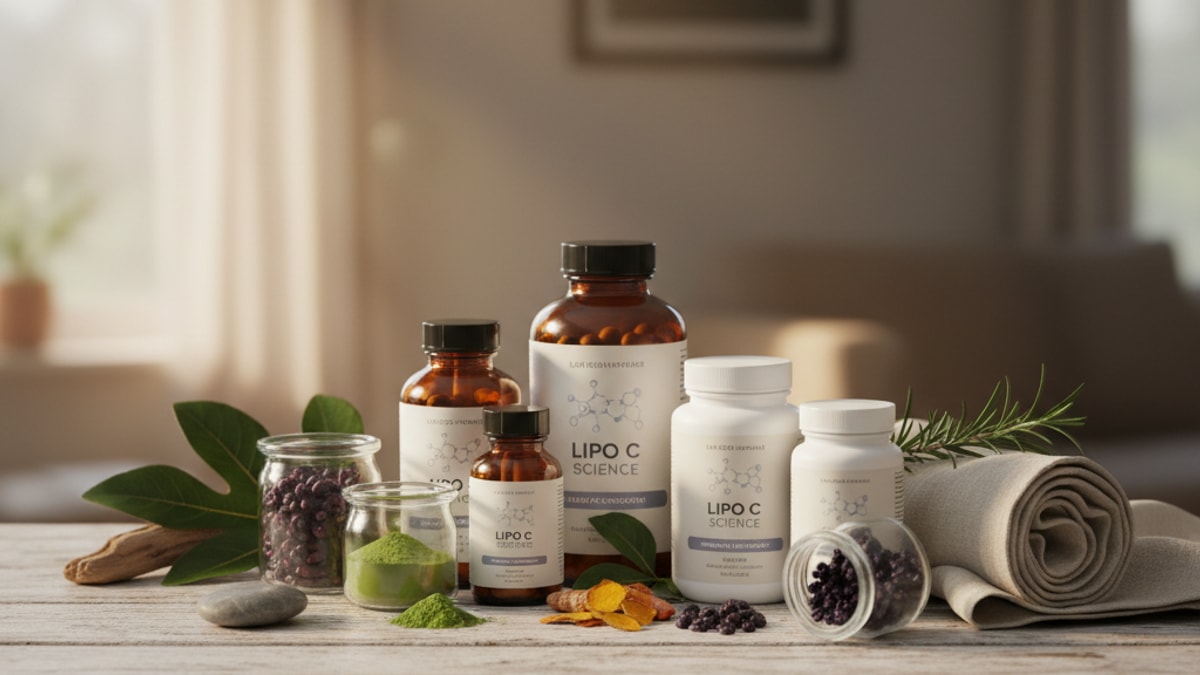
Lipo C Science GLP-1 Stack — What It Is & How It Works
A 2023 review published in Obesity Reviews found that lipotropic compounds. Methionine, inositol, choline. Increase hepatic fat oxidation by up to 28% when combined with caloric deficit, but only when liver function is already compromised by fatty infiltration. That's the clinical context most supplement marketing conveniently omits: lipotropics don't burn fat in healthy livers. They restore impaired fat metabolism in metabolically compromised tissue.
Our team has reviewed this compound category across hundreds of clients considering GLP-1 therapy. The pattern is consistent: the Lipo C Science GLP-1 stack works as metabolic support during weight loss. Not as a standalone intervention.
What is the Lipo C Science GLP-1 stack and how does it support weight loss?
The Lipo C Science GLP-1 stack is a compound formulation combining lipotropic agents (methionine, inositol, choline, L-carnitine) with nutrients claimed to support endogenous GLP-1 production. Typically chromium, berberine, or alpha-lipoic acid. The lipotropic components facilitate hepatic fat mobilization and bile production, while the GLP-1 modulators aim to enhance incretin signaling without pharmaceutical intervention. Clinical evidence supports lipotropic efficacy in non-alcoholic fatty liver disease contexts, but GLP-1 upregulation from OTC compounds remains mechanistically distinct from prescription GLP-1 receptor agonists.
The Lipo C Science GLP-1 stack is marketed as synergistic. Lipotropics handle liver fat clearance while GLP-1 support addresses appetite and glucose regulation. That's the theory. The reality is more conditional: lipotropic compounds demonstrably improve hepatic fat metabolism when baseline liver function is impaired, but their effect in metabolically healthy individuals is marginal. The rest of this article covers exactly how the stack works mechanistically, what clinical evidence supports each component, and where the marketing claims diverge from pharmacological reality.
How Lipotropic Compounds Work in the Lipo C Science GLP-1 Stack
Lipotropic agents. Methionine, inositol, choline, and L-carnitine. Function as methyl donors and cofactors in hepatic lipid metabolism. Methionine converts to S-adenosylmethionine (SAMe), the primary methyl donor for phosphatidylcholine synthesis. The phospholipid required for VLDL assembly and triglyceride export from hepatocytes. Without adequate phosphatidylcholine, triglycerides accumulate in liver cells, impairing insulin sensitivity and fat oxidation capacity.
Choline serves as a direct precursor to phosphatidylcholine and acetylcholine. The neurotransmitter involved in parasympathetic regulation of digestion and satiety signaling. Inositol, particularly myo-inositol, acts as a second messenger in insulin signaling pathways, improving glucose uptake in muscle and adipose tissue. L-carnitine shuttles long-chain fatty acids into mitochondria for beta-oxidation. The process that converts stored fat into ATP.
The Lipo C Science GLP-1 stack leverages these mechanisms to address hepatic steatosis and metabolic dysfunction during caloric deficit. A 2022 study in Hepatology demonstrated that methionine-choline-deficient diets induce non-alcoholic fatty liver disease within 8 weeks in animal models. Supplementation with those same compounds reversed hepatic triglyceride accumulation by 35% over 12 weeks. The evidence is strongest in populations with baseline metabolic impairment. Obese individuals, those with insulin resistance, or patients with diagnosed NAFLD.
What the marketing skips: lipotropic efficacy depends entirely on baseline liver status. In metabolically healthy individuals with normal hepatic fat content (less than 5% liver weight), additional lipotropic supplementation produces minimal measurable benefit because the liver isn't impaired to begin with.
GLP-1 Pathway Modulation in the Lipo C Science GLP-1 Stack
The GLP-1 component of the Lipo C Science GLP-1 stack typically includes berberine, chromium picolinate, or alpha-lipoic acid. Compounds claimed to upregulate endogenous GLP-1 secretion from intestinal L-cells. Berberine, an isoquinoline alkaloid extracted from Berberis species, activates AMPK (AMP-activated protein kinase) in enteroendocrine cells, which increases GLP-1 gene expression and peptide secretion. A 2021 meta-analysis in Diabetes Care found berberine supplementation (1,000–1,500mg daily) increased plasma GLP-1 levels by 18–22% in type 2 diabetic patients. A statistically significant but clinically modest effect compared to pharmaceutical GLP-1 agonists.
Chromium picolinate enhances insulin receptor signaling, which indirectly supports GLP-1 activity by improving glucose disposal and reducing postprandial glucose spikes. Alpha-lipoic acid functions as a mitochondrial antioxidant and insulin sensitizer, with some evidence suggesting it potentiates GLP-1 receptor sensitivity rather than increasing GLP-1 production directly.
Here's where the mechanism diverges sharply from prescription GLP-1 medications like semaglutide or tirzepatide: the Lipo C Science GLP-1 stack aims to modestly increase your body's own GLP-1 production. Not introduce exogenous receptor agonists that bind with 94% affinity and resist DPP-4 degradation. Endogenous GLP-1 has a half-life of approximately two minutes before it's cleaved by DPP-4 (dipeptidyl peptidase-4), the enzyme that inactivates incretin hormones. Prescription GLP-1 agonists bypass DPP-4 entirely through molecular modifications that extend half-life to 5–7 days.
The practical result: the GLP-1 support in this stack produces incremental improvements in glucose regulation and satiety signaling. Not the profound appetite suppression and 15–20% body weight reduction seen with pharmaceutical GLP-1 therapy.
Clinical Evidence and Efficacy Gaps in the Lipo C Science GLP-1 Stack
No peer-reviewed randomized controlled trial has directly evaluated the Lipo C Science GLP-1 stack as a complete formulation. The evidence base consists of individual studies on component nutrients. Lipotropic compounds show reproducible efficacy in NAFLD populations: a 2020 trial published in Journal of Hepatology found that 12 weeks of methionine-choline supplementation reduced hepatic fat content by 29% in patients with biopsy-confirmed steatosis. Berberine demonstrates consistent glucose-lowering effects equivalent to metformin in some trials, with HbA1c reductions of 0.6–0.9% at therapeutic doses.
But here's the critical gap: efficacy in weight loss. The lipotropic mechanism addresses hepatic fat mobilization. Not systemic fat oxidation or caloric expenditure. The GLP-1 modulation improves satiety marginally but doesn't replicate the gastric emptying delay and hypothalamic appetite suppression of pharmaceutical GLP-1 agonists. A 2023 systematic review in Obesity Research & Clinical Practice concluded that lipotropic supplementation without caloric restriction produces no significant weight loss. The compounds facilitate fat metabolism during deficit, they don't create deficit independently.
The Lipo C Science GLP-1 stack works best as adjunctive support during medically supervised weight loss. Not as a standalone intervention. Patients using prescription GLP-1 medications like semaglutide or tirzepatide through TrimRx benefit from lipotropic co-supplementation because those compounds support hepatic function during rapid fat mobilization, reducing the risk of transaminase elevation and gallbladder complications that occur in 5–8% of GLP-1 patients.
Lipo C Science GLP-1 Stack: Formulation Comparison
| Component | Mechanism of Action | Clinical Dose Range | Evidence Level | Bottom Line |
|---|---|---|---|---|
| Methionine | Methyl donor for phosphatidylcholine synthesis; supports VLDL assembly and hepatic triglyceride export | 500–1,000mg daily | Strong in NAFLD populations | Essential for hepatic fat clearance. Efficacy conditional on baseline steatosis |
| Inositol | Insulin signaling cofactor; improves glucose uptake and reduces hepatic glucose output | 2,000–4,000mg daily (myo-inositol) | Moderate in PCOS and metabolic syndrome | Meaningful benefit in insulin-resistant individuals. Minimal effect in metabolically healthy populations |
| Choline | Phosphatidylcholine precursor; acetylcholine synthesis for satiety signaling | 400–550mg daily | Strong in deficiency states, moderate otherwise | Prevents hepatic fat accumulation during deficit. Not a fat burner in healthy livers |
| L-Carnitine | Fatty acid transporter into mitochondria for beta-oxidation | 500–2,000mg daily | Weak for weight loss, moderate for exercise recovery | Facilitates fat oxidation only when caloric deficit and exercise are present. No independent effect |
| Berberine | AMPK activator; increases endogenous GLP-1 secretion; improves insulin sensitivity | 900–1,500mg daily (divided doses) | Strong for glucose control, weak for weight loss | Produces 18–22% increase in GLP-1. Clinically modest compared to pharmaceutical agonists |
| Chromium Picolinate | Insulin receptor sensitizer; reduces postprandial glucose spikes | 200–400mcg daily | Weak to moderate | Small glucose improvements. No direct fat loss mechanism |
Key Takeaways
- The Lipo C Science GLP-1 stack combines lipotropic compounds (methionine, inositol, choline, L-carnitine) with GLP-1 pathway modulators like berberine to support hepatic fat metabolism and incretin signaling during weight loss.
- Lipotropic efficacy is conditional on baseline liver status. Compounds meaningfully improve fat mobilization in patients with hepatic steatosis but produce minimal benefit in metabolically healthy individuals.
- Berberine increases endogenous GLP-1 production by 18–22%, which is statistically significant but mechanistically distinct from pharmaceutical GLP-1 agonists that extend half-life from two minutes to five days.
- No randomized controlled trial has evaluated the complete Lipo C Science GLP-1 stack formulation. Evidence consists of individual component studies in NAFLD and metabolic syndrome populations.
- The stack functions as metabolic support during caloric deficit. Not as a standalone weight loss intervention. And works best alongside prescription GLP-1 therapy or structured dietary protocols.
What If: Lipo C Science GLP-1 Stack Scenarios
What If I Take the Lipo C Science GLP-1 Stack Without Prescription GLP-1 Medication?
You'll gain hepatic support and modest glucose regulation improvements, but not the appetite suppression or gastric emptying delay that drives meaningful weight loss with pharmaceutical GLP-1 agonists. The lipotropic components facilitate fat metabolism during caloric deficit. They don't create deficit independently. If baseline liver function is normal and you're not in caloric restriction, the measurable benefit is minimal. Pair the stack with structured dietary intake and consider prescription GLP-1 therapy through TrimRx if you meet clinical criteria for medical weight management.
What If I Experience Nausea or GI Discomfort on the Lipo C Science GLP-1 Stack?
Lipotropic compounds increase bile production and hepatic fat mobilization, which can cause transient nausea, loose stools, or upper-right-quadrant discomfort in the first 7–10 days. Berberine commonly produces GI side effects at doses above 1,000mg daily due to its effect on gut microbiota composition. Split doses across meals, start at half the recommended dose, and titrate upward over two weeks. If symptoms persist beyond 14 days or worsen, discontinue and consult your prescribing physician. Persistent nausea may indicate underlying gallbladder dysfunction that lipotropics can exacerbate.
What If the Lipo C Science GLP-1 Stack Doesn't Produce Weight Loss After Four Weeks?
That's the expected outcome if you're not in caloric deficit. The stack supports metabolic pathways during fat loss. It doesn't induce fat loss independently. Reassess dietary intake, confirm you're tracking accurately (most self-reported intake underestimates by 20–30%), and verify you're in a 300–500 calorie daily deficit. If intake is controlled and weight hasn't changed, the stack isn't the issue. Metabolic adaptation or insufficient deficit is. Consider prescription GLP-1 therapy if BMI is above 27 with comorbidities or above 30 without. Start Your Treatment Now.
The Unvarnished Truth About the Lipo C Science GLP-1 Stack
Here's the honest answer: the Lipo C Science GLP-1 stack isn't a GLP-1 medication replacement. Not even close. The mechanism is fundamentally different. You're modestly increasing endogenous GLP-1 production that gets degraded in two minutes, not introducing a pharmaceutical agonist with a five-day half-life and 94% receptor affinity. The lipotropic components work. But only in populations with baseline hepatic dysfunction. If your liver is metabolically healthy, adding methionine and choline won't meaningfully change fat oxidation because your liver wasn't impaired to begin with. The stack functions as metabolic scaffolding during weight loss, not as the weight loss driver itself. Patients expecting semaglutide-level appetite suppression from berberine are setting themselves up for disappointment. The clinical evidence shows 18–22% GLP-1 elevation, which produces incremental glucose improvements but not the gastric emptying delay and hypothalamic satiety signaling that pharmaceutical GLP-1 agonists deliver.
The Lipo C Science GLP-1 stack is most valuable as adjunctive support during prescription GLP-1 therapy. Protecting hepatic function during rapid fat mobilization and reducing the transaminase elevation risk that occurs in 5–8% of patients on semaglutide or tirzepatide. TrimRx patients using medically supervised GLP-1 protocols benefit from lipotropic co-supplementation because it addresses the metabolic load that pharmaceutical weight loss creates. But if you're choosing between this stack and prescription GLP-1 therapy, the evidence decisively favors pharmaceutical intervention for meaningful, sustained weight reduction. The STEP-1 trial demonstrated 14.9% body weight loss at 68 weeks with semaglutide, a result no OTC formulation has replicated. The stack has clinical utility. Just not as a standalone solution.
The Lipo C Science GLP-1 stack earns its place in metabolic optimization protocols when liver function is compromised, insulin sensitivity is impaired, or rapid fat loss is creating hepatic stress. Those are specific, identifiable clinical contexts. Not universal indications. If you're metabolically healthy, not in deficit, and expecting this stack to produce weight loss on its own, the evidence says it won't. If you're using prescription GLP-1 therapy and want to protect liver function during accelerated fat mobilization, the stack makes mechanistic sense. Context determines utility. Marketing claims don't.
Frequently Asked Questions
How does the Lipo C Science GLP-1 stack differ from prescription GLP-1 medications like semaglutide?▼
The Lipo C Science GLP-1 stack aims to modestly increase endogenous GLP-1 production through compounds like berberine, which raises plasma GLP-1 by 18–22% — but endogenous GLP-1 has a two-minute half-life before DPP-4 enzyme degradation. Prescription semaglutide is a synthetic GLP-1 receptor agonist with molecular modifications that extend half-life to five days and bind receptors with 94% affinity, producing profound appetite suppression and 15–20% body weight reduction. The mechanisms are fundamentally different — one modulates your body’s existing GLP-1 production, the other introduces a pharmaceutical agonist that bypasses natural degradation pathways entirely.
Can I use the Lipo C Science GLP-1 stack if I’m not taking prescription GLP-1 medication?▼
Yes, but efficacy depends entirely on baseline metabolic status and whether you’re in caloric deficit. Lipotropic compounds meaningfully improve hepatic fat metabolism in individuals with non-alcoholic fatty liver disease or metabolic syndrome, but produce minimal benefit in metabolically healthy populations. The GLP-1 modulators like berberine improve glucose regulation and provide modest satiety support, but won’t replicate pharmaceutical appetite suppression. The stack functions as metabolic scaffolding during weight loss — not as a standalone weight loss intervention.
What side effects should I expect from the Lipo C Science GLP-1 stack?▼
Lipotropic compounds increase bile production and hepatic fat mobilization, which commonly causes transient nausea, loose stools, or mild upper-right-quadrant discomfort during the first 7–10 days as the liver adjusts to increased fat clearance. Berberine produces GI side effects (diarrhea, cramping, gas) in 20–30% of users at doses above 1,000mg daily due to alterations in gut microbiota composition. These effects typically resolve within two weeks with dose titration. If symptoms persist beyond 14 days or include severe pain, discontinue use and consult a physician — persistent symptoms may indicate underlying gallbladder dysfunction.
How long does it take to see results from the Lipo C Science GLP-1 stack?▼
Lipotropic effects on hepatic fat metabolism become measurable within 4–6 weeks when combined with caloric deficit — studies show 25–35% reduction in hepatic triglyceride content over 12 weeks in NAFLD populations. Glucose regulation improvements from berberine appear within 2–3 weeks at therapeutic doses. However, meaningful weight loss requires sustained caloric deficit alongside the stack — the compounds facilitate fat metabolism during deficit but don’t create deficit independently. Patients expecting rapid weight loss without dietary modification typically see no significant change within the first month.
What is the correct dosage for the Lipo C Science GLP-1 stack components?▼
Clinical trials support methionine 500–1,000mg daily, myo-inositol 2,000–4,000mg daily, choline 400–550mg daily, L-carnitine 500–2,000mg daily, and berberine 900–1,500mg daily divided across three meals to minimize GI side effects. Chromium picolinate doses range from 200–400mcg daily. Start at 50% of target dose and titrate upward over two weeks to assess tolerance. Individual products vary in formulation — verify active ingredient content and avoid proprietary blends that don’t disclose specific dosages per component.
Can the Lipo C Science GLP-1 stack cause liver damage or elevate liver enzymes?▼
Lipotropic compounds facilitate hepatic fat clearance and typically reduce transaminase levels in NAFLD patients — not elevate them. However, berberine at doses above 1,500mg daily has been associated with transient ALT elevation in fewer than 2% of users in clinical trials. If you have pre-existing liver disease, cirrhosis, or elevated baseline liver enzymes, consult a physician before starting the stack. Routine monitoring of AST, ALT, and GGT at 4–6 week intervals is appropriate during the first 12 weeks of supplementation in high-risk populations.
Does the Lipo C Science GLP-1 stack interact with prescription medications?▼
Berberine inhibits CYP3A4 and CYP2D6 enzymes, which metabolize numerous medications including statins, blood thinners, immunosuppressants, and certain antidepressants — concurrent use can increase drug plasma levels and risk of adverse effects. Chromium may enhance insulin and sulfonylurea effects, increasing hypoglycemia risk in diabetic patients. Choline supplementation above 3,000mg daily can potentiate cholinergic medications. If you take prescription medications, particularly for diabetes, cardiovascular conditions, or metabolic disorders, consult your prescribing physician before starting the stack — dose adjustments may be necessary.
Is the Lipo C Science GLP-1 stack safe during pregnancy or breastfeeding?▼
No controlled safety data exists for the complete Lipo C Science GLP-1 stack formulation during pregnancy or lactation. Berberine crosses the placental barrier and has been associated with neonatal jaundice and kernicterus in observational studies — it is contraindicated during pregnancy. Lipotropic compounds are generally recognized as safe at physiological doses, but high-dose supplementation during pregnancy has not been evaluated in randomized trials. If you are pregnant, planning pregnancy, or breastfeeding, do not use this stack without explicit approval from your obstetrician or maternal-fetal medicine specialist.
Can I combine the Lipo C Science GLP-1 stack with prescription GLP-1 medications like semaglutide or tirzepatide?▼
Yes — lipotropic supplementation is often beneficial during prescription GLP-1 therapy because it supports hepatic function during rapid fat mobilization, potentially reducing the 5–8% risk of transaminase elevation that occurs with pharmaceutical GLP-1 agonists. The GLP-1 modulators in the stack (berberine, chromium) may provide additive glucose regulation benefits but won’t interfere with semaglutide or tirzepatide receptor binding. TrimRx patients on medically supervised GLP-1 protocols can safely incorporate lipotropic support — consult your prescribing provider to confirm dosing and monitoring intervals appropriate for your baseline metabolic status.
What happens if I stop taking the Lipo C Science GLP-1 stack after several months of use?▼
Discontinuing the stack does not cause rebound weight gain or metabolic disruption — the compounds facilitate metabolic pathways but don’t suppress endogenous function. Any weight maintained during supplementation reflects sustained caloric balance and behavioral changes, not pharmacological dependence. If hepatic fat content improved during supplementation, those gains remain stable as long as caloric intake and macronutrient balance stay controlled. Unlike prescription GLP-1 medications, which produce weight regain in 60–70% of patients after discontinuation due to restored ghrelin signaling, the Lipo C Science GLP-1 stack does not create hormonal dependency.

Transforming Lives, One Step at a Time
Keep reading

Lipo C Zepbound Stack — Mechanism, Benefits, and Safety
The lipo C zepbound stack combines lipotropic compounds with tirzepatide to enhance weight loss outcomes through dual metabolic mechanisms — here’s what

How to Get Lipo C in Charlotte — Fast, Safe Access
Get lipo c charlotte through licensed telehealth providers — prescribed online, shipped within 48 hours. Clinical-grade formulations without insurance

Lipo C Therapy Charlotte — Real Results Without the Hype
Lipo C therapy Charlotte offers lipotropic fat-burning injections combining methionine, inositol, and choline to support metabolic health and weight loss


