Living Far From a Pharmacy on a GLP-1
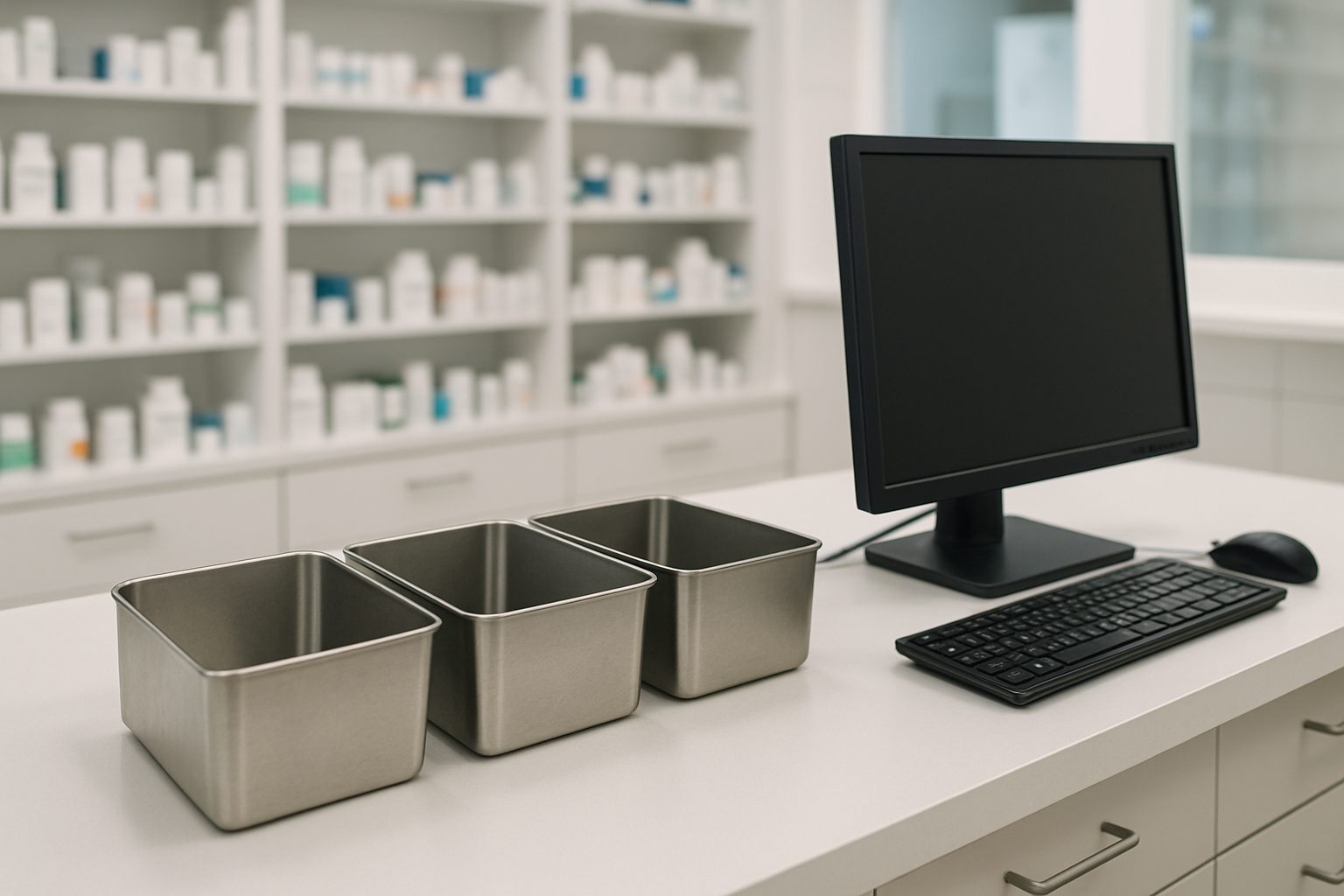
If your nearest pharmacy is an hour’s drive away and your mail comes to a box at the end of a long road, taking a GLP-1 involves a few problems city patients never think about.
Most of them come down to three things: getting the medication to you in good condition, having a buffer when something goes wrong, and knowing who to call.
The delivery problem
These medications are proteins, and proteins are sensitive to temperature. The pharmaceutical literature on protein aggregation shows that heat, freezing, and agitation can all cause proteins to unfold and clump, which can reduce potency without any visible change.
That matters when a package sits in a hot mailbox, a delivery truck, or a freezing porch.
Know when it is arriving. Track every shipment and plan to collect it the same day. A package left in a roadside mailbox in summer is the most common way medication gets damaged in rural areas.
Ask about delivery options. Some pharmacies can ship to a different address, such as a workplace or a neighbor who is home during the day, or hold a package at a local post office or shipping location.
Ask how it is packed. Find out what cold packs and insulation the pharmacy uses and how long they are designed to last.
Check it when it arrives. If cold packs are fully melted, the package is warm, or anything is frozen, contact the pharmacy before using it. Do not decide by appearance.
Avoid weekend and holiday delivery where you can. Packages sitting in a depot over a long weekend are a real risk.
Our guide on storing compounded semaglutide or tirzepatide at home covers what happens once it arrives.
Weather extremes
Rural areas often face the widest swings: very hot summers, hard freezes, and power outages.
Summer: schedule deliveries for days you are home, and never leave medication in a vehicle while running errands in town.
Winter: freezing is worse than heat for these products. A package left outside overnight in a freeze may be unusable.
Power outages: know how long your product can be outside the fridge, which your pharmacy can tell you, and have a plan. A cooler with ice packs kept in the freezer is a simple backup.
Build a buffer
When the next refill is a long drive or a delayed shipment away, running out is more disruptive than it is for someone near a pharmacy.
Order refills early. Do not wait until your last dose. Weather, holidays, and delivery delays can each add days.
Know your pharmacy’s cutoff times so a late order does not slip a week.
Ask your provider what to do if a delivery is late. A dose taken a little late is usually a smaller problem than an improvised solution, but your provider should tell you what applies to you before it happens.
What you should not do is stretch doses to make supply last. Spacing doses out means levels fall between them, appetite returns, and side effects can come back when you resume.
Format can make a difference
Pens and vials differ in how many separate items you handle, what happens if something breaks, and how supplies are shipped. For someone who cannot easily replace a broken item, those differences can matter. Our guide on pens versus vials covers the comparison, and it is a reasonable thing to discuss with your provider.
Consider this scenario: someone on a ranch forty miles from town has their medication delivered to a roadside mailbox on a July Friday. They are working out on the land and do not check the box until Sunday evening. The cold packs are warm and the box is hot. They inject anyway because the next shipment is a week away. Whether the dose was still effective is now unknowable. Delivery to their workplace in town, or a phone call to the pharmacy before using it, would have avoided the problem entirely.
Staying connected to care
Telehealth is often the reason treatment is possible at all in rural areas. Make the most of it.
Keep your contact details current with your provider and pharmacy, including a reliable phone number if internet access is patchy.
Know your nearest urgent care and emergency department and how long it takes to get there. Severe abdominal pain, being unable to keep fluids down, or sudden vision changes are situations where distance matters, so decide in advance where you would go.
Keep your local doctor informed if you have one, so the nearest in-person clinician knows what you take.
Plan labs. If your provider wants blood work, ask whether it can be done at a lab closer to you.
Our guide on getting the most out of your GLP-1 treatment covers what ongoing monitoring should look like.
Dehydration and distance
Physical outdoor work, heat, and distance from care make hydration more important than usual. If you have vomiting or diarrhea, contact your provider early rather than waiting, because by the time you decide you need care it may be a long drive away.
The short version
Track every shipment, collect it the same day, and check it on arrival. Avoid weekend deliveries and ask about delivering to a workplace or holding location. Protect against summer heat, winter freezes, and power outages. Order refills early and never stretch doses. Consider whether a pen or vial suits your situation better. And know in advance where your nearest urgent care is and when to go.
If you want a provider who works with rural patients and ships to where you actually are, TrimRx includes ongoing provider access alongside treatment.
This information is for educational purposes and is not medical advice. Consult with a healthcare provider before starting any medication. Individual results may vary.

Transforming Lives, One Step at a Time
Keep reading

College on a GLP-1: Dining Halls, Dorm Fridges and Exam Weeks
College life is built around irregular meals, shared spaces, late nights, and schedules that change every semester. None of that makes a GLP-1 unworkable,…

Singers on a GLP-1: Reflux, Your Voice and Performance Days
For most people, reflux on these medications is an unpleasant nuisance. For singers, teachers, actors, and anyone else who works with their voice, it…
Firefighters on a GLP-1: 24-Hour Shifts, Heat and Hydration
Firefighting combines things these medications make harder: extreme heat, sudden all-out exertion with no warning, long stretches without a proper meal, and a shift…


