Long-Term Weight Loss Success on GLP-1: Habits That Actually Stick
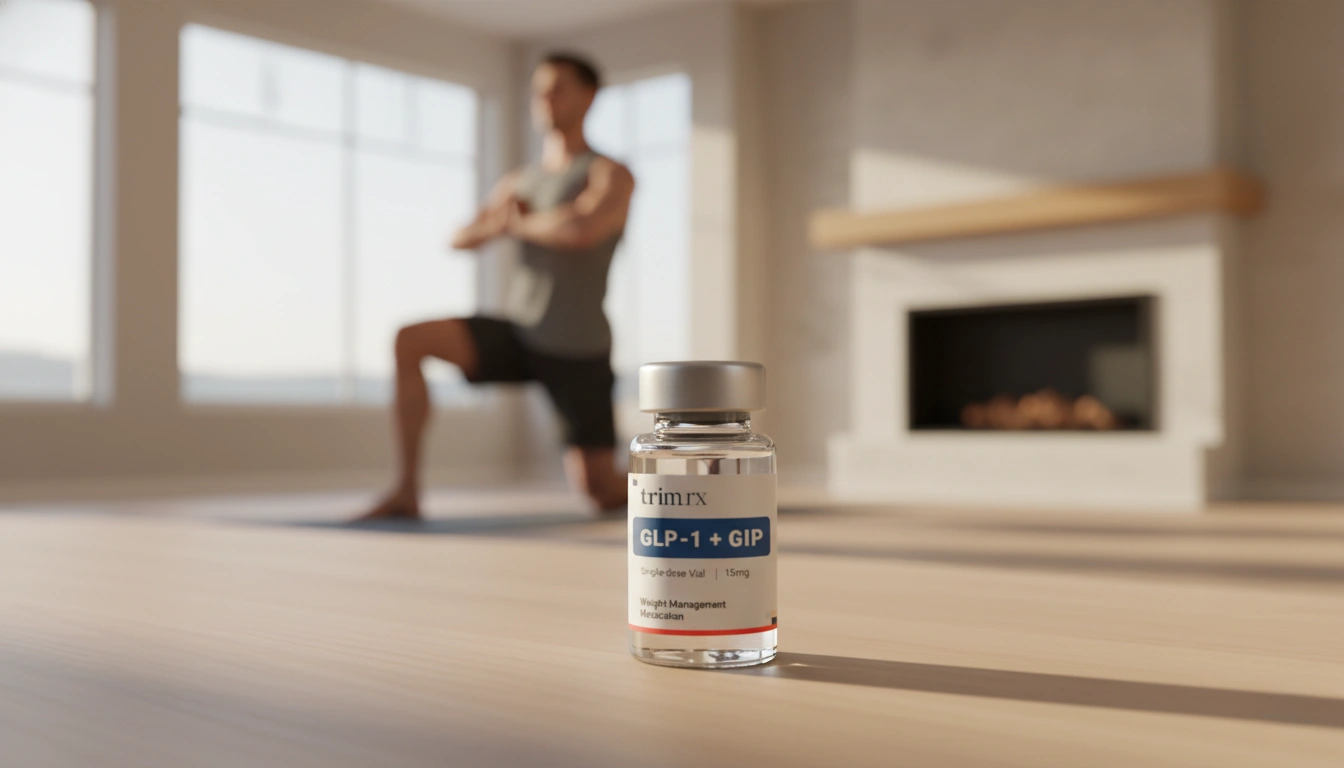
GLP-1 medications are among the most effective weight loss tools ever developed, but they don’t produce identical long-term outcomes for everyone who takes them. Some patients lose significant weight and maintain most of it for years. Others lose well but regain substantially when doses are reduced or treatment stops. The difference between these groups isn’t luck or genetics alone. It’s largely a question of what habits get built during the window of opportunity that GLP-1 treatment creates, and whether those habits are durable enough to carry results forward when the medication is doing less of the heavy lifting.
This article is about the habits that actually move the needle on long-term success, not the ones that sound good in theory but don’t hold up in practice.
Why the Treatment Window Is an Opportunity, Not a Guarantee
GLP-1 medications create a biological window that most people have never had before: a period where appetite is significantly reduced, food noise is quieter, calorie-dense foods are less appealing, and eating well feels genuinely easier than it ever has. For patients who have struggled with weight for years or decades, this window can feel almost miraculous.
The question is what you do with it. The patients who achieve the best long-term outcomes are those who treat the reduced appetite as an opportunity to build new eating and lifestyle patterns rather than simply eating less of the same things they ate before. The medication suppresses hunger. It doesn’t automatically install new habits. That part requires deliberate effort during the window when that effort is biologically easiest.
The article on how to get the most out of your GLP-1 treatment covers this opportunity framing in detail and is a useful starting point for patients early in treatment who want to be intentional about what they’re building during the active loss phase.
Habit One: Protein at Every Meal, Non-Negotiably
If there is one nutritional habit that has the strongest evidence base for long-term weight maintenance, it is consistent, adequate protein intake. And if there is one habit that GLP-1 patients are most at risk of losing when appetite suppression fades, it is also protein intake, because protein requires planning and intentionality in a way that reaching for convenient, calorie-dense food does not.
The mechanism is straightforward. Protein is the most satiating macronutrient per calorie. It has a higher thermic effect than fat or carbohydrates, meaning the body burns more energy processing it. It preserves lean muscle mass during caloric restriction, which supports resting metabolic rate. And it blunts the blood sugar swings that drive cravings and hunger rebounds between meals.
The patients who maintain weight loss best after GLP-1 treatment are consistently those who have made protein intake a non-negotiable structure rather than an aspiration. This means knowing what 30 to 40 grams of protein per meal looks like, having reliable high-protein options for every meal context including travel and restaurants, and prioritizing protein before other food groups at each eating occasion without exception.
Building this habit during treatment, when reduced appetite makes it easy to fill a smaller stomach with protein rather than less nutritious options, is significantly easier than trying to establish it after stopping when hunger has returned and old patterns are reasserting themselves.
Habit Two: Strength Training as a Non-Negotiable, Not an Add-On
The research on weight maintenance is consistent on one point that surprises many patients: cardiovascular exercise, while beneficial for health in many ways, is a less reliable predictor of long-term weight maintenance than resistance training. The reason is metabolic. Muscle mass is the primary driver of resting energy expenditure, the calories you burn just existing. Losing muscle during weight loss, which is biologically likely without deliberate intervention, reduces resting metabolic rate and makes weight maintenance harder over time.
GLP-1 treatment creates meaningful muscle loss risk because it drives significant caloric restriction, and the body responds to caloric restriction partly by breaking down muscle for fuel when protein intake and resistance training aren’t sufficient to prevent it. Patients who combine GLP-1 medications with consistent resistance training preserve significantly more muscle than those who rely on the medication alone, and that preserved muscle provides metabolic protection that extends well beyond the treatment period.
The practical standard for most patients is two to three resistance training sessions per week with progressive overload, meaning the weight or resistance increases over time rather than staying static. This doesn’t require a gym membership or complex programming. Bodyweight exercises, resistance bands, and simple dumbbell movements done consistently produce meaningful results when the principle of progressive challenge is applied.
The articles on strength training on ozempic and body recomposition on semaglutide cover the specifics of resistance training during GLP-1 treatment in detail.
Habit Three: Eating Structure That Doesn’t Depend on Appetite
One of the most common patterns among patients who regain weight after GLP-1 treatment is that they were eating well during treatment not because they had a structure but because they weren’t hungry. When hunger returns, the structure that seemed to exist turns out to have been entirely propped up by the medication’s appetite suppression. Without it, eating reverts to whatever it was before treatment.
Durable eating structure looks different. It means having consistent meal timing, specific go-to meals that hit protein and fiber targets reliably, a food environment that makes the right choice the easy choice, and a relationship with eating that doesn’t depend on being suppressed to function.
The patients who build this structure during treatment and maintain it afterward are the ones who do best long-term. The specific structure matters less than the consistency. A patient who eats three structured meals a day at consistent times with reliable protein sources and minimal processed food is better positioned for long-term maintenance than a patient who eats perfectly by GLP-1 standards during treatment but has no underlying structure to revert to when appetite returns.
Habit Four: Managing Food Noise Before It Manages You
Food noise, the mental preoccupation with food and eating that GLP-1 medications quiet so effectively, is not eliminated by treatment. It is suppressed. For most patients, it returns to some degree when doses are reduced or treatment stops, and the speed and intensity of that return varies significantly between individuals.
The patients who navigate this best are those who developed specific strategies for managing food noise during treatment, when the noise was quieter and the strategies were easier to practice, rather than waiting until the noise has returned at full volume. This is the behavioral equivalent of building flood defenses before the storm rather than during it.
Useful strategies include identifying the specific triggers that activate food noise for you individually, having a non-food response ready for each trigger, practicing delayed response to cravings during treatment so the skill is established before it’s tested, and addressing underlying emotional patterns that drive eating through therapy or structured behavioral work rather than relying on appetite suppression to paper over them.
The articles on food noise and GLP-1 and stress eating on semaglutide are directly relevant to this habit and worth revisiting periodically during treatment.
Habit Five: Consistent Monitoring Without Obsession
Long-term weight maintenance research consistently identifies self-monitoring, particularly regular weighing, as one of the strongest behavioral predictors of sustained results. The mechanism is simple: regular data gives you early warning of trends before they become significant problems and keeps weight management behaviorally salient rather than drifting to the background of attention.
The patients who maintain best tend to weigh themselves at least weekly, at consistent conditions, and respond to upward trends at the five to seven pound level rather than waiting until regain is significant before acting. They don’t panic over normal fluctuations of two to three pounds, but they treat consistent upward trends as a signal that something needs to adjust, whether that’s a dietary pattern, an exercise habit, a stress level, or a medication conversation with their provider.
The goal is monitoring without obsession, a distinction that matters for psychological health. Daily weighing can cross into obsessive territory for some patients and should be assessed individually. Weekly weighing with context from monthly measurements and periodic labs strikes the right balance for most people.
Habit Six: Keeping Your Provider in the Loop
Long-term success on GLP-1 medications is not a solo project. The patients who do best are those who maintain an ongoing clinical relationship rather than treating the prescription as a set-it-and-forget-it arrangement.
This means regular check-ins even during stable periods, prompt communication when weight trends are concerning, and honest conversations about whether the current approach is working rather than suffering in silence when it isn’t. A provider who knows your history, your patterns, and your goals can offer guidance that generic advice cannot, including whether a dose adjustment, a medication change, or a restart makes clinical sense at any given point in your journey.
TrimRx’s telehealth model is designed for exactly this kind of ongoing relationship. Access to clinical support doesn’t require a scheduled in-person appointment, which removes the friction that leads many patients to defer conversations they should be having.
The Long View
Long-term success on GLP-1 medications is better understood as an ongoing process than a finished achievement. Weight management for patients with obesity is a lifetime project, and GLP-1 medications are powerful tools within that project rather than solutions that complete it.
The habits described here, protein intake, resistance training, eating structure, food noise management, consistent monitoring, and provider engagement, are not temporary strategies for the treatment period. They’re the foundation of a sustainable approach to weight and health that serves you whether you’re on medication, tapering, maintaining, or restarting.
If you’re considering starting GLP-1 treatment and want to do it with a long-term plan from the beginning, take the TrimRx intake quiz to find out whether you’re a candidate for compounded semaglutide or tirzepatide with ongoing clinical support.
This information is for educational purposes and is not medical advice. Consult with a healthcare provider before starting any medication. Individual results may vary.

Transforming Lives, One Step at a Time
Keep reading

Construction Work in Summer on a GLP-1
Summer on a job site means early starts, heavy physical work, direct sun or hot interiors, and lunch from a cooler or the back…

Colonoscopy Prep on a GLP-1
If you are on a GLP-1 and have a colonoscopy, upper endoscopy, or any procedure with sedation coming up, the single most important step…

Clergy and Community Meals on a GLP-1
For pastors, priests, rabbis, imams, chaplains, and other community leaders, food is part of the work. Potlucks, fellowship dinners, holiday meals, funeral receptions, and…


