How Long Can I Go Between Wegovy Shots?
Introduction
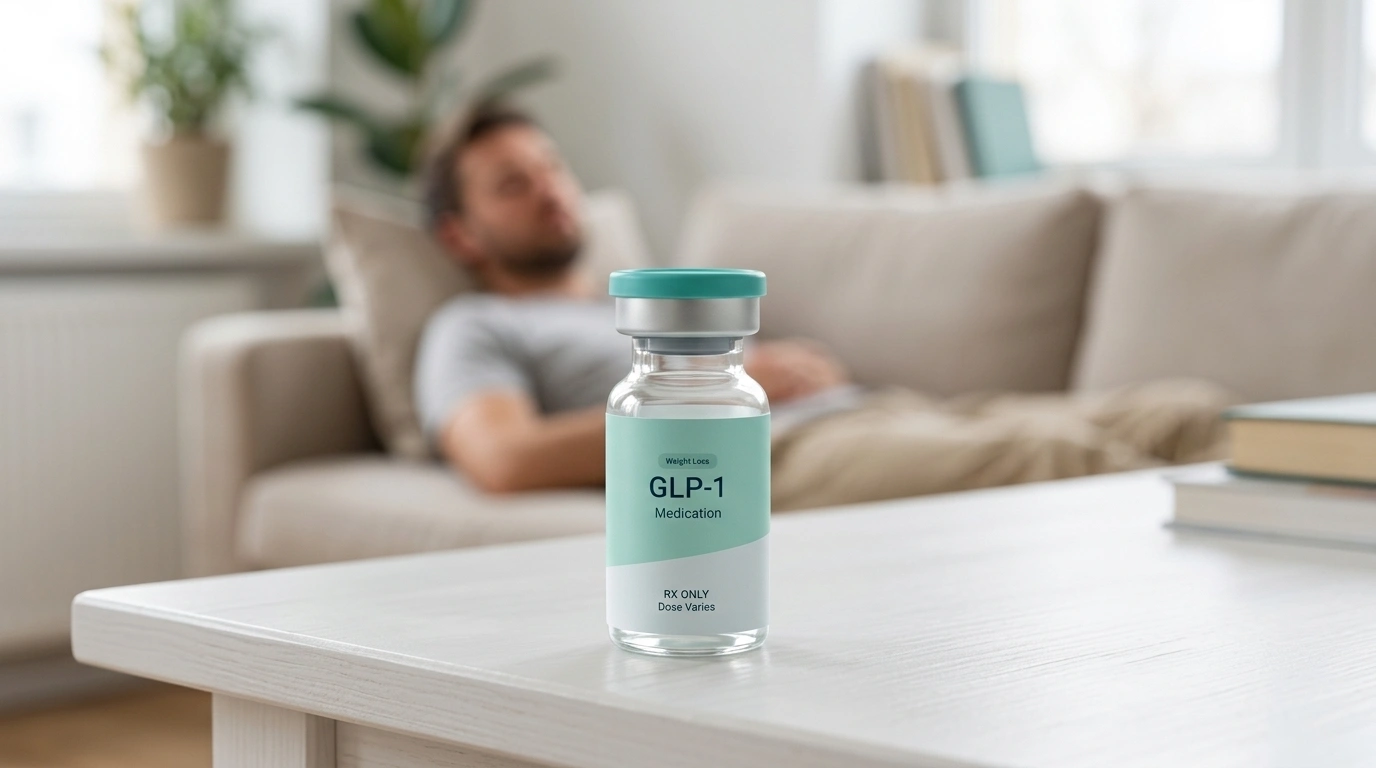
Life is rarely predictable. Whether you are traveling for work, facing a sudden change in your schedule, or simply forgot to pack your medication for a weekend getaway, you might find yourself staring at the calendar and wondering how a delay will affect your progress. The question of how long you can go between Wegovy® shots is one of the most common concerns for those on a weight loss journey. While the medication is designed for a strict weekly rhythm, there is a small window of flexibility built into the protocol.
At TrimRx, we understand that managing a prescription program requires both clinical precision and real-world adaptability. This article will explain the safety window for late doses, what happens to your body when semaglutide levels drop, and how to get back on track without triggering unwanted side effects. Our goal is to provide you with the clarity needed to navigate these interruptions with confidence, ensuring your metabolic health remains the priority. For a broader overview of missed injection timing, read our guide on what to do if you miss a dose of GLP-1 medication.
The Standard Dosing Schedule
The foundational rule for Wegovy® is simple: it is a once-weekly subcutaneous injection. This means you should aim to take your dose on the same day every week, at any time of day that is convenient for you. This consistency is not just about building a habit; it is about maintaining a steady concentration of the medication in your bloodstream.
When you begin your journey, you follow a titration schedule. This is a process where the dosage is gradually increased every four weeks. Most people start at 0.25 mg per week and eventually move toward a maintenance dose of 1.7 mg or 2.4 mg. This slow increase allows your brain and digestive system to adjust to the presence of the medication, which mimics a natural hormone called glucagon-like peptide-1 (GLP-1).
Why the Weekly Rhythm Matters
The reason for the seven-day interval lies in the pharmacology of semaglutide. Semaglutide is a GLP-1 receptor agonist, a class of drugs that helps regulate appetite and blood sugar by signaling to the brain that you are full and slowing down stomach emptying. Because the medication has a “half-life” of approximately seven days—meaning it takes a week for half of the drug to leave your system—a weekly shot ensures that the level of medication remains stable enough to suppress hunger consistently. You can also review how GLP-1 medications work for additional background.
The 48-Hour Rule for Missed Doses
If you realize you have missed your scheduled dose, the first step is to check the clock. The official guidance for a late dose depends entirely on how much time has passed and when your next regularly scheduled dose is due.
If your next dose is more than two days (48 hours) away: You should administer the missed dose as soon as you remember. After taking the late shot, you can then resume your next dose on your usual scheduled day. For example, if you normally take your shot on Sunday but forget until Tuesday morning, you can take it Tuesday and still take your next regular dose the following Sunday.
If your next dose is less than two days (48 hours) away: You should skip the missed dose entirely. Do not try to “double up” or take two doses close together to make up for the lapse. Instead, wait until your next regularly scheduled day and take your normal dose then. If you are considering prescription treatment or need help getting started, you can complete a free eligibility assessment.
Quick Answer: You can safely take a late Wegovy® shot if it is within five days of your original scheduled date. If you are more than five days late (meaning your next dose is less than 48 hours away), skip the dose and wait for your next scheduled day.
Visualizing the Decision Process
| Time Since Missed Dose | Action to Take | Next Step |
|---|---|---|
| 1–48 Hours Late | Take dose immediately | Resume normal schedule |
| 49 Hours to 5 Days Late | Take dose immediately | Resume normal schedule |
| More than 5 Days Late | Skip the missed dose | Take next dose on normal day |
| 2 or More Weeks Late | Contact your provider | May need to restart titration |
What Happens When You Go Too Long Between Shots?
Understanding what happens inside your body when you miss a dose can help alleviate the anxiety associated with a schedule slip. Because semaglutide stays in your system for several weeks, a single delay of a few days is unlikely to cause a total loss of progress. However, certain changes will begin to occur as the concentration of the medication dips. For more on common reactions, read what to expect from common GLP-1 side effects.
The Return of “Food Noise”
Many people report the return of “food noise”—persistent, intrusive thoughts about eating—when a dose is delayed. As the levels of the hormone mimic drop, the signal to your brain that you are satisfied becomes weaker. You may notice your appetite returning to its pre-medication levels, and you might find it harder to resist cravings or manage portion sizes.
Blood Sugar Fluctuations
For those using these medications to support metabolic health, a missed dose can lead to less stable blood sugar levels. While Wegovy® is specifically indicated for weight management, its underlying mechanism affects how your body processes glucose. Consistency helps keep these levels on an even keel.
Digestion Speed Changes
One of the primary ways GLP-1 medications work is by slowing gastric emptying, which is the speed at which food leaves your stomach. When you go too long between shots, your digestion may begin to speed back up. While this might temporarily reduce feelings of bloating, it also means you will feel hungry much sooner after a meal.
The Risk of Missing Multiple Doses
The situation becomes more complex if you go more than two weeks without a shot. This is where the risk of side effects increases significantly. If you have been off the medication for 14 days or longer, the amount of semaglutide in your system has dropped substantially.
If you were to suddenly reintroduce a high dose (such as 1.7 mg or 2.4 mg) after a two-week break, your body may react poorly. This can lead to intense gastrointestinal distress, including severe nausea, vomiting, or diarrhea. Your system has essentially “lost its tolerance” to the higher dose.
If you miss two or more consecutive doses, you must consult a licensed healthcare provider. They may advise you to step back down to a lower dose and restart the titration process to ensure your body can readapt safely. This is a common safety protocol used in the personalized programs we facilitate through our platform to ensure patient comfort and safety.
Why People “Stretch” Doses (And Why It Is Risky)
In some online communities, you may see individuals discussing “dose stretching”—intentionally waiting 10 or 14 days between shots rather than seven. People often consider this for three main reasons: managing side effects, dealing with supply shortages, or trying to reduce the frequency of injections.
Side Effect Management
Some users feel that the peak concentration of the drug (usually 1–3 days after the shot) causes too much nausea. They hope that by waiting longer, they can find a “sweet spot” where they have some appetite suppression without the discomfort. However, this creates a “roller coaster” effect in the bloodstream, which can actually make side effects more unpredictable in the long run.
Supply and Accessibility
National shortages of branded medications like Wegovy®, Ozempic®, Mounjaro®, and Zepbound® have led many to ration their supply. While it is a frustrating reality, stretching doses without medical supervision can stall your weight loss journey and make it harder to maintain the metabolic changes you have achieved.
Hunger and “The Gap”
Clinical data suggests that the most effective results come from a consistent, steady state of the medication. When you stretch the interval to 14 days, you spend the second week with very low levels of the drug in your system. This often leads to “rebound hunger,” where the caloric deficit created in the first week is erased by overeating in the second week.
Key Takeaway: While the medication remains in your system for weeks, the therapeutic level required to suppress appetite effectively usually begins to wane after 7 to 9 days. Consistency is the key to sustainable weight loss.
How to Stay on Track: A Step-by-Step Guide
If you find it difficult to remember your weekly shot, creating a system is essential. Consistency is the most significant predictor of success in any long-term weight loss program.
- Step 1: Choose a “Low-Stakes” Day. Many people find that Friday or Saturday evening is the best time for their shot. This allows any initial fatigue or nausea to occur over the weekend rather than during the workweek.
- Step 2: Set a Recurring Digital Alert. Use a phone alarm or a calendar notification that repeats every seven days. Do not rely on memory alone.
- Step 3: Keep a Physical Log. Mark your injection site and the date on a paper calendar or in a health app. Rotating injection sites (thigh, abdomen, or upper arm) is important for skin health, and a log helps you keep track.
- Step 4: Prepare for Travel Early. If you are traveling, check if your medication needs refrigeration and ensure you have a travel cooler if necessary. If you cannot take your pen with you, talk to your provider about how to adjust your schedule before you leave.
The Role of Personalized Telehealth
Navigating the nuances of GLP-1 medications can be overwhelming, especially when life gets in the way of your dosing schedule. This is why a telehealth-first approach can be so beneficial. At TrimRx, we connect you with licensed healthcare providers who specialize in weight management and can offer guidance when you hit a snag like a missed dose.
Our platform focuses on personalized programs tailored to your specific health profile. Whether you are using compounded semaglutide or navigating the requirements of branded options, having 24/7 access to specialists means you never have to guess about your next step. If you miss a dose or experience a change in your routine, we are here to help you adjust your plan without losing momentum. If you are ready to explore whether a personalized program may fit your goals, see if you qualify for a personalized program.
Compounded Medications and Accessibility
For many, the biggest obstacle to consistency is accessibility. While we do not provide branded medications, we facilitate access to compounded semaglutide and compounded tirzepatide. These medications are prepared by FDA-registered and inspected compounding pharmacies.
While compounded versions are not FDA-approved, they are often a preferred route for those who need a more consistent supply or a personalized dosage that fits their body’s unique needs. This can help reduce the frequency of “forced” breaks in treatment caused by national shortages of branded products.
Support Beyond the Injection
While the timing of your shots is critical, weight loss is a multi-faceted process. If you do find yourself in a “gap week” where your dose is delayed, you can lean on other tools to maintain your progress.
Nutrition and Fiber
When the appetite-suppressing effects of the medication begin to fade, focus on high-protein and high-fiber foods. Protein helps trigger natural fullness signals, while fiber slows down digestion. This can help bridge the gap until your next dose. We often suggest supplements like GLP-1 Daily Support to help maintain nutrient balance and digestive comfort during these transitions.
Hydration
Dehydration can often be mistaken for hunger. If you are late on a dose and feel cravings returning, ensure you are drinking plenty of water. Proper hydration also helps mitigate the gastrointestinal side effects that can occur when you resume your medication.
Movement
Physical activity is a vital pillar of the TrimRx mission. Even a 15-day break from medication shouldn’t mean a break from movement. Staying active helps maintain your metabolic rate and keeps your mindset focused on your long-term goals.
Managing the “Restart” After a Long Break
If you have gone more than two or three weeks between shots, do not simply take your next high-dose injection. This is the most common mistake patients make, and it often leads to a visit to the doctor due to severe vomiting or dehydration.
- Consult your provider first. They will evaluate where you were in your titration and determine the safest dose to restart with.
- Monitor your symptoms. When you restart, pay close attention to how your body reacts. Even if you were fine on a specific dose before, your body might be more sensitive after a break.
- Prioritize bland foods. For the first 48 hours after restarting, stick to easy-to-digest foods like crackers, toast, or bananas to minimize stomach upset.
Bottom line: A delay of 1 to 5 days is manageable by simply taking the dose when you remember. Any delay longer than that requires a skip or a medical consultation to avoid significant side effects upon restarting.
Conclusion
Consistency is the heartbeat of a successful weight loss journey. While Wegovy® is designed for a precise weekly schedule, the most important thing is how you respond when that schedule is interrupted. By following the 48-hour rule and staying in close communication with your healthcare team, you can manage delays without derailing your progress.
At TrimRx, our mission is to help you embrace a healthier lifestyle through science, empathy, and a transparent approach. We believe that weight loss is not a test of perfection but a journey of persistence. Whether you are just starting or are navigating the complexities of long-term maintenance, we provide the tools and medical supervision necessary to help you succeed.
If you are ready to take the next step toward a personalized weight loss program, we invite you to take the free assessment quiz. This quiz helps our partner providers understand your unique health profile and determine the best course of action for your goals. If you are already on your journey and looking for ways to optimize your results, our range of support supplements for weight loss is available for immediate purchase to help you feel your best every day.
FAQ
What should I do if I am exactly 3 days late for my Wegovy shot?
If you are 3 days late, you are still within the safe window to take your medication. Administer your dose as soon as you realize the mistake, and then return to your regular scheduled day for the next week. Since your next dose is still more than 48 hours away, this is the recommended path to maintain steady levels in your system.
Can I change my injection day if my current one is no longer convenient?
Yes, you can change your injection day as long as it has been at least 2 days (48 hours) since your last dose. For example, if you usually take your shot on Monday but want to switch to Friday, you can simply wait until Friday to take your next dose. Just ensure you don’t take two doses within a 48-hour window.
Does the time of day I take my shot affect how well it works?
The time of day does not significantly impact the effectiveness of the medication. Some people prefer taking it at night to sleep through any initial nausea, while others prefer the morning to stay consistent with other routines. The most important factor is the day of the week rather than the hour of the day. For additional context about GLP-1 treatment basics, read what GLP-1 means and how it works.
Will I gain weight if I miss one week of my medication?
Missing a single week is unlikely to cause significant weight regain, as the medication stays in your system for several weeks. However, you may experience increased hunger and the return of cravings. By focusing on high-protein foods and staying active during the “gap,” you can usually maintain your weight until your next dose.
Disclaimer: This content is for informational purposes only and does not constitute medical advice. It is not intended to diagnose, treat, cure, or prevent any disease or condition. Individual results may vary. Always consult a qualified healthcare professional before starting any weight loss program or medication.

Transforming Lives, One Step at a Time
Keep reading
Wegovy Prior Authorization Approved, Then Reversed: What Happens Now
Getting an approval and then losing it is worse than never being approved, and not only because of the medication. You made a plan…
Can the Wegovy Pill Hold the Weight You Lost on Semaglutide Injections?
Most likely yes, once you reach the maintenance dose. The risk is not the destination but the trip: switching means restarting titration on the…
Wegovy Alternatives: What Else Works for Weight Loss
If Wegovy isn’t working out, the strongest alternative is tirzepatide (Zepbound), which tends to produce more weight loss, followed by other GLP-1 options and…


