Managing Hormonal Balance: Does Ozempic Help with PCOS Symptoms and Weight Loss?
Introduction
Nearly one in ten women of reproductive age worldwide lives with the daily complexities of Polycystic Ovary Syndrome (PCOS). This condition is far more than just a reproductive issue; it is a metabolic storm that can lead to persistent weight gain, skin concerns, and a frustrating sense of being out of sync with one’s own body. For those who have spent years navigating the cycle of restrictive diets and intensive exercise with little to show for it, the emergence of GLP-1 medications has raised a vital question: Does Ozempic help with PCOS symptoms?
The significance of this topic cannot be overstated. PCOS is one of the leading causes of infertility and is intrinsically linked to insulin resistance, a precursor to type 2 diabetes. Historically, management has relied heavily on oral contraceptives and metformin. However, recent developments in telehealth and pharmaceutical innovation have opened new doors. At TrimRx, our journey began with a shared vision to help individuals embrace healthier lifestyles by merging cutting-edge telehealth innovations with effective weight loss solutions. We understand that for those with PCOS, sustainable weight loss should be achieved through science, empathy, and a transparent approach.
The purpose of this blog post is to provide an in-depth exploration of how Ozempic (semaglutide) and similar medications may assist in managing the multifaceted symptoms of PCOS. We will cover the physiological mechanisms of these medications, the current research surrounding their off-label use for hormonal health, and the practical considerations for anyone considering this path. By the end of this article, you will have a clear understanding of the potential benefits, risks, and the importance of a personalized treatment plan.
Are you curious about how modern medical science can be tailored to your unique hormonal profile? Whether you are struggling with irregular cycles or stubborn metabolic hurdles, the following sections will break down the science into digestible insights. We believe our brand’s commitment to transparent service and medically supervised care makes this guide a unique resource in your health journey.
In the sections ahead, we will delve into the core symptoms of PCOS, the mechanism of GLP-1 receptor agonists, and the specific ways these medications may influence insulin sensitivity, weight management, and fertility. We will also discuss the safety profile of these treatments and how to integrate them into a holistic lifestyle. Together, we’ll explore how a science-backed, supportive approach can help you regain control over your metabolic health.
The Complex Intersection of PCOS and Metabolic Health
Polycystic Ovary Syndrome is a complex endocrine disorder that affects millions. To understand if Ozempic is a viable tool, we must first understand the “why” behind the symptoms. PCOS is characterized by a hormonal imbalance where the ovaries produce an excess of androgens—hormones often associated with male traits but present in all individuals. This imbalance disrupts the natural ovulation process, leading to the formation of small, fluid-filled sacs on the ovaries.
Identifying the Core Symptoms of PCOS
The symptoms of PCOS are diverse and often vary significantly from one person to another. Common signs include:
- Irregular Menstrual Cycles: This often manifests as infrequent, prolonged, or absent periods.
- Hyperandrogenism: Physical signs of elevated male hormones, such as acne, thinning hair on the scalp (female pattern baldness), and hirsutism (unwanted hair growth on the face or body).
- Metabolic Issues: Difficulty losing weight, particularly around the midsection, and a higher risk of developing type 2 diabetes.
- Skin Changes: Darkening of the skin in creases (acanthosis nigricans), which is a physical marker of insulin resistance.
If you recognize these patterns in your own life, you are not alone. Taking the first step toward clarity is essential. To see if you qualify for a tailored medical plan, we invite you to take our free assessment quiz and discover which solutions might align with your goals.
The Role of Insulin Resistance in PCOS
Insulin resistance is the silent driver behind most PCOS cases. It is estimated that up to 80% of women with PCOS have some level of insulin resistance. In this state, the body’s cells do not respond effectively to insulin, the hormone responsible for moving sugar from the bloodstream into the cells for energy. To compensate, the pancreas pumps out more insulin.
High levels of insulin act as a double-edged sword. Not only does excess insulin promote fat storage and make weight loss incredibly difficult, but it also directly stimulates the ovaries to produce more testosterone. This creates a feedback loop: insulin resistance worsens the hormonal imbalance, and the hormonal imbalance makes the metabolic state harder to manage. This is where the question “Does Ozempic help with PCOS symptoms?” becomes so relevant, as the medication is specifically designed to address the root of insulin-related issues.
How Ozempic Works: A Physiological Overview
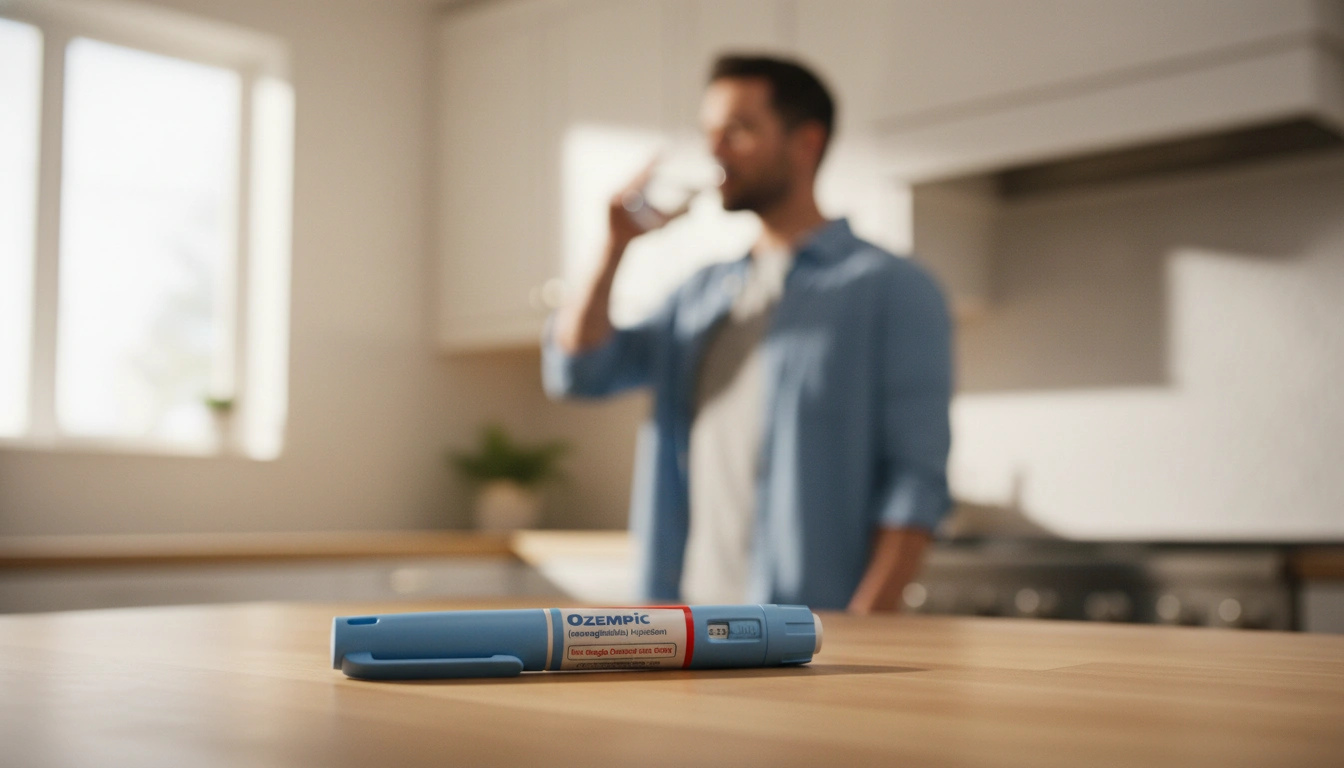
Ozempic is a brand-name medication containing semaglutide. While it is FDA-approved primarily for the treatment of type 2 diabetes and the reduction of cardiovascular risks in those patients, its mechanisms have profound implications for PCOS management.
The Science of GLP-1 Receptor Agonists
Semaglutide belongs to a class of drugs known as GLP-1 (glucagon-like peptide-1) receptor agonists. In a healthy body, GLP-1 is a natural hormone released by the gut after eating. It signals the pancreas to release the right amount of insulin and tells the liver to stop producing excess sugar.
When we use Ozempic, we are essentially amplifying these signals. For someone with PCOS, this means the body can handle glucose more efficiently, potentially lowering the high circulating insulin levels that drive androgen production. It’s important to note that while we provide access to branded medications like Ozempic® and Zepbound®, which are FDA-approved for their specific indications, many individuals find success through our personalized programs. These programs include options like Compounded Semaglutide or Oral Semaglutide, which are prepared by FDA-registered and inspected pharmacies to meet individual needs.
Beyond Blood Sugar: Effects on Appetite and Satiety
One of the most notable effects of GLP-1 medications is how they interact with the brain. They act on the hypothalamus, the area responsible for hunger and fullness. By slowing down “gastric emptying”—the rate at which food leaves the stomach—these medications help individuals feel fuller for longer periods.
For many with PCOS, “food noise” or constant cravings can be a major barrier. By quieting these signals, Ozempic makes it easier to adhere to a healthy eating plan. This isn’t about “willpower”; it’s about correcting a physiological imbalance that has made weight management feel like an uphill battle. To complement these metabolic changes, many of our members incorporate our Weight Loss Boost supplement into their routine to support energy levels and overall wellness.
Does Ozempic Help with PCOS Symptoms?
While the FDA has not specifically approved Ozempic for PCOS, healthcare providers frequently prescribe it off-label because of its ability to target the underlying metabolic dysfunction of the condition.
Addressing Insulin Sensitivity and Glucose Regulation
The primary way Ozempic may help with PCOS is by improving insulin sensitivity. By helping the body use insulin more effectively, the medication can lower the overall levels of insulin in the blood. When insulin levels drop, the ovaries are often less stimulated to produce excess testosterone. This can lead to a reduction in androgenic symptoms like cystic acne and unwanted hair growth.
Research has shown that improving metabolic health in this way can have a “trickle-down” effect on almost every other symptom of PCOS. By stabilizing blood sugar, we are not just managing weight; we are resetting the hormonal foundation.
Impact on Weight Management and Fat Distribution
Weight gain in PCOS is often centralized around the abdomen, which is a hallmark of metabolic distress. Clinical observations suggest that individuals with PCOS who use GLP-1 medications may see significant improvements in body mass index (BMI) and waist circumference.
Losing even 5% to 10% of body weight can significantly improve the clinical outcomes of PCOS. It can restore regular ovulation and improve the body’s inflammatory markers. At TrimRx, we believe that sustainable weight loss should be attainable and tailored to the individual. Whether you are considering Ozempic®, Wegovy®, or Compounded Tirzepatide, our goal is to provide a user-friendly and supportive space where individuals receive personalized care.
Hormonal Rebalancing and Menstrual Regularity
When the metabolic environment improves, the reproductive system often follows suit. Many patients reporting on the use of semaglutide have noted that their menstrual cycles become more predictable. This is likely because the reduction in androgens allows the pituitary gland and the ovaries to communicate more effectively, leading to more consistent egg development and ovulation.
A regular cycle is more than just a convenience; it is a sign that the body’s hormonal symphony is returning to a state of balance. This rebalancing can also alleviate the mood swings and fatigue often associated with the hormonal fluctuations of PCOS.
The Connection to Fertility and Ovulation
PCOS is a leading cause of infertility, primarily because the hormonal imbalance prevents regular ovulation. By improving insulin sensitivity and aiding weight loss, Ozempic may indirectly support fertility. Some individuals have even experienced what the internet calls “Ozempic babies”—unexpected pregnancies occurring after a period of infertility once they started GLP-1 therapy.
However, a word of extreme caution is necessary here. Ozempic and other semaglutide medications are not safe for use during pregnancy. Current medical consensus recommends that individuals stop taking these medications at least two months before attempting to conceive. If you are planning a family, it is vital to discuss your timeline with a healthcare professional to ensure a safe transition.
Navigating the TrimRx Approach to Personalized Care
We believe that no two journeys are the same. Our brand is empathetic, innovative, and results-oriented, designed to respect every individual’s unique path. We don’t just provide a prescription; we provide a partnership in health.
Why Personalized Treatment Plans Matter
Standard “one-size-fits-all” approaches often fail those with PCOS because they don’t account for the specific degree of insulin resistance or the presence of other symptoms. Our platform offers a comprehensive service that includes doctor consultations, medication, and unlimited support with no hidden fees.
Whether your assessment points toward Mounjaro®, Zepbound®, or a compounded option like Compounded Semaglutide, the focus remains on your safety and long-term success. We work exclusively with FDA-registered and inspected pharmacies to ensure that every medication shipped meets the highest standards of quality.
Integrating Supportive Supplements
While prescription medications do the heavy lifting for metabolic repair, supportive supplements can enhance the experience and help manage daily wellness. Our GLP-1 Daily Support is specifically formulated to provide the nutrients your body needs while on a GLP-1 journey, ensuring you feel your best as your body adjusts to its new metabolic state.
Safety, Side Effects, and Considerations for PCOS Patients
While the benefits can be life-changing, it is essential to have a transparent understanding of the potential risks. Every medication has the potential for side effects, and semaglutide is no exception.
Common Gastrointestinal Responses
The most frequently reported side effects of Ozempic are gastrointestinal. These occur because the medication slows down digestion. Symptoms can include:
- Nausea: Usually most prevalent when starting the medication or increasing the dose.
- Vomiting and Diarrhea: Can occur as the body adjusts to the slowed gastric emptying.
- Constipation: A common result of slower gut motility.
- Heartburn or Acid Reflux: Often exacerbated by certain types of food.
These side effects are generally mild to moderate and often subside within a few weeks as the body acclimates. Staying hydrated and eating smaller, more frequent meals can help manage these symptoms.
Serious Risks and Boxed Warnings
It is crucial to be aware of the more serious, though rare, risks associated with semaglutide.
- Thyroid Cancer Risk: Ozempic carries an FDA boxed warning regarding the risk of thyroid C-cell tumors. This is based on animal studies. It is currently unknown if this risk translates to humans, but the medication is contraindicated for those with a personal or family history of medullary thyroid carcinoma or Multiple Endocrine Neoplasia syndrome type 2.
- Pancreatitis: Inflammation of the pancreas is a serious condition that requires immediate medical attention. If you experience severe abdominal pain that radiates to your back, seek help immediately.
- Gallbladder Issues: Rapid weight loss and GLP-1 medications can sometimes lead to gallstones or gallbladder inflammation.
- Kidney Function: Dehydration from gastrointestinal side effects can potentially affect kidney health, emphasizing the need for adequate fluid intake.
Contraindications: Who Should Avoid Semaglutide?
Safety is our priority. Certain individuals should not use Ozempic or similar medications. This includes those with:
- A history of pancreatitis.
- Severe gastrointestinal diseases like gastroparesis.
- Known allergies to semaglutide or any of its ingredients.
- A history of specific thyroid cancers (as mentioned above).
Always ensure that your healthcare provider has a full picture of your medical history. Our personalized assessment quiz is the first step in ensuring that any treatment suggested is safe and appropriate for your specific health profile.
Lifestyle Synergy: Maximizing Results with Nutrition and Movement
While Ozempic is a powerful tool, it works best when paired with lifestyle changes that support hormonal health. Medication can lower the hurdles, but nutrition and movement are the steps you take toward the finish line.
Dietary Strategies for PCOS
For those with PCOS, a diet that minimizes insulin spikes is often most effective. This typically involves:
- Low Glycemic Index (GI) Foods: Choosing complex carbohydrates like quinoa, berries, and leafy greens instead of white bread or sugary snacks.
- High Fiber Intake: Fiber slows the absorption of sugar and supports gut health.
- Lean Proteins: Essential for maintaining muscle mass during weight loss.
- Anti-inflammatory Fats: Omega-3 fatty acids found in flaxseeds, walnuts, and fatty fish can help reduce the chronic low-grade inflammation often seen in PCOS.
Our Weight Loss Boost can be a helpful companion during this transition, providing support as you adapt to these healthier habits.
The Importance of Consistent Physical Activity
Exercise is a natural “insulin sensitizer.” It helps the muscles uptake glucose without requiring as much insulin. For PCOS, a mix of resistance training (to build metabolic-active muscle) and moderate cardiovascular activity is often recommended. Even consistent daily walking can make a significant difference in how your body responds to the medication and manages insulin.
Conclusion
The journey to managing PCOS is often paved with challenges, but the evolution of GLP-1 medications offers a new sense of hope. Does Ozempic help with PCOS symptoms? The evidence suggests that by targeting the root cause—insulin resistance—it can indeed help rebalance hormones, support sustainable weight loss, and improve overall quality of life.
At TrimRx, we are dedicated to helping you achieve these results through a personalized, science-backed approach. We believe that everyone deserves a supportive space to tackle their health goals with empathy and transparency. From our prescription programs featuring Ozempic®, Wegovy®, and Compounded Semaglutide to our quick-access GLP-1 Daily Support, we are here to support every step of your transformation.
Sustainable weight loss and hormonal health are not just about a number on a scale; they are about feeling empowered in your own skin. Are you ready to stop struggling against your biology and start working with it? We invite you to take the next step by completing our assessment quiz. Together, we can create a treatment plan that honors your unique journey and helps you embrace a healthier, more vibrant life.
Frequently Asked Questions (FAQ)
1. Is Ozempic FDA-approved for the treatment of PCOS?
No, Ozempic is currently FDA-approved for the treatment of type 2 diabetes and the reduction of cardiovascular risks in those patients. Its use for PCOS is considered “off-label.” This means that while doctors may prescribe it based on clinical evidence and its ability to improve insulin sensitivity, the manufacturer has not sought specific approval for PCOS from the FDA.
2. Can Ozempic help with PCOS-related hair growth or acne?
Indirectly, yes. PCOS-related hair growth (hirsutism) and acne are often driven by high levels of androgens (like testosterone). By improving insulin sensitivity, Ozempic can help lower the insulin levels that stimulate the ovaries to produce these excess androgens. While it may take several months to see physical changes in hair or skin, the metabolic rebalancing is the first step toward reducing these symptoms.
3. How long does it take to see improvements in PCOS symptoms while on Ozempic?
Metabolic changes, such as improved blood sugar levels, can begin within the first few weeks. However, significant weight loss and the regulation of menstrual cycles typically take three to six months. Changes in skin and hair growth may take even longer, as these tissues have longer renewal cycles. Consistency in both medication and lifestyle is key to seeing long-term results.
4. Is it safe to take Ozempic while trying to get pregnant?
No. Ozempic and other semaglutide medications should not be used during pregnancy. Because it is unknown how these medications affect fetal development, medical guidelines recommend discontinuing them at least two months before you plan to conceive. If you become pregnant while taking the medication, you should stop using it and contact your healthcare provider immediately.

Transforming Lives, One Step at a Time
Keep reading

How to Get Ozempic or Semaglutide in Miami
Miami’s wellness culture runs deep, and GLP-1 medications have become a significant part of that conversation across the city. From Brickell to Coral Gables…

How to Get Ozempic or Semaglutide in Los Angeles
Los Angeles has no shortage of wellness clinics, concierge medicine practices, and weight loss programs promising access to the latest treatments. Semaglutide is at…

How to Get Ozempic or Semaglutide in Chicago
Chicago residents looking for semaglutide have more options than they might realize, and fewer of those options require setting foot in a clinic than…


