Managing Nausea on GLP-1: Diet Tricks That Actually Help
Introduction
Nausea is the most common side effect on GLP-1 medications, full stop. In the STEP 1 trial (Wilding et al. 2021, NEJM), 44.2 percent of semaglutide patients reported nausea. SURMOUNT-1 (Jastreboff et al. 2022, NEJM) put tirzepatide-related nausea at 24 to 29 percent depending on dose. Most cases are mild to moderate and resolve over 4 to 8 weeks, but the first few weeks of titration can be brutal.
The good news: most nausea is mechanical, not chemical. GLP-1 slows gastric emptying. Food sits longer. Eating the wrong things, or the right things at the wrong volume, lights up the nausea response. Diet adjustments solve maybe 70 percent of cases without dose changes or medication.
At TrimRx, we believe that understanding your options is the first step toward a more manageable health journey. You can take the free assessment quiz if you’re ready to see whether a personalized program is a fit for you.
Why Does GLP-1 Cause Nausea?
GLP-1 receptor agonists slow gastric emptying by 30 to 70 percent, depending on dose and individual response (Hjerpsted et al. 2018, Diabetes Obesity Metabolism). Food sits in your stomach for two to four hours longer than baseline. The stretch receptors in the stomach wall send signals to the area postrema in the brainstem, the same region that triggers the vomiting reflex.
Quick Answer: 44 percent of semaglutide patients and up to 29 percent of tirzepatide patients report nausea in clinical trials
There’s also direct central nervous system action. GLP-1 receptors in the hypothalamus and brainstem modulate appetite and nausea independently of gastric motility. That’s why some patients feel nauseous even on an empty stomach.
The good news is the brainstem effect adapts. Trial data shows nausea rates drop by 50 percent or more by week 16 in most patients.
What Foods Make GLP-1 Nausea Worse?
High-fat foods are the biggest culprit. Fat is the strongest stimulator of cholecystokinin and the strongest signal to slow emptying further. Fried foods, heavy cream sauces, pizza, fast food burgers, and rich desserts can sit in the stomach for 6 to 8 hours on GLP-1, versus 3 to 4 hours normally.
Other common triggers:
- Ultra-processed foods high in added sugar and fat (chips, cookies, ice cream)
- Large portions of any food, including healthy food
- Carbonated beverages, which add gas to a slow-moving stomach
- Alcohol, especially on titration days
- Spicy foods for some patients, though this is individual
- Raw vegetables in large quantities during the first 4 weeks
The 2024 ADA Standards of Care explicitly mentions reducing meal size and fat content as first-line nausea management on GLP-1 medications.
What Should I Eat the First Week on GLP-1?
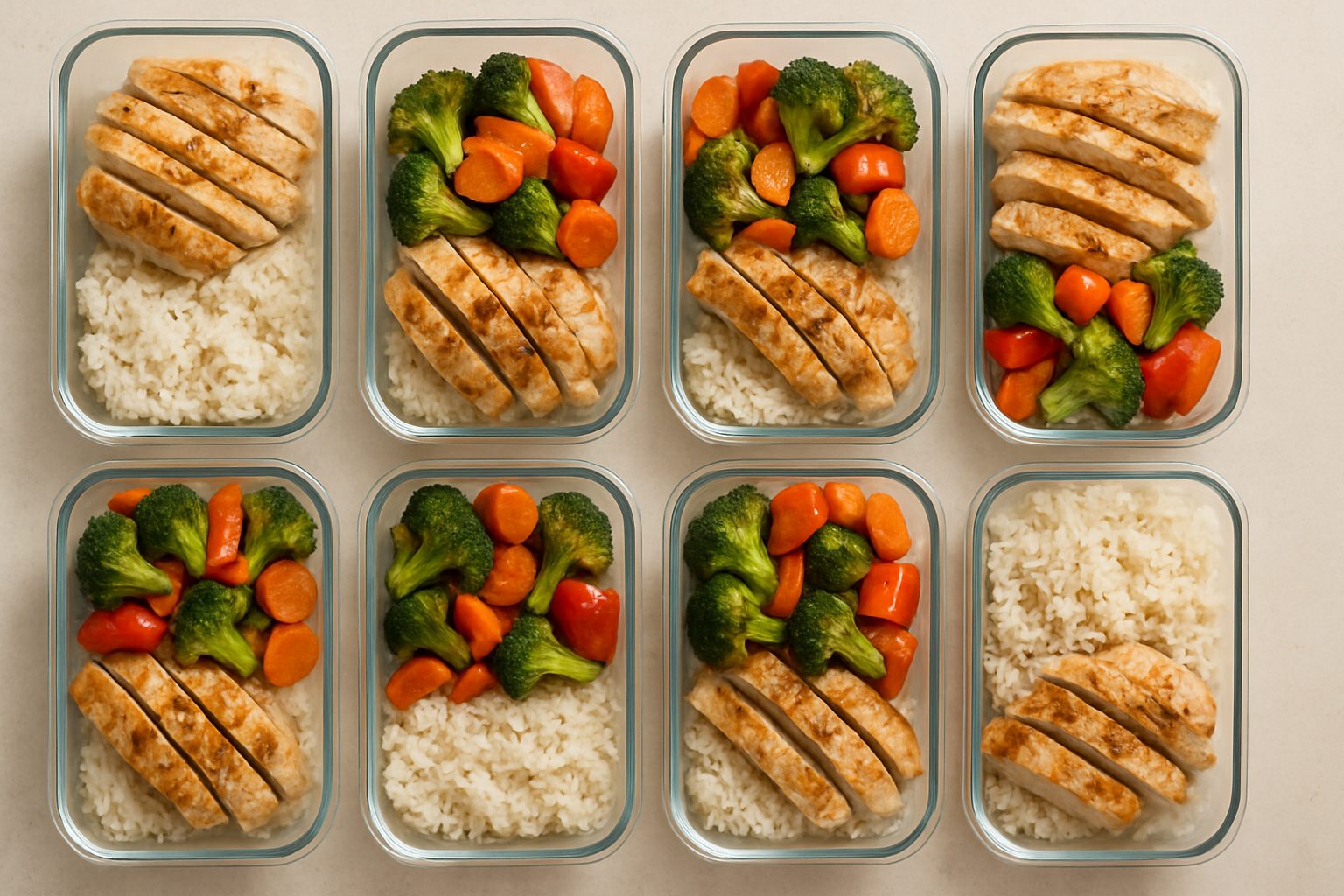
Bland, low-fat, low-volume, protein-forward. Think of it like recovering from a stomach bug for the first 7 to 10 days after starting or dose-stepping.
Foods that work well:
- Plain Greek yogurt with a small amount of berries
- Scrambled eggs with a slice of toast
- Plain chicken breast or turkey
- White rice with a small portion of lean protein
- Bananas, applesauce, oatmeal
- Bone broth or chicken soup
- Saltine crackers, plain pretzels
- Plain cottage cheese
- Lean fish like cod or tilapia, baked not fried
Aim for 60 to 90 grams of protein daily during titration. Protein preserves muscle mass during weight loss, and the SURMOUNT and STEP trials both showed better outcomes in higher-protein eaters.
How Small Should My Meals Be on GLP-1?
About one-third to one-half of your pre-medication portion size, especially in weeks one through six. Many patients find that 200 to 350 calories per sitting is the maximum the stomach tolerates without nausea.
Six small meals a day usually works better than three larger ones. Try this rough structure:
- Breakfast: 1 egg, half slice of toast, 4 oz Greek yogurt
- Mid-morning: small handful of nuts or a protein shake
- Lunch: 3 to 4 oz chicken, half cup rice, small salad
- Afternoon: cheese stick and crackers
- Dinner: 3 to 4 oz fish, small portion of vegetables
- Evening: cottage cheese or protein pudding
Most GLP-1 patients eating this way report dramatically less nausea than those trying to eat their usual breakfast-lunch-dinner pattern.
Does Ginger Actually Help GLP-1 Nausea?
Yes, with caveats. A 2020 meta-analysis in Nutrients (Anh et al.) pooled data from 18 randomized trials and found ginger reduced nausea scores by an average of 1.3 points on a 10-point scale across pregnancy, chemotherapy, and post-operative nausea. The effective dose was 1 to 1.5 grams daily of dried ginger or fresh equivalent.
For GLP-1 nausea specifically, no large trial exists, but the mechanism (5-HT3 receptor antagonism and prokinetic effects) is the same pathway implicated in GLP-1 nausea. Many patients report relief from ginger tea, ginger chews, or 500 mg capsules taken twice daily.
Avoid ginger ale. Most commercial brands contain almost no real ginger and the carbonation can worsen symptoms.
What About Water and Hydration Timing?
Sip throughout the day, not with meals. Drinking 8 to 16 ounces of water with food fills the stomach faster and triggers fullness signals that compound GLP-1 effects. Aim to drink most of your water 30 minutes before or 60 minutes after meals.
Total fluid target: half your body weight in ounces, plus extra if you’re vomiting or experiencing diarrhea. The Wegovy® and Mounjaro® labels both warn about dehydration leading to acute kidney injury, with the highest risk during the first 8 weeks.
Electrolytes matter too. Look for low-sugar electrolyte powders with sodium, potassium, and magnesium. Many patients get partial relief from morning nausea after correcting low sodium intake.
Key Takeaway: Smaller, more frequent meals beat three large meals every time
When Should I Take My GLP-1 Injection to Minimize Nausea?
Evening is often easier than morning. Injecting before bed means peak side effects hit during sleep, when you’re not eating. Semaglutide and tirzepatide both have multi-day half-lives, so the exact injection time doesn’t change weekly drug levels, but the acute post-injection bump in side effects shifts with timing.
A 2023 patient survey published in Obesity Pillars reported that 62 percent of semaglutide users preferred Friday or Saturday evening injections, putting the worst side-effect days on the weekend.
Talk to your TrimRx provider about shifting your injection day if the post-injection 48 hours are consistently rough.
Should I Slow Down My Dose Escalation?
Often, yes. The standard semaglutide titration goes 0.25 mg, 0.5 mg, 1 mg, 1.7 mg, 2.4 mg, with 4 weeks at each step. Tirzepatide is 2.5, 5, 7.5, 10, 12.5, 15 mg. About 25 percent of patients need slower escalation, with 6 to 8 weeks at certain steps instead of 4.
The STEP 1 protocol specifically allowed dose-step delays for tolerability. Patients who took longer to titrate still hit 14.9 percent weight loss at 68 weeks. Slower is usually fine.
A TrimRx provider can adjust your titration schedule if nausea is preventing you from functioning. There’s no medical penalty for taking 6 months instead of 4 months to reach maintenance dose.
What Medications Can Help GLP-1 Nausea?
Over-the-counter options:
- Pepcid (famotidine) 20 mg twice daily for reflux-driven nausea
- Tums or Rolaids for acute acid issues
- Bonine (meclizine) 25 mg for motion-sickness-style nausea
- Vitamin B6 25 to 50 mg twice daily, the same dose used for pregnancy nausea
Prescription options your doctor can offer:
- Zofran (ondansetron) 4 to 8 mg, but watch for constipation
- Phenergan (promethazine), more sedating
- Reglan (metoclopramide), though it can interact with GLP-1 mechanism
Don’t stack multiple anti-nausea medications without medical supervision. Many patients find Pepcid plus a B6 supplement covers 80 percent of day-to-day issues.
When Is GLP-1 Nausea a Real Warning Sign?
Most nausea is benign and resolves. Call your provider or go to urgent care for:
- Vomiting more than 3 times in 24 hours
- Inability to keep any fluids down for 12 hours
- Severe abdominal pain that doesn’t go away
- Pain radiating to your back, which can signal pancreatitis
- Yellowing skin or eyes, fever with vomiting
- Signs of dehydration: dark urine, dizziness on standing, rapid heart rate
Pancreatitis is rare on GLP-1 (about 0.2 to 0.5 percent in trials) but real. Severe persistent abdominal pain isn’t normal titration nausea and needs evaluation.
Bottom line: Protein-forward, lower-fat eating is the most effective dietary intervention
FAQ
How Long Does GLP-1 Nausea Last?
For most patients, acute nausea peaks 1 to 3 days after each dose increase and resolves over 1 to 2 weeks at each stable dose. Total titration-related nausea typically clears by week 12 to 16. About 10 percent of patients have persistent low-grade nausea even at maintenance dose, often manageable with diet alone.
Can I Take My GLP-1 If I’m Vomiting?
Skip the dose and contact your provider if you’ve been vomiting more than 24 hours or can’t keep fluids down. GLP-1 doses are weekly, so missing one shot won’t reset your titration. Resume on your normal day once tolerating fluids.
Does Eating Before BED Cause Nausea on GLP-1?
It can. Lying flat with a slow-emptying stomach worsens reflux and nighttime nausea. Try to finish your last meal 3 hours before bed, and elevate the head of your bed 4 to 6 inches if you have nocturnal symptoms.
Why Do I Feel Nauseous When I’m Hungry on GLP-1?
Low blood sugar and gastric acid pooling. The medication blunts hunger signals, so many patients undereat without realizing. When the stomach is empty but acid is still being produced, the result is nausea that feels like hunger but doesn’t respond to food well. Small, frequent protein-forward snacks fix this.
Should I Switch From Semaglutide to Tirzepatide If Nausea Is Bad?
Sometimes. The SURMOUNT-1 trial showed tirzepatide had slightly lower nausea rates than expected for its weight loss potency. Some patients do better on one molecule than the other. Talk to your TrimRx clinician about a switch if 12 weeks of titration aren’t tolerable.
Are Protein Shakes Okay During Severe Nausea?
Yes, often better than solid food during the worst days. Look for shakes with 20 to 30 grams of protein, under 5 grams of fat, and minimal added sugar. Whey isolate sits easier than casein for most patients. Plant proteins like pea or rice are good alternatives if dairy worsens symptoms.
Will the Nausea Come Back When I Increase My Dose?
Usually, yes, but milder each time. Most patients report the first dose escalation is the worst, with subsequent step-ups easier. The body adapts to GLP-1 effects on gastric emptying, so by month 4 or 5, dose increases often pass with mild symptoms only.
Disclaimer: This content is for informational purposes only and does not constitute medical advice. It is not intended to diagnose, treat, cure, or prevent any disease or condition. Individual results may vary. Always consult a qualified healthcare professional before starting any weight loss program or medication.

Transforming Lives, One Step at a Time
Keep reading
Theme Park Trip on a GLP-1: Rides, Heat and Park Food
A theme park day is unusually demanding: ten or more miles of walking, hours in the sun, long lines, heavy and expensive food, and…
Police Officers on a GLP-1: Patrol Shifts, Body Armor and Sudden Exertion
Patrol work combines several things that make these medications harder to manage. Long shifts sitting in a car, then sudden all-out exertion with no…
Food Content Creators on a GLP-1
Food bloggers, restaurant reviewers, recipe developers, and people who film eating content all have a job built around appetite. A medication that reduces appetite…


