Can You Take Naproxen with Mounjaro? Safety and Timing
Introduction
Managing joint pain or a sudden headache while on a weight loss journey shouldn’t feel like a medical guessing game. When you are taking a powerful medication like Mounjaro®, it is natural to wonder how common over-the-counter (OTC) drugs might interact with your treatment. Many people rely on naproxen—a non-steroidal anti-inflammatory drug (NSAID) often sold under the brand name Aleve—to handle inflammation and discomfort.
At TrimRx, we believe that understanding your medications is a vital part of a successful health transformation. If you want to see whether a supervised program fits your goals, take the free assessment quiz. This post explores whether you can safely combine these two treatments, how they affect your body’s digestion, and what you should watch for regarding stomach health. While generally considered safe for occasional use, the combination of naproxen and tirzepatide (the active ingredient in Mounjaro®) requires a thoughtful approach to timing and dosage.
Understanding Mounjaro and Naproxen
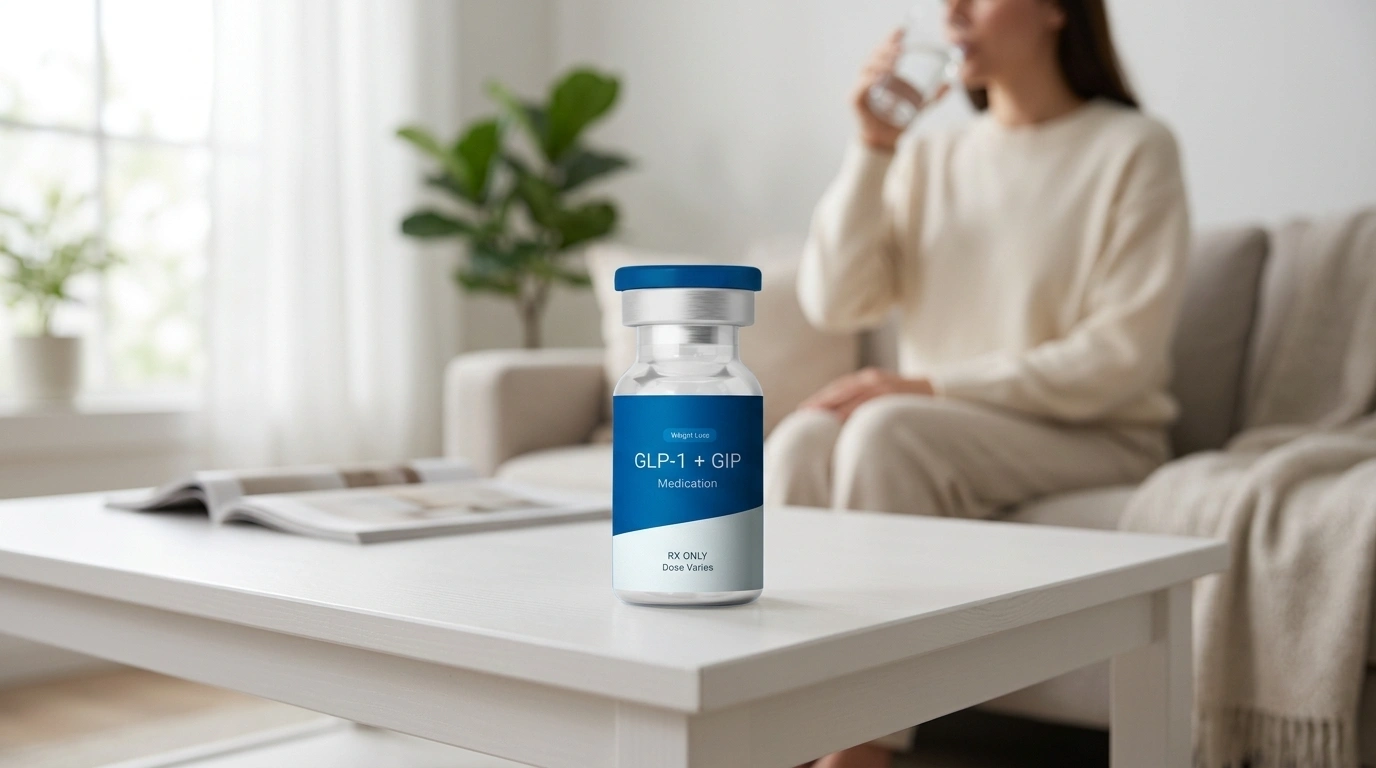
To understand how these medications interact, it helps to first look at what they do in the body. Mounjaro® is a dual-acting medication that mimics two hormones: glucagon-like peptide-1 (GLP-1) and glucose-dependent insulinotropic polypeptide (GIP). These hormones help regulate blood sugar, signal fullness to the brain, and slow down the rate at which food leaves the stomach. This slower digestion is a primary way the medication helps people manage their weight.
Naproxen is an NSAID used to reduce pain, fever, and inflammation. It works by blocking certain enzymes in the body that produce prostaglandins—chemicals that signal pain and cause swelling. Unlike some other pain relievers that wear off quickly, naproxen is known for its long-lasting effects, often providing relief for up to 12 hours.
Quick Answer: Yes, you can generally take naproxen with Mounjaro®, as there are no known major drug-to-drug interactions. However, because both medications can affect the gastrointestinal system, you should use caution and ideally consult with a healthcare provider first.
The Impact of Slowed Gastric Emptying
The most significant consideration when taking any oral medication alongside Mounjaro® is the change in your digestive speed. Because tirzepatide slows down “gastric emptying”—the process of food and medicine moving from your stomach into your small intestine—the way your body absorbs naproxen may change.
For a broader look at how GLP-1 medicines affect digestion, read TrimRx’s overview of common GLP-1 side effects.
Changes in Absorption Speed
When you take a pill, it usually dissolves and enters your bloodstream through the small intestine. If your stomach is processing its contents more slowly, the naproxen may sit in your stomach for a longer period before it reaches the area where it can be absorbed. This means you might notice that it takes longer for the pain relief to “kick in” than it did before you started your weight loss program.
Timing Your Doses
Because of this delay, timing becomes very important. Taking naproxen at the same time as your weekly injection or when your stomach is already feeling full may lead to further delays in relief. Some individuals find that taking their pain medication at least two hours before or several hours after their dose of Mounjaro® helps maintain more predictable absorption levels.
Key Takeaway: Mounjaro® slows down digestion, which can delay how quickly naproxen begins to work. Do not take extra doses of pain medication if you don’t feel immediate relief; it may simply be taking longer to reach your system.
Managing Gastrointestinal Sensitivity
Both tirzepatide and NSAIDs like naproxen are known to cause gastrointestinal (GI) side effects. When used together, these effects can sometimes overlap or become more pronounced. Managing your gut health is a priority when combining these two types of medication.
If nausea is already part of your adjustment period, this guide on how long Mounjaro nausea can last may help set expectations.
Common Side Effects
Mounjaro® frequently causes symptoms like nausea, indigestion, or stomach discomfort, especially when a person is first starting the medication or increasing their dose. Naproxen, like other NSAIDs, can also irritate the lining of the stomach. In some cases, prolonged use of NSAIDs can lead to gastritis (inflammation of the stomach lining) or even ulcers.
Protecting Your Stomach Lining
If you must take naproxen while on a weight loss program, it is essential to take it with food. Even a small snack can act as a buffer, reducing the direct contact between the medication and the stomach wall. Since Mounjaro® may already make you feel less hungry, you might need to be intentional about eating a small amount of protein or a piece of toast specifically when you take your pain reliever.
Comparing Pain Relief Options
Not all pain relievers are created equal when it comes to their impact on the digestive system. Depending on your health profile and the advice of your provider, you may want to consider alternatives to naproxen that are gentler on the gut.
Acetaminophen (Tylenol)
Acetaminophen is often the first-line recommendation for pain relief while using GLP-1 or GIP medications. Unlike naproxen, acetaminophen is not an NSAID and does not typically cause stomach irritation or increase the risk of ulcers. While it may still experience a delay in absorption due to slowed gastric emptying, it is generally considered a safer long-term choice for the stomach.
Topical NSAIDs
For localized joint or muscle pain, topical creams or gels containing NSAIDs (like diclofenac) can be an excellent alternative. These are absorbed through the skin directly at the site of the pain, meaning very little of the medication enters the digestive tract. This bypasses the issue of slowed gastric emptying and stomach irritation entirely.
Comparing Common OTC Pain Relievers
| Medication | Category | Stomach Impact | Interaction with Mounjaro® |
|---|---|---|---|
| Naproxen | NSAID | High irritation risk | Slowed absorption; potential for increased GI upset |
| Ibuprofen | NSAID | Moderate irritation risk | Slowed absorption; may cause stomach discomfort |
| Acetaminophen | Analgesic | Very low irritation risk | Generally considered the safest choice for the stomach |
| Aspirin | NSAID | High irritation risk | Should be discussed with a provider, especially at high doses |
The TrimRx Approach to Personalized Care
At TrimRx, our goal is to ensure that your path to better health is as smooth as possible. We recognize that every individual has a unique medical history that includes more than just weight management. Whether you are dealing with chronic knee pain or occasional migraines, your treatment plan should account for all the medications you take.
Our platform connects you with licensed healthcare providers who take the time to review your full health profile through a comprehensive assessment. This allows our clinical partners to provide guidance on how to manage your current medications alongside a personalized weight loss program. By merging modern telehealth technology with clinical expertise, we help you navigate questions about drug interactions with confidence.
If you are ready to explore whether a prescription program is a fit for you, complete the free assessment quiz.
Practical Tips for Taking Naproxen Safely
If you and your healthcare provider decide that naproxen is the right choice for your pain management, following a few simple steps can help minimize risks and maximize comfort.
- Step 1: Consult Your Provider. Before starting any new medication or combining OTC drugs with your program, speak with a licensed professional to ensure it is safe for your specific health needs.
- Step 2: Start with the Lowest Dose. Use the smallest amount of naproxen necessary to manage your pain. This reduces the total burden on your stomach lining.
- Step 3: Always Take with Food. Never take naproxen on an empty stomach while using tirzepatide. A small, bland snack can provide significant protection.
- Step 4: Stay Hydrated. Both Mounjaro® and NSAIDs can impact kidney function if you become dehydrated. Drinking plenty of water throughout the day is essential for your safety.
- Step 5: Monitor Your Symptoms. Pay close attention to how your body reacts. If you notice an increase in stomach pain, heartburn, or nausea, stop the medication and contact your doctor.
Bottom line: While naproxen is generally safe to use occasionally, protecting your stomach and being patient with absorption times are the most important factors for safety.
When to Seek Medical Guidance
While most people can use these medications together without major issues, there are certain “red flag” symptoms that require immediate attention from a medical professional. Since both medications can impact the gastrointestinal tract and the kidneys, staying vigilant is key.
You should contact a healthcare provider if you experience:
- Severe or persistent stomach pain that does not go away.
- Signs of a stomach ulcer, such as black, tarry stools or vomit that looks like coffee grounds.
- A sudden decrease in urine output or significant swelling in the ankles or feet.
- Severe nausea or vomiting that prevents you from staying hydrated.
- Any signs of an allergic reaction, including rash, itching, or swelling of the face and throat.
It is also important to mention that if you have a history of kidney disease, heart failure, or previous stomach ulcers, you should avoid NSAIDs like naproxen unless specifically directed otherwise by your doctor. Your clinical team can help determine if a different pain management strategy is better suited for your health history.
Supporting Your Body During Treatment
A weight loss journey is about more than just a single medication. It is about creating a supportive environment for your body to heal and thrive. This often means paying attention to the nutrients and support systems that help mitigate side effects.
Many people find that adding specialized support can help them stay comfortable during their program. For instance, staying on top of your hydration and electrolyte balance can help reduce the frequency of headaches, potentially lowering your need for naproxen in the first place. Some individuals also use GLP-1 Daily Support supplements to ensure their body gets the micronutrients it needs while their appetite is reduced.
We believe in a holistic approach. By combining medically supervised programs with empathetic guidance, we help you understand the “why” behind your body’s reactions. Whether it is adjusting the timing of your pain relief or finding the right dosage for your weight loss goals, having a dedicated team of specialists accessible 24/7 makes a significant difference in your long-term success.
Conclusion
Taking naproxen with Mounjaro® is generally considered safe for most people, provided it is done with care. The primary concerns are the delay in how fast the pain relief works and the potential for increased stomach irritation. By prioritizing stomach protection, staying hydrated, and using the lowest effective dose, you can manage pain effectively without derailing your weight loss progress.
At TrimRx, we are committed to being your partner in this transformation. Our science-backed, personalized programs are designed to fit your life, providing the clinical oversight you need from the comfort of your home. We understand that health is complex, and we are here to provide the transparent, empathetic support you deserve as you work toward a healthier version of yourself.
If you are ready to take the next step in your journey, start with our free assessment quiz. This helps us understand your health profile and goals so we can connect you with the right resources for your personalized weight loss program.
FAQ
Does Mounjaro make naproxen less effective?
Mounjaro® does not necessarily make naproxen less effective, but it can make it slower to work. Because tirzepatide slows the movement of the stomach, it takes longer for the naproxen to reach your small intestine where it is absorbed into the blood.
Can I take ibuprofen instead of naproxen with Mounjaro?
Yes, ibuprofen is also an NSAID that can generally be taken with Mounjaro®, but it carries many of the same risks as naproxen. Both can irritate the stomach lining and may have delayed absorption due to slowed digestion.
Is Tylenol better than naproxen when taking Mounjaro?
For many people, acetaminophen (Tylenol) is considered a better first choice because it does not irritate the stomach lining. Since Mounjaro® can already cause GI side effects, using a pain reliever that is gentle on the stomach is often preferred.
Should I avoid taking naproxen on the day of my Mounjaro injection?
While not strictly forbidden, some people prefer to avoid NSAIDs on their injection day to minimize the risk of nausea. If you need pain relief on your injection day, be extra careful to take the medication with food and stay well-hydrated.
Is there a way to support appetite and nutrition while on GLP-1 treatment?
Some people look for extra nutritional support while adjusting to GLP-1 treatment. If that sounds relevant to you, you can explore GLP-1 Daily Support as part of a broader care plan.
Disclaimer: This content is for informational purposes only and does not constitute medical advice. It is not intended to diagnose, treat, cure, or prevent any disease or condition. Individual results may vary. Always consult a qualified healthcare professional before starting any weight loss program or medication.

Transforming Lives, One Step at a Time
Keep reading

Mounjaro Alternatives: What Else to Consider
If Mounjaro isn’t the right fit, the closest alternatives are other GLP-1 medications, chiefly semaglutide (Ozempic for diabetes, Wegovy for weight), along with a…

Mounjaro vs Zepbound: Same Drug, Two Brands
Like their semaglutide counterparts, Mounjaro and Zepbound are the same medication (tirzepatide) sold under two names for two purposes: Mounjaro is approved for type…

Retatrutide vs Mounjaro: Triple Agonist vs Dual Agonist
The core difference between retatrutide and Mounjaro comes down to how many hormone targets each hits: retatrutide activates three receptors, while Mounjaro (tirzepatide) activates…


