Managing Side Effects: How to Help Nausea on Ozempic and Achieve Your Goals
Introduction
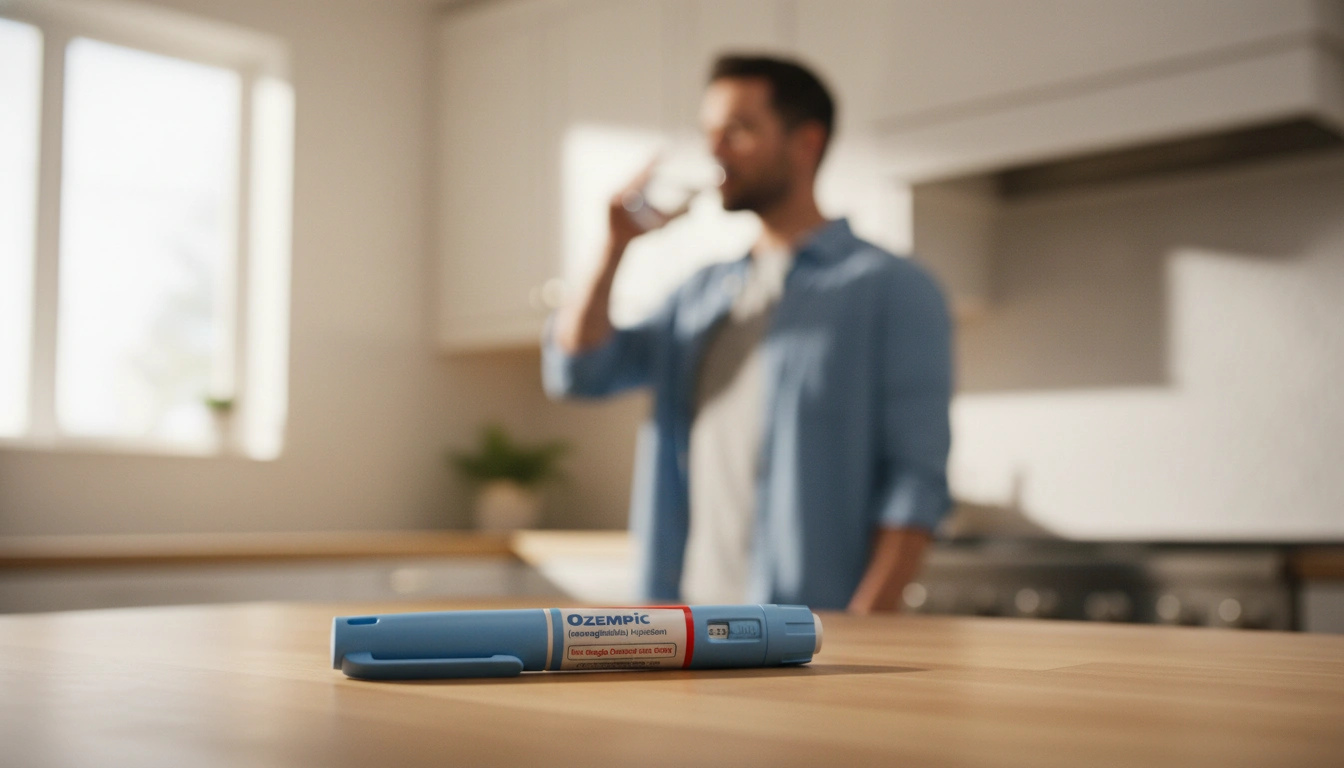
Did you know that nearly one in five individuals beginning their journey with semaglutide medications like Ozempic® reports some level of digestive discomfort during the initial weeks? While the results of these innovative treatments are often transformative, the physical transition can sometimes feel like a hurdle. If you have recently started your treatment and found yourself reaching for a glass of water or needing to sit down after a meal, you are experiencing the most common side effect associated with this class of medication. The sensation of queasiness or a “settling” stomach is a frequent companion to the early stages of metabolic health improvement, but it does not have to be a permanent one.
At TrimRx, our journey began with a shared vision to help individuals embrace healthier lifestyles by merging cutting-edge telehealth innovations with effective weight loss solutions. We understand that sustainable progress is built on a foundation of both science and empathy. When you choose to work with us, you are entering a user-friendly and supportive space where personalized, medically supervised care is the standard. We believe that achieving a healthier weight should be a transparent process, where you feel empowered rather than sidelined by side effects.
The purpose of this guide is to provide you with a comprehensive set of strategies on how to help nausea on Ozempic so that you can stay focused on your long-term wellness. Throughout this article, we will explore the biological reasons why these sensations occur, the typical timeline you can expect for your body to adjust, and a wealth of practical dietary and lifestyle adjustments you can implement immediately. Whether you are curious about the best foods to eat, how to timing your doses, or how our personalized weight loss program supports your unique needs, we have gathered the insights you need to move forward with confidence.
By the end of this post, you will have a clear roadmap for managing your digestive health, allowing the innovative science behind your medication to work effectively while you feel your best. We will cover everything from simple home remedies to the importance of working with our partner FDA-registered and inspected pharmacies to ensure your safety and success. Together, we can make your transition to a healthier lifestyle as smooth as possible.
Why Does Ozempic Cause Nausea?
To effectively manage a symptom, it is helpful to understand its origin. Ozempic®, which contains the active ingredient semaglutide, is an FDA-approved medication primarily designed to manage blood sugar levels in adults with type 2 diabetes and reduce cardiovascular risks. However, its impact on the body’s metabolic processes is profound, often leading to its use in broader weight management contexts.
The Mechanism of Gastric Emptying
One of the primary ways semaglutide works is by mimicking a naturally occurring hormone called glucagon-like peptide-1 (GLP-1). This hormone plays several roles, one of which is slowing down “gastric emptying.” This means that the food you eat stays in your stomach for a longer duration before moving into the small intestine. While this is highly beneficial for helping you feel fuller for longer and reducing overall calorie intake, it can also lead to a sensation of heaviness or nausea, particularly if the stomach becomes too full.
Interaction with the Central Nervous System
Beyond the digestive tract, GLP-1 receptors are also located in the areas of the brain that regulate appetite and nausea. When these receptors are activated by the medication, they signal to your body that you are satisfied. In some individuals, especially during the early stages of treatment or after a dose increase, these signals can be interpreted by the brain as a mild form of motion sickness or general queasiness.
At TrimRx, we prioritize a transparent approach to these physiological changes. We want our community to understand that these sensations are often a sign that the medication is actively engaging with your metabolic system. By combining advanced medical science with modern technology, we aim to provide the tools necessary to navigate these adjustments.
The Timeline of Adjustment
Many people ask how long they will need to focus on how to help nausea on Ozempic. While every individual’s journey is unique, clinical data and user experiences provide a general framework for what to expect.
The First Eight to Twelve Weeks
Nausea is most prevalent during the “dose-escalation” phase. This is the period where a healthcare professional gradually increases your dosage—typically starting at 0.25 mg once weekly and moving upward every four weeks as tolerated. Research indicates that the majority of digestive side effects occur within the first 8 to 12 weeks. This is the period when your body is learning to balance the new hormonal signals and the slower pace of digestion.
Long-Term Adaptation
The good news is that for the vast majority of people, these symptoms are transient. As your system acclimates to a stable dose, the prevalence of nausea tends to drop significantly. Many individuals find that by the 20-week mark, their digestive system has fully adapted, and they can enjoy a wide variety of foods without discomfort. If you are ever concerned about the intensity of your symptoms, our platform provides access to doctor consultations and unlimited support to ensure your treatment plan remains tailored to your comfort.
To support your body during this transition, you might consider our GLP-1 Daily Support, which is designed to provide essential nutrients and support overall wellness while your body adapts to your personalized program.
Dietary Strategies for Nausea Relief
What you put on your plate—and how you eat it—is perhaps the most significant factor in managing your comfort. Because your digestion is moving at a different pace, your old eating habits may need a temporary “software update” to align with your new metabolic reality.
Prioritizing Small, Frequent Meals
The traditional “three large meals a day” model can be overwhelming for a stomach that is processing food more slowly. When the stomach is overextended, nausea is a likely result. Instead, we recommend shifting to five or six smaller, nutrient-dense snacks or mini-meals throughout the day. This approach prevents the stomach from becoming too full while ensuring you maintain steady energy levels.
The Power of Bland and Hydrating Foods
When you are feeling particularly queasy, returning to the basics is often the most effective strategy. Bland foods are easier for the stomach to break down and are less likely to trigger a strong sensory response.
- Complex Carbohydrates: Plain rice, oats, toast, or crackers can provide a gentle source of energy without taxing the digestive system.
- Lean Proteins: Poached chicken, white fish, or tofu are excellent choices that provide the protein necessary for muscle maintenance during weight loss without the heaviness of red meat.
- Hydrating Fruits: Apples, bananas, and melons are generally well-tolerated and provide essential vitamins and minerals.
In addition to these dietary choices, many individuals find that our Weight Loss Boost helps maintain their momentum by supporting metabolic health, allowing them to stay on track even when they are eating smaller portions.
Foods and Triggers to Avoid
Just as certain foods can soothe the stomach, others can exacerbate the sensation of nausea. High-fat, greasy, and fried foods are the most common culprits. Because fat takes longer to digest than proteins or carbohydrates, adding high-fat meals to a system already slowed by Ozempic® can lead to significant discomfort and bloating.
Furthermore, we suggest limiting:
- Spicy Foods: These can irritate the stomach lining and increase acid reflux.
- Highly Sugary Items: Large amounts of refined sugar can lead to rapid shifts in blood sugar that may contribute to a “queasy” feeling.
- Strong Smells: Sometimes it isn’t just the taste, but the aroma of certain foods that triggers nausea. Opting for cold or room-temperature meals can reduce the intensity of food odors.
Lifestyle Adjustments for Daily Comfort
Beyond diet, how you move and interact with your environment can play a pivotal role in how to help nausea on Ozempic. Small changes in your daily routine can lead to significant improvements in how you feel.
Mindful Eating and Posture
Eating quickly often leads to swallowing excess air and failing to recognize the body’s satiety signals until it is too late. By eating slowly and chewing thoroughly, you give your brain time to register that you are full, which is a key component of the TrimRx approach to sustainable weight loss.
Additionally, gravity is your friend when it comes to digestion. We recommend remaining upright for at least 60 to 90 minutes after eating. Lying down immediately after a meal can cause stomach acid to move back into the esophagus, leading to heartburn and increased nausea. A gentle, ten-minute walk after dinner can also aid digestion and provide a refreshing dose of fresh air, which is a natural remedy for queasiness.
Optimal Hydration Techniques
Staying hydrated is crucial, but how you hydrate matters. Drinking a large amount of water all at once can fill the stomach and trigger nausea. Instead, we encourage taking small, frequent sips throughout the day. If plain water feels unappealing, ginger or peppermint teas are excellent alternatives. Both ginger and mint have been used for centuries to settle the stomach and are highly recommended for those on GLP-1 medications.
If you find that your appetite for fluids has decreased, incorporating hydrating foods like cucumbers, celery, or broth-based soups can help you meet your hydration goals while being gentle on your system.
The TrimRx Difference: Personalized Support
At TrimRx, we believe that you should never have to navigate the complexities of medical weight loss alone. Our platform is designed to be a supportive partner in your health, providing more than just a prescription.
Medically Supervised Care
When you take our free assessment quiz, you are taking the first step toward a personalized treatment plan. Whether your plan includes Ozempic®, Wegovy®, or compounded semaglutide, you receive care that is overseen by licensed professionals. It is important to note that while we partner with FDA-registered and inspected pharmacies for the compounding and shipping of medications, our service includes the essential doctor consultations and unlimited support you need to manage side effects effectively.
Transparency and Safety
We pride ourselves on a transparent approach. Unlike some services that might change their fees based on your dosage, our commitment to a consistent service model remains the same regardless of your medication levels. We also prioritize safety by working exclusively with high-quality pharmacies. While compounded medications are not FDA-approved in the same way that branded medications like Ozempic® or Zepbound® are, we ensure they are prepared in facilities that meet rigorous inspection standards.
Our comprehensive service includes:
- Initial and ongoing doctor consultations.
- Required lab work to monitor your health.
- Medication and shipping with no hidden fees.
- Unlimited support to answer questions about side effects like nausea.
When to Seek Medical Advice
While mild nausea is a common and usually harmless side effect, it is important to stay attuned to your body’s signals. Part of our results-oriented and personalized care involves knowing when a symptom requires a change in strategy.
Persistent or Severe Symptoms
If your nausea is so severe that you are unable to keep down fluids, or if it is accompanied by intense abdominal pain that radiates to your back, you should contact a healthcare professional immediately. While rare, these can be signs of more serious conditions like pancreatitis or gallbladder issues.
Adjusting the Plan
In many cases, if nausea persists, a simple adjustment to the dosage schedule can make a world of difference. Our healthcare providers can work with you to slow down the titration process, allowing your body more time to adapt to a specific dose before moving higher. This “low and slow” philosophy is a hallmark of how we help our community achieve sustainable, long-term success.
For those who may need additional support for their metabolism without the same intensity of certain side effects, exploring our Weight Loss Boost can be a helpful adjunct to a broader wellness plan.
Integrating Supplements for Overall Wellness
As you navigate the path to a healthier version of yourself, supplements can play a supporting role. While they do not replace the primary medication, they can fill nutritional gaps that might occur when your appetite is significantly reduced.
GLP-1 Daily Support
Our GLP-1 Daily Support is specifically formulated for individuals on this journey. It focuses on providing the micronutrients that support metabolic health and energy levels. When you are eating less, every bite must count, and this supplement ensures you are not missing out on essential building blocks for your health.
The Role of Proactive Care
By taking a proactive approach to your health—managing your diet, staying hydrated, and utilizing targeted supplements—you are doing more than just losing weight; you are transforming your relationship with your body. We are here to support that transformation with empathy and innovative solutions every step of the way.
Conclusion: Moving Forward with Confidence
Embarking on a weight loss journey with medications like Ozempic® or our compounded alternatives is a powerful step toward reclaiming your health. While learning how to help nausea on Ozempic is a necessary part of the process for many, it is a challenge that can be managed with the right tools and support.
By prioritizing small meals, staying hydrated with small sips, avoiding high-fat triggers, and leaning on the expert guidance provided by the TrimRx platform, you can minimize discomfort and maximize your results. Remember, the journey to a healthier lifestyle is a marathon, not a sprint. The temporary adjustments you make today are laying the groundwork for a future of increased energy, better metabolic health, and the confidence that comes with achieving your goals.
We invite you to take the next step in your personalized journey. Whether that means starting with our assessment quiz to find the right prescription medication for you, or enhancing your current routine with our GLP-1 Daily Support, we are here to support you. Together, we can make sustainable weight loss an attainable reality, tailored specifically to your unique needs.
FAQ: Common Questions About Nausea and Ozempic®
1. Why do I feel more nauseous right after my weekly injection?
It is common to feel a peak in nausea within the first 24 to 48 hours after your injection. This occurs because the concentration of the medication in your bloodstream is at its highest during this time. As the week progresses and the medication level stabilizes, many people find that their nausea subsides. Some individuals find that taking their injection before bed helps them sleep through the initial peak of symptoms.
2. Can I use over-the-counter medications to help with the queasiness?
Yes, many people find relief using standard over-the-counter options like bismuth subsalicylate or dimenhydrinate. Additionally, natural remedies such as ginger chews or peppermint oil can be very effective. However, we always recommend discussing any new medications or supplements with your healthcare provider through our platform to ensure they align with your personalized treatment plan.
3. Does the injection site affect how much nausea I experience?
While the medication is absorbed into the bloodstream regardless of where it is injected, some members of our community report that rotating their injection site—such as moving from the abdomen to the thigh or the back of the arm—can occasionally help reduce the intensity of digestive side effects. It is a simple adjustment that is worth trying if you are looking for relief.
4. Will the nausea return every time my dose is increased?
It is possible to experience a brief recurrence of nausea when you move to a higher dosage level. This is because your body needs to recalibrate to the increased hormonal signal. However, these “flare-ups” are typically shorter and less intense than the initial nausea experienced at the start of the program. If a dose increase feels too overwhelming, our doctors can work with you to adjust your schedule and ensure your comfort remains a priority.

Transforming Lives, One Step at a Time
Keep reading

How to Get Ozempic or Semaglutide in Miami
Miami’s wellness culture runs deep, and GLP-1 medications have become a significant part of that conversation across the city. From Brickell to Coral Gables…

How to Get Ozempic or Semaglutide in Los Angeles
Los Angeles has no shortage of wellness clinics, concierge medicine practices, and weight loss programs promising access to the latest treatments. Semaglutide is at…

How to Get Ozempic or Semaglutide in Chicago
Chicago residents looking for semaglutide have more options than they might realize, and fewer of those options require setting foot in a clinic than…


