Does a Wegovy Shot Hurt? Everything You Need to Know
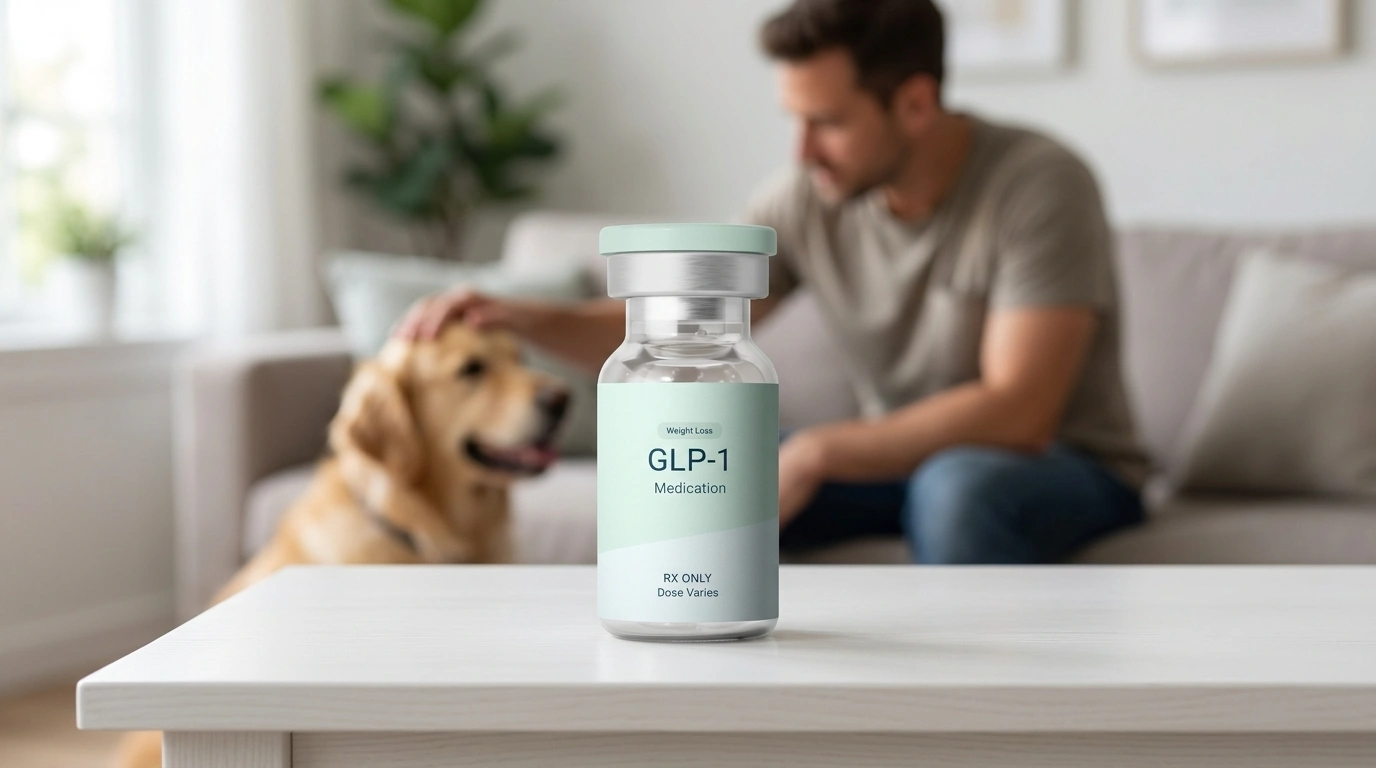
Introduction
The thought of starting a weekly injection can feel overwhelming, especially if you have a natural hesitation around needles. If you have been prescribed Wegovy® or are considering a GLP-1 (glucagon-like peptide-1) medication for weight management, your first question is likely: does a Wegovy shot hurt? It is a valid concern that many of our members at TrimRx share before they begin their journey. This post covers exactly what the injection feels like, the science behind the needle design, and practical steps you can take to ensure your experience is as comfortable as possible. We believe that understanding the process is the first step toward feeling confident in your treatment. Most people find that the reality of the injection is much easier than they anticipated, often feeling like nothing more than a quick, minor pinch. If you are exploring whether a personalized GLP-1 program may be appropriate for you, you can complete a free eligibility assessment.
The Design of the Wegovy Pen
One of the most important things to understand about Wegovy® is that it is not a traditional syringe and needle. It uses a specialized autoinjector pen that is designed for simplicity and comfort. For many individuals, the “fear” of the needle is based on memories of vaccinations or blood draws, which use much larger needles.
The needle inside a Wegovy pen is subcutaneous, meaning it is designed to reach only the fatty tissue just beneath the skin. Because it does not need to reach the muscle, the needle is incredibly thin—roughly the width of two human hairs. This is often referred to as a 31-gauge or 32-gauge needle. In the medical world, the higher the gauge number, the thinner the needle.
Key Takeaway: The Wegovy pen uses an ultra-fine, short needle designed specifically to minimize sensation by only entering the fatty layer of the skin.
Why Subcutaneous Injections Are Less Painful
To understand why a Wegovy shot typically does not hurt, it helps to look at the anatomy of your skin. Your muscles are packed with nerves and blood vessels, which is why intramuscular shots (like a flu vaccine) can feel sore afterward. The subcutaneous fat layer, however, has significantly fewer pain-sensing nerves.
When you use the autoinjector, the needle barely grazes the surface before delivering the medication into this “buffer” zone of fat. Most users describe the sensation as a light tap or a tiny prick that lasts only a few seconds. Because the needle is hidden inside the pen’s plastic shield, you never actually see it, which can significantly reduce the psychological “sting” of the injection. For a deeper explanation, read how GLP-1 shots work and what to expect.
Choosing Your Injection Site
Where you choose to administer your dose can play a role in how much—or how little—discomfort you feel. The manufacturer recommends three primary areas for the injection:
- The Abdomen: This is the most common choice. It generally has the most subcutaneous fat, making the injection very easy and often the least felt.
- The Front of the Thighs: This area is easy to reach while sitting down and offers a stable surface.
- The Back of the Upper Arm: This site is also effective but may require a partner or caregiver to help you, as it can be awkward to reach on your own.
For a closer look at approved locations and site selection, see this complete guide to GLP-1 injection sites.
Rotating your injection site is a critical part of the process. If you inject into the exact same spot every week, the tissue can become irritated or develop small lumps of firm fat called lipohypertrophy. These lumps can make the medication absorb less effectively and may make future injections more uncomfortable.
We recommend using a “clock” method if you prefer the abdomen. For example, inject at the “12 o’clock” position (above the navel) one week, then move to the “3 o’clock” position (to the right) the next. Always stay at least two inches away from your belly button and avoid any areas with scars, bruises, or stretch marks.
Step-by-Step Guide for a Comfortable Injection
Following a consistent routine can help reduce anxiety and physical discomfort. If you are using a personalized program through a platform like TrimRx, you will find that a little preparation goes a long way.
Step 1: Let the medication reach room temperature.
Taking a cold pen directly from the refrigerator and injecting it can cause a mild stinging sensation. We suggest taking your pen out of the fridge about 30 minutes before you plan to use it. This allows the liquid to warm up naturally, which makes the flow of the medication feel much smoother.
Step 2: Prepare your skin properly.
Wash your hands and clean your chosen site with an alcohol swab. This is a vital step: let the alcohol air-dry completely before you touch the pen to your skin. If the skin is still wet with alcohol when the needle enters, it can cause a sharp, temporary sting.
Step 3: Relax the target area.
If you tense your muscles, the skin becomes tighter, which can make the “pinch” feel more pronounced. Take a deep breath and exhale as you prepare to press the pen down. Try to keep the area as relaxed as possible.
Step 4: Use a firm, steady motion.
The Wegovy pen is activated by pressure. You do not need to “jab” it. Simply place the pen flat against your skin at a 90-degree angle and press down firmly. You will hear a click, which tells you the injection has started. Keep holding until you hear the second click and the yellow bar in the window stops moving.
Quick Answer: Does a Wegovy shot hurt? For the vast majority of people, no. It is typically felt as a minor, fleeting pinch or a slight pressure, as the hair-thin needle only enters the fatty tissue under the skin.
Pro Tips to Minimize Stinging
If you have particularly sensitive skin or remain nervous about the sensation, there are a few extra techniques you can use. These small adjustments can turn a “noticeable” injection into one you barely feel at all.
- The Numbing Technique: If you are very sensitive, you can hold an ice cube wrapped in a thin paper towel against the injection site for about 60 seconds before cleaning it with alcohol. This mildly numbs the surface nerves.
- Avoid “Pinching” Too Hard: While some people like to pinch a bit of fat to create a target, squeezing the skin too tightly can actually make it more sensitive. A gentle hold is all you need.
- The Distraction Method: Focus on something else—a song, a television show, or even just counting to ten. Because the injection is so fast, the “event” is often over before your brain fully registers the sensation.
Bottom line: Using room-temperature medication and ensuring the skin is dry of alcohol are the two most effective ways to prevent any stinging during a GLP-1 injection.
Distinguishing Between Pain and Normal Reactions
It is important to know the difference between the momentary “pinch” of an injection and an injection site reaction. While the shot itself should not be painful, some people experience mild skin symptoms afterward.
Common, non-concerning reactions include:
- Slight redness: A small pink circle at the site is common and usually fades in a few hours.
- Mild itching: This is often a reaction to the alcohol wipe or the minor trauma of the needle.
- A tiny drop of blood or clear liquid: This is normal and can be blotted away with a cotton ball.
For more perspective on what it means when an injection feels different than expected, read what to do if you did not feel your Wegovy injection.
However, if you notice a large rash, severe swelling, or pain that worsens over several days, you should contact a healthcare provider. While rare, these could be signs of a localized allergy or infection. At TrimRx, we encourage all our members to communicate any persistent skin irritation to their clinical team so adjustments can be made to their protocol.
Overcoming Needle Anxiety
Needle anxiety is a very real experience for many adults. It is not a sign of weakness; it is a physiological response. If the thought of the shot causes your heart to race, remember that you are in control. The autoinjector design is specifically meant for people who do not like needles.
Many people find that after their third or fourth dose, the anxiety disappears entirely. They realize that the “anticipation” was far worse than the “application.” To help build confidence, you might want to have a friend or family member present for your first dose. Once you see how quickly the yellow bar moves and how minimal the sensation is, the “mystery” of the shot is gone.
Myth: You have to see the needle to give the injection.
Fact: Wegovy® pens are designed with a hidden needle. You simply press the pen against your skin, and the device handles the needle insertion and retraction automatically.
Understanding the Medications Involved
When discussing weight loss shots, it is important to clarify the different types of treatments available. Wegovy®, Ozempic®, Mounjaro®, and Zepbound® are all branded medications that have received FDA approval for specific uses, such as type 2 diabetes or chronic weight management. These medications are not affiliated with our platform, though we help you navigate the process of finding the right clinical fit for your needs.
In some cases, a provider may determine that compounded semaglutide or compounded tirzepatide is a suitable option for a patient. It is crucial to understand that compounded medications are not FDA-approved. However, we work with FDA-registered and inspected compounding pharmacies to ensure the highest standards of quality and safety for the preparations they ship to our members. Whether you are using a branded pen or a compounded version, the principles of subcutaneous injection remain the same: hair-thin needles and minimal discomfort.
Why the Mechanism Matters More than the Needle
While the “hurt” factor is often the first concern, the real focus should be on how these medications—called GLP-1 receptor agonists—actually work. These drugs mimic a hormone your body naturally produces when you eat. They signal your brain to feel full sooner and keep food in your stomach longer.
This biological shift is what makes sustainable weight loss possible for those who have struggled with traditional dieting. The momentary pinch of a weekly shot is a small trade-off for the metabolic support these medications provide. When you join our platform, we focus on this big picture, ensuring you have the support needed to manage potential side effects and optimize your nutrition alongside your medication. If you are interested in nutritional support during treatment, explore the GLP-1 Daily Support supplement.
Common Side Effects vs. Injection Pain
While the injection itself is rarely described as painful, the medication can cause other sensations as your body adjusts. Most side effects of GLP-1s are gastrointestinal, such as nausea or a change in bowel habits. These are not caused by the needle, but by the way the medication interacts with your digestive system.
If you find that your “pain” is actually coming from stomach discomfort rather than the skin site, it is often a sign that your body is adapting to a new dosage. We emphasize a slow, personalized titration process—starting at a low dose and gradually increasing—to help minimize these effects.
How TrimRx Supports Your Success
Starting a weight loss journey is about more than just a prescription. It is about having a dedicated team that understands the nuances of the process. We provide a platform that connects you with licensed healthcare providers who can assess your health profile and determine if you are a candidate for a GLP-1 program.
Our process is designed to be telehealth-first, meaning no stressful waiting rooms or in-person visits. From the initial free assessment quiz to the delivery of your medication from a licensed compounding pharmacy, we prioritize your comfort and transparency. If you ever have questions about your injection technique or how to manage your program, our specialists are available to guide you. We are here to ensure that “fear of the needle” never stands in the way of your health goals. To explore whether a prescription program may fit your needs, take the free assessment quiz.
Conclusion
So, does a Wegovy shot hurt? For the vast majority of people, the answer is a resounding “no.” Between the ultra-thin needle, the subcutaneous delivery, and the automated pen design, the process is engineered for comfort. Any minor stinging is usually avoidable by letting the medication warm up and letting the alcohol dry.
Weight loss is a journey of many small steps. While the first injection might feel like a hurdle, it quickly becomes a simple, five-minute task in your weekly routine. By focusing on proper technique and site rotation, you can make your treatment practically painless. If you are ready to stop struggling with traditional diets and start a science-backed, personalized program, your next step is waiting.
Key Takeaway: Preparation is the enemy of pain. By warming your pen and relaxing your mind, you can turn a moment of anxiety into a routine step toward a healthier version of yourself.
What to Do Next
If you are ready to see if a medically supervised weight loss program is right for you, we invite you to take our free assessment quiz. This helps our partner providers understand your medical history and goals to create a personalized plan just for you. If you are already on your journey and looking for ways to support your body’s natural pathways, you can explore our quick-access supplements like GLP-1 Daily Support or Weight Loss Boost supplement.
FAQ
Can I inject Wegovy while it is still cold?
Yes, you can inject it cold, but many people find it causes a temporary stinging sensation. Letting the pen sit at room temperature for about 30 minutes makes the liquid less viscous and the injection much more comfortable for most users.
What happens if I see a drop of blood after the shot?
A small drop of blood is perfectly normal and simply means the needle passed through a tiny surface capillary. Just blot it with a clean tissue or cotton ball; it does not mean the injection failed or that you did anything wrong.
Why does the injection site sometimes itch?
Mild itching is usually a localized reaction to the alcohol used for cleaning or a minor sensitivity to the needle. It typically resolves on its own within an hour, but you can try using a different brand of alcohol wipes or ensuring the skin is completely dry before injecting.
Does the injection hurt more in the stomach or the thigh?
Pain is subjective, but most clinical feedback suggests the abdomen is the least painful site because it typically has more subcutaneous fat. However, if you find the stomach sensitive, the thigh is an excellent alternative that many people find equally comfortable. For additional site-selection guidance, review this GLP-1 injection site guide.
Disclaimer: This content is for informational purposes only and does not constitute medical advice. It is not intended to diagnose, treat, cure, or prevent any disease or condition. Individual results may vary. Always consult a qualified healthcare professional before starting any weight loss program or medication.

Transforming Lives, One Step at a Time
Keep reading
Wegovy Alternatives: What Else Works for Weight Loss
If Wegovy isn’t working out, the strongest alternative is tirzepatide (Zepbound), which tends to produce more weight loss, followed by other GLP-1 options and…
VK2735 vs Wegovy: Investigational Contender vs Proven Semaglutide
VK2735 and Wegovy sit at different stages of development. VK2735, an investigational drug from Viking Therapeutics, comes in both injectable and oral forms and…
Mazdutide vs Wegovy: How the Two Compare
Mazdutide and Wegovy are both injectable weight-loss drugs, but they are worlds apart on availability. Mazdutide, a dual glucagon and GLP-1 agonist, is approved…


