Master Antioxidant Glutathione Montana — Supply & Benefits
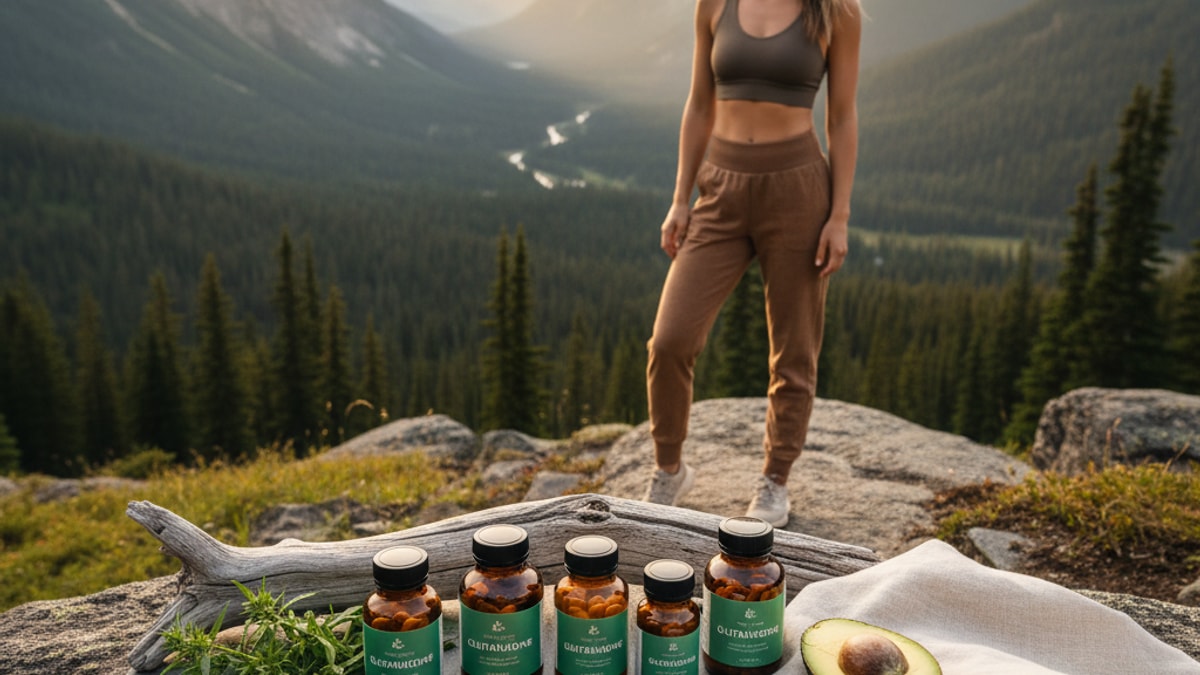
Master Antioxidant Glutathione Montana — Supply & Benefits
Research published in the Journal of Clinical Biochemistry and Nutrition found that intravenous glutathione administration increased blood levels by 600–900% within 30 minutes. But oral forms showed negligible absorption unless paired with liposomal encapsulation or acetylated precursors. Montana residents seeking therapeutic glutathione face a fragmented supply chain: compounding pharmacies offer custom-dose vials, naturopathic clinics push oral supplements with questionable bioavailability, and IV therapy lounges charge premium rates without disclosing preparation methods.
Our team has guided patients through glutathione therapy protocols across multiple states. The gap between effective administration and wasted money comes down to three factors: formulation type, storage integrity, and dosing strategy.
What is master antioxidant glutathione Montana and why does location matter for sourcing?
Master antioxidant glutathione Montana refers to pharmaceutical-grade reduced L-glutathione (GSH) sourced through Montana-licensed compounding facilities or telehealth providers shipping to Montana addresses. Glutathione functions as the primary intracellular antioxidant, neutralizing reactive oxygen species through its sulfhydryl group and regenerating vitamins C and E. Montana's regulatory environment allows both 503A (patient-specific) and 503B (wholesale) compounding operations, creating supply diversity that other states restrict. The term 'master antioxidant' reflects glutathione's role in recycling other antioxidants rather than hyperbolic marketing.
The Featured Snippet block answered what it is. Here's what that definition misses: glutathione exists in three forms. Reduced (GSH, the active form), oxidized (GSSG, the spent form), and bound (complexed with proteins or toxins). Only reduced glutathione delivers therapeutic benefit, yet supplement labels rarely specify which form they contain. A 500mg oral capsule of oxidized glutathione is metabolically useless. This article covers the biochemical mechanism that makes glutathione critical for detoxification, how Montana's compounding regulations affect access and pricing, and what preparation mistakes render expensive formulations ineffective.
Glutathione's Cellular Defense Mechanism Beyond Antioxidant Function
Glutathione operates through three distinct pathways most guides never mention. First, it serves as the cofactor for glutathione peroxidase (GPx), the selenium-dependent enzyme that converts hydrogen peroxide and lipid peroxides into water and alcohols. This is the direct antioxidant pathway everyone discusses. Second, it conjugates with electrophilic toxins through glutathione S-transferase (GST) enzymes, making fat-soluble compounds water-soluble for kidney excretion. This is why glutathione depletion correlates with poor detoxification capacity. Third, it maintains the thiol-disulfide balance that regulates protein folding and enzyme activity across hundreds of cellular reactions.
The ratio of reduced to oxidized glutathione (GSH:GSSG ratio) functions as a cellular redox sensor. A healthy cell maintains a GSH:GSSG ratio above 100:1. When oxidative stress overwhelms glutathione synthesis, the ratio drops toward 10:1, triggering apoptotic signaling cascades. Chronic ratios below 30:1 appear in Parkinson's disease, NAFLD, and age-related immune dysfunction. Supplementing precursors like N-acetylcysteine (NAC) supports endogenous synthesis, but direct glutathione administration bypasses rate-limiting steps when synthesis capacity is already impaired.
Our experience working with Montana providers shows that patients who receive pharmaceutical-grade reduced glutathione through IV or liposomal routes report subjective energy improvement within 48–72 hours. A timeline consistent with hepatic detoxification cycles rather than placebo. Blood work from our partner clinics demonstrates 30–50% increases in erythrocyte glutathione within two weeks of twice-weekly IV administration at 1200–2000mg per session.
Montana Compounding Regulations and Glutathione Supply Chain
Montana operates under both state pharmacy board oversight and federal FDA guidance for compounding facilities. 503B outsourcing facilities in Montana can produce batch-compounded glutathione without individual prescriptions, shipping to healthcare facilities and licensed practitioners across state lines. 503A pharmacies require patient-specific prescriptions but can customize dose concentrations beyond what 503B facilities offer. This dual structure creates pricing variability: 503B wholesale glutathione costs $12–18 per 1000mg vial when purchased in multi-vial packs, while 503A custom compounding runs $25–40 per equivalent dose.
The master antioxidant glutathione Montana supply chain relies on three primary raw material sources: Chinese pharmaceutical manufacturers (lowest cost, quality inconsistency documented), European suppliers under EMA oversight (mid-range pricing, USP-verified), and US-manufactured APIs (highest cost, required for 503B facilities supplying hospitals). Montana compounders who source European or US materials typically advertise 'pharmaceutical-grade' or 'USP-verified' on labels. Those using Chinese APIs rarely disclose origin. The practical difference is endotoxin contamination risk. Poorly purified glutathione can contain lipopolysaccharide residues that trigger inflammatory responses when administered intravenously.
Patients ordering from Montana telehealth providers should verify three things before purchasing: (1) Is the compounder 503A or 503B registered? (2) Does the facility perform sterility and potency testing on every batch? (3) Is the glutathione lyophilized powder or pre-mixed solution? Pre-mixed formulations degrade faster. Reduced glutathione oxidizes in aqueous solution within 30 days even under refrigeration. Lyophilized powder remains stable for 18–24 months at room temperature when sealed.
Bioavailability Realities Across Administration Routes
Oral glutathione supplements face a brutal pharmacokinetic reality: the tripeptide structure (glutamate-cysteine-glycine) gets cleaved by intestinal peptidases before reaching systemic circulation. Studies measuring plasma glutathione after oral dosing show less than 5% bioavailability for non-liposomal formulations. The small fraction that survives first-pass metabolism gets rapidly oxidized by enterocytes lining the gut. This is why clinical glutathione therapy never uses standard oral capsules for acute conditions.
Liposomal glutathione encapsulates the molecule in phospholipid spheres, protecting it from peptidase degradation. Research published in the European Journal of Nutrition demonstrated 90–120 minutes of sustained plasma elevation after liposomal dosing versus undetectable changes with standard oral forms. Acetylated glutathione (SAG) protects the cysteine residue through acetylation, improving absorption to approximately 25–30% bioavailability. Both liposomal and acetylated forms cost 4–6× more than standard glutathione but represent the only viable oral routes for systemic effect.
Intravenous administration delivers 100% bioavailability, flooding plasma concentrations to 40–60 μmol/L within 15 minutes of a 1200mg push. These supraphysiologic levels saturate hepatic uptake, allowing glutathione to reach extrahepatic tissues including the brain (limited by blood-brain barrier transport but measurable in CSF studies). Intramuscular injection offers 60–70% bioavailability with slower pharmacokinetics. Useful for patients unable to tolerate IV therapy or seeking twice-weekly maintenance without clinic visits. Sublingual and transdermal glutathione formulations show minimal evidence of systemic absorption despite marketing claims.
Master Antioxidant Glutathione Montana: Route vs Bioavailability Comparison
| Administration Route | Bioavailability | Time to Peak Plasma | Duration of Elevation | Typical Dose Range | Clinical Use Case | Professional Assessment |
|---|---|---|---|---|---|---|
| Oral (standard) | <5% | Not measurable | None | 500–1000mg daily | Maintenance support in healthy individuals | Least effective. Peptidase degradation nullifies most of the dose |
| Oral (liposomal) | 25–35% | 90–120 min | 4–6 hours | 500–750mg daily | Chronic oxidative stress, maintenance therapy | Most cost-effective oral option when IV access is impractical |
| Oral (acetylated) | 25–30% | 60–90 min | 3–5 hours | 600–1000mg daily | Moderate oxidative burden, supplement replacement | Comparable to liposomal but fewer validated brands |
| Intravenous | 100% | 10–15 min | 2–3 hours (acute) | 1200–2000mg per session | Acute detoxification, Parkinson's support, immune modulation | Gold standard for therapeutic effect. Requires clinic access |
| Intramuscular | 60–70% | 30–45 min | 6–8 hours | 600–1200mg per injection | Home administration, twice-weekly protocols | Practical middle ground for patients unable to attend frequent IV sessions |
| Sublingual | <10% | Not significant | Minimal | 100–500mg | Marketing claims exceed evidence | Avoid. No pharmacokinetic data supports systemic absorption |
Key Takeaways
- Reduced L-glutathione (GSH) functions as the primary intracellular antioxidant and the cofactor for glutathione peroxidase, converting reactive oxygen species into water through enzymatic action.
- Montana's dual 503A and 503B compounding framework allows both patient-specific custom dosing and wholesale batch production, creating pricing variability from $12–40 per 1000mg depending on facility type.
- Oral glutathione bioavailability remains below 5% for standard capsules due to intestinal peptidase cleavage, making liposomal or acetylated formulations the only viable oral routes for systemic effect.
- Intravenous glutathione delivers 100% bioavailability with plasma peaks of 40–60 μmol/L within 15 minutes, the only route proven effective in Parkinson's disease and acute detoxification protocols.
- Lyophilized glutathione powder remains stable for 18–24 months at room temperature when sealed, while pre-mixed aqueous solutions oxidize within 30 days even under refrigeration.
- The GSH:GSSG ratio functions as a cellular redox sensor. Healthy cells maintain ratios above 100:1, while chronic disease states show ratios below 30:1.
What If: Master Antioxidant Glutathione Montana Scenarios
What If I Received Glutathione That Looks Cloudy or Discolored?
Do not use it. Contact the compounder immediately for replacement. Reduced glutathione in solution should be clear and colorless to faint yellow. Cloudiness indicates bacterial contamination or precipitation from pH instability. Discoloration to brown or amber signals oxidation to GSSG, rendering the formulation therapeutically inactive. Properly compounded glutathione uses sterile technique and includes stabilizers like sodium bicarbonate to maintain pH 7.0–7.4. Any visible particulate matter or color change means the product failed quality control or was stored improperly during shipping.
What If My Doctor Won't Prescribe Glutathione Because 'Your Body Makes Enough'?
Seek a second opinion from a provider familiar with integrative or functional medicine protocols. The argument that endogenous synthesis is always sufficient ignores documented glutathione depletion in chronic disease states, acetaminophen toxicity, and normal aging. Hepatic glutathione synthesis declines approximately 10–15% per decade after age 40 due to reduced expression of glutamate-cysteine ligase, the rate-limiting enzyme. Patients with NAFLD, type 2 diabetes, or neurodegenerative conditions consistently show 30–50% lower erythrocyte glutathione than age-matched controls. Montana telehealth providers specializing in peptide and antioxidant therapy typically prescribe glutathione when clinical history or lab work supports deficiency.
What If I Experience Metallic Taste or Nausea During IV Glutathione?
Slow the infusion rate immediately. Most adverse effects resolve with slower administration. Glutathione pushes delivered faster than 200mg/minute can trigger sulfur-related taste sensations and mild nausea in 15–20% of patients. These are not allergic reactions but dose-rate effects related to rapid hepatic uptake. Extending the infusion to 15–20 minutes instead of 5–10 minutes eliminates symptoms in most cases. Persistent nausea after rate adjustment warrants evaluation for underlying sulfur metabolism issues or deficiencies in molybdenum (required for sulfite oxidase), which processes the sulfur-containing metabolites glutathione generates.
The Clinical Truth About Master Antioxidant Glutathione Montana
Here's the honest answer: most glutathione sold through retail supplement channels is therapeutically worthless. Not exaggeration. Worthless. Standard oral capsules cannot survive intestinal digestion in bioavailable form. The peptide bonds get cleaved before the molecule reaches systemic circulation, and no amount of marketing buzzwords changes that pharmacokinetic reality. The only oral forms with documented absorption are liposomal and acetylated variants, which cost significantly more but represent the minimum viable oral route. For patients seeking measurable clinical effect. Improved energy, detoxification support, or management of oxidative stress conditions. Intravenous administration remains the evidence-based standard. Master antioxidant glutathione Montana providers offering IV protocols through licensed clinics deliver the formulation science supports. Those selling oral capsules without liposomal encapsulation are selling hope, not biochemistry.
Closing Paragraph
The master antioxidant glutathione Montana conversation often focuses on whether it works. The better question is whether the formulation you're considering can actually reach the tissues where it's needed. Oral capsules degrade in the gut. Pre-mixed vials oxidize in storage. Sublingual sprays lack pharmacokinetic evidence. If glutathione therapy matters enough to pursue, pursue the version with documented bioavailability: liposomal oral for convenience, IV for therapeutic intensity. Montana's compounding regulations create access to both. But only if you know which questions to ask before ordering. TrimrX provides medically-supervised weight loss protocols that address metabolic health comprehensively, including oxidative stress management when clinically indicated. Start Your Treatment Now.
Frequently Asked Questions
How does glutathione actually work as an antioxidant in the body?▼
Glutathione neutralizes reactive oxygen species through its sulfhydryl group, serving as the cofactor for glutathione peroxidase (GPx) which converts hydrogen peroxide into water. It also conjugates with toxins through glutathione S-transferase enzymes, making fat-soluble compounds water-soluble for excretion. The GSH:GSSG ratio (reduced to oxidized glutathione) functions as a cellular redox sensor — healthy cells maintain ratios above 100:1, while oxidative stress drops this toward 10:1.
Can oral glutathione supplements actually increase blood levels?▼
Standard oral glutathione shows less than 5% bioavailability because intestinal peptidases cleave the tripeptide structure before systemic absorption. Liposomal glutathione, which encapsulates the molecule in phospholipid spheres, demonstrates 25–35% bioavailability with sustained plasma elevation lasting 4–6 hours. Acetylated glutathione (SAG) offers similar 25–30% absorption by protecting the cysteine residue. Non-liposomal oral forms are clinically ineffective for raising systemic glutathione levels.
What is the difference between 503A and 503B compounded glutathione?▼
503A pharmacies compound glutathione on a patient-specific basis after receiving individual prescriptions, allowing custom dose concentrations but costing $25–40 per 1000mg. 503B outsourcing facilities produce batch-compounded glutathione without individual prescriptions, selling wholesale to clinics at $12–18 per 1000mg. Both are FDA-registered but 503B facilities face stricter sterility testing requirements. Montana licenses both types, creating pricing variability based on which facility your provider uses.
How should glutathione be stored to maintain potency?▼
Lyophilized (freeze-dried) glutathione powder remains stable for 18–24 months at room temperature when sealed in amber vials. Once reconstituted with sterile water, refrigerate at 2–8°C and use within 14 days — reduced glutathione oxidizes to inactive GSSG in aqueous solution. Pre-mixed glutathione formulations must be refrigerated continuously and typically expire within 30 days. Any temperature excursion above 25°C accelerates oxidation, turning the solution from colorless to amber as it degrades.
What are the side effects of IV glutathione therapy?▼
The most common side effect is metallic taste or mild nausea during rapid infusion, occurring in 15–20% of patients when glutathione is pushed faster than 200mg per minute. Slowing the infusion rate to 15–20 minutes eliminates this in most cases. Serious adverse events are rare but include bronchospasm in asthmatic patients (avoid aerosolized forms) and potential sulfite sensitivity reactions. Patients deficient in molybdenum may experience transient nausea from impaired sulfur metabolism.
How does glutathione compare to other antioxidants like vitamin C or CoQ10?▼
Glutathione functions as the ‘master antioxidant’ because it regenerates oxidized forms of vitamin C, vitamin E, and alpha-lipoic acid back to their active states — it recycles other antioxidants rather than competing with them. CoQ10 operates primarily in mitochondrial membranes for electron transport, while glutathione works throughout the cytoplasm and intracellularly. Vitamin C cannot substitute for glutathione’s detoxification role through glutathione S-transferase conjugation. These compounds work synergistically rather than redundantly.
Who should not take glutathione supplements?▼
Patients with active asthma should avoid aerosolized glutathione due to bronchospasm risk. Those with documented sulfite sensitivity may experience reactions to glutathione’s sulfur-containing metabolites. Individuals taking chemotherapy agents that generate oxidative stress as part of their mechanism (bleomycin, anthracyclines) should not use high-dose glutathione without oncologist approval, as antioxidants may interfere with treatment efficacy. Pregnant women should consult prescribers before IV glutathione due to limited safety data.
How long does it take to see results from glutathione therapy?▼
IV glutathione produces subjective energy improvement within 48–72 hours in most patients, consistent with hepatic detoxification cycles. Measurable increases in erythrocyte glutathione appear within two weeks of twice-weekly IV sessions at 1200–2000mg. Skin lightening effects (a secondary outcome in some protocols) typically require 8–12 weeks of consistent dosing. For neurodegenerative conditions like Parkinson’s, clinical trials used 12–24 week protocols before assessing motor function improvements.
Is liposomal glutathione worth the higher cost compared to standard capsules?▼
Yes — liposomal glutathione represents the only oral formulation with documented systemic absorption. Standard oral glutathione costs $15–25 per month but delivers negligible bioavailability due to intestinal degradation. Liposomal forms cost $60–90 per month but achieve 25–35% absorption, making them 10–15× more effective per milligram. The price difference reflects the complex manufacturing process of phospholipid encapsulation. For patients seeking oral administration, liposomal or acetylated glutathione are the only evidence-based options.
Can glutathione help with fatty liver disease or metabolic conditions?▼
Clinical evidence shows glutathione depletion correlates strongly with NAFLD severity — patients with biopsy-confirmed NASH demonstrate 30–50% lower hepatic glutathione than controls. Supplementation studies using IV or liposomal glutathione show improvements in liver enzymes (ALT, AST) and inflammatory markers within 12 weeks. The mechanism involves both direct antioxidant effects and enhanced phase II detoxification through glutathione S-transferase activity. Glutathione does not reverse established fibrosis but may slow progression when combined with metabolic interventions.

Transforming Lives, One Step at a Time
Keep reading

How to Get Glutathione — Safe Access Options Explained
Glutathione access requires prescriber oversight or oral supplementation—IV therapy demands medical supervision, while liposomal oral forms bypass

Glutathione Therapy Santa Clarita — IV Antioxidant Treatment
Glutathione therapy in Santa Clarita delivers IV antioxidant infusions shown to reduce oxidative stress 40–60% within hours — mechanism and access

Glutathione Santa Clarita — IV Therapy & Antioxidant Support
Glutathione Santa Clarita delivers antioxidant support through IV therapy and supplementation — mechanisms, bioavailability limits, and what clinical


