Mastering Ozempic Storage: Does the Ozempic Pen Have to Be Refrigerated?
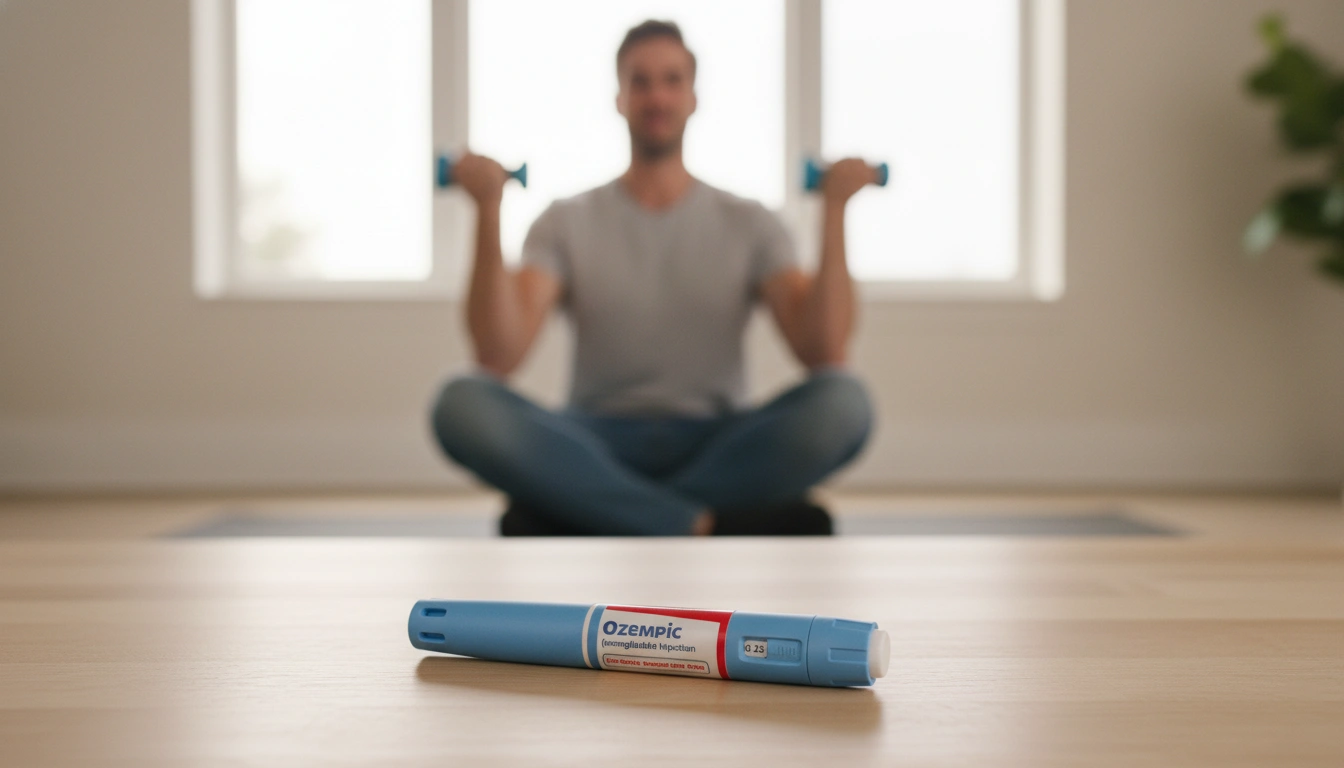
Introduction
Imagine carefully planning your health journey, consulting with experts, and receiving a medication vital to your progress, only to discover later that its effectiveness might be compromised by a simple oversight in storage. This scenario, while seemingly minor, can have a significant impact on your treatment outcomes, especially when it comes to medications like Ozempic. The precise storage requirements for injectable medications often go unnoticed, yet they are absolutely critical for maintaining the medication’s stability and ensuring it delivers its intended benefits. Understanding these nuances is not just about following instructions; it’s about safeguarding your health investment and ensuring every dose contributes effectively to your well-being.
The conversation around weight loss and metabolic health has evolved dramatically, with GLP-1 receptor agonists, such as Ozempic, playing an increasingly important role in managing type 2 diabetes and supporting significant weight loss. As individuals embark on these transformative journeys, questions naturally arise about the practical aspects of their treatment, particularly concerning medication storage. Knowing exactly when and why your Ozempic pen needs to be refrigerated, or when it can safely be kept at room temperature, empowers you to take full control of your treatment plan.
At TrimRx, our journey began with a shared vision to help individuals embrace healthier lifestyles. We merge cutting-edge telehealth innovations with effective weight loss solutions, believing that sustainable weight loss should be achieved through science, empathy, and a transparent approach. Our platform is designed to be a user-friendly and supportive space where individuals receive personalized, medically supervised care, making sustainable weight loss attainable and tailored to the individual. Part of our commitment to transparent service and compassionate care involves equipping you with all the essential information needed to manage your medications safely and effectively.
This comprehensive guide delves deep into the specific storage requirements for Ozempic, exploring the science behind why these conditions matter and offering practical tips for handling your medication at home and while traveling. We’ll clarify the critical distinctions between storing unopened and opened pens, discuss what to do if an accidental temperature excursion occurs, and provide essential insights into keeping your medication potent and safe. By the end of this post, you will have a clear, authoritative understanding of Ozempic storage, ensuring your path to better health is as seamless and effective as possible.
The Foundation of Ozempic Storage: Refrigeration Before First Use
The moment you bring home a new Ozempic pen, its journey begins with a fundamental storage requirement: refrigeration. This initial step is non-negotiable for maintaining the medication’s integrity and potency over its intended shelf life. Understanding the specifics of this requirement is the first crucial step in ensuring your treatment is as effective as possible.
Why Refrigeration is Crucial for Unopened Ozempic
Ozempic, a brand-name semaglutide injection, contains an active ingredient that is a modified protein molecule. Like many protein-based medications, semaglutide is highly sensitive to its environment, particularly temperature fluctuations. Unopened Ozempic pens must be stored in a refrigerator at a temperature range of 36°F to 46°F (2°C to 8°C). This cool, stable environment is essential for several reasons:
- Preserving Potency: Refrigeration significantly slows down the degradation process of semaglutide. Proteins, under warmer conditions, can break down more quickly, altering their molecular structure and reducing their ability to interact with the body’s receptors effectively. By keeping it cool, we ensure that each dose maintains its full strength until its expiration date.
- Preventing Bacterial Growth: While less common for sterile injectable solutions in sealed pens, extreme temperature variations can, in some scenarios, indirectly affect the overall sterility or stability over very long periods. The controlled refrigeration environment minimizes any such risks.
- Extending Shelf Life: When an unopened Ozempic pen is continuously refrigerated within the recommended temperature range, it remains viable until the expiration date printed on the pen and its carton. This offers peace of mind, allowing you to store your medication securely until it’s time for its first use.
It is important to understand that this guideline isn’t merely a suggestion; it’s a critical instruction rooted in pharmaceutical science to guarantee the medication performs as intended. Ignoring this initial refrigeration step can lead to a pen becoming less effective, potentially impacting your blood sugar management or weight loss progress.
What Happens if Unopened Ozempic Isn’t Refrigerated Properly?
The consequences of improper refrigeration for an unopened Ozempic pen are primarily related to a loss of efficacy. If an unused pen is left unrefrigerated, especially at temperatures exceeding 46°F (8°C) for an extended period, the active ingredient, semaglutide, may begin to degrade prematurely. This means that even if the physical appearance of the liquid remains unchanged, the medication’s ability to achieve its therapeutic effect—whether it’s improving blood sugar control or contributing to weight management—could be compromised.
If you find that an unopened Ozempic pen has been left unrefrigerated for more than 24 hours or exposed to temperatures above 86°F (30°C), the safest course of action is to discard it. The potential risk of using a compromised medication, which may not deliver the full intended therapeutic benefits, outweighs the cost of replacing it. Our dedication at TrimRx is to safe and effective weight loss, and that includes ensuring you always use medication that is properly stored and fully potent. If you’re ever unsure about the viability of your medication due to storage concerns, we encourage you to reach out to a healthcare professional or pharmacist for guidance.
Navigating Post-First Use Storage: Flexibility and Best Practices
Once you’ve administered your first dose from an Ozempic pen, the storage guidelines become more flexible, offering convenience without compromising safety or efficacy. This shift in requirements is a testament to extensive research and testing by the manufacturer, ensuring stability under specific conditions after the initial puncture.
Storing Your Opened Ozempic Pen: Refrigerator or Room Temperature?
After the initial use, an opened Ozempic pen offers you a choice: you can continue to store it in the refrigerator, or you can keep it at room temperature. This flexibility is a key aspect of managing your medication comfortably and effectively.
- Refrigerator Storage (36°F to 46°F / 2°C to 8°C): Continuing to store your opened pen in the refrigerator is perfectly acceptable. This keeps the medication in a consistent, cool environment, which many individuals prefer for maintaining stability.
- Room Temperature Storage (59°F to 86°F / 15°C to 30°C): For many, storing an opened Ozempic pen at room temperature is more convenient. It eliminates the need to remember to take the pen out of the fridge before injection to allow it to warm up, potentially making the injection process more comfortable. It’s a common experience that cold injections can sometimes cause a slight sting, which can be mitigated by allowing the medication to reach room temperature.
Regardless of whether you choose refrigeration or room temperature storage after first use, a critical rule applies: an opened Ozempic pen must be discarded after 56 days (8 weeks), even if there is still medication remaining in the pen. This 56-day limit is based on data regarding the medication’s stability and sterility once it has been punctured and exposed to air. Marking the date of first use on your calendar or directly on the pen with a permanent marker is an excellent way to track this crucial deadline, aligning with our results-oriented approach at TrimRx to help you stay on track with your health goals.
The Science Behind Post-Use Stability
The ability to store an opened Ozempic pen at room temperature for up to 56 days is a result of rigorous testing. Semaglutide is designed to maintain its stability and effectiveness within this specific temperature range for the designated period after first use. The pen’s design, including its protective cap, also plays a role in shielding the medication from light and potential contaminants when not in use.
However, the delicate protein structure of semaglutide remains vulnerable to extreme temperatures. Exposing an opened pen to temperatures above 86°F (30°C) can accelerate its degradation, leading to a loss of potency. Similarly, freezing an opened pen will cause irreversible damage to the medication, rendering it unusable. Therefore, while there is flexibility in storage, adherence to the temperature limits is paramount.
Practical Tips for Optimal Ozempic Storage
To ensure your Ozempic pen remains effective and safe throughout its use, consider these practical recommendations:
- Date Your Pen: Immediately after your first injection, write the date on the pen. This simple habit helps you quickly identify when the 56-day period is complete, reminding you when to safely discard the pen.
- Keep the Pen Cap On: Always replace the pen cap after each use. This protects the medication from light exposure, which can contribute to degradation, and helps maintain a sterile environment for the needle attachment area.
- Choose a Consistent Spot: Whether in the fridge or at room temperature, select a consistent and safe place for your pen. Avoid areas prone to extreme temperature swings, such as near windows (direct sunlight), heating vents, or the freezer compartment in your refrigerator. Storing pens in their original carton can provide an extra layer of protection from light.
- Inspect Before Each Use: Before every injection, visually inspect the Ozempic solution. It should appear clear and colorless, free from any cloudy appearance or visible particles. If you notice any changes in color, clarity, or the presence of particles, do not use the pen and consult a healthcare professional.
- Never Freeze: Under no circumstances should Ozempic be frozen. If a pen has accidentally frozen, even if it thaws, the medication’s delicate structure is permanently compromised, rendering it ineffective. Discard any frozen pens immediately.
- Proper Needle Disposal: Always remove and safely discard the needle after each injection. Attaching a new, sterile needle for every dose is critical for hygiene and efficacy. Never store the pen with a needle attached.
- Do Not Share: An Ozempic pen is intended for single-person use only. Sharing your pen, even with a new needle, carries a significant risk of transmitting infections. Our emphasis on personalized, medically supervised care means we advocate for individual treatment plans and the safe use of all medications.
By following these guidelines, you can confidently manage your Ozempic medication, knowing you are supporting its effectiveness and your health journey. For those exploring their weight loss options, remember that our comprehensive service at TrimRx includes physician consultations, medication, lab work, unlimited support, and shipping, all designed to offer you peace of mind and no hidden fees as you embark on a healthier lifestyle.
Understanding the Consequences of Improper Storage
The integrity of any medication hinges on adherence to its recommended storage conditions. For Ozempic, a medication crucial for managing type 2 diabetes and supporting weight loss, improper storage can have direct implications for its efficacy and, consequently, your health outcomes. It’s not just about avoiding visible damage; it’s about preserving the invisible molecular stability that ensures the medication works as intended.
The Impact on Medication Efficacy
The primary concern with improper Ozempic storage revolves around the degradation of semaglutide, its active ingredient. Semaglutide is a complex protein, and proteins are susceptible to environmental factors like heat, cold (freezing), and light.
- Heat Exposure: When Ozempic is exposed to temperatures exceeding 86°F (30°C) for prolonged periods, the semaglutide molecules can begin to unfold and break down. This process, known as denaturation, irreversibly alters the protein’s structure. A denatured protein cannot bind effectively to its target receptors in the body, meaning the medication will lose its potency. If a pen has been compromised by heat, it may not adequately stimulate insulin release, slow gastric emptying, or suppress appetite, leading to suboptimal blood sugar control or reduced progress in weight management.
- Freezing: Freezing an Ozempic pen is equally detrimental. When the water content within the solution freezes, it expands, causing physical damage to the delicate protein molecules. This structural damage is permanent. Even if the pen thaws, the semaglutide will no longer function correctly. Therefore, any Ozempic pen that has been frozen must be discarded immediately.
- Light Exposure: While less dramatic than temperature extremes, prolonged exposure to direct sunlight or strong artificial light can also contribute to the degradation of semaglutide. The pen cap and original carton are designed to offer protection, highlighting the importance of using them consistently.
The risk associated with using improperly stored Ozempic is generally not that it becomes harmful or toxic in a new way, but rather that it simply becomes less effective. This means you might be administering a dose that doesn’t deliver its full therapeutic benefit, potentially delaying progress toward your health goals. Our commitment at TrimRx is to deliver results, and that hinges on the efficacy of your personalized treatment plan, including the medications we facilitate through FDA-registered and inspected pharmacies.
When to Discard Your Ozempic Pen
Knowing when to discard an Ozempic pen is a crucial aspect of safe medication management. It’s better to err on the side of caution to ensure you’re always using medication that is fully potent. You should discard your Ozempic pen under the following circumstances:
- Expiration Date: For unopened pens, if the expiration date printed on the label has passed, the medication should be discarded, regardless of how it was stored.
- After 56 Days of First Use: For opened pens, if 56 days (8 weeks) have passed since the first injection, the pen must be discarded, even if there is medication remaining. This is a critical safety and efficacy timeline.
- Temperature Excursions:
- If an unopened pen has been left unrefrigerated at temperatures above 46°F (8°C) for an extended period (typically exceeding 24 hours).
- If any pen (opened or unopened) has been exposed to temperatures above 86°F (30°C).
- If any pen has been frozen, even if it has thawed.
- Visible Changes: If the Ozempic solution appears cloudy, discolored, or contains visible particles, it indicates degradation or contamination. The solution should always be clear and colorless.
- Suspected Damage: If you have any doubt about the integrity of your pen due to storage concerns, damage, or an unknown exposure, it is always safest to discard it and begin with a new, properly stored pen.
Making informed decisions about your medication storage is a key part of your health journey. If you are exploring options for managing your weight and type 2 diabetes, we invite you to take our free assessment quiz to see if you qualify for our personalized prescription weight loss medications, such as Ozempic®, Wegovy®, Mounjaro®, or compounded semaglutide and tirzepatide options.
Traveling with Ozempic: Keeping Your Medication Safe on the Go
Traveling, whether for business or pleasure, introduces unique challenges for medication storage. When you’re managing a medication like Ozempic, it’s essential to plan ahead to ensure your pen remains at the correct temperature and is accessible throughout your journey. Our goal at TrimRx is to support your health journey wherever life takes you, and that includes providing practical advice for maintaining your treatment regimen on the move.
Planning for Different Travel Scenarios
The key to successful travel with Ozempic lies in understanding the storage requirements for both unopened and opened pens and anticipating the environmental conditions you might encounter.
Short Trips (Under 56 Days)
For trips lasting less than 56 days, your strategy is relatively straightforward, especially if you’re only carrying an opened pen currently in use.
- Opened Pens: An opened Ozempic pen can be safely stored at room temperature (between 59°F and 86°F or 15°C and 30°C) for up to 56 days after its first use. This means for most short trips, you simply need to ensure the pen is kept away from direct sunlight, excessive heat (like a hot car interior), and freezing temperatures. No special refrigeration is needed for the pen you are actively using.
- Protection: Always keep the pen cap on to protect the medication from light. Storing it in a secure, opaque case can add an extra layer of protection and prevent accidental damage.
Longer Trips or Carrying Unopened Pens
If your travel plans extend beyond 56 days, or if you need to carry unopened Ozempic pens, you’ll need to consider methods for maintaining refrigeration for the unopened pens.
- Insulated Travel Cases: For unopened pens that must remain refrigerated, an insulated travel case or cooler is essential. These cases are designed to maintain a cool temperature for several hours or even days.
- Avoid Direct Ice Contact: Crucially, ensure that your Ozempic pens do not come into direct contact with ice packs. The extreme cold from ice can cause the medication to freeze, rendering it unusable. Use a barrier, such as a cloth or bubble wrap, between the pens and the ice pack.
- Temperature Monitoring: If possible, use a small, portable thermometer in your insulated case to monitor the temperature and ensure it stays within the 36°F to 46°F (2°C to 8°C) range for unopened pens.
- Upon Arrival: Once you reach your destination, immediately transfer any unopened Ozempic pens back into a refrigerator.
Air Travel Considerations
Flying with injectable medications requires specific awareness of Transportation Security Administration (TSA) guidelines within the United States, and similar regulations internationally. Our commitment to transparent and supportive service means we empower you with this knowledge.
- Carry-On Luggage is Key: Always pack your Ozempic pens in your carry-on luggage. Never place them in checked baggage. Cargo holds on airplanes can experience extreme temperature fluctuations, both hot and cold, which could damage your medication.
- TSA Regulations: The TSA allows “medically necessary liquids, gels, and aerosols in reasonable quantities exceeding 3.4 ounces (100 milliliters) in your carry-on bag.” This includes injectable medications.
- Declaration: You must declare these items to security officers at the checkpoint for inspection.
- Separate Bag: It’s often recommended to place your medication, syringes, and any cooling packs in a clear, sealable plastic bag, separate from other liquids, to facilitate easier screening.
- Labeling: While not strictly required by TSA, clearly labeling your medication with the prescription label can be helpful for identification.
- Doctor’s Letter: For international travel, or if you prefer extra assurance, carrying a letter from your doctor explaining your need for injectable medication can be beneficial. This letter should specify the medication name, your condition, and the necessity of carrying syringes and needles.
- Needles and Sharps Disposal: New, unused needles and syringes are permitted in your carry-on when accompanied by your injectable medication. However, after use, you’ll need a safe way to dispose of them.
- Travel-Size Sharps Containers: Invest in a small, travel-size sharps disposal container. These are designed to safely contain used needles and prevent accidental punctures.
- Disposal at Destination: Research local regulations for sharps disposal at your destination. Many pharmacies, hospitals, or clinics offer sharps disposal services. Do not dispose of sharps in regular trash cans.
Car Travel Tips
Road trips offer more control over your immediate environment but still demand vigilance.
- Avoid the Trunk: Never leave Ozempic pens in the trunk of a car. Trunks can reach extremely high temperatures in warm weather or freezing temperatures in cold weather, far exceeding safe storage limits.
- Main Cabin Storage: Keep your medication in the main cabin of the vehicle, ideally in an insulated bag, away from direct sunlight beaming through windows.
- Temperature Control: If you leave the car for an extended period, especially in extreme weather, take your medication with you or ensure the car’s interior temperature is regulated (e.g., by parking in the shade or briefly running the AC/heater).
By proactively planning and adhering to these guidelines, you can ensure your Ozempic medication remains safe and effective throughout your travels, allowing you to focus on enjoying your journey and maintaining your commitment to a healthier lifestyle. Our supportive approach extends to every aspect of your weight loss journey, helping you navigate challenges with confidence.
Beyond Ozempic: Storage Guidelines for Other GLP-1 Medications
While Ozempic is a widely discussed GLP-1 receptor agonist, it’s important to recognize that many similar medications exist, each with its unique storage requirements. At TrimRx, we offer a range of personalized prescription options, including compounded semaglutide, oral semaglutide, Ozempic®, compounded tirzepatide, oral tirzepatide, Mounjaro®, Zepbound®, and Wegovy®. While they share mechanisms of action, their specific formulations and delivery systems necessitate distinct storage protocols. Our commitment to innovative and personalized care means we guide you through the specifics of each treatment.
Common GLP-1 Receptor Agonists and Their Storage Nuances
Understanding the storage differences among these medications is crucial for anyone considering or currently using a GLP-1 RA for weight management or type 2 diabetes.
Wegovy (Semaglutide)
Wegovy shares its active ingredient, semaglutide, with Ozempic, but it is specifically FDA-approved for chronic weight management. The storage guidelines for Wegovy have some key distinctions due to its single-dose pen format:
- Unopened Pens: Must be stored in a refrigerator (36°F–46°F or 2°C–8°C). However, unopened Wegovy pens can be kept at room temperature (up to 86°F or 30°C) for a maximum of 28 days before use. If it has been at room temperature for longer than 28 days, it must be discarded.
- After First Use: Since Wegovy comes in single-dose pens, there is no “after first use” storage period comparable to Ozempic. You inject the dose and then discard the entire pen immediately.
Mounjaro (Tirzepatide) and Zepbound (Tirzepatide)
Mounjaro and Zepbound contain tirzepatide, a dual GIP and GLP-1 receptor agonist. Mounjaro is FDA-approved for type 2 diabetes, while Zepbound is FDA-approved for chronic weight management. Their storage guidelines are similar:
- Unopened Pens: Must be stored in a refrigerator (36°F–46°F or 2°C–8°C).
- Room Temperature Storage: Both Mounjaro and Zepbound can be stored at room temperature (up to 86°F or 30°C) for a maximum of 21 days. If left at room temperature longer, they must be discarded.
- After First Use: Like Wegovy, these also come as single-dose pens, meaning the pen is used once and then discarded.
Compounded Medications (Semaglutide & Tirzepatide)
For compounded medications, such as compounded semaglutide and compounded tirzepatide, which our FDA-registered and inspected pharmacies provide, specific storage instructions are provided with the medication itself.
- Individualized Instructions: Due to variations in formulation and preparation by compounding pharmacies, always adhere strictly to the storage instructions provided by the dispensing pharmacy. These instructions will clearly state refrigeration requirements, shelf life, and discard dates.
- No FDA Approval for Compounded Medications: It’s important to clarify that compounded medications are not FDA-approved. However, we partner exclusively with FDA-registered and inspected pharmacies for the shipping of these weight loss medications, ensuring the highest standards of safety and quality for our members.
Why Different Guidelines Matter
The variations in storage guidelines among these GLP-1 medications stem from several factors:
- Molecular Structure: While all are GLP-1 RAs (or GIP/GLP-1 RAs), subtle differences in their molecular structure or formulation can affect their stability under various environmental conditions.
- Concentration and Excipients: The concentration of the active ingredient and the specific inactive ingredients (excipients) used in each formulation can influence how well the medication tolerates temperature changes.
- Packaging and Delivery System: Whether a medication comes in a multi-dose pen, single-dose pen, or a vial for compounding can impact its stability once opened or prepared.
- Manufacturer Testing: Each manufacturer conducts extensive stability testing to determine the precise conditions under which their product remains safe and effective. These tests dictate the recommended storage instructions.
Your Personalized TrimRx Journey
At TrimRx, our empathetic and personalized approach ensures that when you embark on a weight loss journey with us, you receive clear, actionable guidance on every aspect of your treatment. When you take our free assessment quiz, we don’t just determine your eligibility for prescription weight loss medications; we also provide comprehensive support on how to properly store and manage your specific medication. This includes doctor consultations, necessary lab work, unlimited support, and convenient shipping, all without hidden fees.
We emphasize safety by working exclusively with FDA-registered and inspected pharmacies for the shipping of your weight loss medications. This commitment extends to transparent service, ensuring that our approach remains consistent, regardless of dosage changes. Our goal is to empower you with the knowledge and resources to achieve sustainable weight loss safely and effectively.
For those looking for immediate support for their wellness journey, we also offer quick-access supplements that do not require a quiz. Consider exploring our GLP-1 Daily Support to aid in maintaining metabolic balance and our Weight Loss Boost to complement your efforts. These supplements are designed to provide additional assistance as you work towards your health goals.
Always remember that meticulous attention to storage instructions is not just a formality; it’s a vital component of ensuring your medication performs optimally, supporting your journey towards a healthier, more vibrant you.
Conclusion
Understanding the precise storage requirements for your Ozempic pen, or any GLP-1 medication, is far more than a minor detail; it is a fundamental aspect of safeguarding your health and optimizing the effectiveness of your treatment. We’ve journeyed through the critical distinctions between storing unopened and opened pens, explored the scientific rationale behind temperature sensitivities, and offered practical strategies for managing your medication at home and during travel. The takeaway is clear: while an unopened Ozempic pen absolutely does need to be refrigerated, a started pen offers greater flexibility, allowing storage at room temperature for up to 56 days, provided it remains within the specified temperature range.
At TrimRx, we stand by our core values of science, empathy, and transparency. Our innovative platform is built to provide personalized, medically supervised care that respects every individual’s unique journey. We understand that navigating the complexities of weight loss medications, including storage protocols, can be challenging. That’s why we are dedicated to providing clear, authoritative guidance, coupled with compassionate support, every step of the way.
By diligently adhering to these storage guidelines, you empower yourself to ensure that every dose of your medication is as potent and effective as intended. This commitment to proper care directly contributes to achieving your health goals, whether it’s improved blood sugar management or significant, sustainable weight loss.
We invite you to take the next step in your health journey with us. If you’re ready to explore personalized, clinically proven weight loss solutions, we encourage you to take our free assessment quiz. This quiz will help us determine your eligibility for prescription weight loss medications like Ozempic®, Wegovy®, Mounjaro®, Zepbound®, or our compounded options, connecting you to a tailored plan that includes doctor consultations, lab work, unlimited support, and seamless medication delivery from FDA-registered and inspected pharmacies.
For immediate support to complement your wellness efforts, consider our quick-access supplements, available without a quiz. Explore our GLP-1 Daily Support and Weight Loss Boost to enhance your journey towards optimal health. Together, let’s embrace a future where effective, safe, and personalized weight loss is within reach.
FAQ
Q1: Does the Ozempic pen have to be refrigerated before its first use?
Yes, absolutely. Unopened Ozempic pens must be stored in a refrigerator at a temperature between 36°F and 46°F (2°C to 8°C) until the first time you use them or until their expiration date. This crucial step preserves the integrity and potency of the active ingredient, semaglutide. If an unopened pen is left unrefrigerated for an extended period, especially above 86°F (30°C), it should be discarded as its effectiveness may be compromised.
Q2: What are the storage options for an Ozempic pen after I’ve used it for the first time?
Once you’ve used an Ozempic pen for the first time, you have two flexible storage options for up to 56 days (8 weeks): you can continue to keep it in the refrigerator (36°F to 46°F or 2°C to 8°C), or you can store it at room temperature (between 59°F and 86°F or 15°C and 30°C). After 56 days, regardless of where it was stored, the pen must be discarded, even if there’s medication remaining. We recommend marking the date of first use on the pen to help you keep track.
Q3: What should I do if my Ozempic pen accidentally freezes?
If your Ozempic pen accidentally freezes, you must discard it immediately. Freezing causes irreversible damage to the delicate protein structure of the semaglutide, making the medication ineffective, even if it thaws. Never use an Ozempic pen that has been frozen. To prevent freezing, ensure your refrigerator is set to the correct temperature range and avoid placing the pen too close to the freezer compartment or cooling elements.
Q4: Can I travel with my Ozempic pen without continuous refrigeration?
Yes, for an opened Ozempic pen that you are actively using, you can typically travel without continuous refrigeration, as it can be stored at room temperature (up to 86°F or 30°C) for up to 56 days after its first use. For unopened pens that still require refrigeration, you’ll need to use an insulated travel case with gel packs (avoiding direct contact with ice) to maintain the correct temperature range. When flying, always pack Ozempic in your carry-on luggage and inform TSA officers during screening.

Transforming Lives, One Step at a Time
Keep reading

Ozempic and Bloating: Why It Happens and How to Reduce It
Bloating is one of the most consistently reported GI side effects of Ozempic, and it’s one that tends to linger longer than nausea for…

Ozempic and Muscle Cramps: Causes and Solutions
Muscle cramps don’t get as much attention as nausea or fatigue in conversations about Ozempic side effects, but they’re a real and often frustrating…
Ozempic and Dizziness: Causes and When to Call Your Doctor
Dizziness is one of those Ozempic side effects that tends to catch people off guard. Unlike nausea, which most patients expect going in, dizziness…


