Mastering Your Health Journey: How to Dose Ozempic Pen Effectively
Introduction
Embarking on a weight loss or diabetes management journey can feel like navigating a complex landscape, especially when it involves new medications and administration methods. For many, the Ozempic® pen represents a significant step forward in managing type 2 diabetes and, for some, supporting weight loss efforts. The precision and consistency required for its use are paramount to achieving the best possible health outcomes. Yet, the initial steps of preparing and administering your medication can sometimes feel daunting, leaving many with questions about proper technique and what to expect.
At TrimRx, our journey began with a shared vision: to empower individuals to embrace healthier lifestyles. We merge cutting-edge telehealth innovations with effective, medically supervised weight loss solutions, making sustainable health truly attainable and tailored to the individual. We believe that sustainable weight loss should be achieved through science, empathy, and a transparent approach, extending our commitment to clarity and support to every aspect of your wellness path.
This comprehensive guide is designed to demystify the process of using your Ozempic® pen. We will walk you through each critical step, from understanding the different pen types and preparing for your injection to selecting the correct dose and safely administering your medication. Our aim is to provide you with the knowledge and confidence you need to manage your treatment effectively, ensuring that every injection is administered correctly and safely. We will also delve into important considerations like storage, safety precautions, and how a holistic, personalized approach can amplify your success. By the end of this post, you’ll have a clear understanding of how to dose Ozempic pen confidently, equipped with the insights needed to integrate this vital step seamlessly into your routine, all while understanding how TrimRx can support your broader health goals.
Understanding Ozempic® and Its Role in Health Management
Ozempic® (semaglutide) is a prescription medication primarily approved by the FDA for adults with type 2 diabetes mellitus. It is used alongside diet and exercise to improve blood sugar (glucose) control. Beyond its role in glycemic management, Ozempic® has also been shown to reduce the risk of major cardiovascular events, such as heart attack, stroke, or death, in adults with type 2 diabetes and known heart disease. Additionally, for patients with type 2 diabetes and chronic kidney disease, it can help reduce the risk of worsening kidney disease and cardiovascular death. While not directly FDA-approved for weight loss, many individuals using Ozempic® for its approved indications experience significant weight reduction as a beneficial side effect.
How Ozempic® Works in the Body
Ozempic® belongs to a class of medications called GLP-1 receptor agonists. GLP-1, or glucagon-like peptide-1, is a natural hormone found in your body that plays a crucial role in regulating blood sugar. When you take Ozempic®, it mimics the action of this natural hormone, leading to several beneficial effects:
- Stimulates Insulin Release: It encourages your pancreas to release more insulin when blood sugar levels are high, typically after meals. This helps transport glucose from your bloodstream into your cells for energy.
- Decreases Glucagon Secretion: It reduces the amount of glucagon, another hormone produced by the pancreas, which signals the liver to release stored sugar. By lowering glucagon, Ozempic® helps prevent the liver from producing too much glucose.
- Slows Gastric Emptying: It slows down how quickly food leaves your stomach, which can help you feel fuller for longer, reduce overall calorie intake, and prevent rapid spikes in blood sugar after eating.
- Impact on Appetite Centers: While not its primary mechanism for diabetes, slowing gastric emptying and potentially influencing appetite-regulating centers in the brain contributes to its observed weight loss benefits.
These combined actions contribute to better blood sugar control and, for many, support reductions in body weight, which can be a significant factor in managing overall health. It’s important to remember that Ozempic® is a tool within a broader health strategy, emphasizing diet, exercise, and personalized medical guidance. If you’re exploring how a personalized, medically supervised plan incorporating medications like Ozempic® or other GLP-1s might benefit you, we encourage you to take our free assessment quiz to determine your eligibility.
The Ozempic® Pen: A Detailed Overview
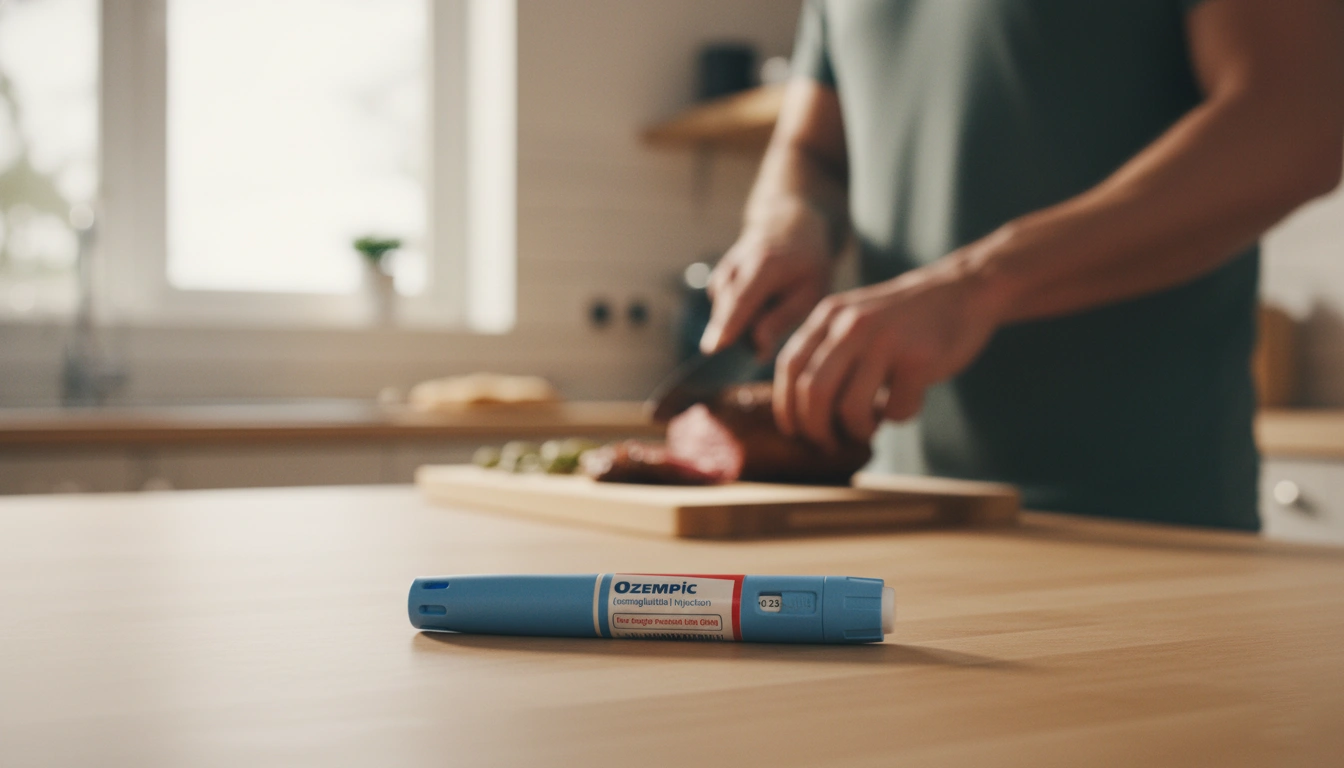
The Ozempic® pen is a pre-filled, self-injectable device designed for convenient weekly administration. Understanding the various pen configurations and how they deliver medication is fundamental to successful treatment. Ozempic® pens come in different sizes, each containing a specific total amount of semaglutide solution, tailored to deliver distinct maintenance doses.
Different Pen Types and Dosages
Ozempic® pens are designed to deliver precise doses, typically on a weekly basis. Our medical professionals will help determine the appropriate starting dose and guide you through any necessary titrations. The available pens are generally categorized by the maximum weekly dose they can deliver:
- The 0.25 mg/0.5 mg Pen (2 mg/3 mL total strength): This pen is designed for treatment initiation. It can deliver 4 weekly doses of 0.25 mg, which is a common starting dose to help your body adjust, and 2 weekly doses of 0.5 mg, or 4 weekly doses of 0.5 mg. The 0.25 mg dose is primarily for initiation and adjustment, not typically effective for long-term blood sugar lowering.
- The 1 mg Pen (4 mg/3 mL total strength): This pen is intended for maintenance treatment, delivering 4 weekly doses of 1 mg.
- The 2 mg Pen (8 mg/3 mL total strength): Also for maintenance, this pen delivers 4 weekly doses of 2 mg.
Each pen is designed to hold approximately a month’s supply of medication when used at its designated maintenance dose. It’s crucial to use the pen prescribed by your healthcare provider, as attempting to extract different doses from a pen not designed for them can lead to incorrect dosing.
Why Dosing Matters: Titration and Side Effect Management
Effective dosing of Ozempic® often involves a process called titration, where you start with a lower dose and gradually increase it over several weeks. This approach is medically supervised and designed to:
- Minimize Side Effects: Common side effects such as nausea, vomiting, diarrhea, or constipation are more likely when starting treatment or increasing the dose too quickly. By gradually increasing the dose, your body has time to adjust, which can help mitigate these gastrointestinal effects.
- Optimize Efficacy: Titration allows your healthcare provider to find the lowest effective dose for you, balancing efficacy with tolerability.
Our medically supervised programs at TrimRx ensure that your dosing schedule is carefully managed by qualified professionals. We provide compassionate care that respects every individual’s unique journey, combining advanced medical science with modern technology. This personalized approach is vital for safe and effective weight management. When considering your options for prescription weight loss medications like Ozempic®, Compounded Semaglutide, Oral Semaglutide, Compounded Tirzepatide, Oral Tirzepatide, Mounjaro®, Zepbound®, or Wegovy®, a tailored plan is key. Discover which path is right for you by taking our free assessment quiz today.
Step-by-Step Guide: How to Dose Ozempic® Pen
Learning how to dose Ozempic pen properly is a critical skill for anyone managing their treatment. Our goal is to make this process as clear and straightforward as possible, ensuring you feel confident and secure with each weekly injection.
1. Preparation: Getting Ready for Your Injection
Before you begin, gather all necessary supplies: your Ozempic® pen, a new NovoFine® Plus needle (usually provided with the pen), and an alcohol swab.
A. Checking the Pen
- Verify Medication: Always start by checking the label on your Ozempic® pen to ensure it matches the medication and dose strength your healthcare provider prescribed.
- Inspect the Liquid: Look at the liquid inside the pen window. It should be clear and colorless. If it appears cloudy, contains particles, or is discolored, do not use the pen. Contact your pharmacy or healthcare provider for guidance.
- Check Expiration Date: Confirm that the pen has not passed its expiration date.
B. Attaching a New Needle
- Always Use a New Needle: It is paramount to use a new, sterile needle for each injection. Reusing needles increases the risk of contamination, infection, leakage, and blocked needles. Never share your Ozempic® pen or needles with anyone else, even if the needle has been changed, as this can transmit serious infections.
- Steps for Attachment:
- Tear off the paper tab from a new needle.
- Push the needle straight onto the pen and turn it until it is on tight.
- Carefully pull off the outer needle cap and then the inner needle cap. Dispose of the inner cap immediately.
2. Flow Check: Ensuring Proper Medication Flow
The flow check is a crucial step to perform only before your first injection with each new Ozempic® pen. This ensures that the pen is ready to deliver the medication correctly and that there are no blockages.
- Perform the Flow Check:
- Turn the dose selector until the flow check symbol (often two dots) appears in the dose counter window.
- Hold the pen with the needle pointing upwards.
- Press and hold the dose button until the dose counter shows “0.”
- Observe the needle tip: A drop of Ozempic® should appear.
- Troubleshooting: If no drop appears, repeat the flow check up to six times. If there is still no drop, change the needle and try one more time. If a drop still does not appear, do not use that pen. Contact your healthcare provider or the manufacturer.
3. Dose Selection: Dialing in Your Prescribed Amount
Once your pen is prepped and the flow is confirmed, it’s time to select your prescribed weekly dose.
- Dial the Dose: Turn the dose selector until the dose your doctor prescribed (e.g., 0.5 mg, 1 mg, 2 mg) appears in the dose counter window. The number must align precisely with the dose pointer.
- Check for Sufficient Medication: If the dose counter stops before your prescribed dose appears, it indicates there isn’t enough Ozempic® left in the pen for a full dose. In this scenario, do not attempt to inject a partial dose. Instead, dispose of the current pen and use a new Ozempic® pen to ensure you receive your full, medically accurate dose. Our approach at TrimRx emphasizes transparent service, ensuring your medication and treatment remain consistent and safe.
4. Injection: Administering Your Dose
The final step is administering the injection. Choosing the right site and following proper technique ensures effective absorption.
A. Choosing and Preparing the Injection Site
- Recommended Sites: Ozempic® is injected subcutaneously (under the skin) in the abdomen, thigh, or upper arm.
- Rotate Sites: Always rotate your injection site with each injection. If you choose to inject in the same general area (e.g., the abdomen), make sure to select a different spot within that area to prevent skin irritation or thickening.
- Clean the Skin: Before injecting, wipe the chosen injection site with an alcohol swab and allow it to air dry. Do not inject into skin that is tender, bruised, scaly, or hard.
B. The Injection Process
- Insert the Needle: Gently insert the needle into the skin at a 90-degree angle. Ensure you can see the dose counter.
- Press and Hold the Dose Button: Press and hold the dose button down firmly until the dose counter shows “0.”
- Count Slowly: Keep the needle in your skin while holding the dose button down and count slowly to six. This ensures the full dose has been delivered.
- Remove the Needle: Carefully remove the needle from your skin. Do not recap the needle, as this increases the risk of accidental needle sticks.
C. Needle Disposal
- Immediate Disposal: Immediately after use, place the used needle and the empty Ozempic® pen in an FDA-cleared sharps disposal container. If you don’t have a sharps container, a heavy-duty plastic household container (like a laundry detergent bottle) with a tight-fitting, puncture-resistant lid can be used, labeled to warn of hazardous waste.
- Proper Waste Management: Never dispose of needles or pens in regular household trash or recycling bins. Keep sharps containers out of reach of children and pets.
Navigating the nuances of medication administration requires reliable support. At TrimRx, we pride ourselves on providing comprehensive service that includes doctor consultations, the medication itself, necessary lab work, unlimited support, and convenient shipping—all with no hidden fees. This commitment to transparency and ongoing assistance is a cornerstone of our patient-centered care.
Important Considerations for Ozempic® Use
Beyond the mechanics of injection, there are several vital factors to consider for the safe, effective, and sustained use of your Ozempic® pen. These elements contribute significantly to your overall treatment success and safety.
Proper Storage of Your Ozempic® Pen
Correct storage ensures the medication maintains its potency and effectiveness.
- Unused Pens: New, unused Ozempic® pens should always be stored in the refrigerator, between 36°F and 46°F (2°C and 8°C).
- Pen in Use: Once you start using a pen, you have flexibility. It can be stored either at room temperature (between 59°F and 86°F or 15°C and 30°C) or in the refrigerator (36°F to 46°F or 2°C to 8°C).
- Duration of Use: Regardless of storage method, an Ozempic® pen that has been in use should be discarded after 56 days (8 weeks), even if there is still medication left in it.
- Avoid Freezing: Never freeze Ozempic®. If it has been frozen, do not use it.
- Protect from Light and Heat: Keep Ozempic® away from direct heat and light. Do not store it in your car, as temperatures can fluctuate dramatically.
- Child Safety: Always keep Ozempic® and all other medications out of the reach of children.
Safety Precautions and Potential Side Effects
While Ozempic® is a highly effective medication, it’s essential to be aware of important safety considerations and potential side effects. Our commitment to your well-being means working exclusively with FDA-registered and inspected pharmacies for the shipping of weight loss medications, ensuring that you receive products that meet rigorous safety standards.
A. Critical Warnings
- Thyroid C-Cell Tumors: In studies with rats, semaglutide caused a certain type of thyroid tumor. It is unknown if this medication can cause similar tumors in humans. Do not use Ozempic® if you or anyone in your family has a history of medullary thyroid carcinoma (MTC) or if you have Multiple Endocrine Neoplasia syndrome type 2 (MEN 2).
- Never Share Pens/Needles: As emphasized earlier, sharing your pen or needles can lead to serious infections.
- Pancreatitis and Gallbladder Disease: Tell your doctor if you have a history of pancreatitis or gallbladder disease. Semaglutide can sometimes lead to inflammation of the pancreas (pancreatitis) or gallbladder problems.
- Diabetic Retinopathy: If you have diabetic retinopathy, inform your doctor, as rapid improvements in blood sugar control can sometimes temporarily worsen this condition.
B. Managing Common Side Effects
Common side effects often occur when starting treatment or increasing the dose. These can include nausea, vomiting, diarrhea, or constipation. These usually lessen over the first few weeks as your body adjusts.
- Hydration: Persistent vomiting or diarrhea can lead to dehydration. Contact your doctor promptly if you experience symptoms like unusual dry mouth/thirst, fast heartbeat, or dizziness.
- Hypoglycemia (Low Blood Sugar): Ozempic® typically does not cause low blood sugar on its own. However, if you are also taking other diabetes medications (especially insulin or sulfonylureas), the risk of hypoglycemia increases. Symptoms include sudden sweating, shaking, fast heartbeat, hunger, blurred vision, dizziness, or tingling. Discuss with your doctor if your other medication dosages need adjustment.
- Hyperglycemia (High Blood Sugar): Uncontrolled blood sugar can also lead to symptoms like increased thirst/urination. Report these to your doctor.
- Allergic Reactions: While rare, serious allergic reactions (rash, itching, swelling of face/tongue/throat, severe dizziness, trouble breathing) require immediate medical attention.
What to Do If You Miss a Dose
Consistency is key when using Ozempic®, as it is a once-weekly medication. However, if you miss a dose, here’s general guidance:
- Within 5 Days: If fewer than 5 days (120 hours) have passed since your missed dose, take it as soon as you remember. Then, continue your regular once-weekly dosing schedule.
- More Than 5 Days: If more than 5 days have passed, skip the missed dose and simply take your next scheduled dose on your usual day. Do not take two doses to make up for a missed one.
- Consult Your Doctor: Always consult your healthcare provider for personalized advice regarding missed doses, as individual circumstances may vary.
Monitoring and Ongoing Support
Regular communication with your healthcare provider is paramount throughout your treatment journey. Our platform offers a user-friendly and supportive space where individuals receive personalized, medically supervised care. We emphasize our commitment to transparent service, highlighting that our approach remains consistent regardless of dosage changes.
- Regular Check-ups: Attend all scheduled appointments to monitor your progress, blood sugar levels, weight, and overall health.
- Report Side Effects: Promptly report any side effects that bother you or don’t go away to your doctor.
- Questions and Concerns: Never hesitate to ask your doctor, pharmacist, or our dedicated support team any questions you have about your medication or treatment plan. Our unlimited support ensures you always have a resource.
Beyond Ozempic®: A Holistic Approach to Weight Loss
While medications like Ozempic® can be transformative tools, we at TrimRx believe that true, sustainable health embraces a more comprehensive strategy. Effective weight management is rarely achieved through medication alone; it thrives when integrated into a holistic approach that nurtures your entire well-being.
Our philosophy is rooted in the understanding that your journey is unique. We combine advanced medical science with modern technology to deliver compassionate care that respects your individual needs and circumstances. This means looking beyond a single prescription to consider how lifestyle, nutrition, and personalized support can amplify your results.
The Role of Lifestyle in Sustainable Weight Management
Medications are powerful, but they work best when supported by foundational healthy habits:
- Nutrition: Adopting a balanced, nutrient-dense eating pattern is crucial. Focus on whole foods, lean proteins, ample fiber, and healthy fats. This not only supports weight loss but also improves overall metabolic health, complementing the effects of medications like Ozempic®.
- Physical Activity: Regular exercise is essential for burning calories, building muscle mass (which boosts metabolism), and improving cardiovascular health. Even moderate activity, like a brisk walk most days of the week, can make a significant difference.
- Stress Management: Chronic stress can impact hormones and lead to weight gain. Incorporating stress-reducing practices such as meditation, yoga, or spending time in nature can be incredibly beneficial.
- Quality Sleep: Sufficient, restorative sleep plays a critical role in hormonal regulation, appetite control, and energy levels. Prioritizing sleep is a non-negotiable component of a healthy lifestyle.
These lifestyle pillars are not merely recommendations; they are integral components that work synergistically with medical treatments to foster profound and lasting changes.
Enhancing Your Journey with Quick-Access Supplements
Recognizing that comprehensive support extends beyond prescription medications, TrimRx also offers carefully selected quick-access supplements designed to complement your wellness journey. These supplements do not require a quiz for purchase, offering immediate support for your health goals.
- GLP-1 Daily Support: This supplement is formulated to provide daily assistance to those on a weight loss journey, potentially supporting various bodily functions related to metabolic health. It’s an excellent way to provide your body with additional support as you work towards your goals.
- Weight Loss Boost: Designed to give your efforts an extra push, the Weight Loss Boost supplement is a valuable addition for individuals seeking to enhance their weight management strategy. It works by targeting specific areas that can benefit from additional nutritional input.
These quick-access supplements can be seamlessly integrated into your daily routine, providing an additional layer of support as you commit to your healthier lifestyle.
Personalized Pathways to Success with TrimRx
For those seeking a more structured and medically supervised approach, our personalized weight loss programs offer a comprehensive solution. These programs may include FDA-approved medications like Ozempic®, Mounjaro®, Zepbound®, or Wegovy®, as well as scientifically backed compounded medications such as Compounded Semaglutide, Oral Semaglutide, Compounded Tirzepatide, or Oral Tirzepatide. We ensure these prescription medications are provided through FDA-registered, inspected, and approved pharmacies. (It’s important to note that compounded medications themselves are not FDA-approved, while branded medications like Ozempic®, Mounjaro®, Zepbound®, and Wegovy® do have FDA approval.)
Our process begins with a free assessment quiz. This quiz helps us understand your unique health profile, medical history, and goals to determine your eligibility for our prescription weight loss medications and to craft a truly personalized treatment plan. This plan includes doctor consultations, any necessary lab work, the medication itself, unlimited ongoing support from our team, and convenient shipping directly to you—all transparently outlined with no hidden fees. Our goal is to make sustainable weight loss attainable, supported by science, empathy, and a clear path forward.
Conclusion
Understanding how to dose Ozempic pen is more than just following instructions; it’s about taking an active, informed role in your health journey. From correctly preparing your pen and performing the vital flow check, to accurately dialing your dose and administering your weekly injection, each step is crucial for effective treatment and your safety. We’ve walked through these steps in detail, along with critical considerations for storage, potential side effects, and what to do if a dose is missed. This meticulous approach to medication management, guided by professional expertise, is the bedrock of successful outcomes.
At TrimRx, we are deeply committed to providing clinically proven, personalized weight loss solutions that prioritize your safety and well-being. Our journey started with a vision to merge cutting-edge telehealth with effective weight loss, creating a supportive space for medically supervised care. We believe that sustainable health is built on science, empathy, and a transparent partnership. Whether your path involves a prescription medication like Ozempic® or you’re seeking additional support through our quick-access GLP-1 Daily Support or Weight Loss Boost supplements, we are here to empower you.
Your health journey is a partnership, and we are dedicated to supporting you every step of the way with compassionate care, innovative solutions, and unwavering trustworthiness. If you’re ready to explore how a personalized, medically supervised weight loss program can transform your life, we invite you to take our free assessment quiz today. Let’s embrace a healthier, more vibrant future together.
FAQ
How often do I inject Ozempic®?
Ozempic® is injected once a week, on the same day each week, at any time of the day, with or without meals. Your healthcare provider will specify your exact weekly dose and injection day. Consistency is important for optimal results.
What should I do if I miss a dose of Ozempic®?
If you miss a dose, take it as soon as you remember, provided it’s within 5 days (120 hours) of your regularly scheduled dose. If more than 5 days have passed, skip the missed dose and take your next dose on your regularly scheduled day. Do not take two doses at once to make up for a missed dose. Always consult your healthcare provider for specific guidance.
How do I store my Ozempic® pen?
Unused Ozempic® pens should be stored in the refrigerator (36°F to 46°F or 2°C to 8°C). Once you start using a pen, it can be stored either at room temperature (59°F to 86°F or 15°C to 30°C) or in the refrigerator. Regardless of storage, an in-use pen must be discarded after 56 days (8 weeks), even if medication remains. Do not freeze Ozempic®, and keep it away from heat and light, out of reach of children.
When should I replace my Ozempic® pen?
You should replace your Ozempic® pen after 56 days (8 weeks) of first use, even if there is still medication left in it. You will also need a new pen if the dose counter indicates there is not enough medication for your full prescribed dose, or if a flow check on a new pen repeatedly fails to produce a drop. Always dispose of used pens and needles in an FDA-cleared sharps container.

Transforming Lives, One Step at a Time
Keep reading
Ozempic Face: How to Prevent and Minimize Facial Changes
Ozempic face refers to the gaunt, hollowed, or aged appearance that some patients develop during rapid weight loss on semaglutide. It’s not a direct…
How to Lose Belly Fat on Ozempic: Why It Comes Off First
One of the most consistent things patients report on Ozempic is that belly fat seems to come off before fat in other areas. That’s…

How Ozempic Changes Your Body Beyond the Scale
Ozempic changes your body in ways that go well beyond what the scale shows. Within the first few weeks, appetite signaling shifts, gastric emptying…


