What Size Needles for Ozempic Pen: A Clear Guide to Injection Safety
Introduction
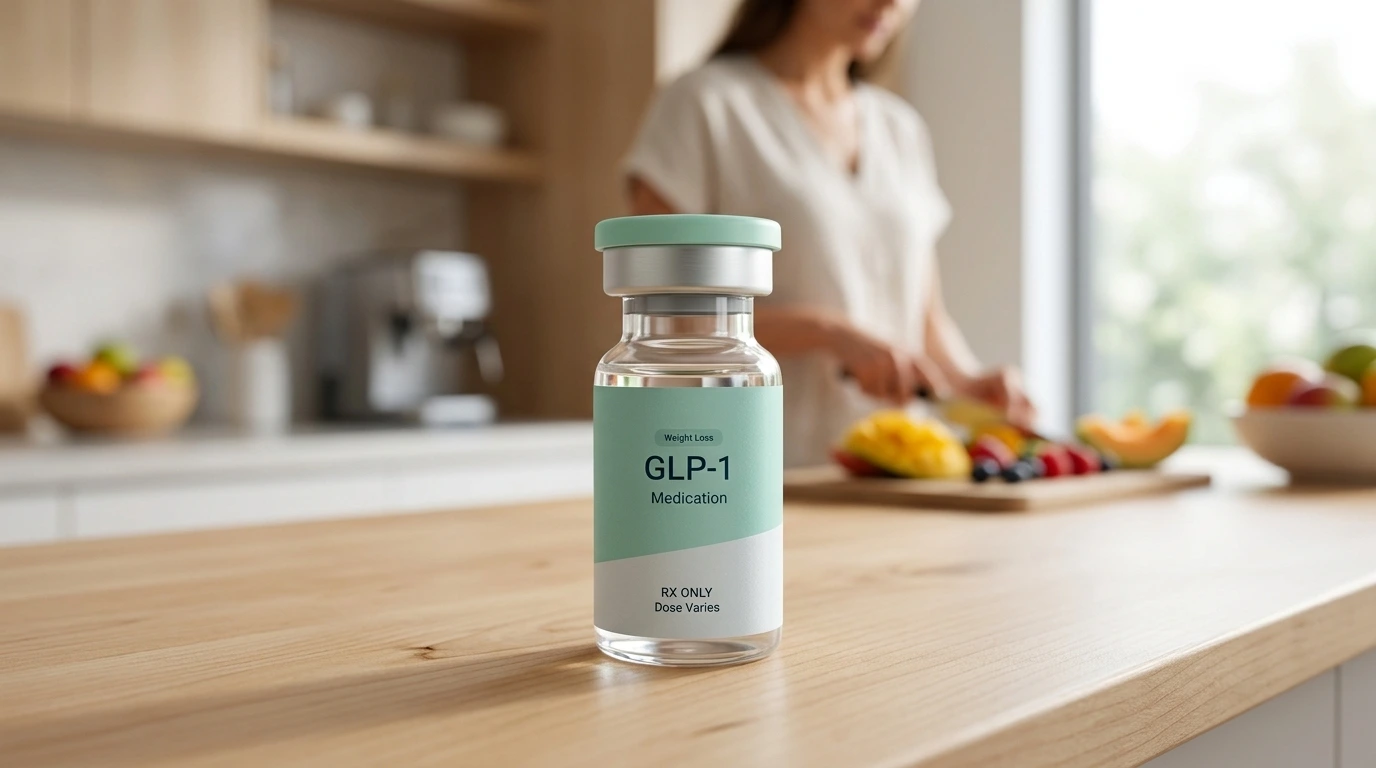
Standing in your kitchen with a new prescription can feel like a major milestone in your wellness journey, but it often comes with a side of nerves. For many, the transition to a GLP-1 (glucagon-like peptide-1) receptor agonist—a class of medication that supports blood sugar management and weight loss—brings up a very practical question: what size needles for Ozempic pen use are the standard? Understanding the technical specifications of your injection equipment is about more than just curiosity; it is about ensuring your medication is delivered safely, effectively, and with as little discomfort as possible.
At TrimRx, we believe that clarity is the foundation of confidence. Whether you are navigating a new treatment plan or looking for compatible replacements, knowing the difference between needle gauges and lengths can help you take control of your health routine. This article will explain the standard needle sizes for the Ozempic® pen, why those specific measurements matter for subcutaneous delivery, and how to troubleshoot common injection concerns. For additional background, review this guide to GLP-1 injections.
The Standard Needle Size for the Ozempic Pen
When you receive a carton of Ozempic®, it arrives with a specific set of needles designed to work with the manufacturer’s prefilled delivery device. The standard needle size provided is the NovoFine® Plus 32G 4mm. This specific combination of gauge and length is engineered to balance medication flow with patient comfort.
For most individuals, these needles are sufficient for the entire duration of the pen’s use. Depending on the specific pen dose your provider has prescribed, the carton will contain between four and six of these needles. This ensures you have a fresh, sterile needle for every weekly dose, plus a couple of extras for priming the pen during its first use.
Quick Answer: The standard needle size for an Ozempic pen is 32 gauge (G) and 4 millimeters (mm) in length. These are ultra-thin, short needles designed for subcutaneous injection into the fatty tissue just below the skin.
While the 32G 4mm needle is the default, the prescribing information for the pen indicates it is compatible with various disposable needles up to 8mm in length. However, the 4mm length is widely considered the gold standard for modern GLP-1 therapies because it is long enough to bypass the skin but short enough to avoid hitting the underlying muscle. You can also review this Ozempic injection guide for beginners for related injection details.
Understanding the Technical Specs: Gauge and Length
To understand why the 32G 4mm size is preferred, it helps to break down what those numbers actually mean. Medical equipment uses specific scales that can feel counterintuitive if you are not familiar with them.
What is Gauge (G)?
The gauge refers to the thickness or diameter of the needle. In the medical world, gauge numbers work inversely: the higher the number, the thinner the needle.
- 32 Gauge: This is exceptionally thin, often compared to the width of a few human hairs.
- 31 Gauge: Slightly thicker than a 32G, but still considered a “fine” needle.
- 28-30 Gauge: These are often used for drawing medication from vials using a traditional syringe.
The 32G size is used because GLP-1 medications like semaglutide are relatively “thin” liquids. They do not require a wide needle to flow through the device. Using a 32G needle significantly reduces the sensation of the prick, making the weekly injection nearly painless for many users.
What is Length (mm)?
The length determines how deep the needle will penetrate. For medications like Ozempic®, the goal is a subcutaneous injection. This means the medicine needs to land in the layer of fat between your skin and your muscle.
- 4mm: This is currently the shortest needle available for pen injectors. It is designed to be used without “pinching” the skin in most patients, as it naturally reaches the fatty layer.
- 6mm: A common alternative that is still very safe for subcutaneous use.
- 8mm: The upper limit of compatibility for most GLP-1 pens. It may require a different injection technique, such as pinching a fold of skin, to ensure it doesn’t reach the muscle.
Key Takeaway: A higher gauge number (32G) means a thinner needle and less pain, while a short length (4mm) ensures the medication stays in the fatty tissue where it belongs.
Why Needle Size Matters for Subcutaneous Delivery
The effectiveness of your medication depends heavily on where it is deposited in the body. GLP-1 medications are designed to be absorbed slowly from the subcutaneous fat. If a needle is too long or the technique is incorrect, the medication could be injected into the muscle (intramuscularly).
Intramuscular injections can cause the medication to be absorbed much faster than intended. This can lead to an increased risk of side effects, such as nausea or digestive upset, because the body is receiving the dose too quickly. It can also decrease the overall duration of the drug’s effect throughout the week.
On the other hand, if a needle were too short (which is rare with a 4mm standard), the medication might only reach the dermal layers of the skin. This can cause localized irritation, redness, or a small lump called a wheal, and it may interfere with proper absorption.
The Role of Personalized Care
Our approach at TrimRx emphasizes that every body is unique. For some individuals, a 4mm needle is perfect for an abdominal injection, while another person might find that a slightly longer needle is better suited for a thigh injection. This is why we focus on personalized programs that consider your health profile and comfort levels. We connect you with licensed providers who can help you determine the best approach for your specific needs, ensuring your journey is both safe and sustainable. If you are considering prescription GLP-1 treatment, you can complete a free eligibility assessment.
What to Expect in Your Ozempic Carton
The number of needles you receive depends on the specific pen strength your healthcare provider has prescribed. It is important to match your needle count to your doses to ensure you never feel tempted to reuse a needle.
The 2 mg/3 mL Pen (Starter Pen)
This pen is typically used for those just beginning their treatment. It is designed to deliver:
- Four doses of 0.25 mg (the initiation dose)
- Two doses of 0.5 mg (the first maintenance dose)
- Needle Count: This carton generally includes six needles. The extra needles are provided to account for the transition between doses and the initial priming of the pen.
The 4 mg/3 mL Pen (1 mg Maintenance)
Once you have titrated up to a 1 mg weekly dose, you will likely move to this pen.
- Four doses of 1 mg each.
- Needle Count: This carton includes four needles. You have exactly one needle for each weekly dose.
The 8 mg/3 mL Pen (2 mg Maintenance)
For those requiring the highest maintenance dose for blood sugar or weight management.
- Four doses of 2 mg each.
- Needle Count: This carton includes four needles.
Note: If you find yourself with extra medication in a pen but no needles, do not attempt to reuse an old needle. Consult your pharmacist or provider to obtain a box of compatible replacement needles.
Compatible Replacement Needles
There are times when you might need extra needles. Perhaps a needle was dropped on the floor, or you are traveling and want to keep a backup supply. Most pharmacies carry “universal fit” pen needles that are compatible with the Ozempic® device.
Common compatible brands include:
- BD Nano™ Ultra-Fine™: These are widely available and often come in 32G 4mm sizes.
- Droplet® Pen Needles: A common alternative that offers various gauges.
- Relion™: Often found at major retailers, these provide a cost-effective universal fit.
- NovoFine® 32G 6mm: If your pharmacy is out of the 4mm size, the 6mm version from the same manufacturer is a perfectly safe alternative.
Do You Need a Prescription for Needles?
In the United States, the laws regarding the purchase of pen needles vary by state. In many states, you can purchase a box of 100 needles over the counter without a prescription. However, some states require a prescription for any “sharps” or syringes. If you are unsure, your pharmacist can clarify the local regulations. Your healthcare provider can also write a separate prescription for a box of needles to ensure they are covered by your insurance or health plan.
How to Prepare and Attach the Needle
Using a pen injector is designed to be a simple, three-step process. However, the first time can feel overwhelming. Following a consistent routine ensures that the needle size works as intended. For more preparation guidance, read this step-by-step guide to taking semaglutide shots.
Step 1: Inspect and Clean
Always wash your hands thoroughly. Check the medication in the pen window; it should be clear and colorless. Wipe the rubber stopper at the tip of the pen with an alcohol swab.
Step 2: Attach the Needle
Take a new needle and pull off the paper tab. Push the needle straight onto the pen and twist until it is tight. Do not cross-thread the needle, as this can cause the medication to leak.
Step 3: Remove the Caps
The needle is protected by two caps: an outer cap and a smaller inner cap. Pull off the outer cap (save it for later) and then pull off the inner cap (discard it). You should now see the very fine 4mm needle.
Step 4: Prime the Pen (First Use Only)
If it is a brand-new pen, you must perform a “flow check.” Turn the dose selector to the flow check symbol (usually a small dash or droplet icon). Hold the pen with the needle pointing up and press the button. A drop of liquid should appear at the needle tip. This confirms the pen and needle are working together correctly.
Injection Sites and Technique
Even with the correct 32G 4mm needle size, where and how you inject matters. Subcutaneous fat is most abundant in three specific areas:
- The Abdomen: Stay at least two inches away from your belly button. This is the most common site due to its ease of access.
- The Thigh: Use the front or outer side of your upper thigh.
- The Upper Arm: Use the back of the arm (the triceps area). This site often requires someone else to assist you to ensure the angle is correct.
The “No Pinch” Technique
With a 4mm needle, most clinical guidelines suggest you do not need to pinch a fold of skin unless you have very little body fat. You can simply press the needle into the skin at a 90-degree angle.
Rotating Sites
It is vital to rotate your injection sites every week. If you inject in the exact same spot repeatedly, you can develop “lipohypertrophy,” which is a buildup of fatty tissue that can interfere with medication absorption. Move at least one inch away from your last injection site.
Safety Protocols: The “One and Done” Rule
One of the most important aspects of using pen needles is the commitment to single-use safety. It can be tempting to reuse a needle if you run out, but this poses significant health risks.
Myth: I can reuse my needle if I am the only one using the pen. Fact: Every time a needle is used, the microscopic tip bends and dulls. Reusing a needle causes more pain, increases the risk of skin infections, and can lead to “blocked” needles where the medication cannot flow properly.
Disposal and the Sharps Container
Used needles should never be thrown directly into the household trash or recycling. This creates a needle-stick hazard for sanitation workers and family members.
- Immediately after your injection, place the needle into an FDA-cleared sharps container.
- If you do not have a professional sharps container, you can use a heavy-duty plastic container with a tight-fitting, puncture-resistant lid, such as an empty laundry detergent bottle.
- Clearly label the container “Biohazard” or “Do Not Recycle.”
Troubleshooting Common Needle Issues
Even with the right equipment, you may encounter occasional hurdles. Knowing how to handle them keeps your treatment on track. This overview of GLP-1 injection side effects may also help you prepare questions for your provider.
No Drop of Medicine Appears
If you are priming a new pen and no drop appears after two attempts, the needle might be blocked or defective. Remove the needle, dispose of it in your sharps container, and attach a fresh one. Never attempt to “fix” a needle.
Bruising at the Injection Site
A small amount of bruising is common and usually not a cause for concern. It often happens if the needle accidentally hits a tiny capillary. To minimize bruising, ensure you are injecting at a 90-degree angle and avoid rubbing the site after the injection.
Medication Leaks from the Tip
If you see a few drops of medicine leaking from the needle after you pull it out of your skin, you may have removed the pen too quickly. After you press the dose button, count slowly to six before withdrawing the needle. This gives the pressure in the pen time to equalize and ensures the full dose is delivered.
Optimizing Your Treatment Experience
While the needle is a small part of the process, your overall wellness strategy is much larger. Many people find that supporting their bodies with the right nutrients makes the GLP-1 journey smoother. For example, our Weight Loss Boost supplement is designed to complement a healthy lifestyle and help you feel your best while your body adjusts to new metabolic changes.
We at TrimRx understand that medication is just one tool in your kit. Our mission is to provide the clinical expertise and dedicated specialist support you need to navigate these details. From understanding needle sizes to managing potential side effects, we are here to ensure you never feel like you are doing this alone.
Summary: Comfort and Consistency
Choosing the right needle size for your Ozempic® pen—the 32G 4mm—is a simple but vital step in your health journey. This tiny piece of engineering is what allows the medication to do its job effectively with minimal interruption to your daily life. By following the standard sizes, rotating your sites, and adhering to strict safety protocols, you turn a clinical requirement into a stress-free habit.
Bottom line: Stick with the manufacturer-provided 32G 4mm needles whenever possible. They offer the best balance of painless delivery and accurate subcutaneous absorption.
At TrimRx, we are committed to being your partner in sustainable health. Through our telehealth-first platform, we provide the personalized programs and scientific guidance necessary to help you embrace a healthier lifestyle with confidence and clarity. If you are exploring prescription treatment, see if you qualify for a personalized program.
FAQ
What happens if I use a needle longer than 4mm?
While the Ozempic® pen is compatible with needles up to 8mm, a longer needle increases the chance of injecting into the muscle rather than the fat. This can lead to faster absorption and a potential increase in side effects like nausea. If you use a longer needle, you may need to pinch a fold of skin to ensure the medication stays in the subcutaneous layer.
Can I buy Ozempic needles over the counter?
In many US states, you can purchase universal fit pen needles (like 32G 4mm) over the counter at your local pharmacy without a prescription. However, some states do have restrictions and require a healthcare provider’s prescription for all sharps. It is always a good idea to check with your local pharmacist or have your provider write a prescription to ensure compatibility.
Why does my Ozempic pen come with extra needles?
The starter pen (2 mg/3 mL) usually comes with six needles for a six-week supply of medication (four doses of 0.25 mg and two doses of 0.5 mg). These extra needles ensure you have a fresh one for each dose and allow for the “flow check” or priming process required when you first open a new pen.
Is a 31G needle okay to use if I can’t find a 32G?
Yes, a 31G needle is a very common and safe alternative. The difference between a 31G and a 32G needle is microscopic; while the 32G is slightly thinner, both are considered “ultra-fine” and are designed to provide a comfortable injection experience for subcutaneous medications. If you need guidance about your medication or injection supplies, you can complete a free eligibility assessment.
Disclaimer: This content is for informational purposes only and does not constitute medical advice. It is not intended to diagnose, treat, cure, or prevent any disease or condition. Individual results may vary. Always consult a qualified healthcare professional before starting any weight loss program or medication.

Transforming Lives, One Step at a Time
Keep reading
Want to Stop Ozempic but Your Provider Says Stay? How to Discuss It
Lead with your actual reason, because the conversation usually goes wrong when you argue about the evidence instead. Your provider is not wrong about…
Regained Weight After Stopping Ozempic? Don’t Restart at Your Old Dose
No. Whatever else you do, do not pick up where you left off. Tolerance to a GLP-1 is not assumed to persist through a…
Eating Less Than Ever on Ozempic but the Scale Won’t Move
Whatever else is true here, the answer is not to eat less. That needs saying first, because it is the direction this situation pushes…


