Mastering Your Meal Timing: How Often Should You Eat on Ozempic for Optimal Results?
Introduction
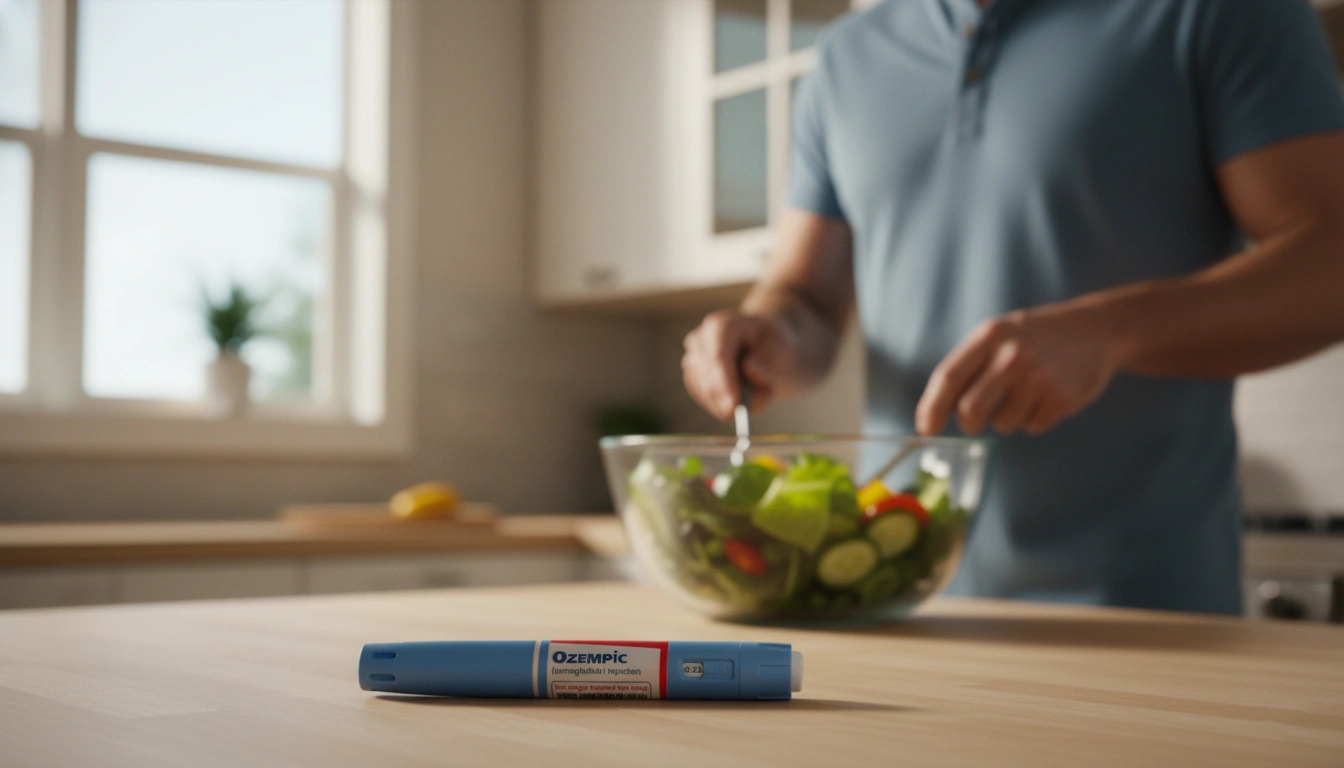
Finding a new rhythm with food can feel like navigating uncharted territory, especially when a powerful tool like Ozempic® or another GLP-1 receptor agonist enters your weight loss journey. Suddenly, the constant “food noise” might quiet, and the sensation of fullness arrives much sooner and lasts longer. While this reduced appetite is often a welcome change, it can also leave many wondering: how often should you eat on Ozempic to ensure you’re nourishing your body effectively, managing potential side effects, and supporting sustainable progress?
At TrimRx, our journey began with a shared vision to help individuals embrace healthier lifestyles by merging cutting-edge telehealth innovations with effective weight loss solutions. We understand that sustainable weight loss should be achieved through science, empathy, and a transparent approach. This means providing you with medically supervised care and clear guidance every step of the way.
This comprehensive guide is designed to empower you with the knowledge to make informed dietary choices while on GLP-1 medications. We will delve into how these medications work within your body, explore general dietary principles that harmonize with their effects, and critically address the optimal frequency of meals. You’ll learn about the types of foods that support your goals, those that might exacerbate side effects, and how to fine-tune your eating habits for maximum benefit. By the end, you’ll have a clearer understanding of how to tailor your nutritional approach, ensuring you meet your body’s needs while navigating your path to better health. We’ll also highlight how our personalized, medically supervised programs at TrimRx can provide the tailored support you need to thrive.
The Science Behind GLP-1 Medications and Your Appetite
Before we dive into meal frequency, it’s essential to grasp the fundamental science of how GLP-1 receptor agonists, such as Ozempic® (semaglutide) and Zepbound® (tirzepatide), interact with your body. These medications mimic the action of a natural hormone called glucagon-like peptide-1 (GLP-1), which plays a crucial role in regulating blood sugar and appetite.
How GLP-1s Reshape Your Relationship with Food
When you take a GLP-1 medication, several profound changes occur that directly impact your eating patterns:
Enhanced Satiety and Reduced Hunger Signals
One of the most significant effects is the powerful signal to your brain that you are full. GLP-1 receptors are found in areas of the brain that control appetite. By activating these receptors, medications like Ozempic® help to reduce what many describe as “food noise”—those intrusive thoughts and cravings about food that can make weight loss feel like a constant battle. This leads to a natural reduction in overall calorie intake, often between 16% and 39% according to research, which is a key driver for weight loss.
Delayed Gastric Emptying
GLP-1 medications also slow down the rate at which food leaves your stomach. This means that food stays in your stomach for a longer period, contributing to a prolonged feeling of fullness. While beneficial for appetite control, this delayed gastric emptying is also the primary reason some individuals experience gastrointestinal side effects such as nausea, bloating, and constipation, especially when consuming certain types of foods. Understanding this mechanism is vital for adjusting your eating habits to minimize discomfort.
Blood Sugar Regulation
Originally developed for type 2 diabetes management, GLP-1s help your pancreas produce more insulin when blood sugar levels are high and decrease the amount of sugar your liver makes. This dual action helps stabilize blood glucose, preventing sharp spikes and crashes that can often trigger hunger and cravings. This regulatory effect not only aids in metabolic health but also supports sustained energy levels, further assisting in your weight loss journey.
Considering these powerful physiological shifts, it becomes clear that adjusting your eating strategy is not just about willpower, but about working intelligently with your body’s new signals. Our programs at TrimRx are designed to guide you through these adjustments, offering medically supervised care and personalized plans to maximize the benefits of medications like Ozempic®, Wegovy®, Mounjaro®, and Zepbound®, or our expertly formulated compounded medications such as Compounded Semaglutide, Oral Semaglutide, Compounded Tirzepatide, and Oral Tirzepatide. If you’re curious about how a personalized approach can support your goals, we invite you to take our free assessment quiz to see if you qualify for our prescription weight loss medications.
Optimizing Meal Frequency: How Often Should You Eat on Ozempic?
Given the effects of GLP-1 medications on satiety and digestion, the question of how often should you eat on Ozempic is paramount. There’s no one-size-fits-all answer, as individual responses to medication and dietary needs vary significantly. However, a common strategy that many find beneficial is to shift from larger, less frequent meals to smaller, more frequent eating occasions throughout the day.
The Rationale for Smaller, More Frequent Meals
The slowed gastric emptying caused by GLP-1 medications means that consuming large meals can overwhelm your digestive system, leading to uncomfortable side effects like severe nausea, bloating, heartburn, or even vomiting. Smaller meals, on the other hand, are typically easier to digest and process.
By eating smaller portions more frequently, perhaps 4-6 times a day, you can:
- Prevent Overwhelm: Avoid the discomfort of a too-full stomach.
- Maintain Stable Energy: Keep blood sugar levels more even, reducing energy dips and preventing extreme hunger that could lead to overeating later.
- Ensure Nutrient Intake: With a reduced appetite, it can be challenging to consume adequate nutrients in just a few large meals. More frequent, nutrient-dense small meals or snacks help ensure you meet your daily vitamin, mineral, and protein requirements, crucial for maintaining muscle mass during weight loss.
- Support Digestion: Give your digestive system manageable amounts of food to process, potentially easing common GLP-1 related side effects.
Think of it not as a strict schedule, but as listening to your body’s new hunger and fullness cues. Instead of waiting until you’re ravenously hungry, aim for consistent, moderate fuel intake. This approach harmonizes with how the medication works, fostering a more comfortable and effective weight loss experience. Our comprehensive service at TrimRx includes doctor consultations and unlimited support, which can be invaluable in fine-tuning your meal frequency and choices as you progress.
Building Your Plate: Essential Dietary Guidelines on GLP-1s
While the “Ozempic diet” isn’t a rigid, prescriptive plan, certain dietary principles and food choices can significantly enhance your experience and results. The goal is to maximize nutrient intake, support satiety, and minimize potential side effects.
Prioritizing Key Nutrients
When your appetite is reduced, every bite counts. Focus on nutrient-dense foods to ensure your body receives the fuel it needs.
Protein: The Cornerstone of Satiety and Muscle Preservation
Protein is arguably the most critical macronutrient when taking GLP-1 medications. It helps you feel fuller for longer, and crucially, it helps preserve lean muscle mass during weight loss. Losing muscle can slow your metabolism and make long-term weight management more challenging.
- Aim for: Lean sources like poultry (chicken, turkey), fish (salmon, cod, sardines), lean cuts of beef and pork, eggs, tofu, tempeh, lentils, beans, and Greek yogurt.
- Practical Tip: Try to incorporate a source of protein into every small meal or snack. For example, a handful of almonds with an apple, Greek yogurt, or a small portion of grilled chicken or fish.
Fiber: Your Digestive Ally
Fiber is essential for gut health, satiety, and combating constipation, a common side effect of GLP-1s due to slowed digestion.
- Aim for: Abundant intake of non-starchy vegetables (leafy greens, broccoli, bell peppers, asparagus), fruits (berries, apples, citrus), whole grains (oats, quinoa, brown rice, whole-wheat bread/pasta), and legumes (beans, lentils).
- Practical Tip: Fill half your plate with non-starchy vegetables at your main meals. Opt for whole grains over refined versions.
Healthy Fats: Sustained Energy and Nutrient Absorption
Healthy fats contribute to satiety and are vital for hormone production and nutrient absorption. However, remember that fats also slow digestion, so moderation is key to avoid exacerbating GI side effects.
- Aim for: Sources like avocados, nuts, seeds (chia, flax, hemp), and olive oil.
- Practical Tip: A small amount of healthy fat with your meals can enhance satisfaction without overwhelming your digestive system. For instance, a sprinkle of seeds on your yogurt or a drizzle of olive oil on your salad.
To support your body’s nutritional needs and digestive comfort while on a GLP-1 journey, consider incorporating our GLP-1 Daily Support supplement, specifically formulated to complement these medications.
Foods to Approach with Caution or Limit
While no food is strictly “forbidden,” some choices can either hinder your weight loss progress or intensify the gastrointestinal side effects associated with GLP-1 medications.
High-Fat, Greasy, and Fried Foods
These foods take a very long time to digest naturally. When combined with the slowed gastric emptying from GLP-1s, they can sit in your stomach for an extended period, leading to severe nausea, bloating, and discomfort. They are also typically high in calories and low in nutritional value, working against your weight loss goals.
- Examples: French fries, fried chicken, greasy burgers, pizza, rich desserts.
Ultra-Processed Foods and Refined Carbohydrates
Often high in added sugars, unhealthy fats, and sodium, ultra-processed foods offer little nutritional benefit and can contribute to blood sugar spikes. Refined carbohydrates (white bread, pastries, sugary cereals) are quickly digested, leading to a rapid rise and fall in blood sugar, which can trigger cravings and undermine satiety.
- Examples: Candy, soda, sugary drinks, white bread, pastries, chips, ready meals, many fast foods.
Highly Spiced Foods
For some individuals, spicy foods can irritate the stomach lining and exacerbate symptoms like heartburn or nausea, especially when digestion is already slowed. Listen to your body and adjust accordingly.
Alcohol
Alcohol not only adds empty calories but can also worsen GLP-1 side effects like nausea and dehydration. It can also potentially interfere with blood sugar regulation. Moderation, or temporary avoidance, is often recommended.
Starchy Vegetables (in large quantities)
While vegetables are generally encouraged, starchy vegetables like potatoes, corn, and peas should be consumed in moderation, treated more like a carbohydrate portion than a free-for-all veggie. Cooking them thoroughly can also make them easier to digest than raw versions.
To help manage cravings and support your metabolic health throughout your weight loss journey, our Weight Loss Boost supplement offers additional support.
Hydration: An Unsung Hero in Your Weight Loss Journey
Staying adequately hydrated is paramount for overall health, and its importance is amplified when you’re taking GLP-1 medications. Dehydration can exacerbate common side effects like nausea and constipation, making your weight loss journey less comfortable.
Why Hydration Matters on GLP-1s
- Combatting Constipation: Water helps soften stools, making them easier to pass and alleviating GLP-1-induced constipation.
- Reducing Nausea: Small, frequent sips of water or clear, sugar-free beverages can help settle a queasy stomach. Cold liquids are often better tolerated.
- Supporting Metabolism: Water is essential for countless bodily functions, including metabolism.
- Feeling Full: Sometimes, thirst can be mistaken for hunger. Drinking enough water can help you distinguish between the two and contribute to a feeling of fullness.
- Aim for: Consistent intake of plain water throughout the day. Herbal teas, infused water, and even water-rich foods like watermelon, cucumbers, and lettuce can also contribute to your fluid intake.
- Practical Tip: Carry a reusable water bottle and sip frequently. Avoid sugary drinks, excessive caffeine, and carbonated beverages, which can cause bloating or irritation.
Beyond Food: Holistic Lifestyle Adjustments
While diet is a significant component, achieving sustainable weight loss with GLP-1 medications involves a more holistic approach that integrates other healthy lifestyle habits. At TrimRx, we believe in a comprehensive service that supports every aspect of your well-being.
Mindful Eating Practices
With a reduced appetite, it’s an opportune time to cultivate mindful eating habits:
- Eat Slowly: It takes time for your brain to register fullness. Eating slowly allows your body’s new satiety signals to catch up, preventing overconsumption and discomfort. Chew your food thoroughly and put your fork down between bites.
- Listen to Your Body: Pay attention to genuine hunger cues and stop eating when you feel satisfied, not stuffed. This might mean leaving food on your plate, which can be a significant shift for many.
- Avoid Distractions: Eating while distracted by screens or tasks can lead to mindless overeating. Focus on your meal, savoring the flavors and textures.
Incorporating Physical Activity
Exercise is a critical partner to GLP-1 medications. It helps maintain muscle mass during weight loss, improves insulin sensitivity, supports cardiovascular health, and can even aid digestion.
- Start Small: Begin with low-impact activities like walking, especially after meals, which can help with digestion and blood sugar regulation.
- Build Gradually: As your energy levels improve, gradually incorporate strength training to preserve muscle mass and more vigorous aerobic exercise.
- Find What You Enjoy: Consistency is key, so choose activities you genuinely like and can stick with long-term.
Remember, our goal at TrimRx is to provide compassionate care that respects every individual’s unique journey. Our approach combines advanced medical science with modern technology, offering programs that integrate medication, lab work, doctor consultations, and unlimited support. We work exclusively with FDA-registered and inspected pharmacies for the shipping of your weight loss medications, ensuring your safety and peace of mind. To discover how our personalized plans can transform your health, we encourage you to take our free assessment quiz today.
Navigating Side Effects Through Dietary Choices
One of the most valuable aspects of understanding how often you should eat on Ozempic and what types of foods to consume is its direct impact on managing potential side effects. While most side effects are mild to moderate and often subside as your body adjusts, strategic eating can offer significant relief.
Nausea
Nausea is one of the most commonly reported side effects. Dietary adjustments can make a substantial difference:
- Small, Frequent Meals: As discussed, this prevents an overly full stomach.
- Bland Foods: Opt for foods that are easy on the stomach, such as plain crackers, toast, rice, baked potatoes, and clear broths.
- Avoid Triggers: Steer clear of high-fat, greasy, spicy, and very sweet foods that can aggravate nausea.
- Ginger: Ginger-containing foods or ginger tea can be soothing.
- Stay Hydrated: Sip on cold, clear, sugar-free liquids throughout the day.
Constipation
Delayed gastric emptying can lead to constipation for some individuals.
- Increase Fiber Intake: Gradually add more fiber-rich foods like fruits, vegetables, whole grains, and legumes. Do so slowly to avoid bloating.
- Hydration: Drink plenty of water throughout the day.
- Physical Activity: Regular movement helps stimulate bowel function.
Diarrhea
While less common than constipation, some may experience diarrhea.
- Lower Fiber Temporarily: If experiencing diarrhea, you might temporarily reduce high-fiber foods and focus on lower-fiber, bland options like white rice, bananas, and toast.
- Stay Hydrated: Replenish fluids and electrolytes.
- Avoid Triggers: Greasy, spicy, and high-sugar foods can worsen diarrhea.
It is important to communicate any persistent or severe side effects with your healthcare provider. Your dedicated TrimRx medical team can provide guidance and adjust your treatment plan if necessary, emphasizing our commitment to transparent service and your safety.
The TrimRx Advantage: Personalized Support for Your Journey
At TrimRx, we understand that every individual’s weight loss journey is unique. There’s no generic “Ozempic diet” or universal eating schedule that works for everyone. Our platform is a user-friendly and supportive space where individuals receive personalized, medically supervised care, all designed to make sustainable weight loss attainable and tailored to the individual.
Our Comprehensive Approach Includes:
- Personalized Assessment: Your journey begins with our free assessment quiz. This helps us understand your health profile, lifestyle, and specific needs to determine your eligibility for prescription weight loss medications like Ozempic®, Wegovy®, Mounjaro®, Zepbound®, compounded Semaglutide, Oral Semaglutide, compounded Tirzepatide, or Oral Tirzepatide.
- Expert Medical Supervision: Our programs include doctor consultations and ongoing medical guidance to ensure your treatment plan is safe, effective, and adapted to your progress. We emphasize that TrimRx partners with FDA-registered and inspected pharmacies for the shipping of weight loss medications and does not provide actual medical supervision; instead, our affiliated medical professionals provide supervision.
- Medication Access: We provide access to clinically proven medications through FDA-registered, inspected, and approved pharmacies. For our compounded medications (Compounded Semaglutide, Oral Semaglutide, Compounded Tirzepatide, Oral Tirzepatide), we work with FDA-registered and inspected pharmacies. For branded medications like Ozempic®, Wegovy®, Mounjaro®, and Zepbound®, you may reference their FDA approval.
- Unlimited Support: Our commitment extends beyond medication. We offer unlimited support to answer your questions, provide encouragement, and help you navigate dietary adjustments, exercise routines, and lifestyle changes.
- No Hidden Fees: Our comprehensive service includes everything from doctor consultations and medication to lab work, unlimited support, and shipping, with full transparency. Our approach remains consistent regardless of dosage changes.
We believe that combining advanced medical science with modern technology and compassionate care is the most effective path to lasting health and well-being. Whether you’re considering a prescription medication or looking for immediate support, TrimRx is here to empower you.
For immediate support to complement your overall wellness during your weight loss journey, explore our quick-access supplements:
- GLP-1 Daily Support: Designed to provide daily nutritional support.
- Weight Loss Boost: Formulated to assist with metabolic health and energy.
Conclusion
Embarking on a weight loss journey with medications like Ozempic® is a significant step towards a healthier future. Understanding how often you should eat on Ozempic, along with what to eat and what to approach with caution, is foundational to maximizing your success and minimizing discomfort. The core principle lies in embracing smaller, more frequent, nutrient-dense meals that work in harmony with the medication’s effects on satiety and digestion. Prioritizing lean proteins, ample fiber, and healthy fats, while limiting ultra-processed, high-fat, and sugary foods, forms the backbone of a supportive diet.
Beyond the plate, remember that successful weight management is a holistic endeavor. Mindful eating, consistent hydration, and regular physical activity are equally vital components. These lifestyle adjustments, combined with the powerful effects of GLP-1 medications, create a synergistic approach that fosters not just weight loss, but improved overall metabolic health and sustained well-being.
At TrimRx, we are dedicated to being your trusted partner on this transformative path. Our empathetic, innovative, and results-oriented approach ensures that you receive personalized, medically supervised care tailored to your unique needs. We are here to provide the tools, support, and guidance necessary to help you build lasting habits and achieve your health goals safely and effectively.
If you’re ready to explore a personalized plan that combines cutting-edge medical solutions with comprehensive support, take the first step today. Complete our free assessment quiz to see how TrimRx can empower your journey towards a healthier, more vibrant you.
Frequently Asked Questions (FAQs)
What is the ideal meal frequency when taking Ozempic?
While there’s no universally ideal frequency, many individuals find that eating smaller, more frequent meals (e.g., 4-6 times a day) is more beneficial when taking Ozempic. This approach aligns with the medication’s effect of slowed gastric emptying, preventing discomfort from overfilling the stomach and helping to maintain stable energy levels and consistent nutrient intake throughout the day.
What foods should I prioritize to minimize side effects on Ozempic?
To minimize common side effects like nausea and constipation, prioritize lean proteins (chicken, fish, eggs, tofu), high-fiber foods (non-starchy vegetables, fruits, whole grains, legumes), and healthy fats in moderation (avocado, nuts, seeds). These foods are nutrient-dense, support satiety, and are generally easier to digest in smaller portions. Staying well-hydrated with water is also crucial.
Are there any foods I should completely avoid while on Ozempic?
While complete avoidance isn’t typically necessary unless advised by a healthcare provider, it’s highly recommended to limit or approach with caution high-fat, greasy, and fried foods, as well as ultra-processed foods, refined carbohydrates, and sugary drinks. These types of foods can exacerbate gastrointestinal side effects due to their slow digestion and often provide minimal nutritional value, potentially hindering your weight loss progress. Alcohol and highly spiced foods can also be problematic for some.
How does TrimRx help personalize my eating plan while on GLP-1 medications?
TrimRx offers a comprehensive, personalized approach starting with a free assessment quiz to determine eligibility for prescription medications. Our programs include doctor consultations and unlimited support to help you understand how to adjust your diet, including meal timing and food choices, in harmony with medications like Ozempic®. We focus on safe, effective weight loss by integrating medically supervised care with dietary guidance and lifestyle adjustments, all delivered through a user-friendly and supportive platform.

Transforming Lives, One Step at a Time
Keep reading

How to Get Ozempic or Semaglutide in Miami
Miami’s wellness culture runs deep, and GLP-1 medications have become a significant part of that conversation across the city. From Brickell to Coral Gables…

How to Get Ozempic or Semaglutide in Los Angeles
Los Angeles has no shortage of wellness clinics, concierge medicine practices, and weight loss programs promising access to the latest treatments. Semaglutide is at…

How to Get Ozempic or Semaglutide in Chicago
Chicago residents looking for semaglutide have more options than they might realize, and fewer of those options require setting foot in a clinic than…


