Do I Have to Prime My Ozempic Pen Every Time?
Introduction
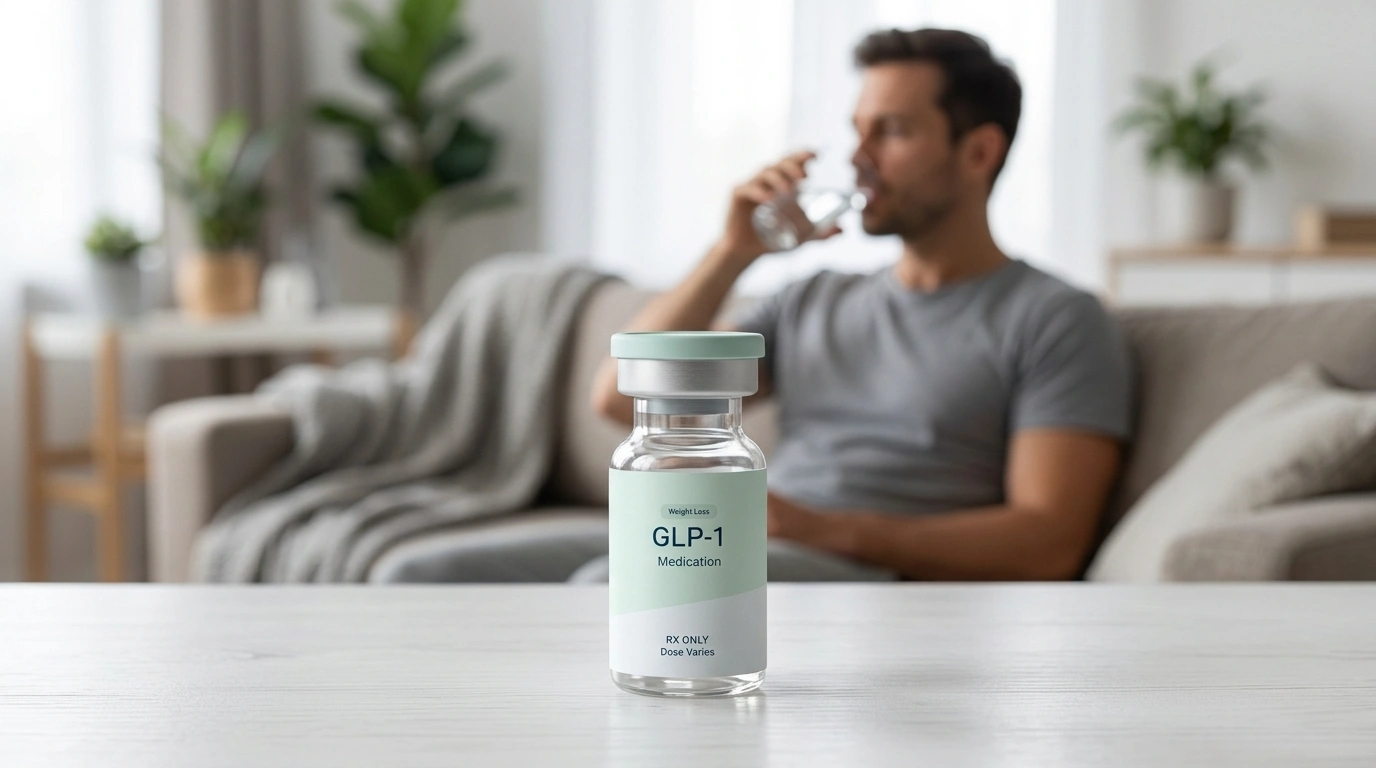
Starting a new medication often brings a wave of questions, especially when that treatment involves a self-injection device. You might find yourself staring at the dial and symbols, wondering if you are following every step correctly to ensure you get your full dose. One of the most common points of confusion for those starting a GLP-1 (glucagon-like peptide-1) medication is the “flow check,” often referred to as priming. At TrimRx, we believe that understanding the mechanics of your treatment is the first step toward feeling confident and staying consistent on your health journey. This post will clarify the specific timing for priming your medication pen, the risks of over-priming, and the best practices for safe administration. You only need to prime a new pen before its very first use, and performing this step before every single dose is unnecessary and can lead to wasted medication.
Quick Answer: No, you do not have to prime your pen every time. You should perform the flow check only once when you start a brand-new pen. For every dose after that from the same pen, you simply attach a new needle and dial directly to your prescribed dose.
What Is Priming and Why Does It Matter?
In the context of injection pens, priming—or a “flow check”—is a process used to ensure the device is working correctly before you begin a new round of treatment. GLP-1 medications, which belong to a class called glucagon-like peptide-1 receptor agonists, are delivered through sophisticated, pre-filled pens. These medications work by mimicking a natural hormone in your body that helps regulate appetite and blood sugar. Because the medication is highly concentrated, the delivery system must be precise.
The primary goal of the flow check is to remove any air that might have trapped itself in the needle or the cartridge during manufacturing or shipping. It also confirms that the internal piston is making proper contact with the medication reservoir. When you see a small drop of liquid at the tip of the needle during this process, it serves as visual confirmation that the pen is ready to deliver an accurate dose. For additional background, review this step-by-step guide to using GLP-1 injections.
The One-Time Priming Rule
A major source of confusion for many individuals is whether this safety check is a weekly requirement. The manufacturer’s instructions are clear: you only perform a flow check the very first time you use a new pen. Each pen typically contains enough medication for four weekly doses (though some starter pens may vary). Once you have confirmed the flow for that specific pen, the internal mechanism is set.
If you were to prime the pen before every single dose, you would be expelling a small amount of medication into the air every week. Over the course of a month, these “test drops” add up. Because the pens are designed with a specific amount of overfill to account for that initial one-time flow check, excessive priming will eventually cause the pen to run out before you reach your final dose. This can lead to frustration when you dial the pen for your fourth week and find that the counter stops short of your prescribed amount. You can also compare this explanation with TrimRx’s guide to priming an Ozempic pen.
Key Takeaway: Priming is a one-time preparation step for a new pen. Repeating it every week wastes medication and prevents you from receiving your full monthly treatment.
How to Correctly Prime a New Pen
When you receive a fresh pen, you should set aside a moment to prepare it carefully. Following a consistent routine helps reduce anxiety and ensures that the pen is primed for use.
Step 1: Inspect the medication.
Before attaching any needles, look through the clear window on the pen. The liquid should be clear and colorless. If it looks cloudy, contains particles, or appears discolored, do not use it and contact a healthcare professional.
Step 2: Attach a new needle.
Remove the paper tab from a fresh, disposable needle. Push the needle straight onto the pen and turn it until it is tight. Pull off the outer needle cap and then the inner needle cap. You should save the outer cap to help you safely remove the needle later.
Step 3: Dial to the flow check symbol.
Turn the dose selector at the end of the pen. You are looking for the flow check symbol, which usually looks like two small dots followed by a short line. This is located before the actual numerical dose settings.
Step 4: Press the button and watch for a drop.
Hold the pen with the needle pointing upward. Press and hold the dose button until the counter returns to zero. Look closely at the tip of the needle. A small drop of liquid should appear. If it does, your pen is now primed and ready for your first dose.
What if no drop appears?
If you do not see a drop after the first attempt, the manufacturer suggests repeating the process. You can dial back to the flow check symbol and press the button again. You may do this up to six times. If a drop still does not appear after six attempts, you should change the needle and try one more time. If the pen still fails to produce a drop, it may be defective, and you should reach out to your provider or pharmacist for guidance.
Subsequent Doses: Moving Beyond Priming
Once that initial flow check is complete, your pen is “active.” For the second, third, and fourth weeks of using that same pen, your process becomes much simpler. You will still need to wash your hands and clean your injection site with an alcohol swab, but you will skip the priming step entirely.
For these subsequent doses, you will simply attach a brand-new needle, remove the caps, and then dial the pen directly to your prescribed dose (such as 0.25 mg, 0.5 mg, or 1 mg). Because you already confirmed the flow during week one, the pen will accurately deliver the medicine as soon as you press the button. For more general pen-handling information, see this GLP-1 pen usage guide.
Bottom line: After the first injection of a new pen, you never need to dial to the flow check symbol again for that specific device.
Why Do Pens Still Look Full?
It is very common for people to notice that their pen still looks like it contains liquid even after they have finished their final prescribed dose. This can be misleading. You might feel tempted to try and “prime” the pen again to see if more medicine will come out, or even try to use a separate syringe to extract the remaining liquid.
However, these pens are engineered with “overfill.” This extra liquid is there to ensure that the internal mechanism can exert enough pressure to deliver the final dose accurately. Once the dose counter will no longer turn to your prescribed dose, the pen is officially empty. The remaining liquid is not intended for use and should be discarded along with the pen in a sharps container. At TrimRx, we emphasize that attempting to use leftover overfill can result in inaccurate dosing, which may impact your results or lead to unexpected side effects.
Best Practices for Injection Success
Managing a GLP-1 medication involves more than just the injection itself. Creating a safe, clean, and organized routine can help you stay on track with your goals.
- Always use a fresh needle: Never reuse a needle, even for yourself. Reusing needles increases the risk of infection, causes more pain during injection, and can lead to the needle becoming blocked.
- Rotate your injection sites: You can inject into your abdomen (staying at least two inches away from the belly button), the front of your thighs, or the back of your upper arms. Rotating these areas every week helps prevent skin irritation and “lumps” under the skin called lipohypertrophy.
- Store your medication correctly: Prior to first use, pens should be kept in the refrigerator. Once you have used a pen, it can generally stay at room temperature for up to 56 days, provided it is kept away from direct heat and light. Always keep the pen cap on when not in use.
- Check the expiration date: Never use a pen that has passed its expiration date, as the medication may have lost its potency.
Note: If you drop your pen or it undergoes a significant impact, the manufacturer recommends attaching a new needle and performing a flow check—even if it is not the first use—to ensure the internal mechanism was not damaged.
Managing Side Effects and Expectations
While the mechanical process of using a pen becomes second nature over time, it is important to remember how these medications interact with your body. GLP-1 receptor agonists work by slowing down “gastric emptying,” which is the rate at which food leaves your stomach. This helps you feel full longer, but it can also lead to common gastrointestinal side effects like nausea or bloating. For related educational context, review this article about GLP-1 side effects.
If you experience persistent side effects, it is essential to consult with a licensed healthcare provider. They can offer guidance on managing these symptoms or adjusting your plan. Personalized programs often include support for these transitions, helping you understand what is a normal part of the adjustment period and what requires medical attention.
Key Takeaway: Successful weight management is a combination of the right medication, proper technique, and consistent lifestyle support.
Understanding the Personalized Program Approach
Navigating the world of GLP-1 medications can feel complicated, especially with various options like Compounded Semaglutide, Ozempic®, Wegovy®, Mounjaro®, or Zepbound®. Each of these has specific instructions, and the “right” choice often depends on an individual’s unique health profile and goals.
The modern telehealth approach focuses on removing barriers to care. By working through a platform that provides access to licensed providers and medications, you can manage your health from the comfort of your home. This model may involve different delivery methods and pharmacy arrangements depending on your specific prescription. If you are considering a prescription program, you can complete a free eligibility assessment so a licensed provider can review the information you submit.
Bottom line: A personalized program ensures you aren’t just handed a pen and left to figure it out; you have a team to guide you through the “how” and “why” of your treatment.
Conclusion
The question of whether you must prime your pen every time is a vital one for anyone focused on accuracy and safety. To summarize, the flow check is a one-time safety procedure designed to prepare a brand-new pen for use. By only priming when you open a new device, you protect your supply of medication and ensure you have enough for every scheduled dose. We at TrimRx are dedicated to making this process as transparent and supportive as possible. Our mission is to help you move forward with practical guidance and support, knowing that every step—no matter how small—is part of a sustainable health routine.
- Only prime a pen before the very first dose of that specific pen.
- Priming every week wastes medication and can cause the pen to run out early.
- Always use a new needle for every injection to ensure safety and accuracy.
- The leftover liquid in an “empty” pen is overfill and should not be used.
“True health isn’t just about reaching a number on a scale; it’s about gaining the confidence to manage your well-being with the best tools and knowledge available.”
If you are ready to take the next step in your weight management journey, you can start the assessment process. This personalized quiz helps licensed providers review the information you submit and determine the most appropriate path for your health profile.
FAQ
How many doses are usually in one pen?
Most standard pens are designed to provide four weekly doses of a specific strength. However, your very first starter pen may sometimes contain additional doses if you are titrating up from a very low dose to a higher one within the same month. Always check the specific labeling on your medication carton.
What happens if I forget to prime a new pen?
If you forget to prime a new pen before your first dose, you might receive slightly less medication than intended because air bubbles may be taking up space in the needle. While this is usually not a medical emergency, you should make sure to perform the flow check on any future new pens to ensure dosing accuracy. If you are unsure what to do after a missed flow check, contact your licensed provider before taking another dose.
Can I use the same needle more than once if it looks clean?
No, you should never reuse a needle. Even after a single use, the microscopic tip of the needle can become dull or barbed, leading to more painful injections and potential skin damage. Furthermore, once a needle has been used, it is no longer sterile and can introduce bacteria into your body or the medication pen. This practical injection guide covers preparation, injection technique, and disposal.
Is it normal to see a tiny bubble in the pen window?
Yes, it is common to see small air bubbles in the clear window of the medication pen. This is exactly why the flow check exists. The priming process is designed to clear any air that might interfere with the delivery, and seeing a small bubble in the reservoir after priming is usually not a cause for concern. If you are still deciding whether a prescription program is appropriate for you, you can find out whether GLP-1 treatment may be a fit.
TrimRX does not practice medicine or prescribe medications. Compounded medications are not FDA-approved and are not evaluated by the FDA for safety or efficacy. Results vary by individual and are not guaranteed.
Disclaimer: This content is for informational purposes only and does not constitute medical advice. It is not intended to diagnose, treat, cure, or prevent any disease or condition. Individual results may vary. Always consult a qualified healthcare professional before starting any weight loss program or medication.

Transforming Lives, One Step at a Time
Keep reading

Is It Normal for Nausea to Come Back on Ozempic?
Many people on Ozempic or another GLP-1 have a rough first few weeks, then settle in and feel much better. So it can be…
Is It Normal to Not Feel Anything After Taking Ozempic?
You have heard stories about people losing interest in food overnight or feeling queasy after their first dose. Then you take your own first…

Is It Normal to Have Dark Urine on Ozempic?
Noticing that your urine is darker than usual can be worrying. On Ozempic or another GLP-1, the most common reason is simple: you are…


