How Long Are Mounjaro Pens Good For? Storage and Safety
Introduction
Finding a medication that works for your metabolic health can feel like a major victory. However, once you have your prescription in hand, new questions often arise. You might find yourself staring at your refrigerator, wondering if the back shelf is too cold or if your medication will survive a weekend trip. A common concern for many is exactly how long are mounjaro pens good for and how to ensure they remain effective. Whether you are currently using Mounjaro® or are exploring personalized weight loss options through TrimRx, understanding the logistics of medication storage is essential for your success. If you want to see whether a personalized program is a fit for you, you can take the free assessment quiz. We know that managing a new routine is a significant commitment, and we are here to provide the clarity you need. This article covers the specific timelines for refrigeration, room temperature limits, and how to protect the integrity of your treatment.
Quick Answer: Mounjaro® pens are good until the expiration date printed on the carton if kept refrigerated between 36°F and 46°F. If kept at room temperature (up to 86°F), the pens are only good for 21 days and must be discarded after that window, even if they have not been used.
Standard Storage: The Refrigeration Rule
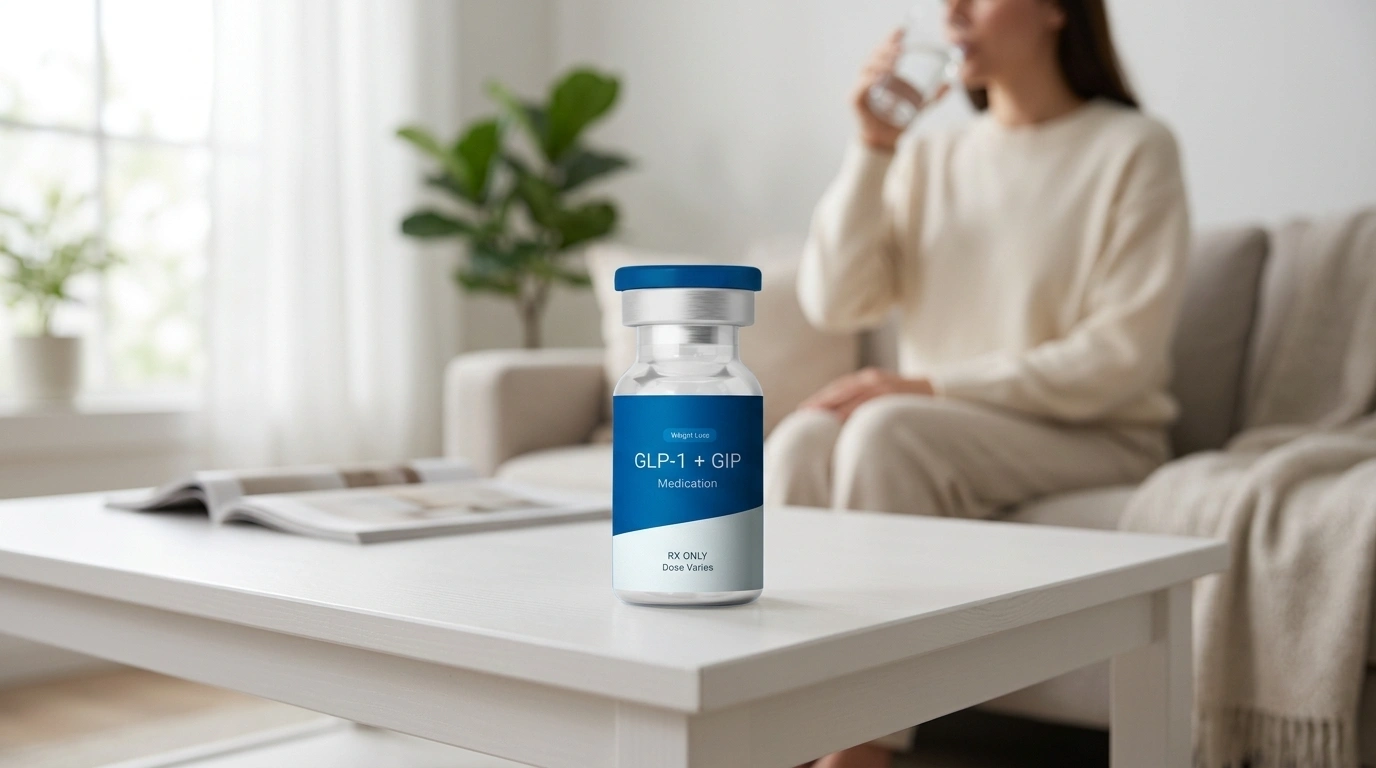
To understand how long your medication lasts, you first have to understand the manufacturer’s primary storage requirement. Mounjaro® (tirzepatide) is a peptide-based medication. Peptides are essentially chains of amino acids that act as messengers in the body. In this case, tirzepatide mimics two hormones: glucagon-like peptide-1 (GLP-1) and glucose-dependent insulinotropic polypeptide (GIP). Because these are protein-based molecules, they are sensitive to their environment.
The most stable environment for these pens is a consistent, cool temperature. The gold standard for storage is keeping the pens in a refrigerator set between 36°F and 46°F (2°C to 8°C). When maintained at this temperature from the moment you receive them until the moment you use them, the pens remain effective until the expiration date listed on the original packaging.
Choosing the Right Spot in Your Fridge
Not all areas of a refrigerator are created equal. Many people instinctively reach for the door shelves to store their medication, but this is often the least stable part of the appliance. The temperature in the door fluctuates every time you open it to grab a snack or a drink.
For the best results, place your medication on a middle shelf toward the center. Avoid pushing the pens all the way to the back wall. In many modern refrigerators, the back panel can become cold enough to form ice crystals. If your medication accidentally freezes, the molecular structure of the tirzepatide can break down, rendering the pen useless.
The Importance of the Original Carton
You should always keep your pens in the original cardboard carton they arrived in. While it might be tempting to save space by taking the individual pens out, the carton serves a vital purpose: light protection.
Tirzepatide is light-sensitive. Prolonged exposure to even indoor lighting can cause the medication to degrade over time. The carton acts as a shield, ensuring that the liquid inside the pen remains chemically stable. Furthermore, the carton contains the most legible version of the expiration date and lot number, which you may need if you ever have questions for a healthcare provider.
The Room Temperature Window: The 21-Day Rule
Life does not always happen in the kitchen. Travel, power outages, or simply forgetting to put a new box away can leave your medication sitting on the counter. This leads to the most frequent question we hear: how long are mounjaro pens good for when they aren’t in the fridge?
The 21-Day Limit The manufacturer states that Mounjaro® pens can stay at room temperature for a maximum of 21 days. This “room temperature” is defined as any temperature up to 86°F (30°C).
If your pen has been out of the refrigerator for 22 days, it must be discarded. Even if the liquid looks clear and the pen appears functional, the chemical potency of the medication can no longer be guaranteed. Using “expired” or degraded medication may result in a lack of therapeutic effect, meaning you won’t get the appetite suppression or metabolic support the medication is designed to provide.
What to Do During a Power Outage
If the power goes out, keep your refrigerator door closed as much as possible. A sealed fridge can often maintain its temperature for several hours. If the outage lasts longer, you can transition to the 21-day room temperature rule. If you want more practical handling guidance, the tirzepatide storage, travel, and handling guide covers these scenarios in more detail.
Steps for managing a power outage:
- Note the time the refrigerator stopped running.
- Keep the door closed to preserve the cold air.
- If the temperature inside rises above 46°F, start a 21-day timer on your phone or calendar.
- Use the medication within that 21-day window or discard it if the power is not restored and the window closes.
Can You Re-Refrigerate the Pen?
A common point of confusion is whether a pen that has reached room temperature can be put back in the fridge to “reset” the clock. According to current clinical guidance, you can put the pen back in the refrigerator, but it does not extend the 21-day window. Once the medication has warmed up, the countdown has started. Whether it stays on the counter or goes back into the cold, it must be used within those 21 days.
Key Takeaway: The 21-day room temperature clock starts the moment the pen exceeds 46°F and cannot be paused or reset by putting the pen back in the refrigerator.
How to Read and Follow Expiration Dates
Every Mounjaro® pen and its corresponding carton will have an expiration date. This date is determined by the manufacturer based on extensive stability testing. Typically, these medications have a shelf life of about 24 months from the time they are produced, provided they are kept in the cold chain (refrigerated).
Locating the Date
You can find the expiration date (often abbreviated as “EXP”) on the side of the pen’s body or on the end flap of the box. It usually follows a MM/YYYY or DD/MM/YYYY format.
Why Expiration Dates Matter
Medications are not like shelf-stable canned goods. When a peptide medication expires, it doesn’t necessarily become “toxic,” but it does lose its structural integrity. The tirzepatide molecule can break apart, meaning it will no longer properly bind to the GLP-1 and GIP receptors in your body. This makes the treatment ineffective.
Bottom line: Never use a pen that has passed its printed expiration date, even if it has been perfectly refrigerated. The risk of reduced efficacy is not worth the potential setback in your health journey.
Signs Your Medication Has Gone Bad
Sometimes, medication can degrade even before the 21 days are up or the expiration date arrives. This can happen due to extreme heat exposure, light exposure, or accidental freezing. Before every injection, you should perform a quick visual inspection.
The Visual Inspection Checklist
The liquid inside a Mounjaro® pen should be:
- Clear: You should be able to see through it easily.
- Colorless to Slightly Yellow: A very faint yellow tint is considered normal by the manufacturer.
- Free of Particles: There should be no “floaties,” flakes, or crystals in the liquid.
Warning Signs:
- Cloudiness: If the liquid looks milky or opaque, discard it.
- Discoloration: If it turns brown, pink, or deep yellow, it has likely oxidized or degraded.
- Particles: Any visible solid matter means the medication is no longer safe to use.
The Danger of Freezing
Freezing is perhaps the most common way a pen is ruined. If a pen is accidentally frozen, the proteins in the tirzepatide are likely damaged beyond repair. Even if you thaw the pen and it looks clear, do not use it. The freezing and thawing process alters the chemical composition, which can lead to unpredictable results or site reactions at the injection point.
Myth: “If I thaw a frozen pen, it’s fine to use.” Fact: Freezing permanently changes the medication’s molecular structure. Any pen that has been frozen must be discarded immediately.
Traveling with Your Medication
Maintaining the “cold chain” while traveling can be a source of stress. However, with the 21-day rule in mind, many people find they don’t need a portable refrigerator for their trip. For a broader look at travel and storage habits, the tirzepatide storage, travel, and handling guide is a helpful companion read.
For Short Trips (Under 21 Days)
If you are going on a vacation that lasts less than three weeks, you can simply take your pen with you at room temperature. As long as you keep it in your carry-on luggage and away from direct sunlight, it will be perfectly fine.
For Longer Travel or Hot Climates
If you are traveling to a location where temperatures exceed 86°F (such as a beach or a desert) or if your trip is longer than 21 days, you will need to take extra precautions.
Travel Tips for Success:
- Use an Insulated Travel Case: Many companies make small, insulated pouches designed specifically for insulin or GLP-1 pens.
- Avoid Direct Ice Contact: If you use a gel pack or ice to keep the pens cool, wrap the pens in a small towel first. Direct contact with ice can freeze the pen.
- Never Check Your Meds: Always keep your medication in your carry-on bag. The cargo hold of a plane can experience extreme temperature swings—either becoming too hot or dropping below freezing.
- Carry Your Prescription: It is always a good idea to have a copy of your prescription or the original box with the pharmacy label in case you are questioned by security.
The Science of Stability: Why Temperature Matters
You might wonder why these medications are so “picky” about temperature compared to a standard aspirin or antibiotic. The answer lies in the nature of peptides.
Tirzepatide is a receptor agonist. This means it is designed to fit perfectly into specific “locks” (receptors) on your cells. These receptors help regulate your blood sugar and tell your brain that you are full.
How Heat Changes the Medication
Proteins and peptides are held together by delicate chemical bonds. When heat is applied, these molecules begin to vibrate more rapidly. If they get too hot, those bonds can break or the molecule can “unfold” (a process called denaturation). Once a peptide is unfolded, it no longer fits into the cellular receptor. It’s like trying to use a melted key in a door lock; the material is the same, but the shape is gone, so it won’t work.
Environmental Factors
While temperature is the primary concern, light and vibration also play smaller roles. This is why we recommend keeping the pens in their carton and avoiding excessive shaking. At TrimRx, we prioritize helping you understand these nuances so you can protect your investment in your health.
Managing Your Program with Confidence
At TrimRx, our goal is to take the guesswork out of your weight loss journey. We connect you with licensed healthcare providers who can help determine the right path for your metabolic health. Whether you are prescribed a branded medication like Mounjaro® or a compounded alternative, our platform is designed to support you every step of the way. If you are ready to see whether GLP-1 treatment is a fit, you can complete the free assessment quiz to get started.
One of the benefits of our personalized programs is the access to a dedicated team. If you are ever unsure about a pen you left out or if you have questions about your dosage, you don’t have to navigate those concerns alone. Our telehealth-first approach means you have support from specialists who understand the science of GLP-1 and GIP treatments. If you are also looking for nutritional support while adjusting to treatment, the GLP-1 Daily Support supplement is designed to fit that stage of your routine.
Preparing for Your Dose
Because some people find cold injections slightly uncomfortable, it is perfectly safe to take your pen out of the refrigerator 30 minutes before your scheduled dose. This allows the liquid to reach room temperature, which can make the injection feel more seamless. This brief window of time does not significantly impact the 21-day room temperature clock.
Steps for a Successful Injection:
Step 1: Check the pen. Ensure the liquid is clear and the expiration date has not passed. Step 2: Wash your hands. Cleanliness is key to preventing injection site infections. Step 3: Choose your site. Common areas include the stomach, thigh, or back of the upper arm. Step 4: Administer the dose. Follow the specific instructions for the pen’s locking and firing mechanism. Step 5: Dispose of the pen. Use a sharps container to safely discard the single-use device.
Maximizing Your Results
Storage is just one piece of the puzzle. To get the most out of your treatment, it’s important to focus on the foundations of metabolic health. This includes staying hydrated, prioritizing protein intake, and incorporating movement into your daily life. If you are looking for more energy support alongside a weight loss routine, Weight Loss Boost supplement may be a relevant option to explore.
For those who may experience minor digestive adjustments while their body gets used to the medication, we offer supplements like GLP-1 Daily Support. These are designed to complement your program and help you feel your best as your body transitions to a new metabolic state.
Key Takeaway: Success with GLP-1 or GIP medications requires a combination of proper medication handling, clinical oversight, and lifestyle support.
Conclusion
Understanding how long are mounjaro pens good for is a vital part of being an informed patient. By keeping your medication refrigerated between 36°F and 46°F, you ensure it remains effective until the expiration date. If you need to keep it at room temperature, remember the 21-day limit and the 86°F maximum heat threshold. Protecting your medication from light and freezing will safeguard the delicate peptides that make your weight loss journey possible.
At TrimRx, we are committed to providing more than just a prescription platform; we provide a partnership. Our mission is to help you embrace a healthier lifestyle through science, empathy, and transparent, personalized care. By following these storage guidelines, you are taking an important step toward sustainable, long-term success.
- Keep pens in the fridge whenever possible.
- Note the date if a pen stays at room temperature.
- Always inspect the liquid for clarity before use.
- Never use a frozen or expired pen.
If you are ready to take the next step in your health journey, we invite you to complete our free assessment quiz to see which personalized program is right for you.
FAQ
Can I use Mounjaro® if it was left in a hot car for a few hours?
If the temperature in the car exceeded 86°F, the medication should likely be discarded. High heat causes the tirzepatide peptide to break down rapidly. If you are unsure of the exact temperature, it is best to consult with a healthcare provider or pharmacist before use. If you are deciding whether a prescription program is the right next step, you can also take the free assessment quiz.
What should I do if my pen looks cloudy but isn’t expired?
A cloudy pen is a sign that the medication has degraded or been contaminated. You should not use the pen, as it may be ineffective or cause a reaction. Contact your pharmacy or healthcare provider for guidance on obtaining a replacement. For more handling guidance, the tirzepatide storage, travel, and handling guide explains what to watch for.
Does Mounjaro® expire faster if I take it out of the carton?
While the chemical expiration date remains the same, removing the pen from the carton exposes it to light. Light exposure can cause the medication to lose potency faster than the date on the box suggests. Always keep the pens in their original carton until the moment of use.
Is it safe to use a pen that was refrigerated but is one day past the expiration date?
No, you should not use medication that has passed its expiration date. The date is a firm cutoff established by stability testing to guarantee safety and efficacy. Using expired medication means you may not receive the full dose or the desired therapeutic effect. If you want a clearer path forward, you can complete the free assessment quiz.
Disclaimer: This content is for informational purposes only and does not constitute medical advice. It is not intended to diagnose, treat, cure, or prevent any disease or condition. Individual results may vary. Always consult a qualified healthcare professional before starting any weight loss program or medication.

Transforming Lives, One Step at a Time
Keep reading

Mounjaro Alternatives: What Else to Consider
If Mounjaro isn’t the right fit, the closest alternatives are other GLP-1 medications, chiefly semaglutide (Ozempic for diabetes, Wegovy for weight), along with a…

Mounjaro vs Zepbound: Same Drug, Two Brands
Like their semaglutide counterparts, Mounjaro and Zepbound are the same medication (tirzepatide) sold under two names for two purposes: Mounjaro is approved for type…

Retatrutide vs Mounjaro: Triple Agonist vs Dual Agonist
The core difference between retatrutide and Mounjaro comes down to how many hormone targets each hits: retatrutide activates three receptors, while Mounjaro (tirzepatide) activates…


