What Medications Can You Not Take With Zepbound?
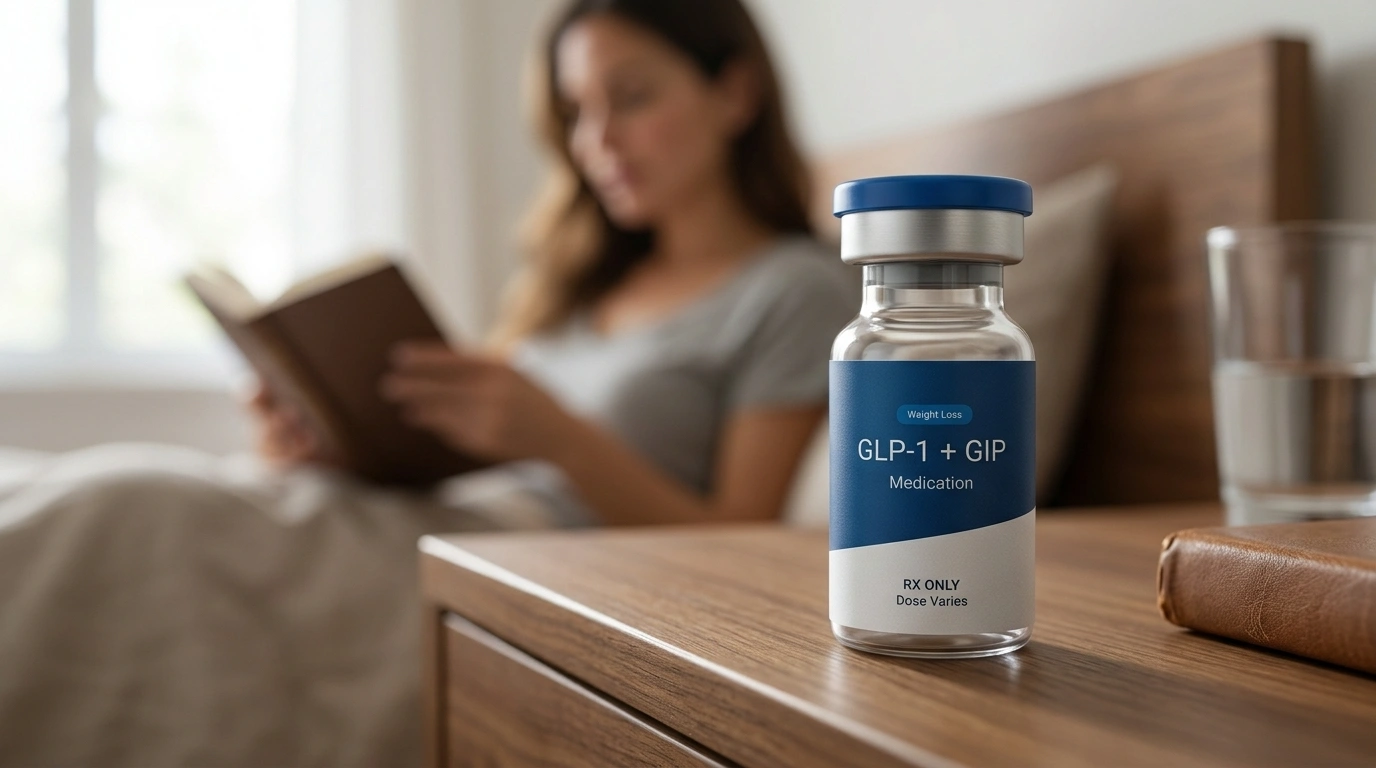
Quick Answer: While few medications are strictly prohibited, Zepbound® should never be combined with other GLP-1 or GIP receptor agonists like Mounjaro®, Ozempic®, or Wegovy®. Significant caution is required when taking insulin, sulfonylureas, or oral contraceptives, as Zepbound can increase the risk of low blood sugar or reduce the effectiveness of birth control pills.
Introduction
Starting a new medical journey often comes with a mix of excitement and valid concern, especially regarding how a new treatment might interact with your current routine. If you are considering Zepbound® (tirzepatide), you may be wondering if your daily vitamins, blood pressure pills, or even occasional pain relievers are safe to continue. At TrimRx, we understand that safety is your primary priority, and navigating the complexities of drug interactions shouldn’t feel like a solo mission.
In this post, we will cover the specific medications that require caution, the biological reasons why these interactions happen, and how you can safely manage your health while on a weight loss program. We will look at high-risk combinations like certain diabetes drugs, the specific “waiting period” required for birth control, and how delayed digestion can change the way your body handles almost any pill you swallow. Our goal is to provide you with the clarity needed to discuss these details with a healthcare professional confidently. For additional context, review this guide to tirzepatide drug interactions.
The Core Mechanism: How Zepbound Affects Other Substances
To understand which medications might pose a risk, it is helpful to understand how Zepbound works in the body. Zepbound is a dual agonist, meaning it targets two different hormone receptors: glucagon-like peptide-1 (GLP-1) and glucose-dependent insulinotropic polypeptide (GIP). These hormones naturally help your body manage blood sugar and signal to your brain that you are full.
One of the most significant physical changes this medication causes is called delayed gastric emptying. This is a scientific way of saying that it slows down the rate at which your stomach moves food and liquids into your small intestine. While this is a “feature” of the medication that helps you feel satisfied for longer periods, it acts as a “speed bump” for any other oral medications you take.
When you swallow a pill, your body usually expects it to move through the stomach and into the intestine at a certain speed for optimal absorption. When that process is slowed down, the medication may take longer to reach your bloodstream, or it may be absorbed less completely. This timing shift is the underlying cause for many of the interactions we monitor. You can also explore this overview of how GLP-1 injections work.
Key Takeaway: Most drug interactions with Zepbound are not caused by a direct chemical reaction between two drugs, but rather by the slowed speed of digestion, which changes how your body absorbs other oral medications.
Absolute Contraindications and Safety Warnings
Before looking at specific drug-to-drug interactions, it is essential to identify the groups of people who should not use Zepbound at all. These are known as contraindications. In these cases, the risk of taking the medication outweighs the potential benefits for weight management.
Thyroid Health Concerns
The FDA has issued a boxed warning for Zepbound regarding a specific, rare type of thyroid cancer. You should not take this medication if you have a personal or family history of medullary thyroid carcinoma (MTC). Additionally, individuals with Multiple Endocrine Menoplasia syndrome type 2 (MEN 2)—a rare genetic condition that affects the endocrine system—must avoid this treatment.
Severe Allergies
If you have ever had a serious allergic reaction to tirzepatide or any of the ingredients in Zepbound, you should not use the medication. Signs of a severe reaction can include swelling of the face, lips, or tongue, difficulty breathing, or a severe rash.
Pregnancy and Breastfeeding
Research suggests that Zepbound may not be safe for use during pregnancy, as it could potentially cause harm to a developing fetus. If you are pregnant or planning to become pregnant, you should consult your provider about alternative weight loss strategies. Similarly, it is not yet known if the medication passes into breast milk, so caution is advised for those who are breastfeeding.
Note: Always provide your healthcare provider with a full medical history, including any history of pancreatitis, kidney problems, or severe stomach issues like gastroparesis (stomach paralysis), before starting a new program.
High-Alert Interactions: Medications for Diabetes
If you are managing type 2 diabetes or have issues with blood sugar regulation, Zepbound requires very careful coordination with your existing medications. While Zepbound helps lower blood sugar, combining it with other drugs that do the same can lead to a condition called hypoglycemia, or dangerously low blood sugar.
Insulin and Sulfonylureas
The most critical medications to watch are insulin and a class of drugs called sulfonylureas (such as glipizide, glyburide, or glimepiride). These medications actively work to lower your blood glucose. When Zepbound is added to the mix, the combined effect can drop your blood sugar levels much lower than intended.
Symptoms of hypoglycemia include:
- Shakiness or jitters
- Excessive sweating and chills
- Dizziness or lightheadedness
- Confusion or difficulty concentrating
- Rapid heartbeat
If you take these medications, a licensed provider may need to reduce your dose of insulin or sulfonylurea before you begin Zepbound. This is a standard safety measure to prevent emergency situations.
Metformin and SGLT2 Inhibitors
Other common diabetes drugs, like Metformin or SGLT2 inhibitors (such as Jardiance® or Farxiga®), generally carry a lower risk of hypoglycemia when combined with Zepbound. However, they may still increase the likelihood of gastrointestinal side effects like nausea or diarrhea.
Bottom line: Never adjust your diabetes medications on your own. Any changes to your insulin or oral glucose-lowering drugs must be directed by a healthcare professional who is monitoring your glucose levels.
Crucial Guidance for Oral Contraceptives
One of the most frequently searched questions is how Zepbound affects birth control. This is a particularly important topic because weight loss can often increase fertility, and the medication is not recommended for use during pregnancy.
Because Zepbound slows down the stomach, the body may not absorb oral hormonal contraceptives (birth control pills) as effectively as it usually does. This is most likely to happen during two specific times: when you first start the medication and whenever your dose is increased. For a deeper look, read this guide to tirzepatide and birth control.
The 4-Week Rule
Clinical guidelines and FDA labeling suggest that individuals using birth control pills should take extra precautions to prevent unintended pregnancy:
- Start of Treatment: Use a backup barrier method (like condoms) or switch to a non-oral form of birth control for at least 4 weeks after your first dose.
- Dose Increases: Every time your provider increases your dose, you should use a backup barrier method for another 4 weeks.
Non-Oral Alternatives
Non-oral forms of contraception are generally unaffected by Zepbound because they do not rely on the stomach for absorption. These include:
- Intrauterine devices (IUDs)
- Contraceptive implants
- Injections (such as Depo-Provera®)
- Vaginal rings or skin patches
Key Takeaway: If you rely on birth control pills, the safest approach is to use backup protection for the first month of treatment and for the first month following any dose change.
The Effect on Narrow Therapeutic Index (NTI) Drugs
Some medications are known as Narrow Therapeutic Index (NTI) drugs. This means there is a very small “window” between a dose that is effective and a dose that is toxic or ineffective. Because Zepbound changes the speed of absorption, it can push these medications outside of that narrow safe window.
Warfarin and Blood Thinners
If you take warfarin (a common blood thinner), small changes in absorption can significantly impact your blood’s ability to clot. When starting or changing doses of Zepbound, your provider will likely want to check your INR (a measure of how fast your blood clots) more frequently to ensure your levels stay stable.
Levothyroxine (Thyroid Medication)
Many people taking GLP-1 medications also take levothyroxine for hypothyroidism. Because thyroid medication absorption is very sensitive to timing and stomach conditions, you should keep your routine of taking it on an empty stomach and inform your provider of any new symptoms like unusual fatigue or heart palpitations.
Other NTI Drugs to Flag:
- Digoxin: Used for heart rhythm or heart failure.
- Lithium: Used for certain mood disorders.
- Theophylline: Used for respiratory issues like asthma.
- Anticonvulsants: Medications used to prevent seizures (such as phenytoin or carbamazepine).
Myth: “I can’t take Zepbound if I’m on a blood thinner or thyroid pill.”
Fact: You can often take them together, but you will need more frequent blood tests and closer supervision from your medical team to ensure the dosages remain correct as your body changes.
Common Over-the-Counter Concerns: NSAIDs and Pain Relief
Even medications you buy at the drugstore without a prescription can interact with your weight loss program. While these aren’t “forbidden,” they do require a strategy to avoid unnecessary stress on your body.
NSAIDs (Ibuprofen, Naproxen, Aspirin)
Non-steroidal anti-inflammatory drugs (NSAIDs) like Advil®, Motrin®, or Aleve® can be hard on the stomach lining. Since Zepbound also affects the gastrointestinal system and keeps medication in the stomach longer, taking NSAIDs regularly can increase your risk of stomach irritation, ulcers, or even bleeding.
Furthermore, there is a concern regarding kidney health. If you become dehydrated due to the nausea or reduced thirst sometimes associated with Zepbound, and you take a high dose of an NSAID, it can put significant strain on your kidneys.
Acetaminophen (Tylenol)
For occasional aches, pains, or headaches, acetaminophen is generally considered a safer choice. It does not carry the same risk of stomach irritation or kidney stress as NSAIDs. However, because Zepbound slows digestion, you might notice that the Tylenol® takes a bit longer to “kick in” than it used to.
Interaction Severity Table
| Medication Category | Potential Interaction Risk | Recommended Action |
|---|---|---|
| Other GLP-1s/GIPs | High (Severe side effects) | Do Not Combine. |
| Insulin / Sulfonylureas | High (Hypoglycemia) | Adjust dose with provider. |
| Oral Birth Control | Moderate (Reduced efficacy) | Use backup for 4 weeks. |
| Warfarin / Blood Thinners | Moderate (Level shifts) | Frequent INR monitoring. |
| NSAIDs (Advil/Aleve) | Low to Moderate (Stomach/Kidney) | Use sparingly; stay hydrated. |
| Acetaminophen (Tylenol) | Low (Slower absorption) | Safe for occasional use. |
Managing Blood Pressure Medications and Kidney Safety
One of the most positive side effects of weight loss is that blood pressure often improves. However, this creates a specific interaction with blood pressure medications like ACE inhibitors (e.g., lisinopril) or ARBs (e.g., losartan).
As you lose weight, the blood pressure dose that was perfect for you at the start of the program may become too strong. This can lead to symptoms like:
- Dizziness or feeling lightheaded when you stand up
- Fainting or near-fainting spells
- Extreme fatigue
The Dehydration Factor
Zepbound can sometimes reduce your sense of thirst. If you are taking a diuretic (a “water pill”) and you aren’t drinking enough fluids, you can quickly become dehydrated. Dehydration is the “multiplier” that makes other medications more likely to cause side effects, particularly for the kidneys.
The “Triple Whammy”
Nephrologists (kidney specialists) often warn about the “triple whammy” combination that can lead to acute kidney injury:
- An NSAID (like ibuprofen)
- A Blood Pressure Med (like an ACE inhibitor)
- Dehydration (which can be worsened by diuretics or GLP-1 side effects)
To protect your kidneys, it is vital to stay well-hydrated and discuss your blood pressure medications with your provider as your weight begins to drop. You can also review this resource on medications that may not be combined with GLP-1 agonists.
Alcohol, Supplements, and Lifestyle Considerations
What you eat and drink can be just as important as the pills you take. While there is no direct chemical ban on alcohol, it does interact with how Zepbound makes you feel.
Alcohol
Alcohol can lower blood sugar, especially if you haven’t eaten much. When combined with Zepbound, this can increase the risk of hypoglycemia. Additionally, alcohol is a known GI irritant. If you are already experiencing nausea or an upset stomach from your medication, alcohol is likely to make those symptoms significantly worse.
Berberine and “Nature’s Ozempic”
Many people explore over-the-counter supplements like berberine, which is sometimes marketed as a natural alternative to GLP-1s. You should not combine berberine with Zepbound without professional guidance. Both substances affect blood sugar pathways, and taking them together could cause your glucose to drop too low or increase gastrointestinal distress.
Vitamins and Minerals
Most multivitamins are safe to take with Zepbound. However, because your appetite will be reduced, you may not be getting the same amount of nutrients from food. We often recommend targeted support to ensure your body has the micronutrients it needs while you are eating less.
Note: If you are taking a supplement for a specific deficiency (like Iron or B12), the timing of your dose may need to be adjusted to account for slowed digestion.
Navigating Interactions Through Personalized Care
The safest way to start any medication like Zepbound is through a structured program that prioritizes your individual health history. Because every person takes a different combination of medications, a “one-size-fits-all” approach simply doesn’t work.
At TrimRx, our process is designed to identify these potential interactions before you ever receive a prescription. Whether you are prescribed Compounded Tirzepatide (which is prepared by FDA-registered and inspected compounding pharmacies but is not itself FDA-approved) or another option, our medical team reviews your health profile to ensure the program is right for you. If you are exploring supervised treatment, you can learn how online GLP-1 access works.
How to Get Started Safely
Step 1: Complete the Assessment Quiz.
Take the free TrimRx assessment quiz. This is where you will list all of your current medications, supplements, and medical history. Be as thorough as possible—even listing over-the-counter items helps our team keep you safe.
Step 2: Consult with a Licensed Provider.
A healthcare professional will review your data. They will look specifically for the interactions we’ve discussed, such as insulin use or NTI drugs, and determine if you are a candidate for the program.
Step 3: Receive Personalized Instructions.
If eligible, you won’t just get a prescription. You will receive guidance on how to manage your specific medications, including reminders about the birth control window or tips for staying hydrated to protect your kidneys.
Step 4: Ongoing Monitoring and Support.
As you lose weight, your needs will change. Our specialists are available 24/7 to answer questions about new symptoms or concerns about how a new medication might fit into your program. We provide a consistent service model that includes all consultations and shipping without hidden fees.
Bottom line: Safety in medical weight loss comes from transparency and professional oversight. Using the TrimRx platform ensures that your journey is guided by expertise, not guesswork.
Conclusion
Understanding what medications you cannot take with Zepbound is an essential step in taking control of your metabolic health. While the list of strictly “banned” drugs is short, the list of medications that require a thoughtful strategy is much longer. From managing the “triple whammy” of kidney stress to ensuring your birth control remains effective, the key to success is careful monitoring and open communication.
At TrimRx, our mission is to help you embrace a healthier lifestyle through a transparent, science-backed approach that treats you as an individual. We combine clinical expertise with modern technology to make sustainable weight loss accessible and safe, all from the comfort of your home.
If you are ready to see how a personalized program can work for you—while keeping your safety and existing medications at the forefront—the next step is simple.
Take the Free TrimRx Assessment Quiz today to see if you qualify for a personalized medical weight loss program.
FAQ
Can I take ibuprofen (Advil) while on Zepbound?
You can take ibuprofen for occasional pain, but it is not recommended for regular or high-dose use. Both Zepbound and ibuprofen can irritate the stomach lining, and if you are dehydrated, the combination can put extra stress on your kidneys. Acetaminophen (Tylenol) is generally a safer alternative for routine pain relief.
Will Zepbound make my birth control pill stop working?
Zepbound can reduce the effectiveness of oral birth control pills because it slows down how your body absorbs them. This is most critical when you first start the medication or when you increase your dose. It is recommended to use a backup barrier method, such as condoms, for 4 weeks after starting and for 4 weeks after each dose increase. For more detail, read this GLP-1 and birth control overview.
Is it safe to drink alcohol while taking Zepbound?
There is no absolute ban on alcohol, but caution is highly recommended. Alcohol can worsen the nausea and vomiting that some people experience on Zepbound, and it can also increase the risk of low blood sugar. If you choose to drink, do so in moderation and be aware that your tolerance may be lower than usual.
Can I take Zepbound if I am already on insulin for diabetes?
Yes, but you must do so under close medical supervision. Combining Zepbound with insulin or sulfonylureas significantly increases the risk of dangerously low blood sugar (hypoglycemia). Your healthcare provider will likely need to adjust your insulin dose before you begin the program to ensure your safety. If you are considering treatment, complete a free eligibility assessment before getting started.
Disclaimer: This content is for informational purposes only and does not constitute medical advice. It is not intended to diagnose, treat, cure, or prevent any disease or condition. Individual results may vary. Always consult a qualified healthcare professional before starting any weight loss program or medication.

Transforming Lives, One Step at a Time
Keep reading

Can You Eat Clam Chowder on Zepbound?
Clam chowder is a seaside classic, often served in a bread bowl on a chilly day. New England chowder is thick, creamy, and rich…

Can You Eat Korean BBQ on Zepbound?
Korean barbecue is a social, hands-on meal: platters of marinated meats grilled at the table, surrounded by small side dishes called banchan, with lettuce…
Can You Eat Brownies on Zepbound?
Brownies are a classic homemade treat, a bake sale staple, and a common office snack. They are also dense, rich, and very sweet, made…


