Metformin and Zepbound: Navigating Combination Therapy for Weight Management
Introduction
Embarking on a weight loss journey often involves exploring various pathways and solutions, especially when managing underlying health conditions like type 2 diabetes. Many individuals find themselves considering how different medications might work together to support their health goals. One question that frequently arises for those managing both blood sugar and weight is whether metformin, a long-standing treatment for type 2 diabetes, can be safely combined with newer, powerful weight management medications like Zepbound (tirzepatide). This isn’t just a clinical query; it’s a deeply personal one for countless people striving for better health.
Understanding the interplay between these medications is crucial for safe and effective treatment. Both metformin and Zepbound address significant aspects of metabolic health, but through distinct mechanisms. Metformin has been a cornerstone in diabetes management for decades, known for its ability to improve insulin sensitivity and reduce glucose production. Zepbound, a dual GLP-1 and GIP receptor agonist, represents a more recent innovation, offering substantial benefits for both blood sugar control and significant weight reduction. As individuals seek personalized and effective strategies for their health, the potential for combining these agents naturally comes into focus.
At TrimRx, our journey began with a shared vision to help individuals embrace healthier lifestyles. We merge cutting-edge telehealth innovations with effective weight loss solutions, creating a user-friendly and supportive platform where individuals receive personalized, medically supervised care. Our approach is designed to make sustainable weight loss attainable and tailored to each unique individual, believing that it should be achieved through science, empathy, and a transparent process. This post aims to demystify the potential for using metformin alongside Zepbound, providing a comprehensive overview of how these medications function, what the current understanding of their interaction is, and what considerations are paramount when exploring such a combination. We will delve into their individual mechanisms, discuss the nuances of potential interactions, and underscore the critical importance of medical supervision in crafting a safe and effective treatment plan.
By the end of this article, you will have a clearer understanding of the roles of metformin and Zepbound in metabolic health, the clinical insights regarding their concurrent use, and how a personalized, medically guided approach, like that offered by TrimRx, can support your journey. We’ll explore the factors healthcare providers consider and empower you with the knowledge to have informed discussions about your treatment options, whether you’re taking our free assessment quiz for a personalized prescription plan or exploring our immediate support supplements like GLP-1 Daily Support and Weight Loss Boost.
Understanding Metformin: A Foundation in Metabolic Health
Metformin stands as one of the most widely prescribed oral medications globally for the management of type 2 diabetes. Its journey began over a century ago with observations of the medicinal herb goat’s rue, leading to its clinical use in the late 1950s and eventual FDA approval in the mid-1990s. Beyond its primary role in diabetes, metformin is also frequently used off-label for conditions such as polycystic ovary syndrome (PCOS) and for its potential benefits in weight management. Its enduring presence in medical practice speaks volumes about its effectiveness and established safety profile, making it a foundational treatment for many.
How Metformin Works
Metformin’s mechanism of action is multifaceted, primarily focusing on improving the body’s response to insulin and regulating glucose production. It operates mainly in the liver, where it decreases the amount of glucose the liver produces and releases into the bloodstream. This is a critical function, as excessive hepatic glucose production contributes significantly to high blood sugar levels in type 2 diabetes.
Additionally, metformin enhances the body’s sensitivity to insulin. Insulin is a hormone responsible for transporting glucose from the bloodstream into cells for energy. In type 2 diabetes, cells often become resistant to insulin, meaning they don’t respond effectively to its signals. By improving insulin sensitivity, metformin helps cells utilize glucose more efficiently, leading to lower blood sugar levels. It also plays a minor role in reducing glucose absorption from the gut. Some research suggests it may even promote the production of certain “anti-hunger” molecules, contributing to appetite suppression and supporting weight loss efforts.
Common Uses and Benefits
The primary indication for metformin is the management of type 2 diabetes, often as a first-line therapy. Its benefits extend beyond simple blood sugar lowering, encompassing a reduction in cardiovascular events in certain patient populations and, as noted, potential weight loss. For individuals with obesity or excess weight, especially those with insulin resistance or prediabetes, metformin can be a valuable tool in their overall health strategy. Its ability to gently suppress appetite and improve metabolic function can contribute to gradual, sustainable weight reduction over time.
Potential Side Effects and Safety Considerations
While generally well-tolerated, metformin does have potential side effects, with gastrointestinal issues being the most common. These can include nausea, diarrhea, stomach discomfort, and bloating, particularly when starting the medication or increasing the dose. To minimize these effects, healthcare providers often recommend taking metformin with meals and initiating treatment at a lower dose, gradually increasing it over time.
A more serious, though rare, risk associated with metformin is lactic acidosis. This condition involves a buildup of lactic acid in the blood, which can be life-threatening. The FDA has issued a “black box” warning for metformin regarding this risk. Lactic acidosis is more likely to occur in individuals with kidney or liver disease, acute heart failure, or dehydration. Excessive alcohol consumption can also increase this risk, so patients on metformin are generally advised to limit or avoid alcohol. We always emphasize the importance of our patients discussing alcohol consumption with their medical provider, especially when on medications that impact metabolic processes.
Long-term use of metformin can also, in rare cases, lead to a vitamin B12 deficiency. Regular monitoring of B12 levels may be recommended for individuals on prolonged metformin therapy. At TrimRx, we prioritize your safety and well-being, which is why our personalized programs include comprehensive lab work and ongoing medical oversight. Our commitment to transparent service means we communicate clearly about potential side effects and how we work with you to manage them, ensuring your journey is as smooth and safe as possible. For those seeking our personalized weight loss program, a thorough medical evaluation helps us tailor treatment plans to individual needs, considering all aspects of your health history.
Exploring Zepbound: A Modern Approach to Weight Management
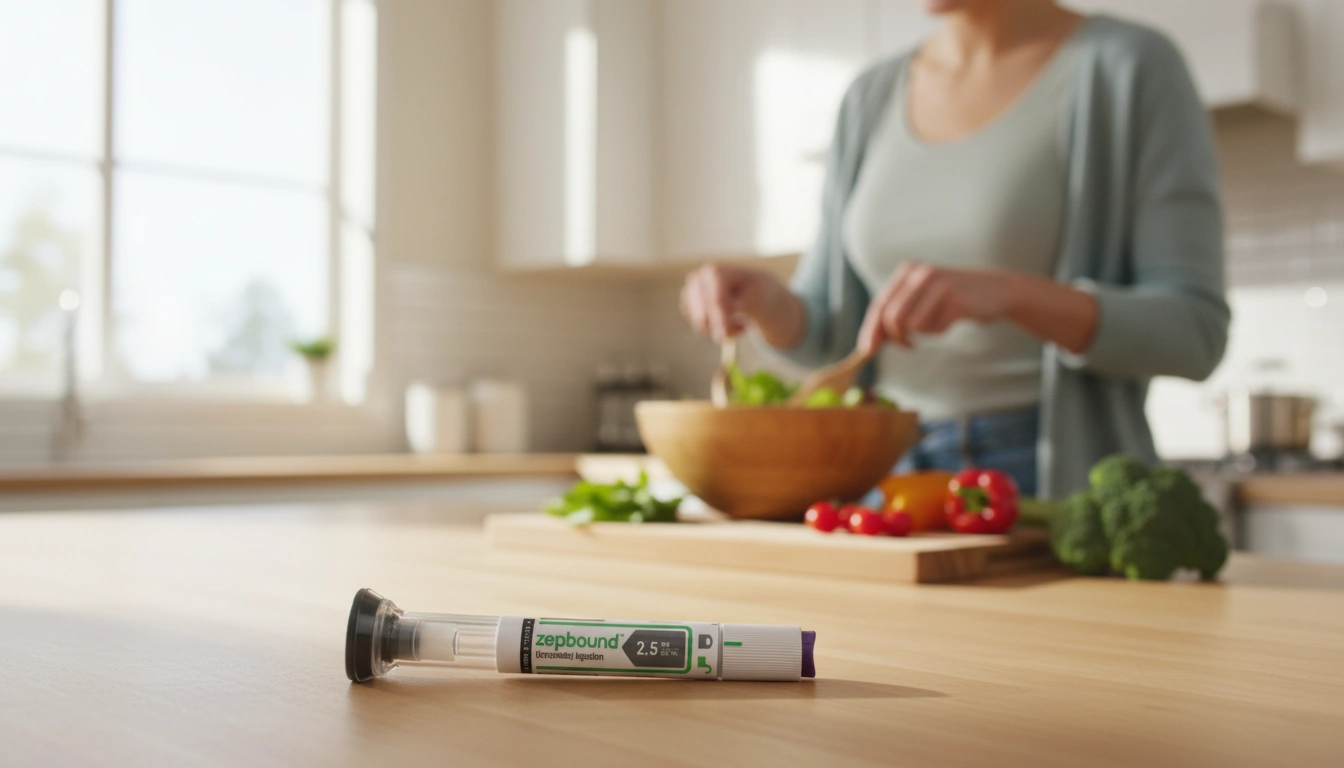
Zepbound, with its active ingredient tirzepatide, represents a significant advancement in the field of weight management. This medication, developed by Eli Lilly, received FDA approval in 2023 for chronic weight management in adults with obesity or those with excess weight and at least one weight-related health condition, such as high blood pressure or sleep apnea. It’s administered as a once-weekly injection, offering a convenient and highly effective option for many individuals struggling with weight.
How Zepbound Works: The Dual Agonist Mechanism
Zepbound’s efficacy stems from its unique action as a dual agonist, mimicking two naturally occurring gut hormones: glucagon-like peptide-1 (GLP-1) and glucose-dependent insulinotropic polypeptide (GIP). These “incretin” hormones play vital roles in regulating blood sugar, influencing stomach emptying, and controlling appetite.
When activated by Zepbound, GLP-1 and GIP receptors work in concert to:
- Stimulate insulin release from the pancreas in a glucose-dependent manner, meaning insulin is released only when blood sugar levels are high, reducing the risk of hypoglycemia.
- Suppress glucagon secretion, a hormone that raises blood sugar, further contributing to improved glucose control.
- Slow gastric emptying, which helps you feel fuller for longer after meals and reduces the rate at which glucose enters the bloodstream.
- Reduce appetite and food intake by acting on hunger centers in the brain, leading to a significant decrease in caloric consumption.
This powerful dual action makes Zepbound highly effective in both managing blood sugar and promoting substantial weight loss. The synergistic effect of mimicking both GLP-1 and GIP hormones allows for a more comprehensive approach to metabolic regulation compared to medications that target only one of these pathways.
Zepbound for Weight Loss: Efficacy and Benefits
Clinical trials have demonstrated Zepbound’s impressive efficacy in weight reduction. In one notable study, participants receiving a maximum tolerated dose of Zepbound (10 mg or 15 mg) weekly, alongside diet and exercise, achieved an average body weight loss of 20.9% over 36 weeks. Those who continued therapy not only maintained this loss but lost an additional 5.5% of body weight over a subsequent 52-week period. These results highlight Zepbound’s potential for significant and sustained weight management, offering a new frontier for individuals seeking to achieve their health goals.
At TrimRx, we are proud to offer access to clinically proven medications like Zepbound®, as well as other effective options such as Ozempic®, Wegovy®, and Mounjaro® through our personalized programs. For those who qualify through our free assessment quiz, we also provide access to compounded options like Compounded Semaglutide, Oral Semaglutide, Compounded Tirzepatide, and Oral Tirzepatide. It’s important to clarify that while branded medications like Zepbound® are FDA-approved, compounded medications are not; however, we partner exclusively with FDA-registered and inspected pharmacies for the shipping of all weight loss medications. This ensures that every medication you receive through TrimRx meets rigorous quality and safety standards.
Potential Side Effects and Important Warnings
Like all medications, Zepbound can cause side effects. The most commonly reported side effects are gastrointestinal, similar to metformin, including nausea, vomiting, diarrhea, constipation, and stomach discomfort. These often lessen over time as the body adjusts to the medication or with careful dose titration. Other common side effects may include injection site reactions and fatigue. Maintaining regular physical activity, including strength training, is recommended while on Zepbound to help mitigate potential muscle loss that can occur with significant weight reduction.
More serious side effects can include low blood sugar (hypoglycemia), severe stomach problems (like gastroparesis), kidney or gallbladder issues, pancreatitis, and diabetic retinopathy. It is crucial to report any persistent or severe symptoms to a healthcare provider promptly.
Zepbound also carries a “black box” warning from the FDA regarding the risk of thyroid C-cell tumors. This is based on studies in rodents, and it is unknown if Zepbound causes such tumors, including medullary thyroid carcinoma (MTC), in humans. Therefore, Zepbound is contraindicated in individuals with a personal or family history of MTC or those with Multiple Endocrine Neoplasia syndrome type 2 (MEN2). Patients who are pregnant, breastfeeding, or planning to become pregnant should also avoid Zepbound, as it may cause fetal harm.
At TrimRx, our comprehensive service includes not only doctor consultations and medication but also essential lab work, unlimited support, and shipping, all with no hidden fees. We emphasize compassionate care that respects every individual’s unique journey, combining advanced medical science with modern technology. Our dedicated medical team monitors your progress closely, ensuring safety and efficacy every step of the way. If you’re considering a prescription weight loss medication, we encourage you to take our free assessment quiz to determine your eligibility and receive a personalized treatment plan.
Can You Take Metformin While on Zepbound? Examining the Interaction
The question of whether metformin and Zepbound can be taken concurrently is highly relevant for many individuals managing type 2 diabetes, obesity, or both. Both medications are powerful tools in metabolic health, and understanding their potential interactions is paramount for patient safety and treatment effectiveness.
Current pharmacological evaluations indicate that there were no direct interactions found between metformin and Zepbound (tirzepatide) in standard drug interaction screenings. This initial finding suggests a favorable profile for co-administration from a direct interaction perspective. However, it’s critical to understand that the absence of a direct interaction does not necessarily mean that no interactions exist or that combination therapy is without specific considerations. Always consulting with your healthcare provider remains the golden rule in medicine.
Let’s delve deeper into the nuanced considerations when combining these two effective medications.
Mechanistic Considerations for Co-administration
Even without a direct drug-to-drug molecular interaction, the physiological effects of metformin and Zepbound can influence each other, requiring careful management.
Impact on Gastric Emptying
Zepbound, as a GLP-1/GIP receptor agonist, is known to delay gastric emptying. This means food and oral medications remain in the stomach for a longer period. This delay can potentially affect the absorption of other orally administered medications, including metformin, by altering the rate and extent to which they enter the bloodstream.
While studies with other GLP-1 receptor agonists have shown varying impacts on oral drug absorption—some demonstrating mild to moderate decreases in peak plasma concentrations for co-administered drugs, others showing no clinically significant effect—tirzepatide’s impact on gastric emptying has been reported to be dose- and time-dependent. For instance, a single high dose of tirzepatide initially decreased the peak plasma concentration of acetaminophen and delayed its time to peak plasma concentration. However, after repeated weekly doses, no significant impact on acetaminophen’s absorption was observed, and overall exposure remained unaffected. This suggests the body may adapt to the delayed gastric emptying over time, but the initial phase requires close monitoring.
For metformin, which is typically taken with meals, this delayed gastric emptying could theoretically alter its absorption profile. However, existing data for other GLP-1 receptor agonists (like semaglutide and dulaglutide) co-administered with metformin generally indicate no clinically relevant effect on metformin’s absorption. Nevertheless, for any oral medication, especially those with a narrow therapeutic index or those requiring rapid absorption, careful monitoring of pharmacological response is prudent when Zepbound is initiated or its dosage is adjusted.
Risk of Hypoglycemia
Both metformin and Zepbound contribute to lowering blood glucose levels. While metformin alone rarely causes hypoglycemia (low blood sugar), its combination with other glucose-lowering agents can increase this risk. Zepbound, by stimulating insulin release and suppressing glucagon, also lowers blood sugar. Therefore, combining metformin with Zepbound, especially in individuals with type 2 diabetes, necessitates close monitoring for signs of hypoglycemia.
Healthcare providers considering this combination may adjust the dosages of one or both medications, particularly if the individual is also on other diabetes treatments like sulfonylureas or insulin, which are known to significantly increase hypoglycemia risk when combined with GLP-1 agonists. Our physicians at TrimRx provide continuous care, working with you to adjust treatment plans as needed to minimize risks while maximizing benefits.
Lactic Acidosis
As previously discussed, metformin carries a black box warning for lactic acidosis. There is no evidence to suggest that Zepbound directly increases the risk of lactic acidosis. However, any severe illness, dehydration, or conditions that impair kidney or liver function can predispose an individual to lactic acidosis, and these conditions would need to be carefully managed regardless of Zepbound use. The general warnings for metformin regarding alcohol consumption and kidney/liver health remain critical for anyone taking the medication, whether alone or in combination.
Clinical Rationale for Co-Prescription
Despite these considerations, there can be compelling clinical reasons for a healthcare provider to prescribe metformin and Zepbound together.
- Enhanced Blood Sugar Control: For individuals with type 2 diabetes whose blood sugar levels are not adequately controlled with metformin alone, adding Zepbound can provide a powerful synergistic effect. Both medications tackle different aspects of glucose regulation, leading to more comprehensive glycemic management.
- Improved Weight Loss Outcomes: Both metformin (off-label) and Zepbound (FDA-approved) can facilitate weight loss. Combining them may offer an additive or synergistic effect on weight reduction, benefiting individuals with obesity or excess weight, especially when substantial weight loss is a key health goal.
- Addressing Multiple Metabolic Pathways: Metformin primarily works to reduce hepatic glucose production and improve insulin sensitivity. Zepbound, through its incretin mimetic action, impacts insulin secretion, glucagon suppression, gastric emptying, and appetite. Together, they target a broader range of metabolic dysfunctions, potentially leading to more robust overall metabolic health improvements.
For those considering advanced treatment options, our personalized approach at TrimRx ensures that a qualified medical provider assesses your health profile. You can take our free assessment quiz to explore whether a combination therapy or other prescription medication like Compounded Semaglutide or Compounded Tirzepatide might be appropriate for you. We provide a complete service that includes doctor consultations, necessary lab work, medication, and ongoing support, all handled with transparency and no hidden fees.
The Importance of Medical Supervision
The decision to combine metformin and Zepbound, or any medications, should always be made by a qualified healthcare provider. They will consider your complete medical history, current health status, other medications you are taking, and your individual weight loss and health goals. Close monitoring of blood glucose levels, kidney function, and any emerging side effects is crucial throughout the treatment period.
At TrimRx, we emphasize that our approach remains consistent regardless of dosage changes. Our dedicated team is committed to transparent service and working exclusively with FDA-registered and inspected pharmacies for the shipping of weight loss medications. While TrimRx partners with these pharmacies, it’s vital to remember that we do not provide actual medical supervision. Instead, we connect you with licensed medical providers who offer personalized care and supervision, ensuring a safe and effective weight loss journey. Our comprehensive support system is designed to provide you with the tools and guidance you need for success.
Important Considerations for Combination Therapy
When a healthcare provider determines that taking metformin while on Zepbound is appropriate for an individual, several key considerations come into play to ensure safety and optimize effectiveness. This approach exemplifies our commitment at TrimRx to providing compassionate, medically supervised care that respects every individual’s unique journey.
Close Monitoring of Blood Sugar Levels
For individuals with type 2 diabetes, meticulous blood glucose monitoring is essential, especially when starting Zepbound or adjusting dosages of either medication. Both metformin and Zepbound lower blood sugar, and combining them, particularly if other diabetes medications are also in use, could increase the risk of hypoglycemia. Your healthcare provider will guide you on how frequently to monitor your blood sugar and what actions to take if levels drop too low. This proactive monitoring is a cornerstone of our personalized programs, designed to keep you safe and informed.
Managing Gastrointestinal Side Effects
Both metformin and Zepbound commonly cause gastrointestinal side effects such as nausea, vomiting, diarrhea, and constipation. When taken together, there’s a potential for these side effects to be additive or more pronounced, particularly during the initial phase of treatment or when dosages are increased.
- Gradual Titration: Healthcare providers typically start with lower doses of Zepbound and gradually increase them to allow your body to adjust, which can help mitigate GI discomfort. Metformin is also often introduced gradually.
- Timing: Taking metformin with meals can help reduce GI upset. While Zepbound is a weekly injection, its effect on gastric emptying can last.
- Dietary Adjustments: Eating smaller, more frequent meals, avoiding fatty or spicy foods, and staying well-hydrated can also help manage these symptoms.
Our supportive platform offers resources and guidance to help you navigate these common challenges, ensuring your journey is as comfortable as possible.
Impact on Absorption of Other Oral Medications
Zepbound’s effect on delaying gastric emptying can influence how other oral medications are absorbed. This is an important consideration for any oral drug you may be taking, especially those with a narrow therapeutic index (where small changes in dosage can have significant effects) or those that require rapid absorption.
- Oral Contraceptives: For example, Zepbound may make oral birth control less effective by impacting its absorption. If you are taking oral contraceptives, your healthcare provider may recommend using a backup method of birth control for at least four weeks after starting Zepbound and after any dose increase.
- Regular Review: It’s crucial to inform your medical provider about all medications, supplements, and herbal products you are taking. A thorough review helps anticipate potential interactions and allows for necessary adjustments or monitoring. At TrimRx, we pride ourselves on our comprehensive service, which includes doctor consultations where all your medications are reviewed to ensure a safe and effective treatment plan.
Alcohol Consumption Guidelines
As discussed earlier, alcohol can significantly interact with metformin, increasing the risk of lactic acidosis and affecting blood glucose levels. While there are no known direct interactions between Zepbound and alcohol, consuming alcohol during Zepbound treatment may worsen some of its common side effects, such as nausea and vomiting. Therefore, your healthcare provider will likely advise limiting or avoiding alcohol intake during combination therapy, especially if your diabetes is not well controlled or if you have other risk factors. This guidance underscores our commitment to safety and holistic care.
Ongoing Medical Oversight and Support
The cornerstone of safe and effective combination therapy is continuous medical supervision. Your healthcare provider will:
- Assess Eligibility: Determine if combination therapy is appropriate based on your medical history and current health.
- Personalize Dosage: Tailor the dosages of both medications to achieve optimal benefits while minimizing risks.
- Monitor Progress: Regularly assess your blood sugar, weight loss, kidney function, and overall health.
- Manage Side Effects: Provide strategies and adjustments to address any side effects you experience.
At TrimRx, our personalized weight loss programs are built upon this foundation of comprehensive medical oversight. When you take our free assessment quiz, you embark on a journey where you receive doctor consultations, necessary lab work, medication access (shipped from FDA-registered, inspected pharmacies), and unlimited support. We believe that sustainable weight loss should be achieved through science, empathy, and a transparent approach, providing you with compassionate care every step of the way.
The Path to Personalized Weight Loss with TrimRx
At TrimRx, our core mission is to empower individuals to achieve sustainable weight loss and embrace healthier lifestyles through a personalized, medically supervised approach. We understand that every journey is unique, and that’s why we’ve built a platform that merges cutting-edge telehealth innovations with effective, clinically proven weight loss solutions. Our commitment to you is rooted in science, empathy, and transparency.
Our brand story began with a clear vision: to create a supportive, user-friendly space where advanced medical science and modern technology converge to deliver truly individualized care. We believe that safe and effective weight loss isn’t a one-size-fits-all endeavor. Instead, it requires a deep understanding of your specific metabolic profile, health history, and personal goals.
Our Personalized Weight Loss Program
For those seeking robust, medically supervised weight loss, our program begins with a crucial first step: our free assessment quiz. This comprehensive quiz helps our affiliated medical providers determine your eligibility for prescription weight loss medications and crafts a personalized treatment plan tailored just for you.
Within this personalized program, we offer access to a range of highly effective medications, carefully selected to meet diverse needs. These include:
- Compounded Semaglutide
- Oral Semaglutide
- Ozempic®
- Compounded Tirzepatide
- Oral Tirzepatide
- Mounjaro®
- Zepbound®
- Wegovy®
We are committed to transparent service. This means our comprehensive offering includes everything you need for success: doctor consultations, necessary lab work, the prescribed medication itself, unlimited support throughout your journey, and convenient shipping directly to your door, all with no hidden fees. It’s important to note that while branded medications like Ozempic®, Mounjaro®, Zepbound®, and Wegovy® are FDA-approved, compounded medications are not directly FDA-approved. However, we ensure that all our medications, both branded and compounded, are provided through FDA-registered, inspected, and approved pharmacies, upholding the highest standards of safety and quality. TrimRx partners with these pharmacies for the shipping of weight loss medications and does not provide actual medical supervision; instead, we connect you with licensed medical providers who offer that essential oversight.
Immediate Support for Your Wellness Journey
Recognizing that some individuals may benefit from immediate support or prefer non-prescription options, we also offer quick-access supplements that do not require a quiz for purchase. These are designed to complement your overall wellness and support your weight loss efforts:
- GLP-1 Daily Support: This supplement is formulated to support the body’s natural GLP-1 pathways, aiding in appetite control and healthy blood sugar levels.
- Weight Loss Boost: Designed to provide an extra edge, this boost helps enhance metabolism and energy, supporting your body as it adapts to a healthier lifestyle.
These quick-access options are available for immediate purchase, offering flexibility and additional tools for your wellness journey.
Our Promise: Empathetic, Innovative, Trustworthy Care
At TrimRx, our brand personality is built on empathy, innovation, trustworthiness, support, results-orientation, and personalization. We understand the challenges of weight loss and are here to offer compassionate care that respects your unique path. By combining advanced medical science with modern technology, we strive to make sustainable weight loss not just a dream, but an attainable reality. We empower you with accurate information, expert guidance, and proven solutions, ensuring you feel confident and supported every step of the way. Your success is our shared goal, and we are dedicated to helping you achieve a healthier, more vibrant life.
Conclusion
Navigating the complexities of weight management and metabolic health, especially when considering combination therapies like metformin and Zepbound, requires clear information and personalized medical guidance. We’ve explored how metformin, a long-standing treatment for type 2 diabetes, and Zepbound, a newer, powerful dual GLP-1/GIP agonist for weight management, each contribute uniquely to metabolic health. While direct drug interactions between them are not widely reported, their physiological effects necessitate careful consideration and close medical supervision if prescribed together.
The decision to combine metformin and Zepbound is a nuanced one, driven by an individual’s specific health profile, existing conditions, and treatment goals. Potential benefits include enhanced blood sugar control and significant weight loss, leveraging the distinct mechanisms of both medications. However, it’s crucial to acknowledge the shared gastrointestinal side effects, the need for vigilant blood sugar monitoring, and Zepbound’s potential impact on the absorption of other oral medications. Furthermore, metformin’s interaction with alcohol and its rare risk of lactic acidosis remain important safety considerations.
At TrimRx, we stand as your dedicated partner in this journey. Our approach is founded on the principles of science, empathy, and transparency, ensuring that you receive personalized, medically supervised care. We believe that sustainable weight loss is achievable through a comprehensive strategy tailored to your unique needs. Whether you’re exploring the potential of prescription medications like Ozempic®, Zepbound®, or Compounded Semaglutide, or seeking immediate support with our GLP-1 Daily Support and Weight Loss Boost supplements, we are here to guide you.
We encourage you to prioritize an open dialogue with your healthcare provider about all your treatment options. To begin your personalized path to weight loss and discover if a prescription medication is right for you, we invite you to take our free assessment quiz. For immediate wellness support, explore our GLP-1 Daily Support and Weight Loss Boost supplements. Let TrimRx be your trusted resource, providing the expert guidance and compassionate care you deserve on your journey to a healthier, more fulfilling life.
Frequently Asked Questions
Can metformin and Zepbound be prescribed together?
Yes, a healthcare provider may decide to prescribe metformin and Zepbound together, particularly for individuals managing type 2 diabetes and obesity or excess weight. While direct drug interactions have not been widely reported, the combination requires careful medical supervision due to their complementary mechanisms of action and potential additive side effects, especially regarding blood sugar control and gastrointestinal issues.
What are the main benefits of combining metformin and Zepbound?
Combining metformin and Zepbound can offer enhanced benefits for both blood sugar control and weight loss. Metformin improves insulin sensitivity and reduces glucose production, while Zepbound (tirzepatide) acts as a dual GLP-1/GIP agonist to stimulate insulin release, suppress glucagon, delay gastric emptying, and reduce appetite. This multi-pronged approach can lead to more comprehensive metabolic improvements and significant, sustained weight reduction.
What side effects should I watch for if taking both medications?
If you are taking metformin and Zepbound, you should particularly monitor for gastrointestinal side effects such as nausea, vomiting, diarrhea, and constipation, as these are common to both medications and could be more pronounced. Additionally, given that both medications lower blood sugar, vigilance for symptoms of hypoglycemia (e.g., dizziness, sweating, confusion) is crucial. Always discuss any side effects with your healthcare provider promptly.
How does TrimRx support individuals considering combination therapy?
TrimRx offers a personalized, medically supervised weight loss program that includes doctor consultations, necessary lab work, and access to prescription medications like Zepbound or other options, shipped from FDA-registered and inspected pharmacies. While TrimRx partners with these pharmacies for medication shipping, we connect you with licensed medical providers who offer the actual medical supervision. Our comprehensive service ensures transparent care, unlimited support, and guidance tailored to your unique health profile, helping you navigate complex treatment plans safely and effectively. To explore your options, you can take our free assessment quiz.

Transforming Lives, One Step at a Time
Keep reading

How to Get Zepbound in Texas: Your Guide
Getting Zepbound in Texas is straightforward once you know your options. You can get a prescription through a telehealth provider from home, through your…

How to Get Zepbound in California: Where to Start
Zepbound (tirzepatide) is available to California residents through your primary care provider, a weight loss clinic, or a telehealth service that prescribes and delivers…

Stopping Zepbound: Managing the Transition
When you stop taking Zepbound, your appetite returns to pre-medication levels within a few weeks and most people regain a meaningful portion of their…


